

A resource for those seeking information on organizing and transforming spaces.
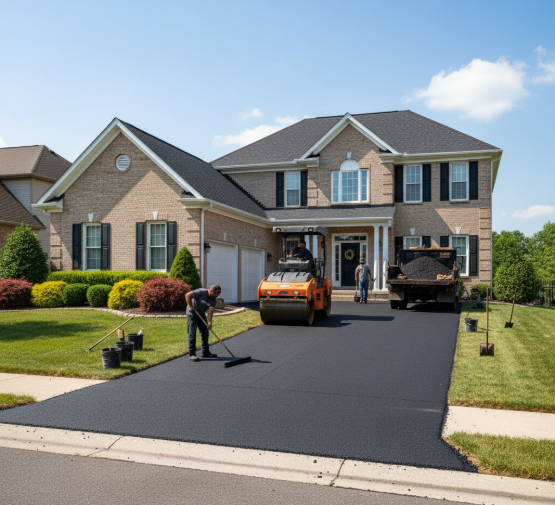
The Homeowner’s Guide to Asphalt Driveway Maintenance
When your asphalt driveway was brand new, it probably looked like something out of a home magazine - jet black, perfectly smooth, and adding instant curb appeal. Fast forward a few years, and maybe you’ve noticed a few cracks, a pothole that seems to grow every time it rains, or that faded gray look that makes the whole house feel older.
We partnered with a home improvement company for this post. The opinions in the post are honest. All reviews and opinions expressed in this post are based on our personal views. We are excited because we know you will love it.
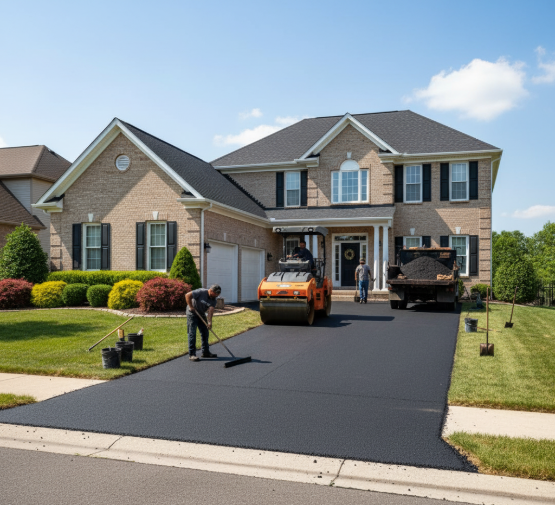
When your asphalt driveway was brand new, it probably looked like something out of a home magazine - jet black, perfectly smooth, and adding instant curb appeal. Fast forward a few years, and maybe you’ve noticed a few cracks, a pothole that seems to grow every time it rains, or that faded gray look that makes the whole house feel older.
Here’s the truth: asphalt driveways don’t stay beautiful on their own. They need a little love and care - much like your car or your lawn. The good news? With the right approach, you can keep your driveway looking sharp and lasting 20 years or more.
Why Maintenance Is Worth Your Time
Neglected asphalt breaks down faster than you’d think. Sunlight dries it out, rain seeps in and erodes the base, and oil drips from your car leave stains that never seem to fade. What starts as a small crack can quickly turn into a spiderweb of damage or a full-blown pothole.
Regular upkeep does more than save you money on repairs - it protects your home’s value, keeps your property safe, and makes pulling into your driveway every day feel good instead of frustrating.
The Essentials of Driveway Care
Think of asphalt maintenance as three main habits: cleaning, sealing, and fixing problems early.
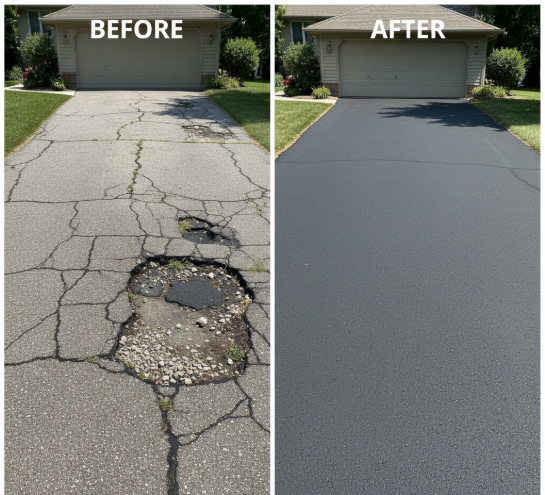
Clean and inspect. A quick sweep now and then keeps debris from collecting, while a once-a-year power wash clears out oil stains and grit. The real trick? Do a walk-around after heavy rain. If you see puddles, water’s already finding weak spots.
Sealcoat every few years. This is like sunscreen for your driveway. A fresh seal every two to three years protects the surface from UV rays, rain, and chemical spills, while restoring that rich black color. Homeowners can DIY this, but professionals get longer-lasting, more even results.
Fix small cracks before they grow. A half-inch crack may not seem like much, but once water sneaks in, it’s game over. A bottle of rubberized crack filler from the hardware store is usually enough to stop the spread. For potholes, small ones can be patched, but if the damage looks like “alligator skin,” it’s time to call in the pros.
Seasonal Driveway Tips
Every season brings its own challenges. In winter, swap metal shovels for plastic and use asphalt-friendly de-icers. Spring is the time to check for new cracks and schedule sealcoating if needed. Summer heat brings oil leaks - catch them early. And in the fall, keep leaves cleared so they don’t trap moisture.
When It’s Time to Call the Experts
DIY maintenance goes a long way, but there’s a point when professional help pays for itself. If you’ve got widespread cracking, drainage issues, or a driveway that hasn’t been sealed in more than five years, a contractor can restore structure and strength before replacement becomes the only option.
The Cost of Doing It Right
Crack filling might run you a few dollars a foot, and sealcoating usually costs pennies per square foot. Compare that to a full replacement - often between $4,000 and $10,000 - and you’ll see why maintenance is money well spent.
Wrapping It Up
Your driveway is more than just a place to park. It’s part of your home’s first impression, a safeguard against wear and tear on your vehicles, and - when cared for properly - an investment that pays off year after year. A little attention now means fewer headaches later, and it keeps your home looking every bit as sharp as the day you moved in.
So the next time you’re tempted to ignore that little crack or chalky gray surface, remember: your driveway’s not asking for much. Just a clean sweep, a fresh coat now and then, and a watchful eye. Do that, and it’ll serve you faithfully for decades.
Want to learn more? Check out of our asphalt paving services.

First Impressions Start at the Driveway — Here’s How to Make Yours Count
When you think of home upgrades that elevate a property, kitchens and bathrooms usually take the spotlight. But there is one essential feature that quietly sets the tone before anyone even steps inside: the driveway.
We partnered with a home improvement company for this post. The opinions in the post are honest. All reviews and opinions expressed in this post are based on our personal views. We are excited because we know you will love it.

When you think of home upgrades that elevate a property, kitchens and bathrooms usually take the spotlight. But there is one essential feature that quietly sets the tone before anyone even steps inside: the driveway.
It is the first surface guests and delivery drivers encounter. It frames your home's exterior and gives hints about the care and organization inside. Yet, this practical space is often overlooked. Even though a smart driveway upgrade can dramatically enhance curb appeal and simplify everyday life.
In this article, we will explore why your driveway deserves more attention. Moreover, how upgrading it can boost both beauty and everyday functionality.
So, without further delay, dive in!
Why Your Driveway Matters More Than You Think
According to the National Association of Realtors, even small enhancements like paver overlays or garden borders can elevate the look of a home’s exterior. Think back to a home you admired from the street. Was the driveway cracked and stained, or did it blend seamlessly into the landscape?
A clean and organized driveway creates visual harmony and communicates a sense of order. It can guide vehicles smoothly, keep kids safe while they play, and even prevent muddy footprints from reaching your floors. For busy households managing scooters, strollers, and gardening gear — that matters.
Pavers vs. Concrete: Which One Should You Choose?
Traditional concrete slabs may be the default. But they come with downsides: cracking, staining, and costly repairs. Paver driveways, by contrast, are made of individual interlocking stones placed on a compacted base. Thus making them stronger than concrete.
Some key advantages of pavers include:
Flexibility: They adapt to ground movement, reducing cracks.
Easy maintenance: Damaged sections can be replaced individually.
Durability: Quality installations last for decades with minimal upkeep.
Moreover, trusted companies like Viking Pavers back their work with a lifetime materials warranty and many years of workmanship coverage. Many designs also use permeable pavers, which absorb rainwater and prevent puddles. This is a bonus for both safety and sustainability.
And the design options? Endless. From natural stone to brick, and patterns like herringbone or basketweave, pavers offer creativity that concrete simply can not match.
Design a Driveway That Works for You
Upgrading your driveway is more than changing the surface. In fact, it is a chance to rethink how the space functions for your day-to-day needs. Some ideas to consider:
Define Zones: Use different colors or patterns to visually separate areas. For example, parking spots, walking paths, or even play zones. It makes the layout more intuitive and organized.
Add Lighting: Low-voltage LEDs along the edges enhance nighttime visibility and ambiance.
Landscaping Integration: Add raised flower beds, ornamental grasses, or even a seating bench near the entryway.
Multipurpose Use: A flat, open driveway can become an activity zone for kids. It is perfect for bike rides, chalk art, or casual outdoor play when the car's not parked.
Smarter Drainage: Permeable pavers help manage runoff and protect your foundation during heavy rains.
With thoughtful planning, your driveway can serve as both a functional surface and a visual feature.
Choose the Right Installation Partner
The success of your paver driveway depends largely on professional installation. Proper excavation, drainage grading, and base preparation are critical. Look for a contractor who:
Offers transparent pricing.
Has a solid portfolio of work.
Provides warranties on materials and labor.
Additionally, choose contractors who are known for precision craftsmanship and customizable designs that connect seamlessly with patios, walkways, and landscape features. Moreover, some professionals offer a modular approach, which also makes future additions easy. For example, expanding a parking area or linking the driveway to a backyard space.
The Payoff: More Than Just Looks
At the end of the day, a driveway is not just where you park — it is where your home's story begins. A well-crafted driveway will bestow the following features:
Reduces dirt and debris tracked indoors.
Improves safety for pedestrians and drivers.
Enhances your home's overall appearance and resale value.
Paired with a few thoughtful touches, such as a statement mailbox, some greenery, or new lighting, your driveway can completely transform how your home is seen and experienced.
To Sum It All Up!
Next time you pull into your driveway, do not just see it as pavement. Imagine what a well-designed, interlocking surface could become — a clean canvas, a play zone, a polished entryway. With the right upgrade, the most overlooked part of your property might just become your favorite.
Last but not least, whether you are aiming for elegance, organization, or long-term value, this change turns an often-overlooked strip of pavement into a standout feature of your home.

Why Your Driveway Deserves More Attention (and How to Get It Right)
When most homeowners think about home improvement, they picture new kitchens, shiny bathroom fixtures, or that dream deck out back. Yet the first part of your home guests and delivery drivers encounter, the driveway and front walkway, is often overlooked.
We partnered with a home improvement company for this post. The opinions in the post are honest. All reviews and opinions expressed in this post are based on our personal views. We are excited because we know you will love it.
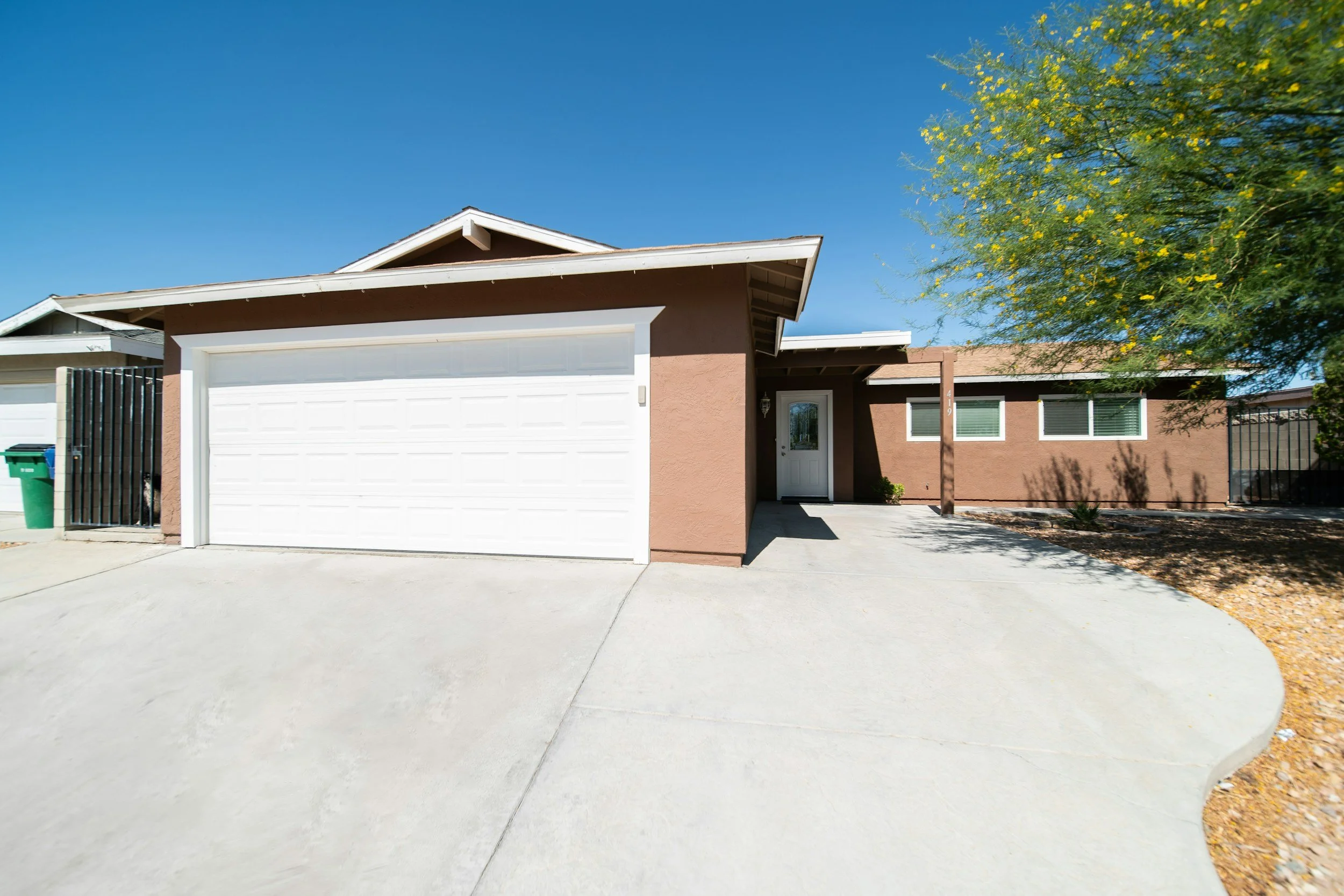
When most homeowners think about home improvement, they picture new kitchens, shiny bathroom fixtures, or that dream deck out back. Yet the first part of your home guests and delivery drivers encounter, the driveway and front walkway, is often overlooked.
A well‑designed entrance not only boosts curb appeal but also influences safety, drainage, and long‑term maintenance. Whether you have kids riding bikes or clients dropping by for a home‑based business, your driveway needs to withstand daily wear while looking inviting.
In this guide, we’ll explore how to design and maintain a driveway that suits modern family life. We'll discuss planning considerations, finishing options, and easy maintenance routines.
Planning Your Driveway Upgrade
Assess how you use the space. Before committing to a new design, think about the day-to-day demands on your driveway. Do you need more room for an extra car? Is it tricky to back out without hitting the curb? Small layout decisions now prevent bigger frustrations later.
Factor in climate and soil. Driveways aren’t one-size-fits-all. In wetter regions, proper grading and drainage are critical to avoid pooling water or erosion. Local knowledge makes a difference here, which is why homeowners often look for contractors who understand the soil conditions specific to their area.
Choose materials that balance form and function. Concrete driveways remain a favorite because they’re durable, low-maintenance, and cost-effective. With the right approach, they can also complement your home’s style through finishes like stamping or coloring. Teams such as BSR Renovations specialize in using quality materials and modern techniques to ensure the result holds up against heavy daily use while still looking welcoming.
Choosing a Finish That Fits Your Style
One misconception about concrete is that it must be dull gray. Advances in decorative concrete offer a wide range of finishes:
Stamped patterns. Mimic brick, slate, or even wood by imprinting textures into freshly poured concrete. This adds character without the maintenance of actual stone.
Colored concrete. Pigments can be mixed into the concrete or applied to the surface, adding visual interest and complementing your home’s exterior.
Stained finishes. Acid stains create translucent, variegated tones ideal for patios and walkways.
Broom finish. A simple textured surface that provides traction during wet weather.
Polished surfaces. For garages and modern interiors, polishing existing concrete creates a glossy, easy‑to‑clean floor.
Your chosen finish should reflect how you use the space. For instance, families with young children might prefer a textured finish for better grip, while those hosting outdoor parties could opt for a decorative stamped pattern that looks like natural stone.
Putting Safety and Longevity First
Even the most beautiful driveway is useless if it fails prematurely. Here are some best practices to ensure longevity:
Hire qualified professionals. Experienced contractors know how to prepare the base, reinforce the slab, and finish concrete correctly. Proper installation is the foundation of a driveway that lasts decades.
Think about load capacity. Residential driveways are usually built to handle cars and light trucks, not heavy construction vehicles. If you expect frequent, heavier loads, let your contractor know—extra reinforcement or thicker concrete may be required.
Schedule regular inspections. Look for early warning signs like hairline cracks, uneven settling, or water pooling along the edges. Addressing small issues early often prevents costly repairs later. Professional resurfacing or polishing can also refresh older concrete before major damage sets in.
Seal to prevent damage. A quality sealer applied every few years protects against stains from oil, salt, and chemicals, while also reducing the risk of water penetration during freeze–thaw cycles.
Mind your edges and drainage. Edging strips help keep grass roots from pushing into the concrete, while proper slope and drainage channels prevent water from eroding the base underneath.
Plan for seasonal care. In colder climates, avoid harsh de-icing salts that eat into the surface. Opt instead for sand or calcium-based products, which provide traction without compromising the concrete’s structure.
Low‑Maintenance Tips for Households
Homeowners juggling work, kids, and social obligations don’t have time for laborious upkeep. The good news is that concrete driveways require minimal care if you follow a few simple habits:
Sweep or rinse regularly to remove debris that can cause staining or abrasion.
Address spills immediately—especially oil and automotive fluids. A small spill left untreated can create a permanent mark.
Avoid heavy equipment unless your driveway is rated for it. Parking a moving truck or construction vehicle on a residential driveway can cause cracking.
Plan for winter. In cold climates, use plastic shovels and avoid salt that can damage concrete. Sand provides traction without harming the surface.
Conclusion
Your driveway and front walkway are the red carpet to your home. By investing a bit of time in planning, choosing the right finish, and scheduling basic maintenance, you can create an entrance that’s both beautiful and functional. Working with skilled professionals ensures your driveways stand the test of time, while decorative options like stamped or coloured concrete add personality without sacrificing durability. A welcoming entrance sets the tone for visitors and makes every arrival at your house feel a little more special.

DIY Home Parking Lot Ideas for Every Budget and Layout
A home parking lot may not be the flashiest feature of your property, but it can make a big difference in your daily life and your home's value. Whether you’re building from scratch, revamping an old driveway, or expanding space for multiple cars, getting the design right matters.
We partnered with a home improvement company for this post. The opinions in the post are honest. All reviews and opinions expressed in this post are based on our personal views. We are excited because we know you will love it.
A home parking lot may not be the flashiest feature of your property, but it can make a big difference in your daily life and your home's value. Whether you’re building from scratch, revamping an old driveway, or expanding space for multiple cars, getting the design right matters.
Homeowners often overlook this functional space, but with a little planning and creativity, your parking area can be both convenient and visually appealing. Let’s break down the essentials, share smart tips, and help you build a parking lot that fits your needs and looks great doing it.
Planning Out What You Need
Before you start picking materials or calling a contractor, take a step back and ask: What exactly do I need from this space?
For some, a simple two-car pad is enough. Others may need room for an RV, a guest vehicle, or even an electric vehicle charging station. Consider your household size, your lifestyle, and your plans. If you’re thinking of selling in a few years, that should factor into your design as well.
Once you've nailed down your practical requirements, think about aesthetics. Will the parking lot be visible from the street? Should it complement the design of your home or landscaping?
Make a quick sketch, even a rough one. It’ll help you visualize the space and spot any potential issues with the turning radius, garage alignment, or entry paths. Want help sketching things out? Try free online tools like Planner 5D or RoomSketcher to draft your layout.
This simple step can help prevent costly mistakes and streamline your planning process, if you're trying to balance function with style in your driveway design.
Choosing Materials That Look Good and Last
This is where a lot of people get overwhelmed, but picking your parking lot surface is easier when you break it down into key categories: durability, maintenance, cost, and curb appeal.
Concrete is a favorite for its clean look and long lifespan. It’s low-maintenance but comes with a higher upfront cost. You can upgrade it with staining or stamping for a custom look.
Asphalt is more budget-friendly and faster to install. It needs sealing every few years, but it's great for colder climates because it handles freezing temperatures better.
Gravel works well for rural properties or larger lots. It’s inexpensive and easy to repair, though it can be messy and less polished in appearance.
Permeable pavers are gaining traction with eco-conscious homeowners. They allow water to drain through, reducing runoff, and come in attractive patterns and colors.
Mixing materials is also a smart way to define zones or add flair, like a gravel edge with a concrete core. These combinations are often used in modern driveway ideas to blend form and function.
Lighting Makes a Bigger Difference Than You Think
People often forget about lighting, but it’s crucial if you come and go after dark.
Install low-voltage LED path lights or motion-activated overhead fixtures to make nighttime parking safer and more inviting. Solar-powered options are energy-efficient and easier to install than wired lights.
For a premium touch, consider ground-level inlays or bollard lights that blend with your landscape. Good lighting adds ambiance, deters intruders, and helps guests find your home more easily.
Smart Drainage Keeps You Out of Trouble
Water pooling in your parking lot? That’s not just annoying, it’s a sign of bad design.
Plan for drainage right from the start. Your lot should slope gently (about 2% grade) away from your house. Use swales, gravel trenches, or French drains to channel water where it can be safely absorbed or redirected.
If you’re paving near trees, consider how runoff might affect their roots or how roots might eventually push through your pavement. Working with a professional can help you anticipate these issues before they become expensive repairs.
Don’t Ignore the Landscaping Around It
A parking lot surrounded by nothing but concrete feels stark and out of place. Soften the look with smart landscaping.
Use native plants, shrubs, or even a decorative border of river stones to tie the parking area into the rest of your yard. A small retaining wall or raised bed can separate parking from other parts of the yard, adding structure and visual appeal.
If you want extra privacy, tall grasses or a hedge can act as a natural barrier between the lot and your home or between you and the street.
Small Touches Make a Big Impression
Little details go a long way in making your home parking lot stand out.
Think about adding a stamped border, painted lines, or a personalized house number plate embedded into the pavement. Even a simple feature like a small bench or decorative post can elevate the space.
These touches not only boost curb appeal but make the space feel more intentional like it’s part of the home, not just tacked on as an afterthought.
What If You’re Working With Limited Space?
Not everyone has the luxury of a wide-open yard, but that doesn’t mean you can’t design a functional, stylish parking area.
Try using angled parking or shared access paths that double as walkways. If your driveway also serves as your main entryway, combine it with a welcoming path of pavers or decorative gravel.
You can also use vertical elements like trellises, small pergolas, or climbing vines to give the illusion of depth and structure in tight areas.
These tricks are especially useful in DIY home parking projects where maximizing small spaces is key.
Thinking About Resale? Design With Value in Mind
A well-designed parking area isn’t just a convenience, it’s a real asset. Buyers appreciate good parking, especially in urban or suburban areas where space is at a premium.
Companies like Myers House Buyers often point out how details like a clean driveway or ample parking can boost your home’s appeal and even its price tag. A smartly designed lot signals that the entire property is well cared for.
So even if you're not planning to sell anytime soon, keep future buyers in mind when making design choices.
Easy Upgrades You Can Do This Weekend
Not ready for a total overhaul? No problem. Here are some quick weekend projects that can improve your parking area without major costs:
Pressure wash the pavement to remove stains and bring back brightness.
Add a fresh layer of gravel to even out a worn surface.
Paint curbs or edges with reflective paint for better visibility at night.
Install planters or solar lights to make the space more welcoming.
Seal cracks to prevent water damage and extend the life of your surface.
Simple DIY home parking improvements like these can enhance your space fast.
Build a Space That Works for You
Your home parking lot might not be where you sip coffee or host parties but it’s still a big part of your home’s function and first impression.
With the right design choices, materials, and a few personal touches, you can create a space that works beautifully with your lifestyle and adds long-term value to your property.
Whether you're aiming for a modern driveway idea or a low-key, functional layout, make it reflect your needs and your home's personality.
And hey, when your guests pull up and comment on how clean and well-lit everything looks? That’s the sign of a job well done.