
How to Organize a Home Gym That Actually Motivates You
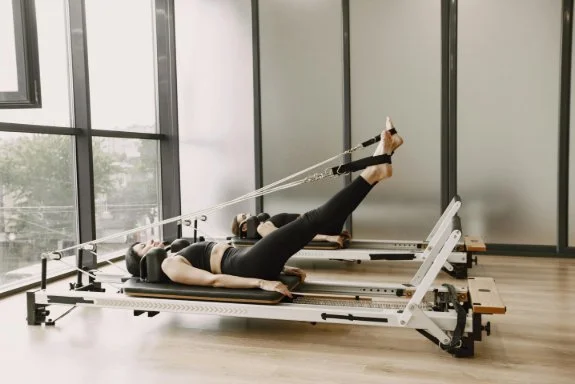
A home gym sounds motivating in theory. You don’t have to waste time commuting; you just roll out of bed, and you’re ready to hit a new PR before the second breakfast is even ready. But the reality is a bit different. When a home gym is designed without care, the space can directly affect your motivation, making you avoid your workouts rather than fuelling them. This is why every design choice matters: it makes you either step into the room with a sense of purpose or quietly shut the door and promise tomorrow instead.
Start With the Feeling You’re Trying to Evoke
A home gym that works does not begin with buying things, even though the internet insists otherwise. Motivation grows from the atmosphere and from the feeling that the room is on your side and not judging you for missing leg day last week. Following that logic, the most effective home gym is the one that’s organised around how movement feels, not how impressive the setup looks in a photo.
Your brain will stop searching for more entertaining alternatives when your fitness space starts feeling calm, intentional, and slightly inviting. That is why clutter is the first motivation killer. Equipment that does not serve a clear purpose should not live in the room, because every unnecessary object quietly drains energy before a workout even begins.
Design Around Real-Life Workouts
It is natural to want to make your home gym look like a professional fitness centre. But any gym accommodates hundreds of people a day; this one should accommodate you and your family only. That means it should be designed around your real-life workouts, not an ideal routine that only exists during highly motivated weeks.
Flooring should match the type of movement being done, because slipping or discomfort breaks momentum fast. For those investing in advanced leg exercise machines, placement matters more than brand. These machines need space to move safely, but also need to feel integrated rather than intimidating, otherwise they become expensive coat racks.
Give the Room a Clear Job

A space that tries to be everything usually becomes nothing. A home gym should not also be a dumping ground for suitcases, winter coats, or that chair everyone avoids throwing out. When a room has a clear role, the brain switches modes more easily.
Walking into this space should signal movement and effort, even on low-energy days. That signal becomes stronger when the room layout makes sense, with zones that reflect how workouts actually happen. Cardio areas benefit from openness, while strength areas feel better when grounded and stable.
Let Storage Do the Heavy Lifting
Motivation quietly lives inside convenience. You want the equipment to be easy to grab and easy to put away. This will subtly make your workouts feel lighter before they even begin. For that, you’ll need wall-mounted racks, vertical storage, and some type of closed cabinets. These storage options all reduce visual noise, making your home gym look both flawless and functional.
Frequently used items deserve the easiest access. These are usually dumbbells and things like cable attachments. Specialty tools like spare barbell clamps or belts can live higher or further away. This matters more than it sounds. A kettlebell that requires moving three boxes first will be skipped more often than admitted.
Make Progress Visible, Not Loud
Tracking progress can be a great motivator, but it doesn’t have to be aggressive or public to be effective. Subtle visual cues work better over time. A whiteboard with a few key numbers, a calendar with crossed-off days, or even neatly organised equipment that reflects strength gains all reinforce consistency.
The goal is quiet reinforcement, not pressure. Because once you make your progress visible, motivation will start to feel earned rather than demanded. This approach suits long-term fitness far better than hype-driven setups that burn bright and fade fast.
Let the Space Evolve When Necessary
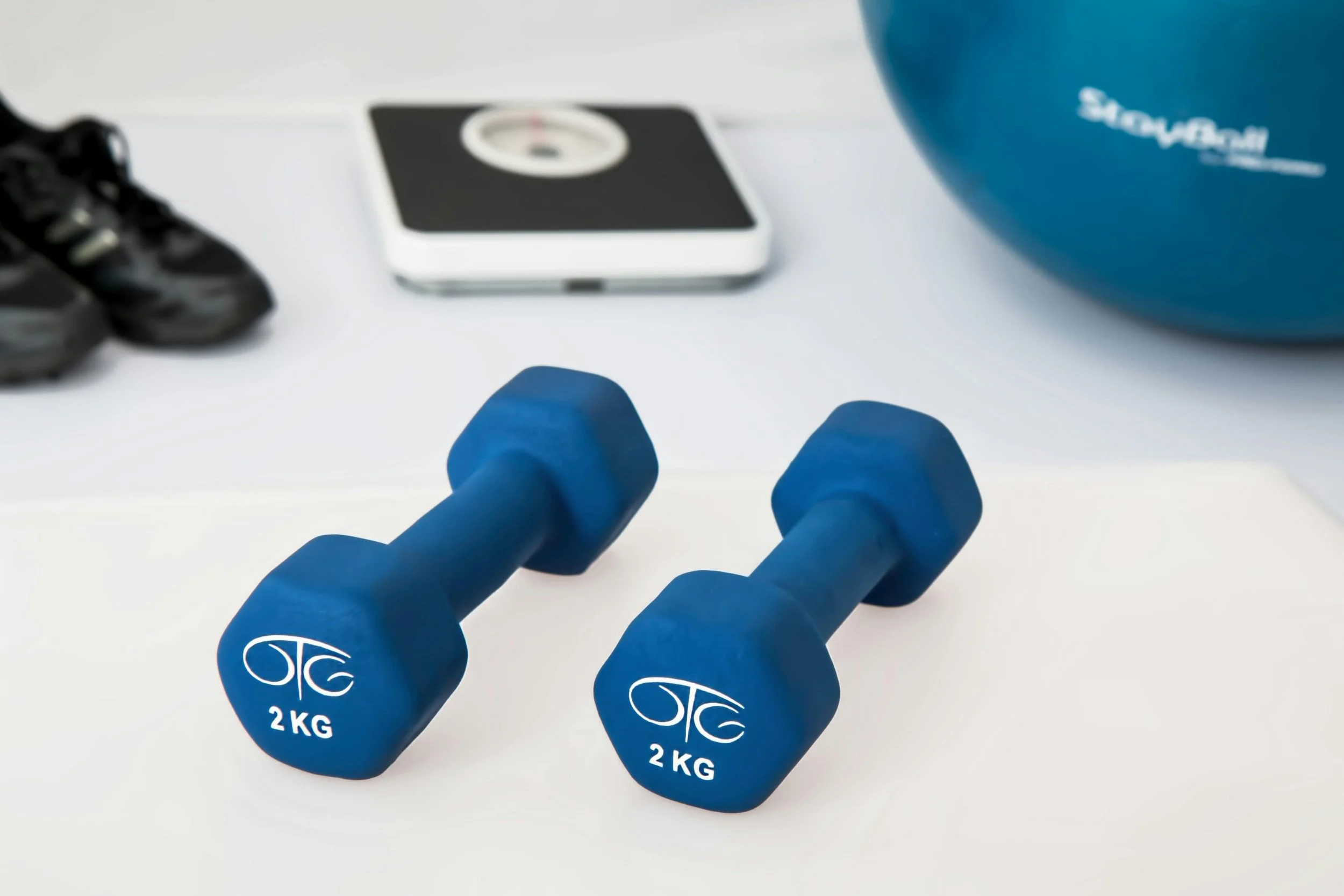
The most successful home gyms are not static. They evolve as goals change, injuries happen, or interests shift. You should allow for that flexibility without shame.
Removing equipment that no longer serves a purpose may be hard, but you need to remind yourself that this is not a failure. Your motivation will stay alive when the space continues to reflect the present version of yourself, not an outdated version of ambition. Remember, a gym that adapts remains relevant, and relevance is what will keep you coming back.
Conclusion
A well-organised home gym does not shout or perform. It quietly supports effort, reduces resistance, and meets people where they are. When the way you organise your gym aligns with real life, motivation stops being something to chase and starts being something that shows up.