

A resource for those seeking information on organizing and transforming spaces.
How to Organize a Home Gym That Actually Motivates You
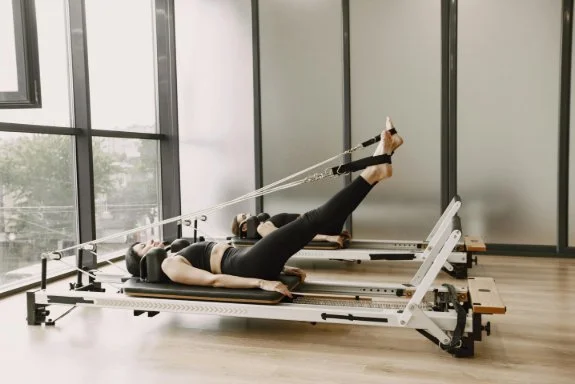
A home gym sounds motivating in theory. You don’t have to waste time commuting; you just roll out of bed, and you’re ready to hit a new PR before the second breakfast is even ready. But the reality is a bit different. When a home gym is designed without care, the space can directly affect your motivation, making you avoid your workouts rather than fuelling them. This is why every design choice matters: it makes you either step into the room with a sense of purpose or quietly shut the door and promise tomorrow instead.
A home gym sounds motivating in theory. You don’t have to waste time commuting; you just roll out of bed, and you’re ready to hit a new PR before the second breakfast is even ready. But the reality is a bit different. When a home gym is designed without care, the space can directly affect your motivation, making you avoid your workouts rather than fuelling them. This is why every design choice matters: it makes you either step into the room with a sense of purpose or quietly shut the door and promise tomorrow instead.
Start With the Feeling You’re Trying to Evoke
A home gym that works does not begin with buying things, even though the internet insists otherwise. Motivation grows from the atmosphere and from the feeling that the room is on your side and not judging you for missing leg day last week. Following that logic, the most effective home gym is the one that’s organised around how movement feels, not how impressive the setup looks in a photo.
Your brain will stop searching for more entertaining alternatives when your fitness space starts feeling calm, intentional, and slightly inviting. That is why clutter is the first motivation killer. Equipment that does not serve a clear purpose should not live in the room, because every unnecessary object quietly drains energy before a workout even begins.
Design Around Real-Life Workouts
It is natural to want to make your home gym look like a professional fitness centre. But any gym accommodates hundreds of people a day; this one should accommodate you and your family only. That means it should be designed around your real-life workouts, not an ideal routine that only exists during highly motivated weeks.
Flooring should match the type of movement being done, because slipping or discomfort breaks momentum fast. For those investing in advanced leg exercise machines, placement matters more than brand. These machines need space to move safely, but also need to feel integrated rather than intimidating, otherwise they become expensive coat racks.
Give the Room a Clear Job

A space that tries to be everything usually becomes nothing. A home gym should not also be a dumping ground for suitcases, winter coats, or that chair everyone avoids throwing out. When a room has a clear role, the brain switches modes more easily.
Walking into this space should signal movement and effort, even on low-energy days. That signal becomes stronger when the room layout makes sense, with zones that reflect how workouts actually happen. Cardio areas benefit from openness, while strength areas feel better when grounded and stable.
Let Storage Do the Heavy Lifting
Motivation quietly lives inside convenience. You want the equipment to be easy to grab and easy to put away. This will subtly make your workouts feel lighter before they even begin. For that, you’ll need wall-mounted racks, vertical storage, and some type of closed cabinets. These storage options all reduce visual noise, making your home gym look both flawless and functional.
Frequently used items deserve the easiest access. These are usually dumbbells and things like cable attachments. Specialty tools like spare barbell clamps or belts can live higher or further away. This matters more than it sounds. A kettlebell that requires moving three boxes first will be skipped more often than admitted.
Make Progress Visible, Not Loud
Tracking progress can be a great motivator, but it doesn’t have to be aggressive or public to be effective. Subtle visual cues work better over time. A whiteboard with a few key numbers, a calendar with crossed-off days, or even neatly organised equipment that reflects strength gains all reinforce consistency.
The goal is quiet reinforcement, not pressure. Because once you make your progress visible, motivation will start to feel earned rather than demanded. This approach suits long-term fitness far better than hype-driven setups that burn bright and fade fast.
Let the Space Evolve When Necessary
The most successful home gyms are not static. They evolve as goals change, injuries happen, or interests shift. You should allow for that flexibility without shame.
Removing equipment that no longer serves a purpose may be hard, but you need to remind yourself that this is not a failure. Your motivation will stay alive when the space continues to reflect the present version of yourself, not an outdated version of ambition. Remember, a gym that adapts remains relevant, and relevance is what will keep you coming back.
Conclusion
A well-organised home gym does not shout or perform. It quietly supports effort, reduces resistance, and meets people where they are. When the way you organise your gym aligns with real life, motivation stops being something to chase and starts being something that shows up.

Garage Gym Goals: How To Turn Your Garage Into A Performance Zone
Turning your garage into a home gym is a popular way to make fitness more convenient and consistent. Many people love the idea of getting ripped with the natural lighting and fresh air of an open garage door. Garages make good gyms because they tend to have a lot of open floor space, and you don’t have to worry about interrupting others in your house. If you want the ideal garage gym, however, you’ll need a solid plan. Here are a few tips to help you determine what you need and find the most efficient ways to get it.

Turning your garage into a home gym is a popular way to make fitness more convenient and consistent. Many people love the idea of getting ripped with the natural lighting and fresh air of an open garage door. Garages make good gyms because they tend to have a lot of open floor space, and you don’t have to worry about interrupting others in your house. If you want the ideal garage gym, however, you’ll need a solid plan. Here are a few tips to help you determine what you need and find the most efficient ways to get it.
Consider the Layout
Before you can start outfitting your space, you’ll need to choose a layout. Give yourself more space than you think you’ll need and include room to walk around or do floor exercises. If you have limited space, or if you need to move the equipment when it’s not in use, think about how you can make it safe to create the layout for each workout. Rely on wall storage and other features to allow you to grab what you need and put it back without hurting yourself or damaging the equipment.
Shop for Versatile Equipment
Commercial gyms might have every piece of equipment you can imagine, but you probably don’t have the space to do that. In order to fit in the kinds of workouts you want to do, you should choose equipment that can fulfill more than one purpose. Write down a list of the exercises you plan to do and then note the different ways you can achieve it. For smaller spaces, you might consider a cardio machine and smaller pieces of weightlifting equipment. This will maximize the number of activities you can do, without compromising their quality.
Ensure Adequate Lighting, Ventilation, and Electricity
While you’re working out, you will need to ensure that you can get through each exercise safely and effectively. If your garage is hooked up to your home’s electricity and HVAC, this will be pretty easy. If not, you should start by ensuring that you have access to adequate light and ventilation. Consider installing spotlights to help you see what you’re doing. Place a fan next to an open window for easy cooling. When you need power for cardio equipment or other devices, you should consult with an electrician to see your options for adding a circuit.
Choose Durable Flooring
For your exercise plans, you should choose flooring that will prevent slipping and ensure comfort. You can certainly work out on a concrete floor, but wet concrete can be slippery and a hard fall. Consider rubber mats to minimize the amount of noise and provide a cushion for bodyweight or floor exercises. If you need to stick to a tight budget, look at foam tiles to help you keep your grip and your balance without breaking the bank.
Install Efficient Storage
If you want the maximum amount of room to do your exercises, you’ll need an efficient storage plan. For almost any garage gym, floor space is at a premium. Fortunately, the walls and ceiling are available to simplify your storage. Consider wall storage systems to make it easy to organize and hang your weights. Add hooks, drawers, and organizers for smaller items like sweatbands or wipes. If you have very little floor space at all, look for equipment that you can pull down from the wall. This type of arrangement leaves the floor free, minimizes clutter, and reduces the likelihood that you’ll trip over something.
Designing your garage gym calls for some advance planning. By evaluating your space, choosing equipment for your fitness goals, and ensuring that you have storage, ventilation, and lighting, you can assemble the garage gym of your dreams.
Author bio: Billy Kim is President and Chief Operating Officer of HOIST® Fitness, a San Diego-based company that produces premium strength training products and exercise bikes for commercial and home markets. Kim plays a central role in guiding the company’s strategic direction and long-term growth. With over two decades at HOIST, he has been instrumental in transforming the business from primarily home-use equipment to a leader in the commercial fitness market. Kim leads the international sales efforts and oversees the company’s “direct” business, where HOIST sells into national accounts.
SOURCES
https://www.freshdesignblog.com/2024/12/your-perfect-garage-gym-step-by-step-creation-guide/
https://garageforce.com/2024/10/28/transforming-your-garage-into-the-ultimate-garage-gym-a-comprehensive-guide/

Home Gyms On A Budget: Stylish Fitness Spaces You Can Create Without Breaking The Bank
Creating a stylish and functional fitness space at home doesn’t have to break the bank. With thoughtful planning and creative ideas, homeowners can transform any corner of their living space into an inspiring workout zone without overspending. This guide offers actionable strategies to help you design a home gym that is both effective and aesthetically pleasing.

Creating a stylish and functional fitness space at home doesn’t have to break the bank. With thoughtful planning and creative ideas, homeowners can transform any corner of their living space into an inspiring workout zone without overspending. This guide offers actionable strategies to help you design a home gym that is both effective and aesthetically pleasing.
1. Choose the Right Location
The first step is identifying the best area in your home for a fitness space. While a spare room is ideal, don't overlook unconventional spots such as:
An empty corner in the living room
The garage or basement
A portion of the bedroom
Outdoor patios (weather permitting)
Look for areas with good ventilation and enough space for your preferred exercises.
2. Declutter and Repurpose Existing Furniture
Before purchasing any new equipment or furnishings, clear out unnecessary items from your chosen workout space. Repurpose existing furniture creatively:
Bookshelves: Store workout gear like dumbbells, resistance bands, and yoga mats
Old Ottomans or Benches: Can double as seating for weight exercises or storage compartments for fitness gear
Wall Hooks: For hanging jump ropes, resistance bands, or towels
Decluttering creates a cleaner, more open space and eliminates distractions.
3. Invest in Multipurpose and Compact Equipment
Choose compact and versatile fitness equipment that doesn't take up much space:
Resistance Bands: Affordable and perfect for strength training exercises
Adjustable Kettlebells: You can find adjustable kettlebells for sale that provide flexibility without needing a full kettlebell set
Yoga Mat: Essential for floor exercises, stretching, and meditation
Foldable Treadmills or Exercise Bikes: Ideal for small spaces and easy to store
Look for second-hand deals online or at local thrift stores to stretch your budget further.
4. Utilize Natural Light and Mirrors
Lighting plays a crucial role in creating an energizing atmosphere. Maximize natural light by placing your fitness area near windows or using sheer curtains to let sunlight in. Adding mirrors can enhance the space by:
Creating an illusion of a larger area
Helping you monitor your form during exercises
Reflecting light to brighten the room
If mirrors are outside your budget, consider peel-and-stick mirror tiles as a cost-effective solution.
5. DIY Flooring Solutions for Comfort and Safety
Proper flooring is essential for minimizing impact and providing stability. Instead of investing in expensive gym flooring, consider these budget-friendly options:
Foam Puzzle Mats: Affordable and easy to assemble for cushioning
Carpet Tiles: Can be placed over hard floors for added comfort
Area Rugs: Provide a softer surface for low-impact workouts
Ensure that your chosen flooring material is slip-resistant for added safety.
6. Personalize the Space with Decor and Motivational Elements
A personalized workout space can boost motivation and make exercise more enjoyable. Affordable decor ideas include:
Posters or Wall Decals: Motivational quotes or images for inspiration
Plants: Add greenery for a refreshing and calming vibe
DIY Storage Solutions: Customized storage with simple crates or baskets
Keep the decor minimal to maintain a clutter-free environment.
7. Incorporate Technology for Guided Workouts
You don't need a fancy home gym with built-in screens to enjoy guided workouts. Use your smartphone, tablet, or TV to stream fitness classes and tutorials. Budget-friendly mounting solutions can help keep devices at eye level for a more comfortable viewing experience.
8. Maintain Flexibility for Future Upgrades
As your fitness journey evolves, you may want to expand or upgrade your home gym. Design your space with flexibility in mind by:
Keeping furniture and equipment portable
Leaving room for additional gear
Prioritizing versatile storage solutions
Design a Home Gym That Keeps You Physically and Financially Fit
Designing a budget-friendly home fitness space is all about creativity, resourcefulness, and thoughtful planning. By choosing the right location, repurposing existing furniture, investing in compact equipment, and incorporating natural light, homeowners can create a functional and inspiring workout environment without overspending. With these practical tips, you can enjoy the convenience of working out at home while staying within your budget.
Author bio: Kent Nilson is a Copywriter and Blogger for Bells of Steel. He's been a CSEP Certified Personal Trainer since 2016, but his fitness journey began at age 13 — back when every workout was chest, shoulders and biceps.

5 Tips for Safely and Securely Relocating a Home Gym
Home gyms can be a worthwhile investment and a major convenience until it’s time to relocate. Because gym equipment tends to be heavy, large, and expensive, you must take a careful approach to avoid hurting yourself or damaging your belongings during your big move. Here are five tips for safely and securely relocating a home gym.
Dissemble Bulky Pieces
Before you think about lifting those hefty gym machines, take some time to disassemble any bulky equipment. Treadmills, ellipticals, and weight benches often have removable parts that make them easier to transport. Grab your owner's manual or search online for instructions on how to safely disassemble your equipment. Doing so will make these items lighter and more manageable but also reduce the risk of damage during the move.
Secure Loose Parts
It's important to keep the smaller parts of your gym gear organized and secure. Secure any moving parts, like arms or pedals, with strong tape or zip ties to prevent them from swinging around and causing damage. Make sure to bundle and label any equipment cables to avoid tangling and confusion later on. It only takes a few minutes to secure these parts, but it can save you a lot of hassle in the long run.
Invest in Quality Moving Supplies
Using high-quality moving supplies can make a big difference when transporting gym equipment. Strong boxes, bubble wrap, and moving blankets are essentials for protecting your gear. Sturdy moving straps can provide extra support when lifting heavy items. Investing in the right supplies will minimize the risk of damage and make your move less stressful.
Protect Your Walls and Floors
Your gym gear isn’t the only thing that needs protection during a move. Heavy equipment can easily scratch walls and floors if you're not careful. Use furniture sliders to glide heavier items across floors to avoid scuff marks or dents. When navigating tight spaces, pay special attention to corners and door frames, using towels or padding to shield them from bumps and scrapes.
Hire Professional Movers
Sometimes, the safest option is to hire professionals to move your gym equipment. Moving companies have the expertise and tools to transport heavy and complex items safely. If your equipment is particularly large or valuable, professionals can offer you peace of mind, knowing that your prized gear will reach your new home without a hitch. While hiring movers is an investment, it pays off in terms of safety and convenience.
Moving your home gym doesn’t have to be a workout. By following these tips, you can ensure a smooth transition for you and your fitness equipment. Start planning today to make your relocation as seamless as possible!