
Smart Winter Home Maintenance Checklist
We partnered with a home improvement company for this post. The opinions in the post are honest. All reviews and opinions expressed in this post are based on our personal views. We are excited because we know you will love it.
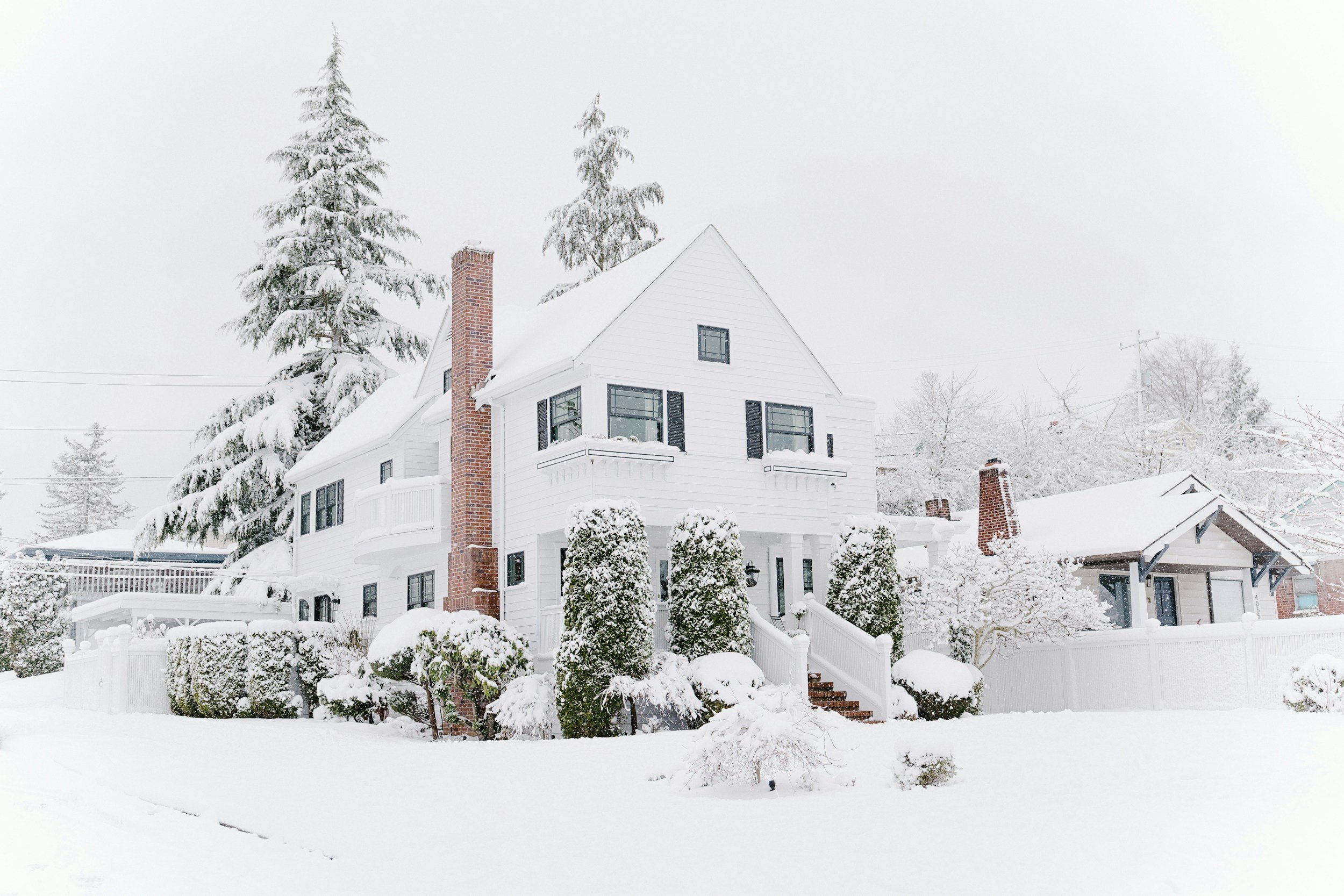
Winter puts more strain on a home than any other season, and small issues can escalate quickly once temperatures drop. A smart winter home maintenance checklist helps homeowners stay ahead of heat loss, moisture problems, and system failures before they become emergencies. From airflow and insulation to boiler maintenance and overall heating reliability, preparing early is the difference between steady comfort and mid-winter breakdowns.
What a Winter Home Maintenance Checklist Should Include
A strong winter home maintenance checklist isn’t just a list of tasks, it’s a risk map of what can shut your house down when temperatures drop. The best checklists prioritize systems that fail silently before they fail completely, focusing on heating performance and heat distribution, airflow and insulation effectiveness, heating maintenance, moisture control, and pressure points like pipes, vents, and seals that react badly to freeze–thaw cycles. Condensation causes more winter damage than snow, which makes moisture management just as critical as the furnace or boiler, while backup readiness matters for extreme cold events or power interruptions. Instead of treating winter maintenance as a once-and-done chore, an effective winter home maintenance checklist highlights systems under the most stress and flags areas to monitor throughout the season. The goal isn’t surface-level upkeep, but preventing small issues from turning into mid-winter failures by understanding how heat moves through the home, where cold air enters, and which areas are most vulnerable during prolonged cold spells.
Tips For Winterizing Your Home
The most important winterization work happens before the first real cold snap, not after. Once temperatures drop, small weaknesses turn into emergency repairs, which is why home winterization tips should be completed before temperatures regularly fall below freezing, while materials and systems are still flexible and easy to work with. This includes sealing air leaks before insulation is tested by cold pressure, addressing water exposure points while pipes are still flexible, testing heating systems as part of early winter heating maintenance rather than during peak demand, and verifying drainage paths so melting snow doesn’t refreeze where it shouldn’t. Homeowners who wait until winter starts often end up fixing symptoms instead of causes, while early winter maintenance reduces emergency repairs and saves more money than mid-season fixes.
HVAC Winter Maintenance for Reliable Heating
Reliable winter heating depends less on the furnace or heat pump itself and more on how evenly and efficiently heat moves through the home. Proper HVAC winter maintenance goes beyond simply making sure the system turns on; it includes confirming airflow balance so no room overworks the system, ensuring combustion, electrical, or heat pump components are operating within safe ranges, and addressing furnace maintenance needs, checking controls and sensors that regulate temperature accuracy, and verifying that exhaust and intake paths remain clear in snow and ice conditions. Effective winter HVAC maintenance supports consistent performance during long run times and helps prevent avoidable strain. A heating system doesn’t fail all at once, it loses efficiency first, then reliability. Regular HVAC winter maintenance catches that decline early and helps identify components that may struggle during extended cold periods.
How Winter Heating Maintenance Prevents Breakdowns
Most winter breakdowns don’t happen because a part suddenly “dies.” They happen because stress exposes a weakness that already existed. Winter heating maintenance helps prevent breakdowns by reducing system strain before peak demand hits, especially as cold weather forces systems to run longer and cycle more frequently. This includes reducing startup strain during frequent on-off cycles, catching restricted airflow before motors overheat, identifying worn components before extreme cold demands peak output, and preventing safety shutoffs caused by sensors detecting abnormal conditions. In short, consistent winter heating maintenance lowers the workload on the system, and systems fail fastest when they’re overworked in freezing temperatures.
Often Overlooked Winter Maintenance Areas in Your Home
The most overlooked areas aren’t visible, and that’s the problem. Areas out of sight are often missed during winter maintenance, including crawl spaces and rim joists where cold air seeps in unnoticed, interior walls with plumbing that share exterior exposure, bathroom and kitchen exhaust paths that trap moisture in winter, and attics where insulation gaps contribute to ice dam formation below. These areas don’t announce problems until damage is already happening, which can lead to heat loss, frozen pipes, condensation, or ice buildup without obvious warning signs. A thorough winter home maintenance checklist brings these hidden risk zones into focus before winter conditions expose them.
Why Winter HVAC Maintenance Matters for Comfort and Efficiency
Comfort in winter isn’t just about warmth, it’s about consistency. Winter HVAC maintenance matters because comfort and efficiency are closely connected. A well-maintained system heats rooms evenly instead of creating hot and cold zones, runs longer, steadier cycles rather than short bursts that waste energy, maintains humidity balance that affects how warm air actually feels, and avoids sudden performance drops during the coldest days. When winter HVAC maintenance is handled properly, efficiency improves because the system doesn’t have to fight the home to maintain temperature, it works with it, reducing cold spots, temperature swings, and excessive energy use throughout the winter.
DIY vs Professional Winter Maintenance Tasks
Homeowners are well suited for ongoing monitoring and basic winter maintenance, while professionals handle calibration and safety. Routine tasks like replacing filters, monitoring temperature consistency from room to room, keeping vents, intakes, and exhausts clear, and watching for moisture buildup or unusual system behavior can be handled by homeowners. Professional service is needed for electrical, gas, or refrigerant components, airflow measurements and system balancing, combustion safety checks, and advanced winter heating maintenance for furnaces or heat pumps. As a rule of thumb, if a task affects safety, pressure, or electrical systems, it’s not DIY and should be left to trained professionals.
When to Review Your Winter Home Maintenance Checklist
A winter home maintenance checklist shouldn’t live in a drawer. Winter conditions change, and homes respond differently as the season progresses, which is why a winter home maintenance checklist should be reviewed once before winter to prepare, again after sustained cold exposes weak points, and after major weather events like deep freezes or snowstorms. Reviewing the checklist multiple times turns winter maintenance into prevention instead of reaction and helps ensure systems continue to operate reliably throughout the season.