
Selling a House With Old Paperwork or Missing Record
We partnered with a real estate company for this post. The opinions in the post are honest. All reviews and opinions expressed in this post are based on our personal views. We are excited because we know you will love it.
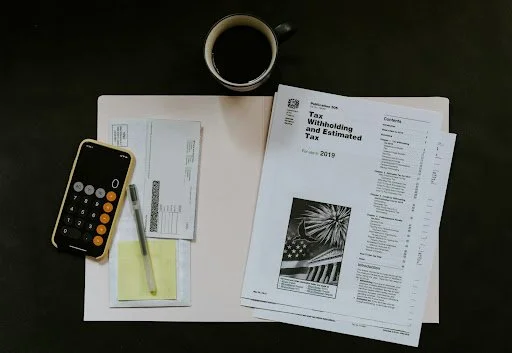
Selling a house can already feel stressful, and missing paperwork can make it even harder. Many homeowners deal with this problem when selling older homes, inherited properties, or houses bought years ago. Important documents like deeds, permits, and repair records may be lost, damaged, or never received. Buyers often want proof that a home is legally owned and properly maintained. When records are missing, the selling process can slow down. Still, with the right steps, a successful sale is possible.
Missing paperwork does not always stop a home from being sold. Some buyers focus more on the property’s condition than on documents. Others are willing to accept risk if the price feels fair. Clear communication helps reduce confusion. Honesty builds trust between sellers and buyers. Preparation makes the process smoother for everyone.
This guide explains why records go missing, how it affects buyers, and what sellers can do to move forward. It also covers helpful solutions for common paperwork problems. Each section focuses on a key part of the selling process. By the end, you will understand how to handle missing documents with confidence.
Why does paperwork go missing
Many homes change owners several times over the years. Each transfer increases the chance that records get lost. Older salespeople often used paper files instead of digital storage. Fires, floods, and moving can damage or destroy documents. Some records were never saved properly. Time plays a big role in missing paperwork.
Home improvements without permits also create gaps. Owners may build rooms, fences, or sheds without official approval. These changes stay undocumented for years. Buyers later ask for proof that the work followed local rules. Missing permits raise safety concerns. This makes buyers nervous. Inherited homes often come with missing records. Heirs may not know the property’s history. Family members may live in different places. Paperwork can be scattered or incomplete. Some files may never have existed. This makes selling more challenging.
How missing records affect buyers
Buyers worry about legal risks when the paperwork is incomplete. Unpermitted work can raise safety questions. Some areas charge fines for undocumented changes. Property line confusion also causes concern. Clear boundaries help buyers feel secure. Documentation reduces fear.
Lenders usually require detailed records for loan approval. Traditional buyers may walk away without them. Loan delays slow the selling process. Cash buyers show more flexibility. They focus more on the home’s condition. Faster deals often happen with cash offers. Clear explanations help calm buyer concerns. Honest answers build trust during negotiations. Transparency shows responsibility from the seller. Buyers feel more confident with open communication. Deals move forward more smoothly. Confidence supports final decisions.
Off-market selling choices
Some sellers choose direct buyers like Revival Homebuyers when paperwork issues feel overwhelming. These buyers often accept homes with missing records. They focus on property condition instead of full documentation. This helps sellers avoid long listing periods. Fewer steps reduce stress. Clear terms make decisions easier.
Direct buyers often skip traditional inspections. Loan approvals are not required. This saves time during the sale. Sellers avoid repair demands. Closings happen faster. Simplicity becomes the main benefit. This option suits owners who want quick results. Complicated paperwork issues feel manageable. The process stays clear. Sellers receive straightforward offers. Fewer delays improve confidence. Peace of mind matters.
Steps that help sellers move forward
Visiting the county recorder’s office helps recover missing deeds. Many older records are stored digitally now. Permit copies may also be available. Official documents increase buyer confidence. Legal proof adds security to the sale. Preparation saves time. Hiring an experienced real estate agent provides helpful support. These agents know how to explain record gaps clearly.
Buyer questions receive simple answers. Market knowledge helps with pricing. Proper guidance reduces stress. Professional support matters. A pre-sale inspection reveals hidden problems early. Fixing major issues improves the home’s appeal. Buyers feel safer during viewing. Closing delays decrease with fewer surprises. Communication stays open. Trust remains strong.
Special issues with inherited homes
Selling an inherited house often includes missing records. Heirs may lack repair history documents. Permit files may not be available. Ownership details can feel confusing at first. Family members may live far away. Coordination becomes difficult. Probate or estate documents confirm legal ownership. These records prove the right to sell. Local offices may provide older files.
Title companies trace ownership history carefully. Legal status becomes clear through research. Confidence improves. Clear disclosure keeps buyers informed. Transparency prevents future disputes. Buyers appreciate honest information. Risks feel manageable with clarity. Sales move forward smoothly. Peace of mind grows.
Permit problems and home value
Unpermitted work can lower a home’s value. Buyers worry about safety risks. Legal penalties may apply in some areas. Insurance concerns also arise. Documentation adds protection for buyers. Value depends on clarity. Some areas allow retroactive permits. This process takes time. Fees may apply. Inspections may be required. Proper permits improve buyer confidence. Value often increases afterward. Pricing can reflect permit risks. Cash buyers often accept these homes. As-is sales move faster. Repairs stay optional for sellers. Simplicity attracts more interest. Results improve with fair pricing.
Legal protection during the sale
Title companies protect sellers from future claims. Title insurance covers unknown ownership issues. Legal safety improves with coverage. Property risks decrease through verification. Protection matters for peace of mind. Security stays strong. Clear contracts explain the seller and buyer responsibilities. Both sides understand the risks. Disputes decrease with written agreements. Expectations stay fair. Trust grows through clarity. Agreements remain strong. Professional guidance supports successful sales. Legal experts provide helpful clarity. Organization improves outcomes. Paperwork stays accurate. Confidence remains strong. Security matters.
Closing thoughts on selling with missing records
Selling a house with old paperwork or missing records does not mean failure. Many homeowners complete successful sales through preparation. Buyers value transparency and fair pricing. Clear communication builds confidence. Support from professionals reduces risk. The right steps lead to success.