
Top Mistakes People Make When Building Tiny Homes
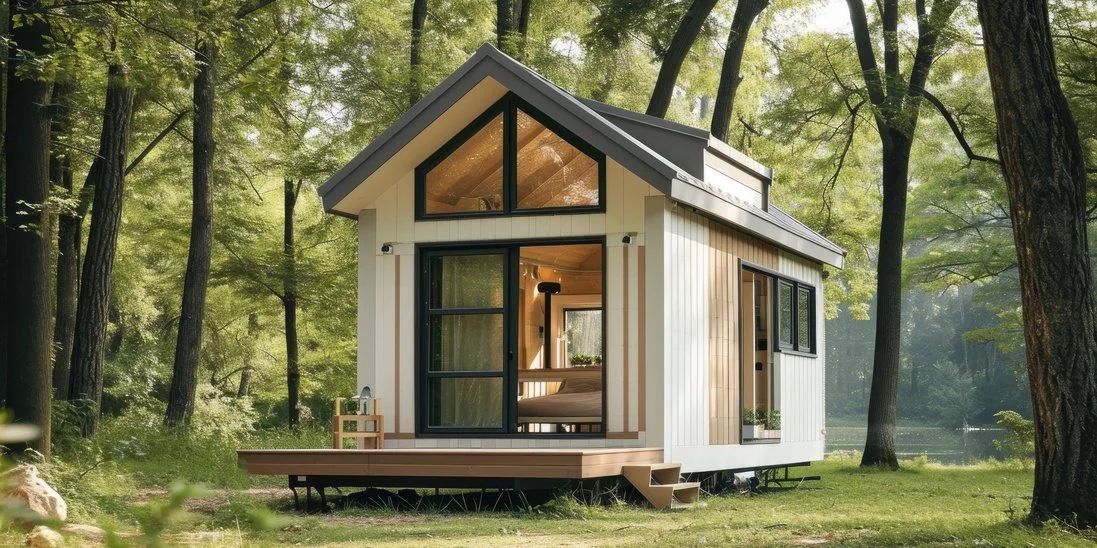
Building a tiny home offers freedom and creativity you won't find with traditional housing. However, even well-intentioned plans can go off track without careful preparation. The mistakes people make when building tiny homes come down to overlooked details, from legal rules to overlooked design factors. Starting with a thoughtful approach helps you enjoy your home for years to come.
Neglecting Local Zoning Laws
Before you hire a builder or purchase materials, you must investigate where you can legally park your new home. Many municipalities have strict zoning codes regarding minimum square footage for permanent residences. Assuming you can buy a plot of land and park a tiny house on it is a frequent error. Verify local regulations on accessory dwelling units (ADUs) or RV parking to avoid eviction orders or fines after construction is complete.
Skimping on the Trailer Foundation
Unlike a traditional house, a mobile tiny home relies entirely on its trailer for stability. Trying to save money by purchasing a used or standard flatbed trailer often leads to structural failure. A tiny house requires a trailer specifically engineered to handle the perimeter weight of walls and a roof. Your builder should recommend a heavy-duty option designed for this specific purpose, guaranteeing your home remains level and secure during transport.
Overlooking Proper Insulation
Some people assume a smaller space is naturally easier to heat and cool, but this isn't always true. Thin walls mean less room for insulation, which can make your home freezing in winter and an oven in summer. Prioritize high-quality, closed-cell spray foam insulation over cheaper alternatives. This keeps your interior comfortable regardless of the weather outside.
Underestimating Storage Needs
Minimalism sounds appealing until you have nowhere to put your vacuum cleaner or winter coats. A common design flaw involves prioritizing open aesthetics over practical utility. Every staircase, kickplate, and loft edge offers potential storage space. Work with your builder to integrate hidden compartments and multifunctional furniture from the start, rather than adding them as an afterthought.
Failing To Plan for Future Moves
Thinking ahead about how you’ll relocate your tiny home down the road makes a real difference in both safety and convenience. Building with mobility in mind can help you avoid costly repairs or modifications when the time comes to move. In most cases, working with professionals pays off in the long run. Understanding the benefits of hiring tiny house moving experts ensures your home travels safely, saves you stress, and helps protect your investment from unexpected damage.
Building a tiny home is as much about thoughtful choices as it is about vision. Every phase offers a chance to sidestep the common mistakes people make when building tiny homes. Trust your instincts but rely on expert guidance whenever you reach an unfamiliar step. With planning and creativity, your compact dream space can come to life in a way that feels truly your own.