
Subway vs. Large Format Tiles: Which Works Best in Your Shower?
We partnered with a home improvement company for this post. The opinions in the post are honest. All reviews and opinions expressed in this post are based on our personal views. We are excited because we know you will love it.
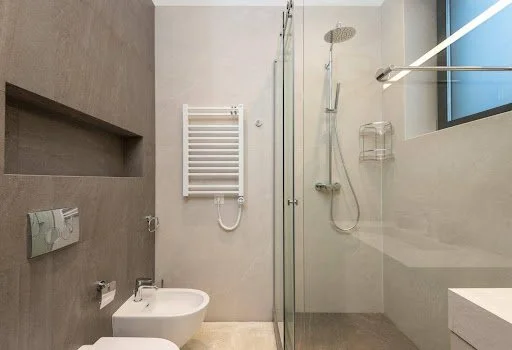
Choosing the right tile for your shower can dramatically influence both the aesthetic and functionality of your bathroom. Among the most popular options today are subway tiles and large format tiles. Each offers distinct advantages and potential drawbacks, making the choice highly dependent on your space, style, and maintenance preferences. This guide will help you understand the key differences between subway and large format tiles and determine which is best suited for your shower.
What Are Subway Tiles?
Subway tiles are rectangular tiles, traditionally measuring 3x6 inches, although modern variations come in multiple sizes and colors. Originally used in New York City subway stations in the early 20th century, these tiles have become a timeless design staple. They are recognized for their clean, simple lines and versatility in both modern and classic bathroom designs.
Subway tiles can be arranged in numerous patterns, with the most common being the running bond, which mimics brickwork. Other popular layouts include vertical stack, herringbone, and basketweave patterns. The multiple layout options make subway tiles highly adaptable to different aesthetic goals. Their smaller size also makes them easier to handle for DIY projects or for intricate designs around corners and niches.
One of the major advantages of subway tiles is their ability to create texture and visual interest without overwhelming a space. They offer a traditional, classic look that blends seamlessly with a variety of materials and fixtures. However, due to the smaller size, subway tiles generate more grout lines, which can require more attention during cleaning and maintenance.
What Are Large Format Tiles?
Large format tiles are any tiles significantly larger than the traditional subway tile, commonly measuring 12x24 inches or bigger. These tiles are favored in modern and minimalist bathroom designs for their sleek, uninterrupted surfaces. Large format tiles can be used to cover entire shower walls or floors with fewer grout lines, creating a smooth, cohesive look.
The materials for large format tiles often include porcelain, ceramic, and natural stone. These materials not only provide durability but also allow for a variety of finishes, including matte, glossy, and textured options. The visual impact of large format tiles is substantial; they can make small showers appear more spacious and add a sense of luxury to larger bathrooms.
A key advantage of large format tiles is the reduced number of grout lines, which minimizes areas where water and dirt can accumulate. This makes cleaning easier and lowers the potential for mold or mildew growth. However, installing large format tiles can be more challenging, often requiring professional expertise to ensure proper leveling and alignment.
Comparing Visual Impact
When deciding between subway and large format tiles, visual impact is a major consideration. Subway tiles create a rhythmic, textured look that adds depth and dimension to a shower wall. They are ideal for classic, vintage, or transitional bathroom designs and can be enhanced with contrasting grout for a more defined pattern.
In contrast, large format tiles create a seamless, modern appearance. The minimal grout lines contribute to a more open, airy feel, which is particularly beneficial in small bathrooms. Color and finish choices also play a role; lighter large format tiles can make a compact shower feel more spacious, while darker tiles can create a luxurious, spa-like ambiance.
Designers often recommend using subway tiles for accent walls or niche areas while incorporating large format tiles for the main shower walls. This combination can balance texture and smoothness, giving the shower both character and sophistication.
Designers often recommend using subway tiles as accent shower wall tiles or in niche areas while incorporating large format tiles for the main shower walls. This combination can balance texture and smoothness, giving the shower both character and sophistication.
Installation Considerations
Installation is another important factor in choosing between subway and large format tiles. Subway tiles, being smaller, require more grout lines and careful alignment, which can make installation more time-consuming. However, they are easier to cut around obstacles such as shower fixtures and corners, making them a practical choice for DIY enthusiasts.
Large format tiles require precision during installation. Due to their size and weight, improper leveling can result in uneven surfaces or lippage, where tile edges are higher than adjacent tiles. This can be especially problematic on shower walls, as it may affect both aesthetics and water drainage. For this reason, professional installation is often recommended for large format tiles, which may add to the overall cost but ensures a polished, durable finish.
Maintenance and Cleaning
Maintenance is an essential consideration for shower tiles. Subway tiles have more grout lines, which can collect soap scum, dirt, and moisture over time. Regular cleaning and occasional resealing of grout may be necessary to maintain their appearance and prevent mold growth. Despite this, many homeowners find that the classic look and design flexibility of subway tiles outweigh the maintenance considerations.
Large format tiles, on the other hand, have fewer grout lines, making them easier to clean and maintain. The smooth surface reduces areas where dirt and water can accumulate, which is particularly advantageous in high-moisture environments like showers. Choosing high-quality materials with protective coatings can further enhance durability and ease of cleaning.
Cost Comparison
Cost is another factor to consider when selecting shower tiles. Subway tiles are generally less expensive per square foot compared to large format tiles, and they are widely available in a variety of materials and colors. However, the increased labor required for more grout lines and intricate patterns can offset some of the savings.
Large format tiles are often more expensive per square foot, and professional installation adds to the cost. Despite this, their reduced maintenance requirements and visual impact can justify the investment, especially in modern, high-end bathrooms. Considering long-term value and durability is important when weighing costs.
Best Applications for Each Tile Type
Subway tiles are ideal for traditional or transitional bathrooms, small showers, and accent areas such as niches or borders. Their classic design ensures they remain timeless and adaptable to evolving styles. They also work well in combination with other materials or larger tiles to create custom layouts.
Large format tiles are best suited for modern, minimalist, or luxury showers. They are particularly effective in making small spaces feel larger and creating a seamless, high-end look. They can also be used in combination with smaller tiles for accents, such as a mosaic strip or decorative border, to add visual interest.
Design Tips and Inspiration
When using subway tiles, consider varying the layout to avoid a uniform look. Herringbone, stacked, or vertical patterns can create striking visual effects. Grout color is another tool to enhance or minimize the appearance of lines.
For large format tiles, selecting a tile with subtle veining or a textured finish can prevent a flat, sterile look. Aligning tiles carefully and planning for cuts around fixtures ensures a professional and polished appearance. Proper lighting also enhances the overall effect, reflecting off glossy surfaces or highlighting textures.
Conclusion
Choosing between subway and large format tiles for your shower ultimately comes down to style, space, and maintenance considerations. Subway tiles offer a timeless, versatile option with a textured, patterned aesthetic, while large format tiles provide a sleek, modern look with fewer grout lines and easier maintenance. By understanding the characteristics, advantages, and installation requirements of each type, homeowners can make an informed decision that enhances both the beauty and functionality of their bathroom. Whether you prefer the classic charm of subway tiles or the seamless elegance of large format tiles, selecting the right material is key to creating a shower that is both visually appealing and practical.
Incorporating high-quality shower wall tiles can transform your bathroom into a stylish and functional space, tailored to your personal preferences and lifestyle.