

A resource for those seeking information on organizing and transforming spaces.
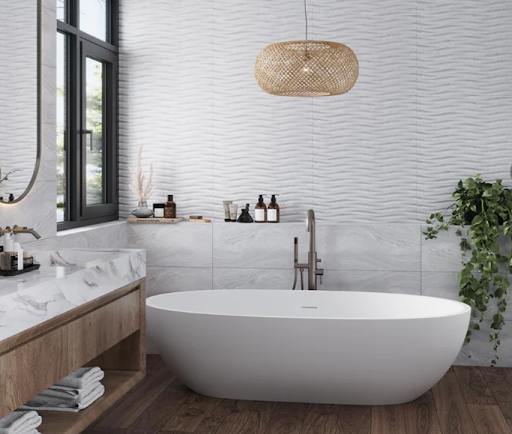
Natural Look Tiles: For Organic and Earthy Bathroom Floors
A comfortable, restorative, and calm bathroom can help you disconnect from the hustle and bustle of daily life and relax and recuperate. A simple and efficient way to make your bathroom feel inviting and appealing is through organic materials and designs. Wood, stone, marble, fiber, etc., can help you bring a lot of texture, warmth, and visual depth to your bathroom and connect it to Mother Nature.
We partnered with a home design company. for this post. The opinions in the post are honest. All reviews and opinions expressed in this post are based on our personal views. We are excited because we know you will love it.
A comfortable, restorative, and calm bathroom can help you disconnect from the hustle and bustle of daily life and relax and recuperate. A simple and efficient way to make your bathroom feel inviting and appealing is through organic materials and designs. Wood, stone, marble, fiber, etc., can help you bring a lot of texture, warmth, and visual depth to your bathroom and connect it to Mother Nature.
While natural materials can be used in bathrooms, some of them, especially wood, can be difficult to maintain. In such cases, using natural-look tiles is the best way to introduce nature’s beauty to your bathroom in a more practical and durable manner. These tiles combine the elegance of natural materials with the strength and practical benefits of tiling materials, making them the perfect tiling choice for any bathroom flooring.
With the help of modern manufacturing techniques, tiles are now able to mimic the fine details of natural materials such as veining, patterns, and surface variation with a high level of precision. This helps homeowners and designers alike to create a natural aesthetic without the hassle and constraints of the actual materials. Unlike actual materials, natural-look tiles can be used across bathroom floors where the real deal would be a strict no-no.
Defining Natural Look Tiles
Natural look tiles are designed to mimic the look of various natural materials such as stone, wood, marble, fabric, and concrete. These tiles not only try to achieve visual similarity, but also try to simulate the finish and surface of the real material. They are typically made using durable materials such as porcelain and ceramic, which provide them with structural reliability and aesthetic appeal.
Compared to actual natural materials, natural look tiles have many benefits. These include:
● Better moisture resistance compared to natural wood or porous stone.
● Easier cleaning and lower maintenance requirements.
● Improved durability for long-term use.
● Easy installation.
● Wider design flexibility across different bathroom styles.
This makes them suitable for bathroom floors where durability is just as important as appearance. Instead of limiting material choices based on environment, natural look tiles expand what is possible across different areas of the home. Here are the top five types of natural-looking tiles that are popular today.
1. Wood Look Tile: For Warmth and Wonder
As the name suggests, wood look tiles simulate the wooden grain and tonal shifts of real hardwood while discarding its many limitations. Available in various formats such as planks, large-format tiles, mosaic, and more, these tiles help create a natural and wooden feel in any space.
Unlike real wood, wood-like tiles are highly stable and do not contract or expand with changes in moisture or temperature. This makes them highly reliable for bathroom flooring where water exposure is unavoidable. Larger plank formats can also visually elongate smaller bathrooms, making the space appear more open and continuous. They work especially well in contemporary, Scandinavian, farmhouse, and Japandi-inspired interiors.
2. Concrete Look Tile: Simple Yet Bold
Concrete-look tiles are known for their understated elegance and a clean look that goes well with modern design styles. While real concrete is sturdy, it is susceptible to cracking and requires sealing. Concrete-look tiles provide a good alternative to real concrete as they are low on maintenance and high on aesthetics.
Instead of strong patterns, concrete-look tiles feature various soft tonal shifts that add depth and dimension to the surface. They serve as a great foundation on which you can add various design elements.
When you are on the lookout for tiles designed for wet-area flooring, concrete-look tiles provide exceptional traction for better footing. They are highly suitable not just for bathrooms but also for shower floors and other high-moisture zones. Concrete-look tiles create an uncluttered, calm look on bathroom floors, and their neutral colors go well with simple fixtures.
3. Stone Look Tiles: Where Tile Meets Substance
Stone-look tiles recreate the appearance of natural materials such as slate, limestone, and travertine, bringing organic texture and visual variation in a more durable and predictable tile format.
While natural stone often varies significantly in color, thickness, and finish, stone-look tiles offer a more controlled and refined interpretation of these characteristics. This allows for easier installation, greater consistency, and a more uniform overall appearance without losing the natural charm of real stone.
Perfect for all kinds of wet spaces, stone-look tiles not only add a natural beauty to your floors (and walls) but also provide traction to keep you safe. They are highly recommended in homes with pets, children, and the elderly.
4. Marble Look Tiles: Elegance with Ease
The natural veining and contrast found in natural marble are often recreated to perfection in marble-look tiles. By mimicking the beauty of marble patterns, the tiles create a more predictable design result.
These tiles are available in a range of styles, from subtle white marble effects to bold, dramatic veining. On bathroom floors, they help brighten the room and create a more refined, upscale atmosphere.
Because they do not require sealing and are less prone to staining, they are easier to maintain than natural marble. This makes them a practical choice for spaces that see regular use. Large-format marble look tiles can make smaller bathrooms feel more expansive, while mosaic versions work well in shower floors where additional grip is beneficial.
5. Fabric Look Tile: Fancy and Fabulous
Fabric look tiles bring a soft visual texture that looks just like textile or woven surfaces. Fabric tiles, given their textural and material differences, focus on creating a tactile and layered effect.
These tiles work particularly well in bathrooms designed around calm, muted palettes. Their understated surface patterns add depth without overwhelming the bath space, making them suitable for minimalist and contemporary interiors.
Their purpose is to add depth without introducing strong patterns, making them useful in spa-like bathrooms where subtlety is important.
Conclusion
Natural look tiles make it possible to create bathroom floors that feel warm, grounded, and visually connected to nature without compromising on durability or practicality.
When used thoughtfully, they can create bathrooms that feel cohesive, calming, and highly functional. Their value lies not only in how closely they replicate natural materials, but also in how well they withstand the demands of everyday use.
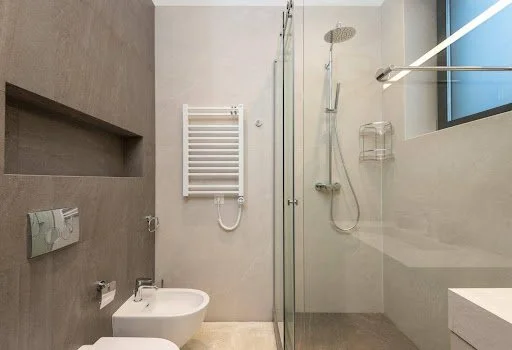
Subway vs. Large Format Tiles: Which Works Best in Your Shower?
Choosing the right tile for your shower can dramatically influence both the aesthetic and functionality of your bathroom. Among the most popular options today are subway tiles and large format tiles. Each offers distinct advantages and potential drawbacks, making the choice highly dependent on your space, style, and maintenance preferences. This guide will help you understand the key differences between subway and large format tiles and determine which is best suited for your shower.
We partnered with a home improvement company for this post. The opinions in the post are honest. All reviews and opinions expressed in this post are based on our personal views. We are excited because we know you will love it.
Choosing the right tile for your shower can dramatically influence both the aesthetic and functionality of your bathroom. Among the most popular options today are subway tiles and large format tiles. Each offers distinct advantages and potential drawbacks, making the choice highly dependent on your space, style, and maintenance preferences. This guide will help you understand the key differences between subway and large format tiles and determine which is best suited for your shower.
What Are Subway Tiles?
Subway tiles are rectangular tiles, traditionally measuring 3x6 inches, although modern variations come in multiple sizes and colors. Originally used in New York City subway stations in the early 20th century, these tiles have become a timeless design staple. They are recognized for their clean, simple lines and versatility in both modern and classic bathroom designs.
Subway tiles can be arranged in numerous patterns, with the most common being the running bond, which mimics brickwork. Other popular layouts include vertical stack, herringbone, and basketweave patterns. The multiple layout options make subway tiles highly adaptable to different aesthetic goals. Their smaller size also makes them easier to handle for DIY projects or for intricate designs around corners and niches.
One of the major advantages of subway tiles is their ability to create texture and visual interest without overwhelming a space. They offer a traditional, classic look that blends seamlessly with a variety of materials and fixtures. However, due to the smaller size, subway tiles generate more grout lines, which can require more attention during cleaning and maintenance.
What Are Large Format Tiles?
Large format tiles are any tiles significantly larger than the traditional subway tile, commonly measuring 12x24 inches or bigger. These tiles are favored in modern and minimalist bathroom designs for their sleek, uninterrupted surfaces. Large format tiles can be used to cover entire shower walls or floors with fewer grout lines, creating a smooth, cohesive look.
The materials for large format tiles often include porcelain, ceramic, and natural stone. These materials not only provide durability but also allow for a variety of finishes, including matte, glossy, and textured options. The visual impact of large format tiles is substantial; they can make small showers appear more spacious and add a sense of luxury to larger bathrooms.
A key advantage of large format tiles is the reduced number of grout lines, which minimizes areas where water and dirt can accumulate. This makes cleaning easier and lowers the potential for mold or mildew growth. However, installing large format tiles can be more challenging, often requiring professional expertise to ensure proper leveling and alignment.
Comparing Visual Impact
When deciding between subway and large format tiles, visual impact is a major consideration. Subway tiles create a rhythmic, textured look that adds depth and dimension to a shower wall. They are ideal for classic, vintage, or transitional bathroom designs and can be enhanced with contrasting grout for a more defined pattern.
In contrast, large format tiles create a seamless, modern appearance. The minimal grout lines contribute to a more open, airy feel, which is particularly beneficial in small bathrooms. Color and finish choices also play a role; lighter large format tiles can make a compact shower feel more spacious, while darker tiles can create a luxurious, spa-like ambiance.
Designers often recommend using subway tiles for accent walls or niche areas while incorporating large format tiles for the main shower walls. This combination can balance texture and smoothness, giving the shower both character and sophistication.
Designers often recommend using subway tiles as accent shower wall tiles or in niche areas while incorporating large format tiles for the main shower walls. This combination can balance texture and smoothness, giving the shower both character and sophistication.
Installation Considerations
Installation is another important factor in choosing between subway and large format tiles. Subway tiles, being smaller, require more grout lines and careful alignment, which can make installation more time-consuming. However, they are easier to cut around obstacles such as shower fixtures and corners, making them a practical choice for DIY enthusiasts.
Large format tiles require precision during installation. Due to their size and weight, improper leveling can result in uneven surfaces or lippage, where tile edges are higher than adjacent tiles. This can be especially problematic on shower walls, as it may affect both aesthetics and water drainage. For this reason, professional installation is often recommended for large format tiles, which may add to the overall cost but ensures a polished, durable finish.
Maintenance and Cleaning
Maintenance is an essential consideration for shower tiles. Subway tiles have more grout lines, which can collect soap scum, dirt, and moisture over time. Regular cleaning and occasional resealing of grout may be necessary to maintain their appearance and prevent mold growth. Despite this, many homeowners find that the classic look and design flexibility of subway tiles outweigh the maintenance considerations.
Large format tiles, on the other hand, have fewer grout lines, making them easier to clean and maintain. The smooth surface reduces areas where dirt and water can accumulate, which is particularly advantageous in high-moisture environments like showers. Choosing high-quality materials with protective coatings can further enhance durability and ease of cleaning.
Cost Comparison
Cost is another factor to consider when selecting shower tiles. Subway tiles are generally less expensive per square foot compared to large format tiles, and they are widely available in a variety of materials and colors. However, the increased labor required for more grout lines and intricate patterns can offset some of the savings.
Large format tiles are often more expensive per square foot, and professional installation adds to the cost. Despite this, their reduced maintenance requirements and visual impact can justify the investment, especially in modern, high-end bathrooms. Considering long-term value and durability is important when weighing costs.
Best Applications for Each Tile Type
Subway tiles are ideal for traditional or transitional bathrooms, small showers, and accent areas such as niches or borders. Their classic design ensures they remain timeless and adaptable to evolving styles. They also work well in combination with other materials or larger tiles to create custom layouts.
Large format tiles are best suited for modern, minimalist, or luxury showers. They are particularly effective in making small spaces feel larger and creating a seamless, high-end look. They can also be used in combination with smaller tiles for accents, such as a mosaic strip or decorative border, to add visual interest.
Design Tips and Inspiration
When using subway tiles, consider varying the layout to avoid a uniform look. Herringbone, stacked, or vertical patterns can create striking visual effects. Grout color is another tool to enhance or minimize the appearance of lines.
For large format tiles, selecting a tile with subtle veining or a textured finish can prevent a flat, sterile look. Aligning tiles carefully and planning for cuts around fixtures ensures a professional and polished appearance. Proper lighting also enhances the overall effect, reflecting off glossy surfaces or highlighting textures.
Conclusion
Choosing between subway and large format tiles for your shower ultimately comes down to style, space, and maintenance considerations. Subway tiles offer a timeless, versatile option with a textured, patterned aesthetic, while large format tiles provide a sleek, modern look with fewer grout lines and easier maintenance. By understanding the characteristics, advantages, and installation requirements of each type, homeowners can make an informed decision that enhances both the beauty and functionality of their bathroom. Whether you prefer the classic charm of subway tiles or the seamless elegance of large format tiles, selecting the right material is key to creating a shower that is both visually appealing and practical.
Incorporating high-quality shower wall tiles can transform your bathroom into a stylish and functional space, tailored to your personal preferences and lifestyle.

Dining Al Fresco: Designing an Outdoor Kitchen with a Mediterranean Soul
Transform your backyard into a warm, inviting space with Mediterranean-style outdoor kitchen ideas. Discover earthy materials and unique ideas to enhance the beauty of outdoor dining.
We partnered with a home design company for this post. The opinions in the post are honest. All reviews and opinions expressed in this post are based on our personal views. We are excited because we know you will love it.
Who doesn't like a lunch or dining experience under the sky, enjoying the gentle breeze rustling through the olive trees and the golden glow of the sunset hitting your patio area? You are enjoying your drink while soaking in the beauty of space. Well, it's not a holiday in Greece or a Tuscan villa, it's your backyard. And yes, designing can dramatically change the look and feel of your space and make it a haven. Designing an outdoor kitchen with a Mediterranean soul isn’t just about adding a grill and calling it a day. It's about creating summer vibes and enjoying them whenever you want. Let’s see how you can create that charm in your home.
Design Ideas for an Outdoor Kitchen
An outdoor kitchen is for enjoying food and views without worrying about the to and fro from the kitchen to the table. It's a mindful setup that allows you to enjoy your meals with beauty. Let's see how:
1. Set the Foundation Right
Mediterranean design is deeply rooted in natural textures and earthy tones. When planning your outdoor kitchen, start from the ground up literally. Think of stone like Outdoor Sandstone Tiles, in shades of ivory, beige or grey that absolutely complements the architectural design needs. These natural pavers not only look beautiful but also make your space airy due to their light shade, which is ideal for hot climates.
You can go with a different design like the French pattern for your outdoor kitchen. It looks great and also blends with the environment with charm.
2. Create Warmth with Stone Cladding
No Mediterranean kitchen is complete without textured stone walls. Stone wall cladding can effortlessly enhance the beauty of any space. A beautifully clad wall behind your cooking area adds visual depth and acts as a stunning backdrop for your kitchen appliances and other uses. Especially for outdoor kitchens, you can use any stone of your choice, whether it's Outdoor Indian Sandstone or Australian Sandstone, even Limestone. Warm shades like golden beige, sandy cream and charcoal are more preferred due to their beautiful colours.
3. Built-in BBQ and Wood-Fired Pizza Oven
Let’s talk about the heart of the outdoor kitchen - the cooking station. A built-in BBQ is a no-brainer, but if you are looking for true Mediterranean authenticity, go for a wood-fired pizza oven. A stone dome not only serves a purpose (hello, crispy wood-fired pizza!) but it is also a design element all on its own. You can install floating timber shelves for herbs and spices; this setup will look straight out of a coastal villa.
5. Add a rustic Dining Area with Earthy Touches
Mediterranean outdoor kitchens are much about the dining experience as they are about cooking. So, go for a long timber table paired with mismatched chairs or bench seating. You can pair with handmade ceramics, linen and candles to make it inviting. Let it be relaxed and soulful, like dining in a courtyard in Spain or a garden in Greece.
6. Keep it Low Maintenance
While design matters, so does functionality. So, you must pick the materials accordingly, such as those that are heat resistant and don't become slippery when wet. Antique finished Outdoor Limestone Tiles are a popular option, known for their balance of beauty and functionality. Make sure the flooring is sealed properly. Ensure that you cover your appliances or opt for built-in systems to protect them during changing weather conditions. This ensures your outdoor kitchen stays beautiful and functional every season.
7. Surround the Space with Mediterranean Greenery
No Mediterranean kitchen is complete without nature surrounding it. Plants herbs like rosemary, oregano and thyme in stone planters not only smells good but also add liveliness to the space. You can keep them on the window shill them within arm's reach to quickly use when required. This enhances your cooking experience and makes it more enjoyable. For the surrounding area, you can add potted plants like lemon trees, lavender and flowering vines. The best thing about the plants is that their presence softens the surroundings, adding contrast and fragrance. The greenery turns your outdoor space into a private Mediterranean garden.
Final Thoughts
Designing an outdoor kitchen with a Mediterranean soul is not just about the looks but also creating a space where memories are made. Whether you are hosting a sunset dinner party, brunch or just flipping pizzas for the family, this setup invites connection and conversation. Whatever materials you are using, whether it's natural stone or wood, ensure that you are using A-grade material. It is important to opt for good-quality materials so that they can withstand external conditions. Every small detail matters and together you can create a beautiful Mediterranean-themed kitchen in your backyard. So what are you waiting for? Go ahead and live your outdoor kitchen dream!

Elevate Your Space with the Right Tile Choice for Your Home
The world of interior design offers endless opportunities to personalize and enhance your living spaces. One of the most impactful ways to elevate your home's aesthetic is through the right selection of tiles. Whether you're renovating your kitchen, bathroom, or any other area, choosing the perfect tile can transform your home. This guide will walk homeowners through essential considerations to ensure the tile choice complements the overall design and functionality of your space.
The world of interior design offers endless opportunities to personalize and enhance your living spaces. One of the most impactful ways to elevate your home's aesthetic is through the right selection of tiles. Whether you're renovating your kitchen, bathroom, or any other area, choosing the perfect tile can transform your home. This guide will walk homeowners through essential considerations to ensure the tile choice complements the overall design and functionality of your space.
Understanding Your Space Requirements
Identifying the specific needs of the space you're tiling is the first step in making the right choice. Consider the room's purpose and how frequently it is used. High-traffic areas like kitchens and bathrooms require durable materials that can withstand wear and tear. Conversely, tiles in a bedroom or study may prioritize aesthetics over durability.
Assess the room's lighting conditions as well. Natural light can highlight the texture and color of tiles, while dimly lit areas may benefit from lighter tiles to brighten the space. Reflect on how these elements align with your lifestyle and the ambiance you wish to create.
Finally, account for the space's size and layout. Large tiles can make a small room feel more expansive, while intricate patterns might suit more confined areas. By understanding your space requirements, you can narrow down your options effectively.
Exploring Different Tile Materials
Tiles come in a myriad of materials, each offering distinct characteristics. Ceramic tiles are a popular choice due to their affordability and versatility. They're easy to clean and come in various colors and patterns, making them suitable for many areas of the home.
Porcelain tiles are known for their durability and water resistance, making them ideal for bathrooms and kitchens. Their dense composition allows them to mimic natural stone's appearance without the maintenance.
Natural stone tiles, such as marble, granite, and slate, provide a luxurious touch to any room. These materials require more care but offer unmatched elegance. Explore each material's pros and cons to determine which aligns best with your design vision.
Choosing the Right Tile Color
Color plays a crucial role in setting the mood of a room. Neutral tones like whites, creams, and grays are timeless and versatile, providing a clean backdrop that can be accented with colorful decor. Bold colors, on the other hand, can create a focal point and add personality to your space.
Consider the existing color scheme in your home. Harmonizing tile colors with your walls, furniture, and accessories can create a cohesive look. Alternatively, opting for contrasting colors can add depth and interest.
Keep in mind the psychological impact of color as well. Blues and greens evoke calmness, making them suitable for bedrooms and bathrooms. Warm tones like reds and yellows can energize a kitchen or dining area. Choose a color that resonates with the atmosphere you want to cultivate.
Decoding Tile Sizes and Shapes
The size and shape of your tiles can dramatically affect the room's appearance. Large-format tiles create an illusion of space and are easier to clean due to fewer grout lines. They're excellent for open areas like living rooms and hallways.
Mosaic tiles, with their intricate patterns and small shapes, offer a unique design element. They're perfect for accent walls or backsplashes, where detail can be appreciated up close.
Rectangular tiles, such as subway tiles, are a classic choice that can be laid in various patterns, including herringbone and stacked layouts. Consider the proportions of your room when selecting tile sizes and shapes to ensure they complement the overall design.
Evaluating Tile Finishes
Tile finishes add the final touch to your design, influencing both aesthetics and functionality. Glossy finishes reflect light and can make a room feel larger, though they may show scratches more easily. They're often used in kitchens and bathrooms to increase brightness.
Matte finishes offer a softer, understated look that minimizes glare. They provide good traction, making them suitable for floors and wet areas. Consider matte finishes for a more relaxed, organic feel.
Textured finishes add depth and interest, mimicking natural materials like stone or wood. They can create a rustic or industrial vibe and are often used in feature walls and outdoor spaces. Evaluate each finish based on the room's style and practical needs.
Considering Tile Patterns and Layouts
Patterns and layouts offer creative opportunities to personalize your tile design. Classic patterns like chevron and basketweave can add dynamic movement to floors and walls. Experiment with different layouts to see how they influence the room's energy.
Randomized patterns introduce a playful element, with varied colors and shapes creating a mosaic effect. They can be a stunning choice for accent areas where you want to draw attention.
Grout color is another important aspect of tile patterns. Contrasting grout can emphasize the tile shape and layout, while matching grout provides a seamless look. Test different combinations to see which enhances your design vision.
Assessing Practical Considerations
Practicality is key when selecting tiles for functional areas. Consider slip resistance for bathroom and kitchen floors, where wet surfaces are common. Look for tiles with a high slip resistance rating to ensure safety.
Stain resistance is crucial for countertops and backsplashes. Porcelain and glazed tiles offer excellent protection against spills and stains, making them low-maintenance options.
Consider the ease of cleaning and maintenance as well. Some natural stones require regular sealing to prevent damage, while ceramic and porcelain tiles are generally easy to maintain. Choose a tile that fits your lifestyle and maintenance preferences.
Budget Considerations
Budget is an essential factor in any home improvement project. Set a realistic budget that includes not just the cost of tiles but also installation and any additional materials such as grout and adhesive.
Compare prices across different suppliers and consider purchasing a little extra material to accommodate cuts and potential future repairs. Prioritize quality and durability, as investing in high-quality tiles can save you money in the long run by reducing the need for replacements.
Consider the long-term value that well-chosen tiles can add to your home, both in terms of aesthetics and resale potential. Balancing budget with quality will ensure a satisfying and lasting result.
Sustainability and Environmental Impact
Sustainability is becoming an increasingly important consideration for homeowners. Look for tiles made from recycled materials or those that are sustainably sourced. Many manufacturers now offer eco-friendly options that reduce environmental impact.
Consider the energy required for manufacturing and transportation as well. Locally sourced tiles may have a lower carbon footprint compared to those imported from overseas.
Recycling old tiles and opting for sustainable installation practices can also contribute to a greener renovation. Making environmentally conscious choices benefits both your home and the planet.
Engaging with Professional Tile Installers
Enlisting the help of professional tile installers ensures a high-quality finish. Experienced installers can offer valuable advice on material selection and layout design, leveraging their expertise to enhance your project.
Request quotes from multiple professionals to compare costs and services. Check references and reviews to ensure a track record of reliable and high-quality work.
Collaboration with professionals can also help you avoid common pitfalls, such as improper installation or measurement errors. Their skills and experience will contribute to a smooth and successful project.
Final Thoughts
Choosing the perfect tile involves balancing aesthetics, functionality, and budget. By considering your space requirements, exploring various materials, and evaluating practical considerations, you can make an informed decision that enhances your home's value and beauty. For personalized guidance, consider consulting with professional tile installers like Better Floors to bring your vision to life seamlessly.