
The Nursery-To-Preschool Pivot: Redesigning a Room for a Child’s Growing Autonomy
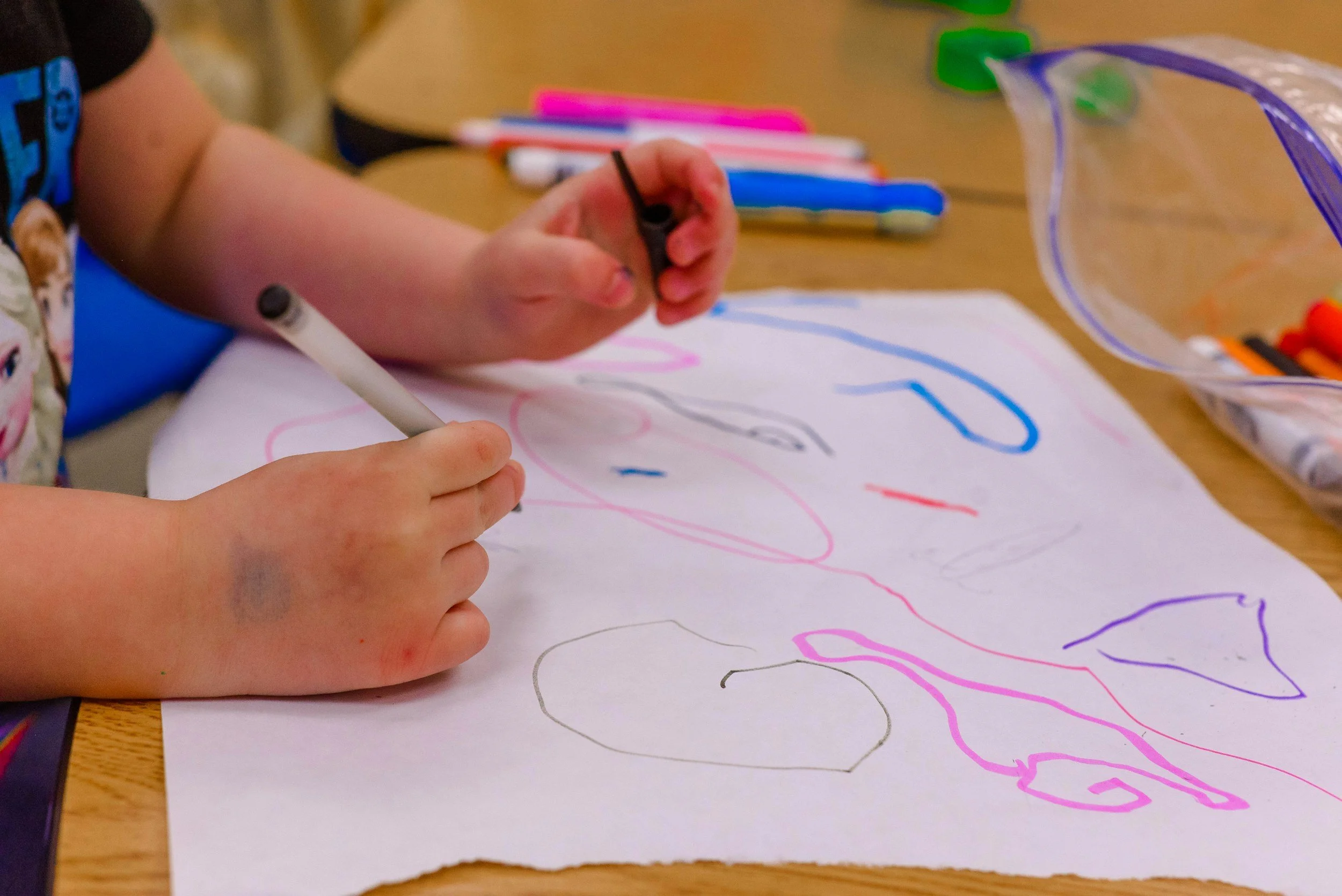
You blink your eyes, and suddenly your baby is no longer a baby. They are toddling off, and maybe even running ahead of you. You need to catch up, and that starts with their living spaces. Toddlers and preschoolers are eager to see the world and try everything, but they still need order. They want to do it themselves, but they still need plenty of help. With this guide, you can design a room to suit your child’s growing independence and ability to self-regulate.
Design for Safety
Toddlers are notoriously distracted, clumsy, and highly active, so safety is the first rule of design. If it is possible for your kid to climb it, it’s likely that they will attempt to do so at some point. Avoid top-heavy furniture, and wait a few years before introducing in a loft bed or bunk beds. Anchor furniture to the wall, even if you think there’s no way it could ever topple. If you use rugs instead of carpet, choose non-slip varieties for your child’s active play. When you lay out the room, make it easy for your kid to get out of bed and leave the room quickly, without running into tables or tripping on toys.
Create Order
Once your child gets more physically mobile and adept at getting into things, your goal should be to make order a realistic possibility. Think about your child’s attention span, and direct your layout to go along with their abilities. Choose décor and storage solutions that your kid can use mostly by themselves. The end result should be that your child can tidy their room in less than 10 minutes each day, with only a little direction and supervision from you.
Encourage Independence
Ideally, your child will start taking over some of their own routine tasks, such as putting away their clothes or toys. If you want them to have success, you should do what the daycare summer programs do, and bring it down to their level. Instead of relying on tall, heavy chests for clothing or toys, consider low-lying, open shelving or cubbies at toddler height. Rotate your child’s clothing by season, so that they don’t have as many items to sort through and put away each time. If your kid attends preschool or daycare, you can incorporate some of their design elements to make it feel more natural.
Simplify Design and Function
Once your kid reaches a certain age, it’s tempting to try to put all their stuff in their room, but that can be too much. Children tend to get distracted and overstimulated when everything is in within their reach all day (and night), so you should aim to keep the design and functions simple. Minimize the use of technology in the room, to reduce dust accumulation and stimulation when your kid should be sleeping. Cycle through toys every month or two, instead of keeping them all out at the same time.
Establish Activity Zones
Divide up your child’s room into two or three zones, depending on size. For example, you may have a resting zone, a zone for seated tasks, and a zone for active play. Consider furniture that will fill multiple roles to reduce clutter. For smaller rooms, instead of designating multiple activity zones, try opening up an activity space in the middle of the room with storage around the perimeter. This way, your child can have the space to build a train track, use a table and chair for drawing, and read stories in the same place.
It can be difficult to tell when your child is ready to shift to a big-kid room. If you’re asking yourself the question, it’s likely time for the transition to begin. Very young children crave organization and order, while also longing to handle some of the tasks themselves. Your room design can make it easier for them to achieve both goals, while providing a fun and engaging space.
Author bio: Tammy Mays is the Chief Operating Officer of The Brunswick School, an independent early childhood and elementary institution dedicated to inspiring and empowering young learners through a nurturing, high-performing academic environment. She has extensive experience in school operations and leadership and focuses on aligning day-to-day operations with strategic goals — overseeing campus infrastructure, HR, finance, compliance, and facilities. Tammy plays a key role in scaling systems to support enrollment growth, enhancing the family experience, and fostering an inclusive, mission-driven culture grounded in continuous improvement and operational integrity.
Resources reviewed
https://www.saatva.com/blog/transition-nursery-to-big-kid-room/
https://jabaloo.com/blogs/education/montessori-at-home-simple-room-by-room-transformations-for-toddler-independence