

A resource for those seeking information on organizing and transforming spaces.
Why a granny annexe could be a good investment for your property
Homeowners looking to add space and value to a property usually land on one of two options: extend the existing house, or build a self-contained annexe in the garden. Both routes can add real value, but they solve different problems and suit different budgets, timelines and long-term plans, so it's worth weighing them against each other rather than defaulting to whichever one comes up first in a search.
We partnered with a home improvement company. for this post. The opinions in the post are honest. All reviews and opinions expressed in this post are based on our personal views. We are excited because we know you will love it.
Framing the decision
Homeowners looking to add space and value to a property usually land on one of two options: extend the existing house, or build a self-contained annexe in the garden. Both routes can add real value, but they solve different problems and suit different budgets, timelines and long-term plans, so it's worth weighing them against each other rather than defaulting to whichever one comes up first in a search.
What each option actually costs
A single-storey house extension in the UK typically runs from around £22,500 up to £125,000, with a 10m² kitchen extension averaging roughly £80,000 to £100,000 once construction, VAT and professional fees are included, based on a 2025 survey of UK architects. A garden annexe sits in a similar bracket, generally costing between £80,000 and £100,000 for a fully self-contained build, though bespoke options can run higher depending on size and specification,Timberspecs' bespoke granny annexes, for example, start from around £99,845.
On cost alone, the two options are closer than most people expect. The real differences show up in what you get for that money and how the space performs afterwards.
What each option adds to your home
Nationwide's House Price Index special report from October 2025 found that an extension or loft conversion adding a large double bedroom and bathroom can increase the value of a three-bedroom, one-bathroom house by as much as 24%, while simply expanding the floor area by 10% can add up to 5% in value. That's a solid, well-evidenced return, but it comes with a caveat: an extension is permanently fused to the main house. It adds space, not flexibility.
An annexe's value case is argued differently. Multiple industry estimates put the value uplift from a self-contained garden annexe anywhere between 5% and 30%, depending heavily on location, build quality and how the figure is calculated (this is a wide range and worth flagging, different sources measure it differently, so treat any single number as indicative rather than exact for a specific property). What tends to matter more in practice is what the annexe unlocks rather than the percentage itself: a genuinely independent living space that can flex between guest accommodation, a home office, space for an adult child, or care for an elderly relative, all without the household losing privacy in the way an internal extension can.
This is really where the decision splits. An extension typically locks in one use, an extra bedroom, a bigger kitchen, a home office off the back of the house. An annexe stays useful as circumstances change. A family might use it for a returning adult child for a few years, then adapt it to support an ageing parent, and later let it as a source of income or leave it as a self-contained space that appeals to buyers who want the same flexibility. For families weighing up care options, that flexibility carries a financial dimension too, UK residential care home fees currently average between roughly £31,200 and £78,000 a year, based on typical weekly rates of £600 to £1,500, which reframes an annexe's upfront cost as an alternative to years of ongoing fees rather than a simple like-for-like comparison with an extension.
A few things worth weighing before committing either way:
Planning permission requirements differ. Many single-storey extensions fall under permitted development, while annexes can sometimes need planning consent depending on size, position and intended use, so it's worth checking with your local authority before assuming either route is the simpler one.
Disruption during the build is very different. An extension usually means living alongside construction for months. An annexe build largely happens away from the main house, which matters if you're not able to easily relocate during the works.
Resale expectations vary by buyer pool. An extension adds universal appeal (more space reads well to almost anyone). An annexe appeals strongly to a specific buyer, multigenerational families, those wanting rental income, or people planning ahead for elderly relatives, which can mean a faster sale to the right buyer, but a narrower pool overall.
Conclusion:
There's no single right answer here, it depends on whether the priority is maximising space within the existing house or creating an independent space that can adapt over time. For anyone leaning toward the annexe route, it's worth researching a few annexe builders directly to see what a self-contained build actually involves before comparing it against extension quotes.
Sources used for figures above (verify before publishing):
Design for Me, 2025 UK architects extension cost survey
Homehow, UK extension cost guide 2025
Which?/Nationwide House Price Index special report, October 2025
Grannexe, granny annexe cost and value guide 2025
Sold.co.uk / Checkatrade, annexe value estimates

Streamline Your Daily Routine: A Parent’s Guide To Organizing Baby & Toddler Essentials
Parents often discover how quickly small items can take over a room. A shelf that looked organized last week can turn chaotic after a few busy mornings. It helps to create systems that simplify repeated tasks. Once those are in place, the day feels steadier and less reactive.

Parents often discover how quickly small items can take over a room. A shelf that looked organized last week can turn chaotic after a few busy mornings. It helps to create systems that simplify repeated tasks. Once those are in place, the day feels steadier and less reactive.
Creating Order Around Daily Essentials
High-use items like diapers, wipes, lotions and pajamas tend to migrate across the house because parents often grab things on the go. One helpful shift is to give these items very clear landing spots. A simple basket near the changing area often works better than a full drawer. Some families coordinate their routine around regular deliveries from a diapers supplier so stock levels never fall into the “urgent scramble” zone. Keeping a small backup supply in a different bin prevents the daily basket from overflowing.
Simplifying Clothing Routines
Toddler clothes can overwhelm even tidy households since outfit changes can happen several times a day. Splitting storage into smaller, predictable zones often helps. You might keep daytime outfits on a single shelf, pajamas in a soft bin and socks in a small container. These micro-categories cut down the time spent searching for one missing item. You’ll probably find the laundry cycle feels easier because clothes are returning to more intentional spots.
Managing Feeding Gear Without Chaos
Kitchens see the most activity, and feeding gear is usually the culprit behind clutter. Bottles, snack containers and tiny spoons get scattered in ways that make restocking feel more difficult than it should. A single drawer dedicated to toddler items creates a smoother rhythm. You can also place a small tray on the counter for drying daily cups and lids, which keeps them from blending into general dishwashing.
Making Toy Organization More Predictable
Large toy bins look convenient, though young children tend to dig through them and empty everything. Smaller baskets or transparent bins usually shape a better routine. One for books, one for blocks, one for soft toys. When toys rotate weekly, the play area stays interesting without becoming overwhelming. Kids often follow the pattern once they see how simple cleanup becomes.
Using Transfer Spots Around the Home
Many parents benefit from creating tiny “transfer stations” in busy areas. These are spots where you briefly put items that belong somewhere else. A basket near the stairs or a tray in the hallway lets you gather scattered things throughout the day. In the evening, you make one trip to return everything. It reduces interruptions and still keeps the home in decent shape.
Organizing Bathroom Items for Faster Evenings
Baby shampoo, washcloths, lotions and bath toys spread out easily. A single caddy helps contain them, especially when you move between the tub and the closet. Once everything sits in one place, the sink and counters stay clear, and bath time feels less like a scavenger hunt.
Organically Finding a Home Rhythm That Works
When the home begins supporting your routine instead of competing with it, the day slows down in a good way. Systems don’t stay perfect or rigid, but that’s a good thing. They need to be flexible, to meet the changing needs of a growing child and a family adjusting on a daily basis.
Having systems ensures that the structure remains in place, even as the details might change a little to conform to needs. Go with it. You’ll start noticing where items naturally land, and you can adjust your setup to match.
As time ticks on, things will feel smoother, mornings will feel less rushed and evenings will settle more smoothly. The entire home will feel easier to manage. The best part? Instead of focusing on the clutter, you’ll be able to focus on the joys of watching your baby or toddler thrive and your family grow.
The Nursery-To-Preschool Pivot: Redesigning a Room for a Child’s Growing Autonomy
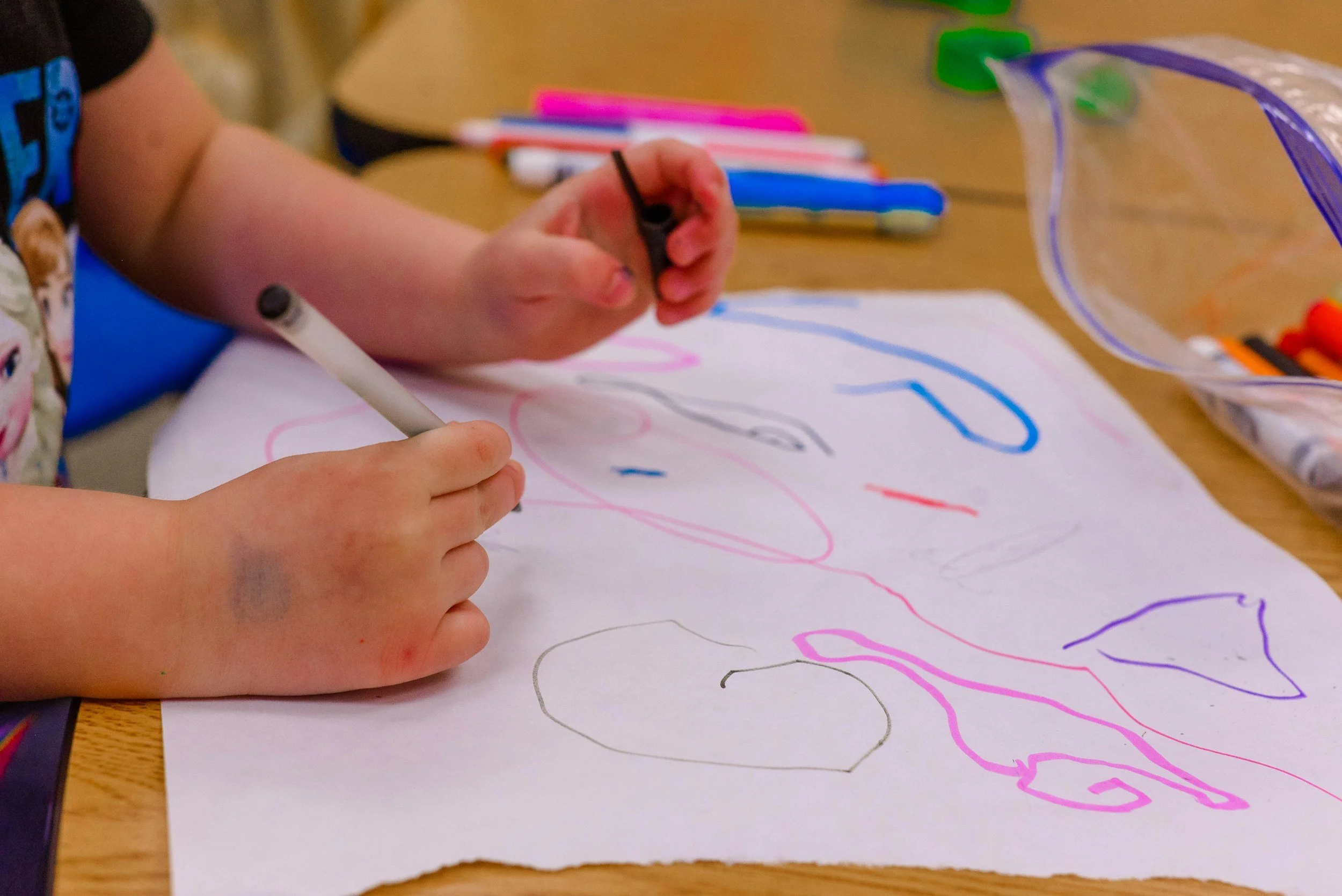
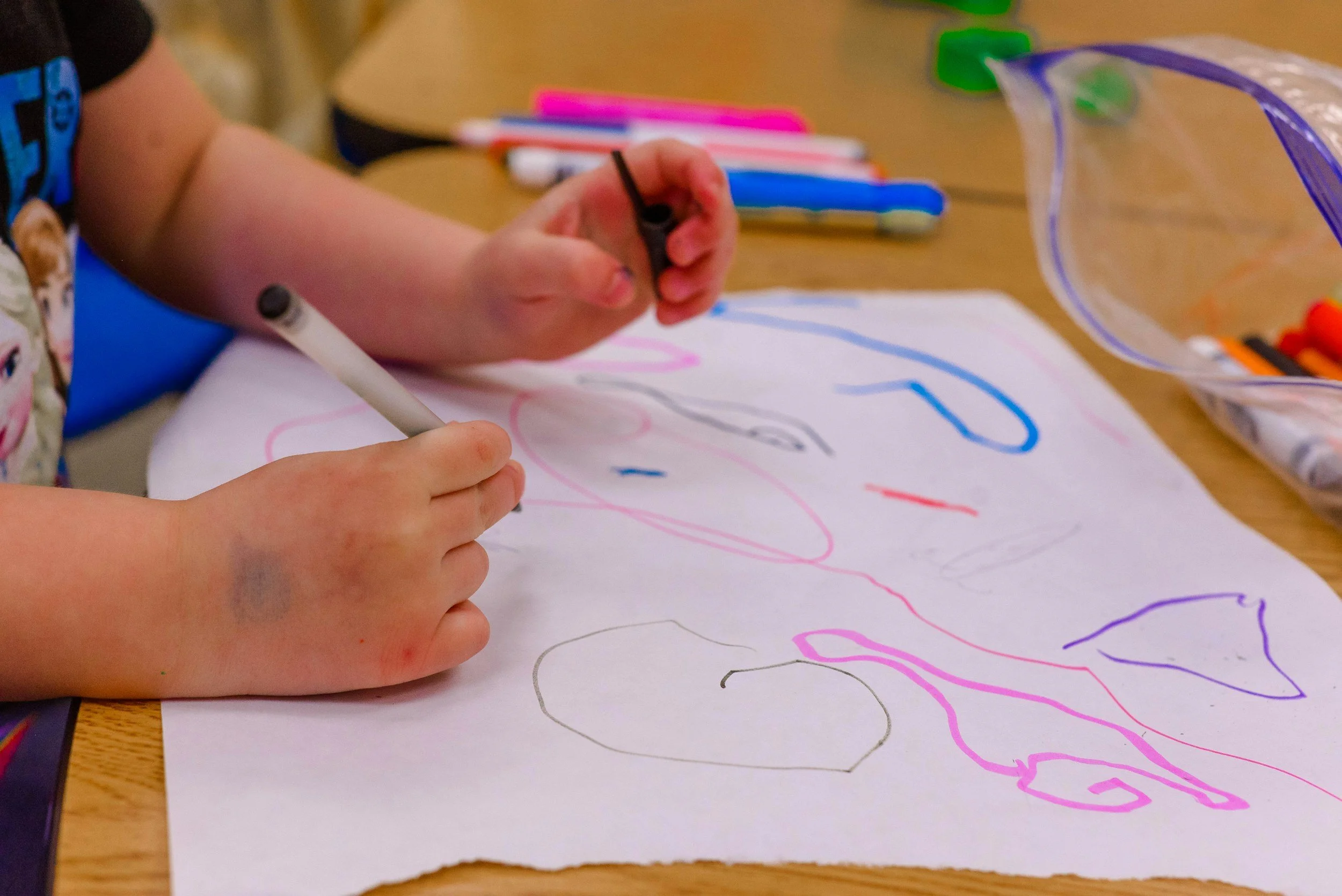
You blink your eyes, and suddenly your baby is no longer a baby. They are toddling off, and maybe even running ahead of you. You need to catch up, and that starts with their living spaces. Toddlers and preschoolers are eager to see the world and try everything, but they still need order. They want to do it themselves, but they still need plenty of help. With this guide, you can design a room to suit your child’s growing independence and ability to self-regulate.
You blink your eyes, and suddenly your baby is no longer a baby. They are toddling off, and maybe even running ahead of you. You need to catch up, and that starts with their living spaces. Toddlers and preschoolers are eager to see the world and try everything, but they still need order. They want to do it themselves, but they still need plenty of help. With this guide, you can design a room to suit your child’s growing independence and ability to self-regulate.
Design for Safety
Toddlers are notoriously distracted, clumsy, and highly active, so safety is the first rule of design. If it is possible for your kid to climb it, it’s likely that they will attempt to do so at some point. Avoid top-heavy furniture, and wait a few years before introducing in a loft bed or bunk beds. Anchor furniture to the wall, even if you think there’s no way it could ever topple. If you use rugs instead of carpet, choose non-slip varieties for your child’s active play. When you lay out the room, make it easy for your kid to get out of bed and leave the room quickly, without running into tables or tripping on toys.
Create Order
Once your child gets more physically mobile and adept at getting into things, your goal should be to make order a realistic possibility. Think about your child’s attention span, and direct your layout to go along with their abilities. Choose décor and storage solutions that your kid can use mostly by themselves. The end result should be that your child can tidy their room in less than 10 minutes each day, with only a little direction and supervision from you.
Encourage Independence
Ideally, your child will start taking over some of their own routine tasks, such as putting away their clothes or toys. If you want them to have success, you should do what the daycare summer programs do, and bring it down to their level. Instead of relying on tall, heavy chests for clothing or toys, consider low-lying, open shelving or cubbies at toddler height. Rotate your child’s clothing by season, so that they don’t have as many items to sort through and put away each time. If your kid attends preschool or daycare, you can incorporate some of their design elements to make it feel more natural.
Simplify Design and Function
Once your kid reaches a certain age, it’s tempting to try to put all their stuff in their room, but that can be too much. Children tend to get distracted and overstimulated when everything is in within their reach all day (and night), so you should aim to keep the design and functions simple. Minimize the use of technology in the room, to reduce dust accumulation and stimulation when your kid should be sleeping. Cycle through toys every month or two, instead of keeping them all out at the same time.
Establish Activity Zones
Divide up your child’s room into two or three zones, depending on size. For example, you may have a resting zone, a zone for seated tasks, and a zone for active play. Consider furniture that will fill multiple roles to reduce clutter. For smaller rooms, instead of designating multiple activity zones, try opening up an activity space in the middle of the room with storage around the perimeter. This way, your child can have the space to build a train track, use a table and chair for drawing, and read stories in the same place.
It can be difficult to tell when your child is ready to shift to a big-kid room. If you’re asking yourself the question, it’s likely time for the transition to begin. Very young children crave organization and order, while also longing to handle some of the tasks themselves. Your room design can make it easier for them to achieve both goals, while providing a fun and engaging space.
Author bio: Tammy Mays is the Chief Operating Officer of The Brunswick School, an independent early childhood and elementary institution dedicated to inspiring and empowering young learners through a nurturing, high-performing academic environment. She has extensive experience in school operations and leadership and focuses on aligning day-to-day operations with strategic goals — overseeing campus infrastructure, HR, finance, compliance, and facilities. Tammy plays a key role in scaling systems to support enrollment growth, enhancing the family experience, and fostering an inclusive, mission-driven culture grounded in continuous improvement and operational integrity.
Resources reviewed
https://www.saatva.com/blog/transition-nursery-to-big-kid-room/
https://jabaloo.com/blogs/education/montessori-at-home-simple-room-by-room-transformations-for-toddler-independence

Organizing Team Gear: How To Keep Group Uniforms, Pom Poms, And Accessories Tidy
Being part of a team is an important part of healthy development for kids. Studies show that participating in groups such as cheerleading, competitive sports, and clubs helps kids learn to better interact with peers, experience both wins and losses, work out differences, and more. But these fun and healthy activities present some fairly serious organizational challenges for parents and coaches who keep team gear at home.

Being part of a team is an important part of healthy development for kids. Studies show that participating in groups such as cheerleading, competitive sports, and clubs helps kids learn to better interact with peers, experience both wins and losses, work out differences, and more. But these fun and healthy activities present some fairly serious organizational challenges for parents and coaches who keep team gear at home.
Between items such as uniforms, shoes, hair and makeup accessories, and cheer poms, it’s important to get a handle on it so things don’t — literally — start piling up! When you learn to successfully corral everything, you’ll be able to happily take advantage of extra gear and cheer uniforms for sale without worrying about where you’ll store it all once you get home.
Start With a Defined Drop Zone
Choose one space in the house where all team gear will live. That might be a spot near the entryway, a corner of a bedroom, or a section of the laundry room. Keep it small and clearly defined. Use a basket for each child, a set of labeled hooks, or even a cube organizer with bins. Once that zone is in place, it becomes the go-to spot for uniforms, practice clothes, and accessories — no more gear drifting across every room.
Use Clear Storage and Simple Labels
Uniforms and cheer gear tend to include small parts that are easy to lose: bows, socks, hair ties, safety pins. Use clear plastic bins or drawers so you can see what’s inside without digging. Create broad categories such as “Uniform Pieces,” “Shoes,” or “Extras,” and label each one. The goal is quick access and low effort, especially for those many times when you’re heading out the door and don’t have time to hunt for the right socks.
Make Hanging Space Work Harder
Uniforms stay in better shape, and less wrinkly, when hung up, and that also keeps them out of piles. If you’re tight on closet space, consider a hanging rack behind a door or a tension rod in an unused nook. Assign a hanger for each event type (practice, competition, or game day) and keep those outfits laundered, rotated, and ready.
Make a “Go Bag”
Scrambling should take place on the sports field, not in the kitchen. Get your team player their own large “go bag” and stock it with event-day essentials. This would be all the things that your busy child goes looking for at the last minute. Think extra hair ties, safety pins, snacks, and backup uniforms, cheer poms, socks, mouth guards, etc. For extra points, take it a step further and print a checklist and tuck it inside the bag’s front pocket. After each event, restock what’s missing. This small step prevents last-minute rushing.
Reset Weekly to Avoid Pileups
At the end of each week, take 10 minutes to reset the system. Toss dirty items in the wash, put everything back in its labeled place, and clear out any items that snuck into the wrong bin. A weekly reset is more manageable than waiting for the clutter to take over. If kids are old enough, involve them in the process. They’ll be more likely to stick with the system if they help maintain it.
Rotate Seasonally
Once the season wraps up, pack away the gear in a labeled bin. Include everything from uniforms to bows so you’re not digging through offseason items when the next activity starts. Store the bin somewhere accessible, like a closet shelf or under a bed. When the next season begins, you’ll know exactly where to find what you need and what still fits.
A Little Structure Saves a Lot of Stress
Organizing team gear doesn’t require fancy containers or a full closet makeover. It just needs a simple structure that everyone in the household can follow. When uniforms have a place, accessories are easy to grab, and bags are prepped in advance, daily routines run smoother and faster, relieving stress and the need to try and save time getting there in the car or racing onto the field.
Not only will your home feel more organized, but your child will feel more confident heading into practices and events knowing exactly where everything is and that they have all their essentials on hand. And that’s a win for your team!
AUTHOR BIO: Jennifer Cronin is Vice President of Cheerleading Company, Inc., a Dallas-based manufacturer and retailer of custom cheerleading and dance uniforms, apparel, and accessories. With more than 25 years of tenure, Cronin oversees all facets of the company with a customer-centric approach.
Sources:
https://www.varsity.com/news/benefits-of-cheer/