
The Ultimate Guide to a Beautiful & Functional Entryway
We partnered with a home improvement company for this post. The opinions in the post are honest. All reviews and opinions expressed in this post are based on our personal views. We are excited because we know you will love it.
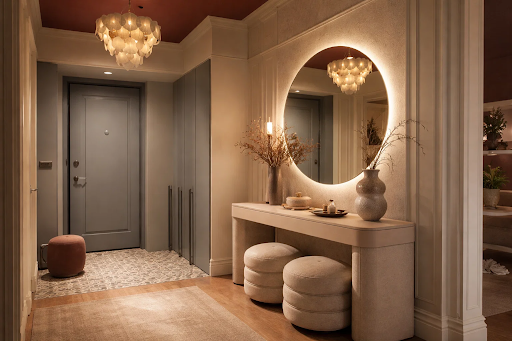
Your entryway sets the tone for your entire home. It's the first thing you see when you walk in and the last impression as you head out the door. But more than aesthetics, a well-designed entryway needs to function for real life — welcoming your family, keeping essentials in place, and offering a moment of calm on a busy day. With a few thoughtful touches, your entryway can be both beautiful and practical.
Start With Purpose
Every entryway should begin with intention. That means taking a moment to consider how your household uses this space before adding baskets, hooks, or other decorative elements.
Take note of where people naturally pause, where items tend to pile up, and what causes friction in your morning routine. For example, if shoes are scattered across the floor every morning, a simple cubby or bench with storage can solve more than just an aesthetic problem — it can save time and reduce stress.
Consider the atmosphere that you want to create in the entry area. Do you want it to be peaceful and serene when you come home? Or do you want it to be vibrant and energetic, matching the household's activity level? Your entry area sets the emotional tone for the day, so it's essential to consider this.
A Welcoming First Impression
Your entryway should greet you like a warm hello. High-end lighting plays a surprisingly big role. Soft, warm light can make even a small hallway feel inviting, while a well-placed overhead fixture or wall sconce ensures the space is functional for grabbing keys, checking the mail, or putting on shoes. If possible, natural light is ideal — even a small window or a glass panel in the door can transform the space's mood.
Mirrors are another key element. Beyond their practical use for a quick outfit check, mirrors reflect light and visually expand the space, making narrow or compact entryways feel larger and more open. Consider a full-length mirror if you have the room, or a decorative piece that doubles as art.
Organize Without Overwhelming
Begin by organizing items that already belong in this space. For example, daily-use items such as keys, bags, coats, and shoes need a designated place, while infrequently used items should be stored elsewhere. This level of simplicity is sure to help alleviate the situation and calm the space. The fewer areas that fight for one's attention, the more at peace one is in a space.
Premium furniture and smart storage solutions help maintain that balance. A small tray or bowl can catch keys and sunglasses without creating clutter. Mail organizers or baskets keep paperwork contained and prevent piles from forming on nearby surfaces. Hooks offer quick access for coats and bags, while benches or low cabinets provide hidden storage that keeps the floor clear. The key is choosing storage that feels effortless — if it's easy to put things away, it's far more likely to stay organized.
Family-Friendly Features
When an entryway works for the entire family, it becomes one of the most functional spaces in the home. Designing with kids in mind doesn't mean sacrificing style — it means creating systems that feel intuitive, accessible, and easy to maintain for everyone who uses them.
Start by thinking about independence. When children can easily reach hooks, bins, or cubbies, they're far more likely to use them. Lower hooks for backpacks and jackets encourage kids to put their things away as soon as they walk in the door, while labeled baskets or bins help them quickly identify where items belong. These small adjustments can make mornings smoother and afternoons less chaotic.
The entryway can sometimes become a "launching pad" for families, especially those with a lot going on. Sports equipment, library books, musical instruments, permission slips, and more can flow through this space. By creating a few storage "zones" using open baskets or a shared shelf, these items can reside in the entryway temporarily without overwhelming it.
Decorating With Purpose
Start with pieces that anchor the space. A runner rug instantly adds warmth and helps define the entryway, especially in open-concept homes. Beyond aesthetics, it protects floors from dirt and moisture while guiding traffic naturally through the space. Choose materials that are durable and easy to clean so beauty doesn't come at the cost of practicality.
Personal touches make it feel lived-in and cozy. A little greenery, a piece of art, or a framed family photo adds interest to a space. These personal touches give a feeling of home as soon as you step into a space, helping an entryway feel like a harmonic part of your living space rather than an add-on.
Ultimately, decorating with purpose means being thoughtful, not excessive. When decor supports function and reflects your style, the entryway becomes a place that feels balanced, welcoming, and effortlessly pulled together — a space that invites you to slow down for just a moment as you arrive home.
A well-planned entryway is more than a drop zone; it's the gateway to your home's energy and flow. By blending thoughtful organization with personal style, you can create an entryway that's both beautiful and functional, giving every family member a smoother start and end to their day.