
Before You Decorate: Essential Things to Consider When Moving into a New Home

Moving into a new home is exciting, but it can also be deceptively overwhelming. Between boxes, paperwork, and the urge to immediately start buying décor, it is easy to rush into decisions you will regret later. Before you hang artwork or order a sofa, take a breath and focus on a few smart steps that will make decorating easier, cheaper, and far more satisfying in the long run.
Start With the Essentials First
Before you think about paint colors or statement lighting, make sure your home is functioning properly. This is the moment to check things like plumbing, electrical outlets, heating and cooling systems, smoke detectors, and any small repairs that could become bigger headaches later.
A good rule is to handle basic safety and maintenance before spending money on décor. It makes no sense to invest in a beautiful living room rug if you later discover a slow leak near the window that ruins it. Get the boring stuff done first so your decorating decisions are not interrupted by unexpected repairs.
Choose the Right Location (Because Décor Can’t Fix Everything)
Your home’s location impacts your daily life more than any furniture choice ever will. Consider commute times, public transport access, school districts, noise levels, and how the neighborhood feels at different times of day. A street that seems peaceful at noon may turn into a traffic nightmare during rush hour.
This is also why renters should think carefully before signing a lease. For instance, people searching for rentals in Applecross near Perth often choose the area because it offers a balance of riverfront scenery, walkable streets, and quick access to the city. These attributes make it a great example of how location can shape lifestyle. No amount of decorating can replace the convenience of living somewhere that genuinely works for your routine.
Unpack With Intention Instead of Chaos

Most people unpack in a panic, shoving items into random drawers to make the boxes disappear. But rushing the process can lead to cluttered spaces and permanent, messy storage. Instead, unpack room by room and set up the spaces you use daily first, such as the kitchen, bathroom, and bedroom.
Focus on functional organization before aesthetic choices. For example, decide where your everyday plates will go before buying decorative glassware, and set up a simple closet system before purchasing extra shelves. Once your essentials are logically placed, your home naturally starts feeling calmer and more livable.
Measure Everything (Yes, Even the Hallways)
It is surprisingly common for people to fall in love with furniture online, only to realize it does not fit through the front door. Before you buy anything major, measure your rooms, doorways, staircases, and awkward corners. Take note of ceiling height as well, especially if you are considering tall shelving units or statement lighting.
The key is realistic space planning. Let’s say that an oversized sectional might look stunning in a showroom. But if it blocks your living room walkway or covers half your windows, it will feel cramped instead of cozy. Even smaller choices like side tables can make a room feel crowded if the proportions are wrong.
Get to Know the Light Before Picking Colors
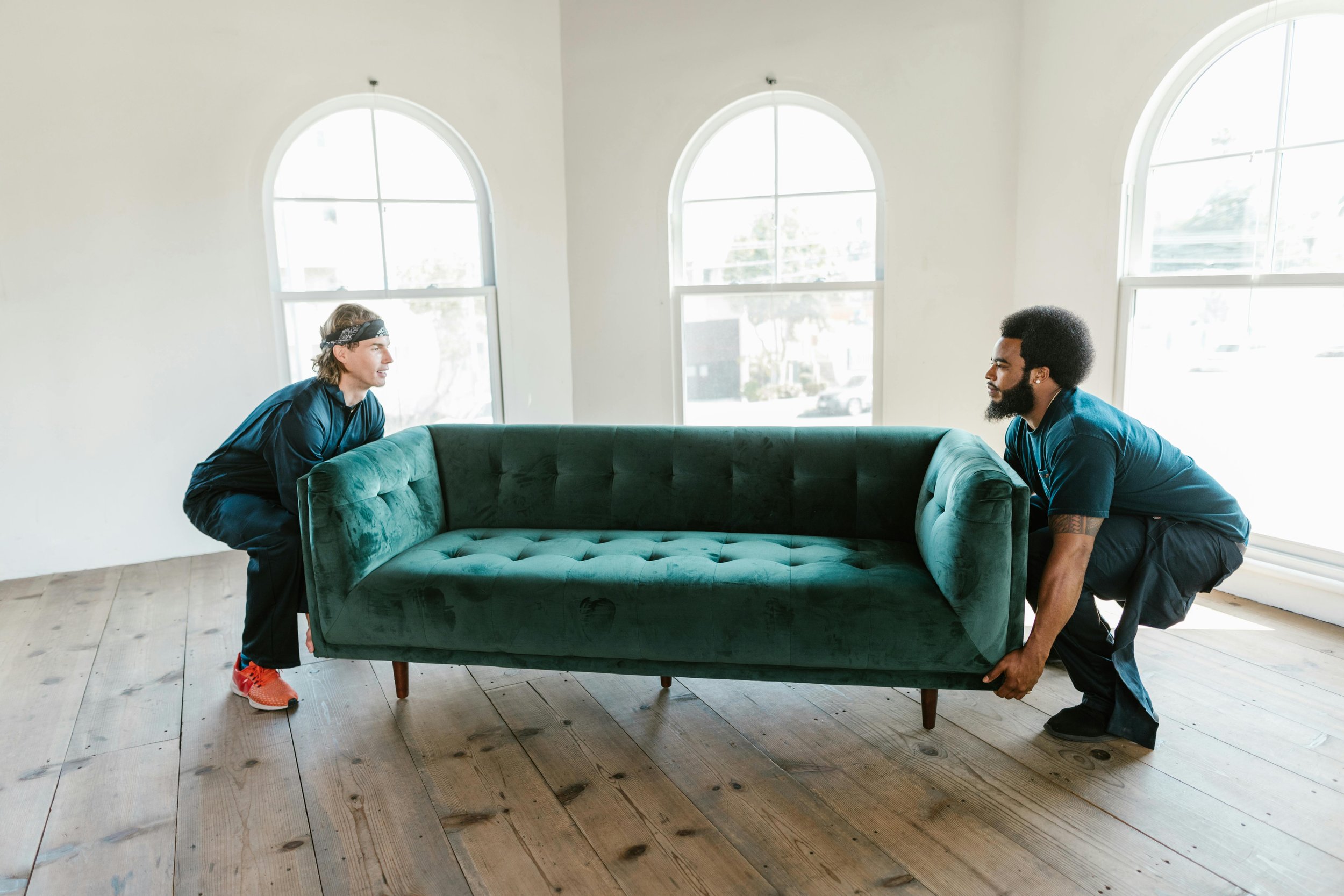
Paint samples can look completely different depending on lighting, and this is one of the most common decorating mistakes new homeowners make. Natural light shifts throughout the day, and artificial light can change the tone of everything from wall paint to flooring. A warm beige might look creamy in the morning and dull or yellow at night.
This is why lighting affects every design decision. Try living in your home for at least a few days before choosing paint colors, curtains, or even rugs. If possible, test paint swatches directly on the wall and observe them at different times. A shade that feels perfect at 2 PM may feel completely wrong under evening lamps.
Make the Space Work Before You Make It Pretty
Decorating a new home is not just about making it look good, it is about making it feel right. When you take time to handle essentials, plan your layout, understand lighting, and set a realistic budget, you create a foundation for a home that truly supports your life. Once the practical steps are done, you can focus on style choices with confidence and build a space that feels comfortable, personal, and genuinely yours.