
Storage Habits That Make Produce Go Bad Faster
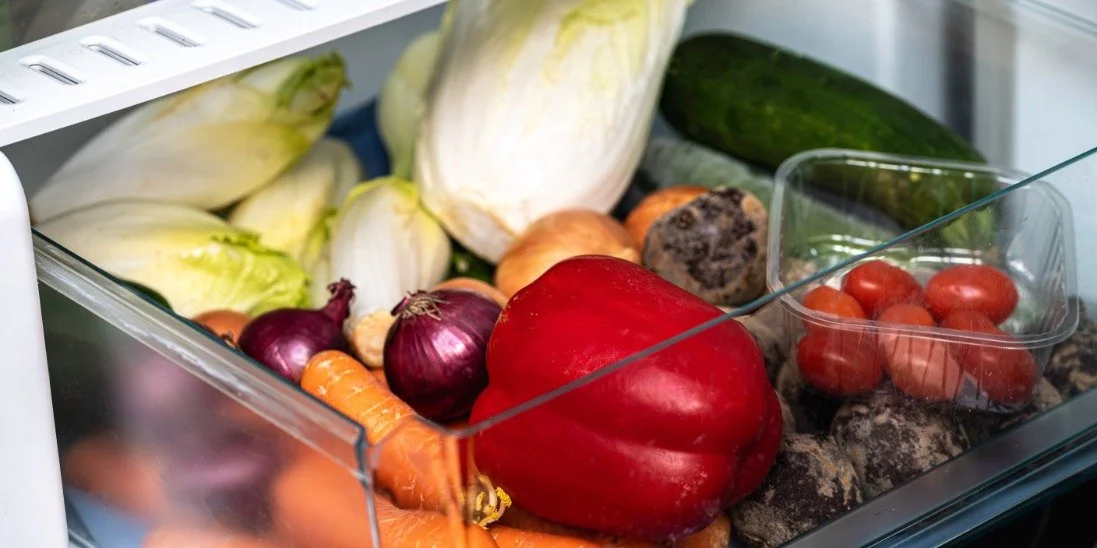
Fresh produce always sounds like a great idea at the grocery store, but a few days later, it can feel like half of it is already headed for the trash. For busy families, that usually is not because anyone did something “wrong.” More often, it comes down to a few small storage habits that make produce go bad faster than expected. The good news is that once you notice these patterns, they can easily be replaced with better ones that help food last longer.
Sealing Produce Too Tightly
A lot of people transfer fruits and vegetables into airtight containers right away because it looks neat and keeps the fridge organized. The problem is that not everything does well without airflow. Some produce holds moisture and breaks down faster when it is sealed up too tightly.
That is one reason food waste can sneak up so quickly, especially with fruits and vegetables that need ventilation, but end up trapped in closed containers or packed drawers instead.
Overcrowding Produce in the Fridge
Even a well-stocked fridge can work against you if everything is packed in too tightly. When produce is stacked on top of other items, delicate fruits and vegetables bruise faster and older items disappear into the back.
It also becomes harder to see what needs to be used first. Leaving a little space between items makes a bigger difference than most people expect, and it helps you actually use what you bought.
Storing the Wrong Produce Together
It is easy to toss everything into one drawer or bin, especially after a busy grocery run. But some fruits ripen quickly and can cause nearby vegetables to spoil sooner.
Keeping everything together may feel convenient in the moment, but separating just a few items can help the rest of your groceries last longer and reduce how much ends up getting thrown away.
Putting Produce Away While Damp
Washing produce right after shopping feels like a productive step, but storing it while it is still damp can shorten its shelf life. Extra moisture creates the perfect environment for softer items to turn slimy or moldy faster than expected.
In many cases, it is better to wait until you are ready to use it, or at least take a moment to dry everything before putting it away.
Making Small Storage Changes That Add Up
You do not need a perfectly organized kitchen to waste less food. A few small adjustments, like giving produce more breathing room, cutting back on extra moisture, and separating certain items, can go a long way.
When you focus on how you store your food, those bad habits that make produce go bad start disappearing, and your groceries last longer without adding extra work to your routine.