
Can Your Current HVAC System Handle Your Remodel?
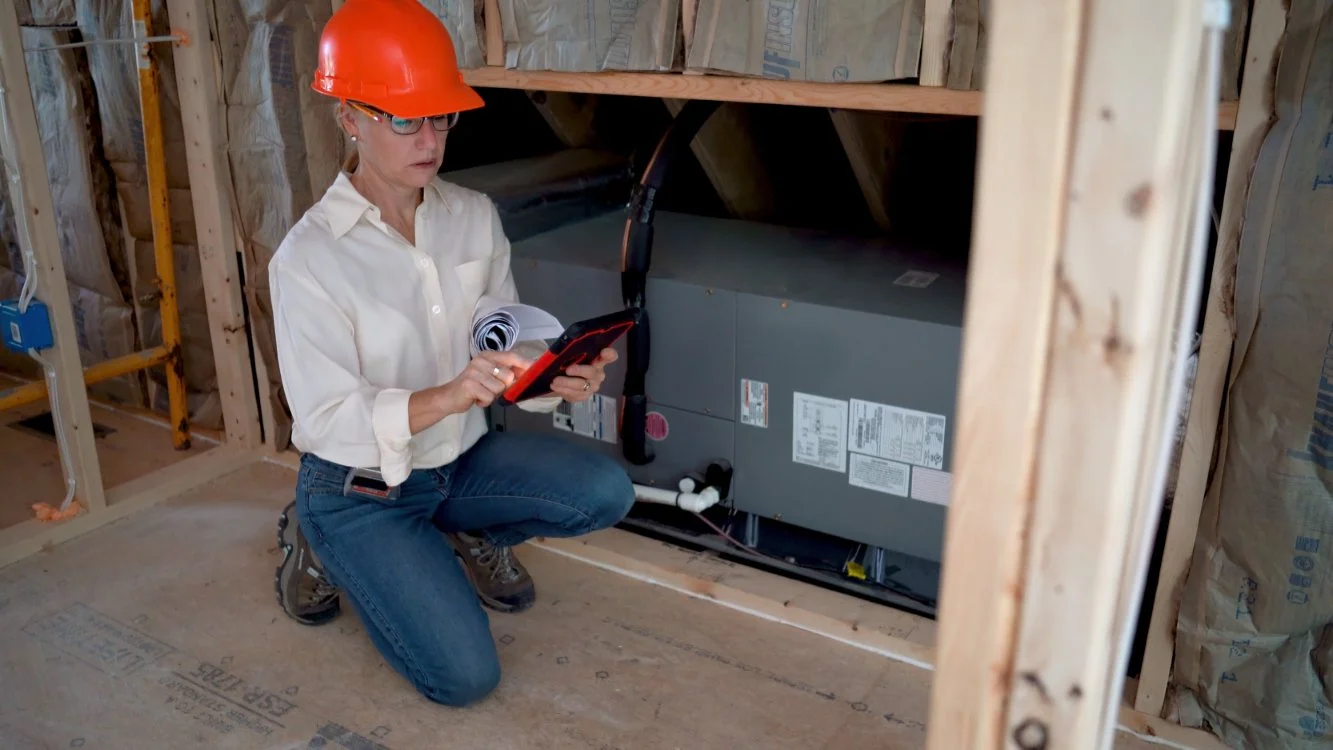
Remodeling your home is an exciting opportunity to create a space that better fits your lifestyle, improves comfort, and increases property value. But while most homeowners focus on layout, finishes, and design, one critical element often gets overlooked: the HVAC system. Heating and cooling equipment is designed to support a specific amount of square footage and airflow. When you change the structure of your home—whether by opening walls, adding rooms, finishing a basement, or expanding upward—you also change the demands placed on your HVAC system.
Before you finalize your remodel plans, it’s essential to understand how these changes affect heating and cooling performance. Evaluating your current system early can save you from comfort issues, high energy bills, and costly rework after construction is complete.
How Remodeling Affects HVAC Performance
Any change to your home’s layout has the potential to disrupt the balance your HVAC system was originally designed to maintain. For example, open‑concept designs eliminate walls that once helped contain conditioned air. Adding square footage increases the volume of space your system must heat or cool. Converting attics, basements, or garages into living areas introduces new temperature challenges, especially if those spaces weren’t originally connected to the HVAC system.
Even seemingly small updates—like enlarging windows or changing insulation—can alter how your home retains heat. These changes affect airflow, temperature distribution, and overall system efficiency. Without proper planning, you may end up with rooms that are too hot in summer, too cold in winter, or consistently uncomfortable year‑round.
Signs Your HVAC System Is Undersized or Overworked
Before you remodel, take a close look at how your current HVAC system performs. If you’re already experiencing issues, a renovation may amplify them. Here are common signs your system may be struggling:
Uneven Temperatures Throughout the Home
If certain rooms are consistently warmer or cooler than others, your system may not be distributing air effectively—or it may be undersized for your existing layout. Uneven temperatures often become more noticeable when you change the layout or airflow patterns during a remodel. This imbalance can also indicate duct leaks or poor insulation that should be addressed before construction begins.
Long or Frequent HVAC Cycles
If your system runs constantly or cycles on and off too often, it’s working harder than it should. This often indicates that the equipment is too small or that airflow is restricted. Over time, excessive cycling can shorten the lifespan of your HVAC system. It may also lead to higher energy consumption as the system struggles to maintain consistent temperatures.
Rising Energy Bills
If your utility costs have increased without a clear explanation, your HVAC system may be compensating for inefficiencies or insufficient capacity. A remodel can worsen this issue if additional square footage is added without adjusting the system. Higher bills are often one of the first signs homeowners notice when their HVAC system is no longer keeping up.
Excessive Noise
Loud operation, rattling ducts, or whistling vents can signal airflow problems or equipment strain. These noises may become more pronounced when walls are removed or ductwork is altered during a remodel. Persistent noise is often a sign that the system is fighting against pressure imbalances or blockages.
Poor Indoor Air Quality
Dust buildup, humidity issues, or stale air may indicate that your system isn’t circulating or filtering air properly. Remodeling can introduce even more dust and debris, making air quality problems worse. Poor filtration or inadequate airflow can also contribute to allergy symptoms and general discomfort in the home.
If you’re already noticing these symptoms, your remodel is the perfect time to address them. Making HVAC improvements during construction is far easier and more cost‑effective than trying to fix problems afterward.
How Added Square Footage Changes Heating and Cooling Loads
One of the most important factors in HVAC design is load calculation—the process of determining how much heating and cooling a home requires. When you add square footage, finish unused spaces, or change the structure of your home, the load changes too.
More space doesn’t automatically mean you need a larger system, but it does mean your existing system must be reevaluated. For example:
Finishing a Basement adds conditioned space that may require new ductwork or zoning.
Adding a Bedroom or Office increases the demand for both heating and cooling.
Expanding a Kitchen introduces heat‑producing appliances that affect cooling needs.
Adding Large Windows or Skylights increases solar heat gain, especially in summer.
Your HVAC system must be properly sized to handle these changes. An undersized system will run constantly and still fail to keep your home comfortable. An oversized system will short‑cycle, wasting energy and wearing out faster.
Ductwork also plays a major role. If ducts aren’t extended, resized, or redesigned to match your new layout, airflow will suffer—even if your equipment is adequate.
The Role of Attic Insulation in Remodel‑Ready HVAC Performance
Attic insulation is one of the most overlooked components of a successful remodel, yet it has a major impact on HVAC performance. Insulation acts as a thermal barrier, reducing heat loss in winter and heat gain in summer. When insulation is inadequate, your HVAC system must work harder to maintain comfortable temperatures, which can lead to higher energy bills and unnecessary strain on the equipment.
It Reduces Strain on Your HVAC System
Better insulation means your system doesn’t have to run as often or as long, which can extend the lifespan of your equipment. By minimizing heat transfer, insulation helps your HVAC system maintain stable temperatures with less effort. This reduced workload can also improve overall system efficiency, especially in homes undergoing major layout changes.
It Improves Comfort in Both New and Existing Spaces
Proper insulation helps maintain consistent temperatures throughout the home, especially in rooms located near the attic. This is particularly important during a remodel, when airflow patterns may shift, and new spaces are added. Improved insulation also helps reduce drafts and temperature swings, making your remodeled areas feel more comfortable year‑round.
It May Prevent the Need for a Larger HVAC System
Sometimes, improving insulation and sealing air leaks can reduce the heating and cooling load enough that your existing HVAC system becomes adequate again. This can save homeowners thousands of dollars by avoiding an unnecessary equipment upgrade. Insulation professionals, such as someone like AtticNerds, can evaluate your attic and identify opportunities to improve efficiency before you commit to a new system.
It’s Easiest to Upgrade During Construction
When contractors already have access to walls, ceilings, and attic spaces, insulation improvements are simpler and more cost‑effective. Upgrading insulation during a remodel also ensures that your HVAC system is supported by a strong thermal envelope from day one. Coordinating with insulation professionals during the planning phase helps ensure the work is done at the right time and integrates smoothly with the rest of the project.
If you’re planning a remodel, evaluating attic insulation should be part of your HVAC strategy—not an afterthought. Addressing insulation early helps create a more efficient, comfortable home and ensures your HVAC system can perform at its best once the remodel is complete.
When Your Existing System Might Still Work
Not every remodel requires a new HVAC system. In some cases, your existing equipment may be sufficient with a few adjustments. For example:
Minor Layout Changes may only require duct modifications.
Zoning Systems can help balance temperatures in newly remodeled areas.
Improved Insulation can reduce the load enough to keep your current system viable.
Upgraded Thermostats can improve efficiency and comfort without replacing equipment.
A professional evaluation will help determine whether your system can handle the changes or if upgrades are necessary.
When It’s Time to Upgrade or Modify Your HVAC System
There are times when keeping your existing HVAC system simply isn’t practical, especially when a remodel significantly changes the way your home functions. If you’re adding a large amount of new square footage, your current system may no longer have the capacity to heat and cool the expanded space effectively. The same is true when you convert areas like attics, basements, or garages into living spaces, since these rooms often have different temperature needs and may not have been connected to the original ductwork.
Age is another important factor. If your HVAC system is more than 10–15 years old, it may already be nearing the end of its lifespan, making a remodel the ideal time to replace it rather than waiting for a breakdown. Ongoing comfort issues—such as persistent hot and cold spots or humidity problems—can also signal that your system is no longer meeting your home’s needs. In some cases, the system may have been undersized or inefficient from the start, and the remodel simply makes those shortcomings more noticeable.
Upgrading during a remodel is often more cost‑effective than waiting until construction is complete, since walls are already open and contractors are on‑site. Making these changes now ensures your newly updated space is comfortable from the moment you move back in, without the need for disruptive work later.
Why a Professional HVAC Assessment Is Essential
Before finalizing your remodel plans, it’s important to schedule a professional HVAC assessment to understand exactly how your system will respond to the changes you’re planning. HVAC professionals, such as McIntosh Heating & Cooling, rely on precise tools and calculations that go far beyond guesswork, allowing them to evaluate your home’s heating and cooling needs with accuracy. During an assessment, they’ll determine whether your current system can handle the new layout by performing detailed load calculations and examining the condition and capacity of your ductwork. They also look for insulation gaps, air leaks, and other hidden issues that could undermine the performance of your remodeled space. Based on their findings, they can recommend system modifications or upgrades that will support both comfort and efficiency. A professional assessment also ensures your remodel complies with building codes and modern energy‑efficiency standards, which protects you from unexpected problems later. Most importantly, this early evaluation helps you avoid costly mistakes—like discovering after the drywall is up that ductwork needs to be rerouted or resized.
Integrating HVAC Planning Into Your Remodel Timeline
To avoid delays and rework, HVAC planning should be integrated into your remodel timeline from the very beginning. It’s important to bring a professional who’s familiar with remodeling and HVAC, such as someone like Romar Construction & Remodeling, into the design phase so they can evaluate your home’s layout, airflow needs, and any changes that may affect system performance. As your contractor begins mapping out the remodel, the placement of ductwork, vents, and equipment should be coordinated to ensure everything fits seamlessly into the new design. Insulation upgrades—especially in the attic—should be scheduled before drywall goes up so the home’s thermal envelope supports the HVAC system effectively. Once construction wraps up, the HVAC system should be tested to confirm that airflow, temperature balance, and efficiency meet expectations. Taking these steps early ensures your remodel is both beautiful and comfortable.
Your HVAC system plays a major role in the comfort, efficiency, and long‑term value of your remodeled home. By evaluating your current system early, understanding how remodeling affects heating and cooling loads, and considering attic insulation as part of your plan, you can avoid costly mistakes and ensure your new space feels as good as it looks. Working with HVAC professionals gives you the insight and guidance needed to make smart decisions—so your remodel delivers the comfort and performance you expect for years to come.