
The Most Overlooked System in Your Home Before Summer
We partnered with a home improvement company for this post. The opinions in the post are honest. All reviews and opinions expressed in this post are based on our personal views. We are excited because we know you will love it.
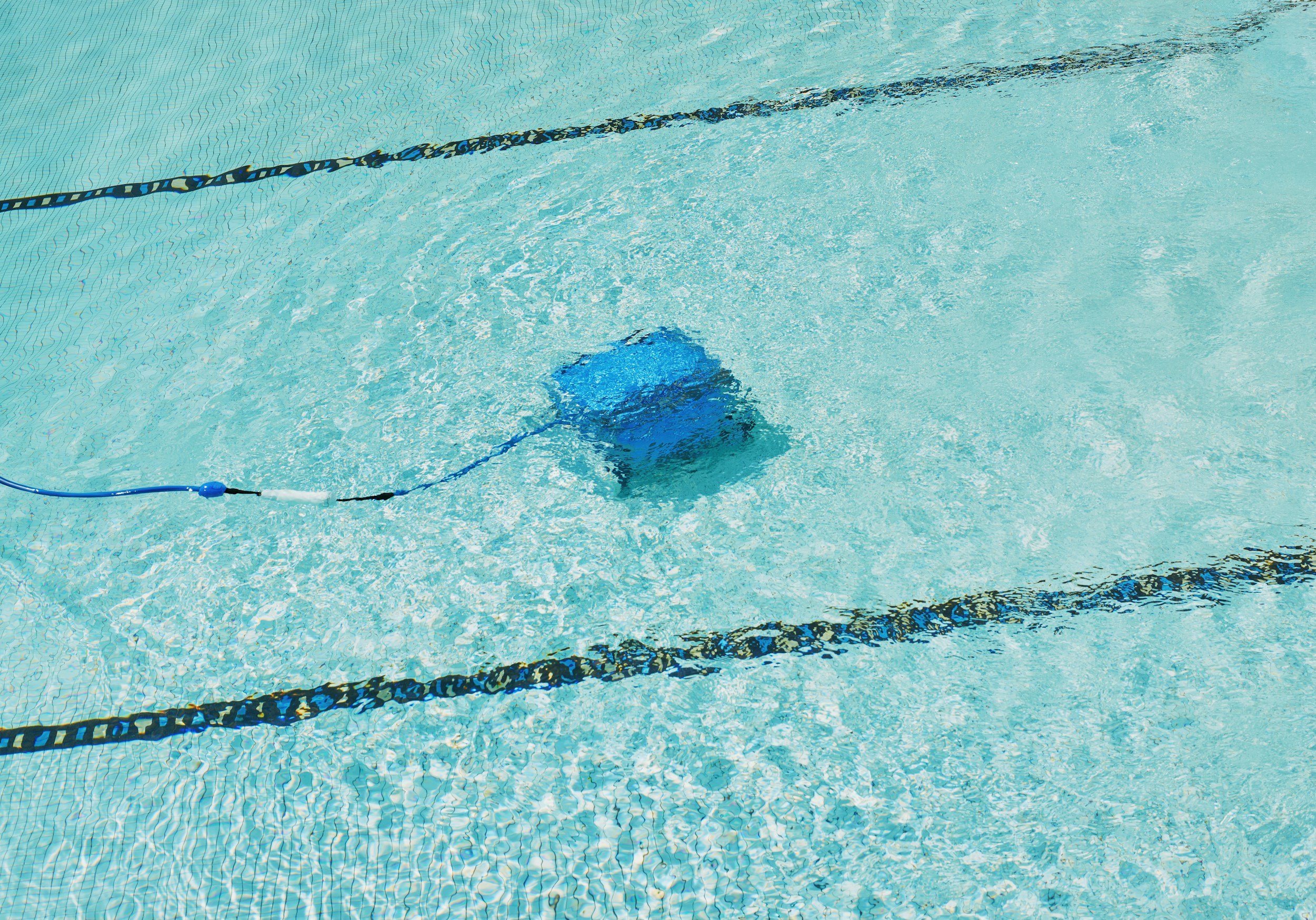
Before summer hits full force, most homeowners focus on the obvious, cooling and outdoor prep, but overlook how systems actually handle increased demand. Even something as simple as a pool robot hints at a bigger picture: your home is about to operate under constant load, and the systems behind it matter more than you think when preparing your home for summer.
Overlooked Areas in Summer Home Maintenance
Most people focus on what they can see, lawn care, AC performance, maybe gutters, but ignore systems that quietly take the biggest hit in summer home maintenance: plumbing, drainage, and ventilation.
The pattern is that homeowners react to visible problems but skip the systems that prevent them. They don’t overlook tasks, they overlook timing and cause-and-effect.
They wait until the AC struggles, the yard floods, or the water pressure drops, and then react. What’s actually missed is the transition period, when a home shifts from low winter demand to high summer stress while preparing your home for summer.
That’s when small existing weaknesses get exposed. Outdoor plumbing can show damage from winter, drainage issues surface quickly during storms, attic ventilation problems build heat, and pressure changes appear with increased demand.
The real oversight isn’t a checklist item, it’s ignoring how quickly systems go from " fine" to "failing" under seasonal load.
Why Plumbing Matters When Preparing Your Home for Summer
Because summer is when your plumbing works overtime and small issues turn into expensive ones fast, something often overlooked in summer home maintenance.
Water usage spikes with more showers, laundry, sprinklers, hoses, and pools, which increases the risk of clogs and pressure strain. Pressure inconsistencies become more noticeable, and soil expansion can add stress to the system.
Plumbing isn’t just pipes, it’s your home’s water management system. It’s the only system that connects daily behavior directly to structural risk.
You can ignore a slightly inefficient AC for a while. You can’t ignore water.
If it fails, it affects everything from comfort to structural integrity, leading to leaks, mold, foundation moisture issues, and hidden damage behind walls. Plumbing isn’t about convenience, it’s about controlling where water goes and where it doesn’t, one of the core ideas behind effective summer home maintenance tips.
Common Summer Plumbing Problems Homeowners Face
Summer has its own "personality" when it comes to plumbing issues, but it doesn’t create new problems, it reveals weak points during summer home maintenance.
The most common issues are delayed reactions. A pipe weakened in winter finally starts leaking, tree roots that were dormant start invading sewer lines, and slight clogs become full blockages under heavier use. Minor leaks can quickly become major problems because increased usage puts more pressure on weak spots.
Higher usage also brings clogged drains, low water pressure from peak demand, and water heater strain from increased daily use. Outdoor faucet or hose leaks often show up late from freeze damage.
What makes summer unique is volume and frequency. Systems that handled light use suddenly can’t keep up, so the real pattern isn’t new problems, it’s old problems accelerating.
How Pool Systems Connect to Your Home’s Plumbing
Your pool isn’t a separate system, it’s a high-demand extension of your home’s plumbing, which becomes especially important when you get your home ready for summer.
It ties into your water supply lines for filling and topping off, drainage and waste lines for backwashing or draining, and electrical and pump systems that rely on proper water flow. It pulls from the same water supply, drainage capacity, and pressure system.
That means every time you refill the pool, backwash the filter, or deal with evaporation, you’re adding load to your home’s plumbing.
If your home plumbing has pressure issues or leaks, your pool system can suffer, and vice versa. Improper drainage can overload your yard and affect your foundation. If your system is already borderline, the pool is often what pushes it over the edge.
Pool Checks Before Preparing Your Home for Summer
Don’t just check if the pool is clean, check if it’s stable under stress as part of preparing your home for summer.
Don’t just skim leaves and call it done, look at the system behind the water. Most costly pool issues don’t start in the water, they start in the plumbing and circulation system.
Focus on pump and filter performance, leaks around connections and valves, water level consistency, and backwash or drain lines to ensure proper discharge. Chemical balance should be set as a baseline before heavy use.
The key question is whether the system will still work the same after a few weeks of heavy use. Look at flow consistency, not just whether it’s running, along with subtle water loss and pressure changes in the system.
Most pool failures don’t happen on day one, they show up mid-season when everything is already in use.
Other Systems to Check During Summer Home Maintenance
A well-prepared home works like a system, not a checklist. The goal isn’t checking boxes, it’s making sure heat, water, and airflow are all managed properly together during summer home maintenance.
Instead of listing systems, think in terms of forces acting on your home. Summer introduces heat, water, and expansion, so inspect anything that manages those.
That includes air movement through the HVAC system, filters, coils, airflow, and attic ventilation to handle heat. Drainage, gutters, downspouts, and foundation grading handle water, especially during summer storms. Materials, seals, and even electrical load come into play when dealing with expansion, contraction, and increased demand from outdoor equipment.
This approach is stronger than a checklist because it helps homeowners understand why they’re inspecting something.
Summer Home Maintenance Tips That Prevent Problems
The best summer home maintenance tips aren’t about doing more, they’re about thinking differently.
Focus on reducing water pressure stress by fixing leaks early and monitoring pressure, keeping air moving through vents, filters, and attic airflow, and managing water direction so it always moves away from your home. Catch minor wear before peak usage hits, especially anything used more in summer.
Most homeowners miss warning signs like slight drops in water pressure, longer drainage times, or rooms that heat unevenly. These aren’t random, they’re early indicators.
If you act at that stage, the fix is simple. If you wait, it becomes a repair. Prevention isn’t about effort, it’s about paying attention sooner, one of the most practical summer home maintenance tips to follow.
Preventative Steps to Get Your Home Ready for Summer
Preventative maintenance isn’t about avoiding work, it’s about avoiding timing disasters when you get your home ready for summer.
Summer problems tend to happen during peak usage, are harder to schedule repairs for when everyone needs help at once, and cost more due to urgency. Contractors are busier, costs are higher, and delays are longer.
A small fix in spring takes 30 minutes, costs little, and prevents a mid-July emergency. So the same issue in spring is a minor inconvenience, but in July it becomes a major disruption.
It’s the difference between control vs. reaction. The real value of preventative maintenance is control over timing, not just cost savings when preparing your home for summer.
A Simple Checklist for Preparing Your Home for Summer
Start with plumbing and drainage since they overlap, this is the foundation of preparing your home for summer. Check outdoor faucets and hoses for leaks, test water pressure, and inspect visible pipes for corrosion or drips. At the same time, clean gutters and downspouts and make sure water flows away from the foundation. This covers both leaks and how water is handled around the house.
Move to HVAC. Replace filters, check airflow and vents, and schedule a quick system inspection if needed. This ensures air is moving properly and the system isn’t under strain.
For exterior and structure, inspect roof and attic ventilation and seal cracks around windows and doors. While doing that, keep an eye out for signs of moisture or mold, and test the sump pump if you have one.
If there’s a pool, inspect the pump, filter, and connections, check for leaks, and balance the water before regular use.
Instead of thinking in separate categories, you can also simplify everything into a 3-part system check, one of the most effective ways to get your home ready for summer.
Water control means checking for leaks, slow drains, pressure changes, and confirming water moves away from the house properly. Air movement is about consistent airflow in all rooms with clean, unobstructed filters and vents. Load capacity comes down to whether your systems can handle increased use across plumbing, HVAC, pool, and electrical.
If those three areas are solid, most summer issues never escalate.