

A resource for those seeking information on organizing and transforming spaces.
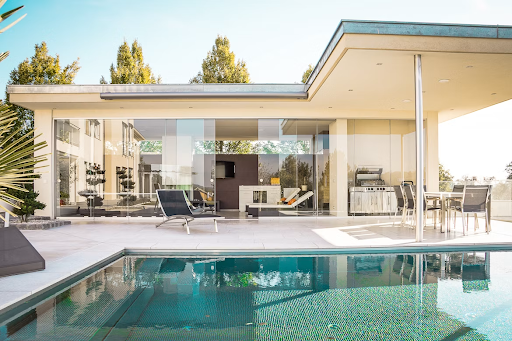
Maintaining Your Outdoor Oasis All Season Long
An outdoor pool or water feature can turn your backyard into your own private escape, a spot for kicking back and making memories. But keeping that oasis sparkling and healthy means looking after it all year round. From those first warm spring days to the crisp air of autumn, a simple maintenance routine can stop big problems before they start and make sure your water is always ready for you to jump in.
We partnered with a home improvement company for this post. The opinions in the post are honest. All reviews and opinions expressed in this post are based on our personal views. We are excited because we know you will love it.
An outdoor pool or water feature can turn your backyard into your own private escape, a spot for kicking back and making memories. But keeping that oasis sparkling and healthy means looking after it all year round. From those first warm spring days to the crisp air of autumn, a simple maintenance routine can stop big problems before they start and make sure your water is always ready for you to jump in.
Seasonal Cleanup Strategies
Every season brings its own chores for keeping your outdoor features in tip-top shape. In spring, it's all about getting things open. That means taking off the winter cover, clearing out any leaves and gunk that built up, and giving everything a good scrub. You'll also want to check for any damage that might have happened over the colder months.
As summer rolls on, regularly skimming off floating leaves, bugs, and other debris is important. Then, in the fall, you'll do the opposite, getting ready for colder weather by clearing out fallen leaves more often so they don't sink and rot. Taking care of your outdoor water feature is something you do all year, and it really pays off with a beautiful, working space.
Water Chemistry Basics for Clear Water
Keeping your water chemistry balanced is probably the most important part of looking after your pool or fountain. Water that's out of whack won't just look gross; it can also mess up your equipment and irritate your skin and eyes. You'll want to keep an eye on three main things: pH, alkalinity, and sanitizer levels.
pH: This tells you how acidic or basic your water is. Aim for a range of 7.4 to 7.6, which is comfy for swimmers and helps your sanitizer do its job well.
Alkalinity: Think of this as a buffer for your pH. It helps stop those wild swings. Keeping it in the right range makes it way easier to keep your pH stable.
Sanitizer: Chlorine is the usual go-to for killing bacteria and stopping algae. You should check these levels often to make sure they're working effectively.
Testing your water a few times a week with a home kit can help you stay on top of these levels. If balancing chemicals feels like too much or you'd rather let a pro handle it, professional pool services can take care of your water chemistry for you, helping you keep your pool crystal clear without you having to lift a finger.
Essential Equipment Checks
Your pool's circulation system, which includes the pump, filter, and skimmers, works hard to keep the water moving and clean. Regular checks can catch little issues before they turn into pricey repairs. Listen to your pump motor; any new or strange noises could mean trouble. Check the pump and skimmer baskets every week and empty them when needed to keep the water flowing strong.
The filter is like the heart of the system, trapping dirt and debris. Whether you have a sand, cartridge, or diatomaceous earth (DE) filter, it needs to be cleaned every now and then. A pressure gauge on the filter will tell you when it's cleaning time. When the pressure reads 8-10 PSI higher than its normal clean level, it's time to backwash or clean the filter media.
Handling Common Issues
Even if you're diligent with maintenance, you might still run into problems like cloudy water or algae. Cloudy water often means your filter isn't working right or your chemicals are off. First, test the water and make sure your filter is clean and running properly. Sometimes, a water clarifier can help tiny particles stick together so the filter can catch them.
Algae blooms can turn your water green overnight. This usually happens when sanitizer levels are too low, especially when it's hot and sunny. To fix it, you'll need to scrub the pool surfaces really well, "shock" the water with a big dose of sanitizer, and run the filter constantly until the water clears up.
Winterizing Your Outdoor Features
Properly closing your pool or fountain for winter is crucial to protect it from freezing and getting damaged. When the temperature consistently drops, it's time to winterize. This means lowering the water level below the skimmer line and blowing all the water out of the plumbing lines so pipes don't freeze and crack.
Once the lines are clear, you'll add winterizing chemicals to the water to stop it from turning into a swamp during the off-season. Finally, cover the pool or feature with a strong, well-fitting safety cover. This not only keeps out debris but also prevents accidental falls.
Just a little bit of work each season is all it takes to protect your investment and make sure your outdoor oasis is ready for fun whenever you are.
The Most Overlooked System in Your Home Before Summer
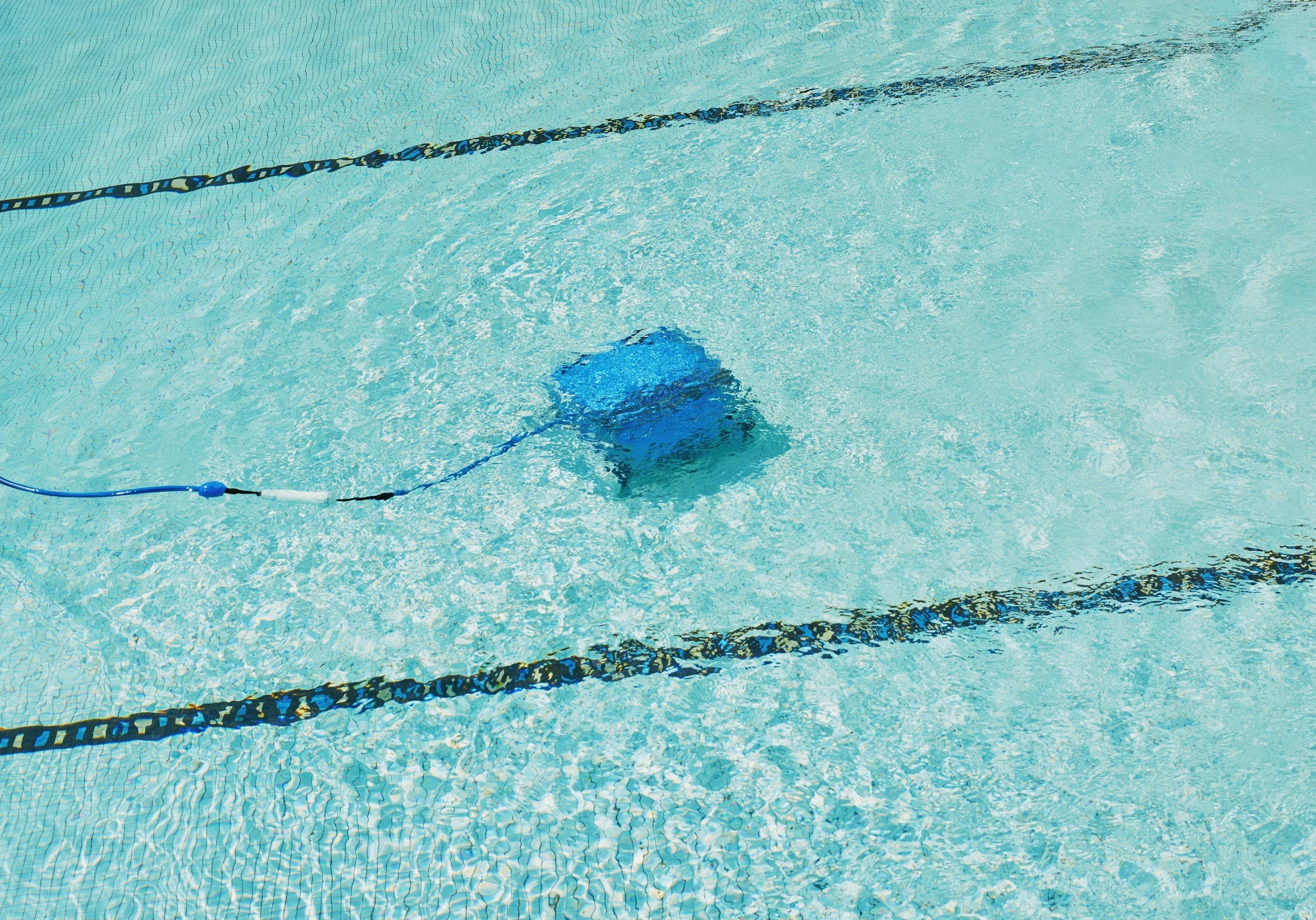
Before summer hits full force, most homeowners focus on the obvious, cooling and outdoor prep, but overlook how systems actually handle increased demand. Even something as simple as a pool robot hints at a bigger picture: your home is about to operate under constant load, and the systems behind it matter more than you think when preparing your home for summer.
We partnered with a home improvement company for this post. The opinions in the post are honest. All reviews and opinions expressed in this post are based on our personal views. We are excited because we know you will love it.
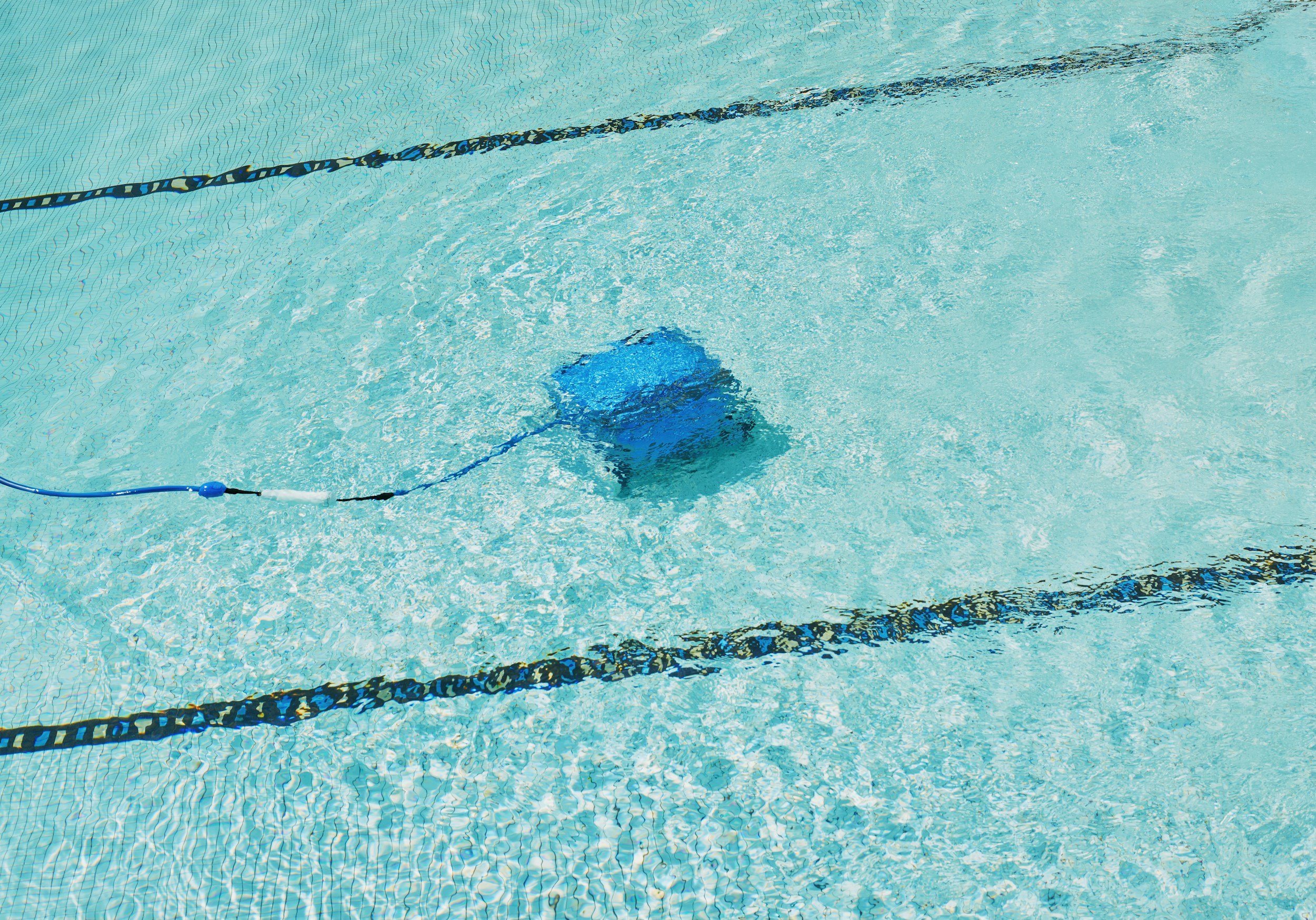
Before summer hits full force, most homeowners focus on the obvious, cooling and outdoor prep, but overlook how systems actually handle increased demand. Even something as simple as a pool robot hints at a bigger picture: your home is about to operate under constant load, and the systems behind it matter more than you think when preparing your home for summer.
Overlooked Areas in Summer Home Maintenance
Most people focus on what they can see, lawn care, AC performance, maybe gutters, but ignore systems that quietly take the biggest hit in summer home maintenance: plumbing, drainage, and ventilation.
The pattern is that homeowners react to visible problems but skip the systems that prevent them. They don’t overlook tasks, they overlook timing and cause-and-effect.
They wait until the AC struggles, the yard floods, or the water pressure drops, and then react. What’s actually missed is the transition period, when a home shifts from low winter demand to high summer stress while preparing your home for summer.
That’s when small existing weaknesses get exposed. Outdoor plumbing can show damage from winter, drainage issues surface quickly during storms, attic ventilation problems build heat, and pressure changes appear with increased demand.
The real oversight isn’t a checklist item, it’s ignoring how quickly systems go from " fine" to "failing" under seasonal load.
Why Plumbing Matters When Preparing Your Home for Summer
Because summer is when your plumbing works overtime and small issues turn into expensive ones fast, something often overlooked in summer home maintenance.
Water usage spikes with more showers, laundry, sprinklers, hoses, and pools, which increases the risk of clogs and pressure strain. Pressure inconsistencies become more noticeable, and soil expansion can add stress to the system.
Plumbing isn’t just pipes, it’s your home’s water management system. It’s the only system that connects daily behavior directly to structural risk.
You can ignore a slightly inefficient AC for a while. You can’t ignore water.
If it fails, it affects everything from comfort to structural integrity, leading to leaks, mold, foundation moisture issues, and hidden damage behind walls. Plumbing isn’t about convenience, it’s about controlling where water goes and where it doesn’t, one of the core ideas behind effective summer home maintenance tips.
Common Summer Plumbing Problems Homeowners Face
Summer has its own "personality" when it comes to plumbing issues, but it doesn’t create new problems, it reveals weak points during summer home maintenance.
The most common issues are delayed reactions. A pipe weakened in winter finally starts leaking, tree roots that were dormant start invading sewer lines, and slight clogs become full blockages under heavier use. Minor leaks can quickly become major problems because increased usage puts more pressure on weak spots.
Higher usage also brings clogged drains, low water pressure from peak demand, and water heater strain from increased daily use. Outdoor faucet or hose leaks often show up late from freeze damage.
What makes summer unique is volume and frequency. Systems that handled light use suddenly can’t keep up, so the real pattern isn’t new problems, it’s old problems accelerating.
How Pool Systems Connect to Your Home’s Plumbing
Your pool isn’t a separate system, it’s a high-demand extension of your home’s plumbing, which becomes especially important when you get your home ready for summer.
It ties into your water supply lines for filling and topping off, drainage and waste lines for backwashing or draining, and electrical and pump systems that rely on proper water flow. It pulls from the same water supply, drainage capacity, and pressure system.
That means every time you refill the pool, backwash the filter, or deal with evaporation, you’re adding load to your home’s plumbing.
If your home plumbing has pressure issues or leaks, your pool system can suffer, and vice versa. Improper drainage can overload your yard and affect your foundation. If your system is already borderline, the pool is often what pushes it over the edge.
Pool Checks Before Preparing Your Home for Summer
Don’t just check if the pool is clean, check if it’s stable under stress as part of preparing your home for summer.
Don’t just skim leaves and call it done, look at the system behind the water. Most costly pool issues don’t start in the water, they start in the plumbing and circulation system.
Focus on pump and filter performance, leaks around connections and valves, water level consistency, and backwash or drain lines to ensure proper discharge. Chemical balance should be set as a baseline before heavy use.
The key question is whether the system will still work the same after a few weeks of heavy use. Look at flow consistency, not just whether it’s running, along with subtle water loss and pressure changes in the system.
Most pool failures don’t happen on day one, they show up mid-season when everything is already in use.
Other Systems to Check During Summer Home Maintenance
A well-prepared home works like a system, not a checklist. The goal isn’t checking boxes, it’s making sure heat, water, and airflow are all managed properly together during summer home maintenance.
Instead of listing systems, think in terms of forces acting on your home. Summer introduces heat, water, and expansion, so inspect anything that manages those.
That includes air movement through the HVAC system, filters, coils, airflow, and attic ventilation to handle heat. Drainage, gutters, downspouts, and foundation grading handle water, especially during summer storms. Materials, seals, and even electrical load come into play when dealing with expansion, contraction, and increased demand from outdoor equipment.
This approach is stronger than a checklist because it helps homeowners understand why they’re inspecting something.
Summer Home Maintenance Tips That Prevent Problems
The best summer home maintenance tips aren’t about doing more, they’re about thinking differently.
Focus on reducing water pressure stress by fixing leaks early and monitoring pressure, keeping air moving through vents, filters, and attic airflow, and managing water direction so it always moves away from your home. Catch minor wear before peak usage hits, especially anything used more in summer.
Most homeowners miss warning signs like slight drops in water pressure, longer drainage times, or rooms that heat unevenly. These aren’t random, they’re early indicators.
If you act at that stage, the fix is simple. If you wait, it becomes a repair. Prevention isn’t about effort, it’s about paying attention sooner, one of the most practical summer home maintenance tips to follow.
Preventative Steps to Get Your Home Ready for Summer
Preventative maintenance isn’t about avoiding work, it’s about avoiding timing disasters when you get your home ready for summer.
Summer problems tend to happen during peak usage, are harder to schedule repairs for when everyone needs help at once, and cost more due to urgency. Contractors are busier, costs are higher, and delays are longer.
A small fix in spring takes 30 minutes, costs little, and prevents a mid-July emergency. So the same issue in spring is a minor inconvenience, but in July it becomes a major disruption.
It’s the difference between control vs. reaction. The real value of preventative maintenance is control over timing, not just cost savings when preparing your home for summer.
A Simple Checklist for Preparing Your Home for Summer
Start with plumbing and drainage since they overlap, this is the foundation of preparing your home for summer. Check outdoor faucets and hoses for leaks, test water pressure, and inspect visible pipes for corrosion or drips. At the same time, clean gutters and downspouts and make sure water flows away from the foundation. This covers both leaks and how water is handled around the house.
Move to HVAC. Replace filters, check airflow and vents, and schedule a quick system inspection if needed. This ensures air is moving properly and the system isn’t under strain.
For exterior and structure, inspect roof and attic ventilation and seal cracks around windows and doors. While doing that, keep an eye out for signs of moisture or mold, and test the sump pump if you have one.
If there’s a pool, inspect the pump, filter, and connections, check for leaks, and balance the water before regular use.
Instead of thinking in separate categories, you can also simplify everything into a 3-part system check, one of the most effective ways to get your home ready for summer.
Water control means checking for leaks, slow drains, pressure changes, and confirming water moves away from the house properly. Air movement is about consistent airflow in all rooms with clean, unobstructed filters and vents. Load capacity comes down to whether your systems can handle increased use across plumbing, HVAC, pool, and electrical.
If those three areas are solid, most summer issues never escalate.
Pool Plastering vs Pool Resurfacing: What Homeowners Should Know
Pool plastering is one of the most important steps in keeping a swimming pool smooth, watertight, and visually appealing.
We partnered with a home improvement company for this post. The opinions in the post are honest. All reviews and opinions expressed in this post are based on our personal views. We are excited because we know you will love it.
Pool plastering is one of the most important steps in keeping a swimming pool smooth, watertight, and visually appealing.
Many homeowners only start thinking about their pool surface when something feels off under their feet.
I remember stepping into a neighbor’s pool during a backyard barbecue and immediately noticing the rough texture along the shallow end.
The water looked clear, but the surface felt gritty and uneven.
That moment showed how the condition of the interior finish affects the entire swimming experience.
Understanding the difference between pool plastering and resurfacing can help homeowners make smarter renovation decisions.
Choosing the right option can extend the life of the swimming pool while saving thousands of dollars in unnecessary renovations.You can learn more about the process by visiting pool plastering.
What Pool Plastering Actually Does
The plaster layer is the interior coating applied directly over the concrete shell of a swimming pool.
This finish creates the smooth surface swimmers feel when they move along the walls or steps.
It also acts as a protective barrier that seals the pool structure and prevents water from penetrating the concrete underneath.
Over time, chemical exposure, sunlight, and regular use slowly wear down that protective layer.
When that happens, the surface begins to lose its smooth texture and visual brightness.
A fresh plaster coat restores the interior finish while improving durability and appearance.
Most residential pools need a new plaster layer every 7 to 12 years, depending on water chemistry and maintenance habits.
A pool technician once told me that many homeowners mistake surface wear for simple staining.
They spend months trying to scrub discoloration away, only to realize the finish itself has deteriorated.
Applying a new plaster layer often makes the pool look brand new again.
Signs Your Pool Surface Needs Attention
Surface damage usually develops gradually, which makes it easy to overlook early warning signs.
One of the first clues is a rough or chalky texture underfoot.
Swimmers often notice this when they push off from the wall or walk along the shallow end.
Another sign is persistent staining that doesn't disappear even after chemical balancing and brushing.
Mineral deposits can settle into worn areas of the surface and create uneven colors.
Small cracks or tiny pits may also begin forming across the interior walls.
These tiny holes, sometimes called spalling, indicate the surface layer is breaking down.
A homeowner I spoke with once noticed white dust collecting in his pool filter every week.
That powder turned out to be deteriorating plaster slowly flaking away from the surface.
Addressing the issue early prevented much larger repairs later.
Pool Resurfacing: When Repairs Go Deeper
Resurfacing is a more extensive renovation process compared to standard plaster work.
Instead of simply applying a fresh coat, resurfacing involves removing the existing interior finish and installing a completely new surface system.
This step becomes necessary when the underlying material has deteriorated or when structural cracks appear in the pool shell.
Resurfacing also gives homeowners the opportunity to upgrade their pool finish to more durable materials.
Quartz finishes, pebble aggregates, and specialty coatings offer stronger protection than traditional plaster.
These finishes also change the visual appearance of the water by adding texture and depth.
I once saw a pool transformed with a pebble finish during a renovation project.
Before resurfacing, the water looked flat and dull.
After the new finish was installed, the pool reflected sunlight beautifully and looked like something you'd see at a luxury resort.
While resurfacing costs more upfront, it often provides longer-lasting durability.
The Cost Difference Homeowners Should Expect
Budget considerations play a major role when homeowners compare surface renovation options.
Applying a new plaster layer typically costs less because the underlying structure remains intact.
The process focuses on restoring the interior finish rather than rebuilding the entire surface system.
Resurfacing, however, requires additional labor to remove the existing material and install a new finish.
That extra construction work increases the overall project cost.
However, choosing the cheaper option when more serious structural damage exists can lead to repeated repairs later.
A homeowner in my neighborhood learned this lesson the hard way.
He replastered his pool twice within six years because the original structural damage had not been addressed.
Eventually, a full resurfacing project solved the underlying issue and prevented further deterioration.
This example shows why understanding the true condition of the pool is critical before making renovation decisions.
How Surface Materials Affect Pool Longevity
The material used for a pool’s interior finish plays a huge role in durability and maintenance.
Traditional plaster surfaces remain the most common option in residential pools.
They create a smooth, classic look and provide reliable performance when properly maintained.
Quartz finishes improve durability by mixing plaster with crushed quartz crystals.
This combination strengthens the surface and adds subtle shimmer under sunlight.
Pebble finishes go even further by embedding small natural stones into the surface layer.
These finishes are extremely durable and resist chemical wear much better than standard plaster.
A friend of mine recently upgraded to a pebble finish during a renovation project.
He immediately noticed that algae buildup became less frequent and that cleaning required far less effort.
Selecting the right finish can dramatically affect maintenance requirements and overall lifespan.
Maintenance Habits That Extend Surface Life
Even the best pool finish can deteriorate quickly without proper maintenance.
Water chemistry management is one of the most important factors.
When pH levels become unbalanced, acidic water can slowly dissolve interior surfaces.
Regular brushing also prevents mineral buildup and algae growth that damage finishes over time.
Routine inspections allow homeowners to catch small cracks or rough areas before they become major problems.
A pool professional once compared surface care to brushing your teeth.
Skipping routine maintenance might not cause immediate damage, but the problems slowly accumulate.
Consistent care helps extend the life of the interior finish and prevents expensive repairs later.
Homeowners who stay on top of maintenance often get several extra years out of their pool surface.
Making the Right Choice for Your Pool
Choosing between plaster repair and full resurfacing depends largely on the condition of the pool shell.
If the damage is limited to surface wear, applying a new plaster layer may be the most practical solution.
When deeper cracks, flaking surfaces, or structural deterioration appear, resurfacing is usually the better long-term investment.
Understanding what lies beneath the surface is key to making the right decision.
A professional inspection can reveal whether the issue is cosmetic or structural.
Once the right renovation method is chosen, the transformation can be dramatic.
A restored pool surface improves comfort, enhances appearance, and extends the life of the entire structure.
For many homeowners, it turns the pool back into the centerpiece of their backyard again.

Cleaning pool tile at the waterline
Although owning a swimming pool or spa in your backyard is a huge benefit, they also require a lot of care to be in peak condition. Even though you may already be aware of the need to keep leaves and other trash away from the water, discoloration may occur or filth can still accumulate on tile surfaces near the pool's waterline. This article will teach you how to take care of it.
We partnered with a home improvement company for this post. The opinions in the post are honest. All reviews and opinions expressed in this post are based on our personal views. We are excited because we know you will love it.
Introduction
Although owning a swimming pool or spa in your backyard is a huge benefit, they also require a lot of care to be in peak condition. Even though you may already be aware of the need to keep leaves and other trash away from the water, discoloration may occur or filth can still accumulate on tile surfaces near the pool's waterline. This article will teach you how to take care of it.
What causes it?
Staining and discoloration of pool tiles are frequently caused by chemical problems. Your pool care service will likely use chemicals to clean the accumulation as part of their regular maintenance. But, if you are maintaining the pool yourself, you will need to clean it often to keep the stains from getting so bad that you must change the tiles to keep it looking clean.
Here are the types of equipment you’ll need:
Vacuum for the pool
Net for skimmers
Protection for the eyes
Brush with stiff bristles.
A brush with soft bristles
A water bucket
Gloves made of rubber
Motor pump for the pool
Steps to clean the waterline tiles
Turn on your pool cleaner: Before you begin cleaning the tiles, turn on your pool cleaner. This will help prevent the dirt from making its way back and remove any bigger dirt particles clinging to the swimming pool tile.
1. Make use of cleaning nets: To get rid of blades of grass, leaves, and other natural waste from the water, use a motorized pool cleaning or skimmer net.
2. Lower the level of water: You may use a pipe to create a drainage system or turn on the pump in the swimming pool to lower the level of the water. If the level of water in your pool is a little lower than normal, it will be simpler to clean the dirty tiles.
3. Use a scrub: Brush the mineral formations off with a scrub brush that has strong bristles. Scrub in a circular manner in areas that are around three to four feet broad. A soft-bristled brush is a preferable option if you have glass tiles because it won't scratch them. An electric scrub brush that can be recharged and uses replaceable heads is a useful tool in this process. An old toothbrush is a good tool for small, unreachable places.
4. Remove the dirt: Scrub the tile surface at the waterline with a scrub brush dipped in the cleaning solution. Now that the layers of minerals have been removed, you can eliminate the covering of dust, dirt, and body filth. For stubborn stains, use a melamine sponge. As you proceed around the pool's boundaries, repeat the cleaning procedures after sprinkling some water over the cleaned region.
If the accumulation of contaminants, algae, and mineral buildup near the waterline is very severe, schedule the cleaning of the pool tile in stages over a few weeks or several days. This will help in keeping the chemical equilibrium of the water in your pool stable and keep the filtering equipment from overworking.
Frequency of cleaning pool waterline tiles
If you see any color change, usually once a week or once a month, you should clean the tiles near the waterline. Heavy discoloration or staining is far more difficult to remove than little buildup near the waterline. The tile surface must always be maintained at the start and finish of the pool season.
How does dirt from here?
Body dirt, sunscreen lotion, and layers of minerals that cling to the tiles are some of the common accumulations of dirt that may be seen on pool tiles. The surfaces of your pool will most likely have hard-water stains if you have them in your home's sinks or bathtubs. Scaling happens when sediments of minerals bond to a pool's sides as water drains. It is hard to get rid of and appears as gray or white slime.
Getting rid of pool stains
Sometimes, a stain persists no matter how hard you try to remove it. Even the most difficult stains may still be removed with a few strategies.
1. Make use of a pumice stone: If a scrubber and a detergent aren't enough to remove mineral deposit stains from pool tile, a pumice stone can help. Pool supply stores, renovation stores, and the internet all sell pumice stones. The stone, which is composed of pulverized volcanic material, will disintegrate the accumulations. When using a pumice stone, keep the tile and rock moist at all times to prevent excessive scratches. Scrub the waterline using small circles, taking your time and being careful.
2. Make use of a commercial cleaner: A tile cleanser that contains strong acid is an option if the pumice stone is unable to remove the buildup. Extreme caution is required while using these powerful cleansers. Use these just before adding the standard pool chemicals to the water. After cleaning the pool, wait for a few days before swimming in it or adding additives to the water.
When should a professional be hired?
It could be necessary to speak with a pool care firm that offers high-pressure cleaning for tiles if you don't want to use harsh cleansers. It typically costs $150 per month to have your pool maintained. It would be recommended to contact a pool construction company or tiling expert to change or fix any chipped or cracked tiles. Without considering the price of replacing tiles, your budget will be between $50 and $100 per hour for a tiling specialist to perform work on your pool's tiles. The typical price to retile a whole pool will be around $15,000.
Additional tips to maintain your pool tiles
To minimize the accumulation of algal cells, waste products, chemical deposits, or scale, clean the pool tiles regularly according to a timetable.
Verify that the concentrations of chemicals in your pool are sufficient. Any variance that is less than ideal may promote the growth of green algae or additional debris.