
Garden Tools You Shouldn’t Leave Outside
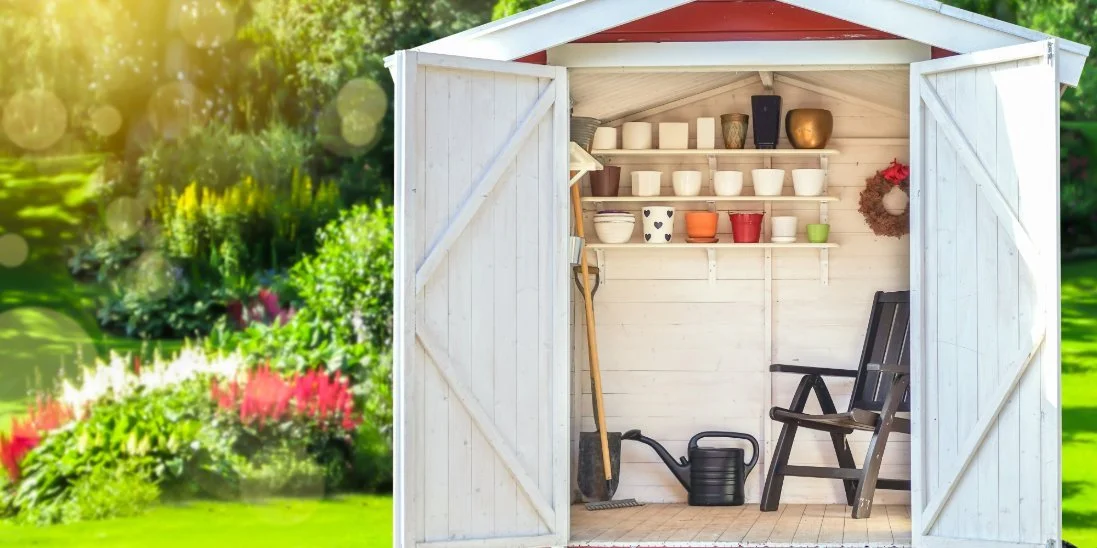
Busy families often rely on gardening to create a relaxing and welcoming outdoor space. Many working mothers juggle school schedules, meal planning, work meetings, and household chores while still trying to keep the yard looking beautiful. During hectic days, garden tools sometimes stay outside overnight or even longer. Unfortunately, outdoor exposure can damage expensive equipment and shorten the lifespan of tools that families use regularly.
Rain, sunlight, dirt, and changing temperatures all affect gardening equipment over time. Metal parts can rust and batteries can lose performance after repeated outdoor exposure. Replacing damaged tools costs money and creates unnecessary stress for families already balancing full schedules. Simple storage habits can protect garden tools and keep outdoor routines manageable. We’re going into detail about the garden tools you shouldn’t leave outside and why proper storage matters.
Why Weather Damages Garden Equipment
Outdoor conditions change quickly throughout the year. Morning dew alone can leave moisture on metal tools long before rain even begins. Moisture creates rust on blades, shovels, and pruners, which makes gardening harder and less safe. Rust also weakens metal and causes tools to wear out faster.
Direct sunlight creates another problem for gardening equipment. Plastic handles can become brittle after constant exposure to UV rays. Rubber grips may crack or peel, especially during hot summer months. Battery-powered tools also struggle in extreme heat because high temperatures reduce battery efficiency and shorten overall lifespan.
Which Garden Tools Need Indoor Storage
Some gardening tools face more damage risks than others. Expensive equipment and tools with moving parts need extra protection after each use. Families can save time and money by creating a simple storage routine that fits into daily schedules. Even a quick cleanup before dinner can prevent costly repairs later.
Several common tools should never stay outside overnight:
Electric trimmers and hedge clippers
Pruning shears and garden scissors
Wooden-handled rakes and shovels
Lawn spreaders with metal parts
Battery-powered leaf blowers
Garden hoses with spray attachments
Smart Storage Makes Gardening Easier
Good organization reduces stress for working mothers who already manage packed calendars. Families waste less time searching for tools when everything has a designated spot. Organized storage systems also help children learn responsibility by returning equipment after outdoor chores. Small habits often create smoother routines for the entire household.
Many homeowners explore shelving options for garages, sheds, or covered patios. It helps to think carefully about what to consider before installing shelves in outdoor spaces because humidity and temperature changes affect storage materials. Metal shelving may rust without proper coating, while untreated wood may warp over time. Durable storage solutions protect tools and the shelving itself.
Daily Habits That Protect Your Investment
Simple daily habits can keep garden tools in excellent condition for years. Families don’t need complicated routines or expensive storage systems to protect equipment properly. A few minutes of care after gardening often prevents expensive replacements later. Consistency matters more than perfection.
Cleaning dirt from tools before storage can prevent rust and buildup. Drying metal surfaces with an old towel also reduces moisture damage. Battery-powered equipment should stay inside climate-controlled spaces whenever possible. This small list of garden tools you shouldn’t leave outside can help you protect your investments and keep gardening therapeutic.