
Security Systems Trends in 2026: Smarter and Safer Technology Solutions
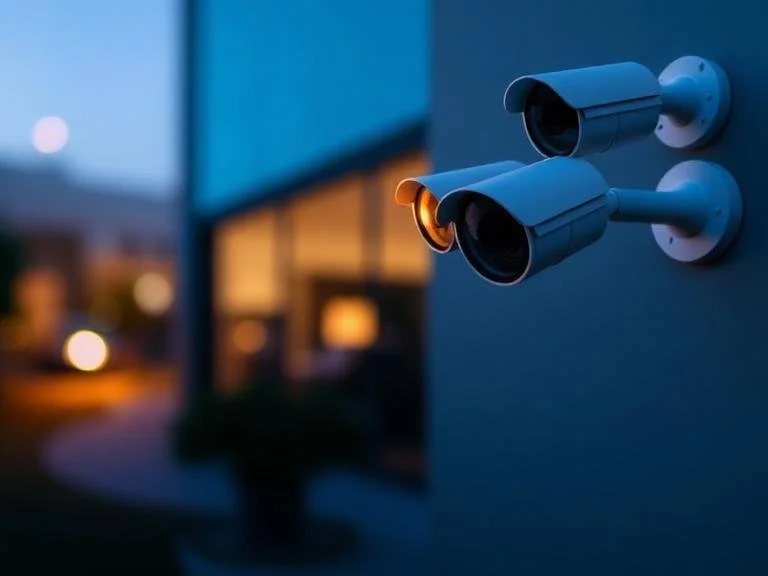
Have you noticed how security technology has completely transformed over the past few years? Remember when a simple deadlock and maybe a basic alarm system felt like adequate protection for your home or business? Those days are well and truly behind us. So what's actually changing in the security landscape, and how can you stay ahead of potential threats in 2026?
The security industry is experiencing a remarkable shift towards intelligent, connected systems that do far more than just sound an alarm. We're talking about technology that learns your routines, spots unusual behaviour before it becomes a problem, and puts control directly in your hands—no matter where you are in the world. From artificial intelligence that can distinguish between your family pet and an intruder to cloud-based platforms managing multiple business locations, the options available to Australian homeowners and businesses have never been more sophisticated.
In this article, we'll explore the biggest security technology trends shaping 2026, examine how AI is revolutionising home protection, and help you determine whether smart security systems are worth your investment. Plus, we'll look at budget-friendly upgrades, address privacy concerns, and peek into what the future holds beyond 2026. Whether you're protecting a family home in suburban Melbourne or securing a commercial operation in Brisbane, you'll find practical insights to guide your security decisions.
What Are the Biggest Security Technology Trends for 2026?
AI-Powered Surveillance and Threat Detection
Artificial intelligence has moved well beyond the experimental phase. In 2026, AI-powered surveillance systems are becoming the standard rather than the exception. These clever systems analyse video footage in real-time, identifying potential threats with remarkable accuracy. They can differentiate between a delivery driver, a family member, and someone behaving suspiciously—reducing false alarms dramatically.
What makes this technology particularly impressive is its ability to learn and adapt. The more data these systems process, the better they become at recognising patterns specific to your property. This means fewer notifications about the neighbour's cat and more meaningful alerts when something genuinely requires your attention.
Cloud-Based Security Management
Gone are the days of bulky DVR systems tucked away in cupboards. Cloud-based security management has become the backbone of modern protection systems. This approach allows you to store footage securely off-site, access your cameras from anywhere, and receive automatic software updates without lifting a finger.
For Australian users, this means even if someone physically damages or steals your recording equipment during a break-in, your footage remains safe and accessible in the cloud. It's a game-changer for both evidence collection and peace of mind.
Integration of IoT Devices in Home and Business Security
The Internet of Things has created an interconnected security ecosystem that would have seemed like science fiction a decade ago. Your security cameras now communicate with smart locks, motion sensors, and lighting systems to create a coordinated defence network.
Imagine your outdoor lights automatically switching on when cameras detect movement, while simultaneously sending an alert to your phone and beginning video recording. This level of integration creates multiple layers of protection that work together rather than in isolation.
How Is Artificial Intelligence Changing Home Security Systems?
Smart Video Analytics and Facial Recognition
Smart video analytics have transformed passive cameras into active security partners. Modern systems can recognise familiar faces, alerting you when unexpected visitors arrive while allowing known family members to come and go without triggering notifications. This facial recognition technology has become increasingly reliable, even in challenging lighting conditions.
Beyond simply identifying faces, these systems analyse behaviour patterns. They can detect if someone is loitering near your property or attempting to conceal their identity—behaviours that often precede criminal activity.
Predictive Security: Stopping Threats Before They Happen
Perhaps the most exciting development in AI security is predictive capability. By analysing vast amounts of data, including local crime statistics, time patterns, and behavioural indicators, these systems can anticipate potential security risks and suggest preventive measures.
This proactive approach represents a fundamental shift from reactive security. Rather than simply documenting incidents after they occur, your system actively works to prevent them happening in the first place.
Voice-Activated Security Controls
Voice control has made security systems more accessible and convenient than ever. Integration with platforms like Google Home and Amazon Alexa means you can arm your system, check camera feeds, or lock doors using simple voice commands.
For Australian households, this hands-free control proves particularly useful when you're carrying groceries, managing children, or simply settling into bed for the night.
Are Smart Security Systems Worth the Investment in 2026?
Cost vs. Long-Term Savings
The upfront cost of smart security systems can seem significant, but the long-term picture tells a different story. Reduced false alarm callout fees, lower insurance premiums, and the prevention of costly break-ins all contribute to genuine savings over time.
Many Australian homeowners find their smart security investment pays for itself within a few years. Plus, these systems typically last longer than traditional alternatives due to regular software updates that keep them current.
Insurance Benefits for Australian Homeowners
Australian insurance providers increasingly recognise the value of smart security systems. Many offer premium discounts ranging from 5% to 20% for homes equipped with monitored alarm systems, security cameras, and smart locks.
Before purchasing, it's worth checking with your insurer about specific requirements and potential savings. Some providers have partnerships with particular security companies, offering additional benefits for approved systems.
Comparing Traditional vs. Smart Security Solutions
Traditional security systems still have their place, particularly for straightforward applications or extremely tight budgets. However, smart solutions offer flexibility, remote management, and intelligence that traditional systems simply cannot match.
The real question isn't whether smart security is better—it clearly offers more capabilities. The question is whether those additional features justify the investment for your specific situation.
What Features Should I Look for in a Modern Security System?
Remote Monitoring and Mobile App Integration
Any security system worth considering in 2026 must offer comprehensive mobile app integration. You should be able to view live and recorded footage, receive instant alerts, and control system settings from your smartphone wherever you are.
Look for apps with intuitive interfaces and reliable notification delivery. There's nothing more frustrating than a security alert that arrives ten minutes late or an app that crashes when you need it most.
Wireless and Battery-Powered Options
Wireless security devices have become incredibly reliable, eliminating the need for complex wiring throughout your property. Battery-powered cameras and sensors offer flexibility in placement and easier installation.
Modern batteries can last months or even years between charges, and many devices now support solar charging for truly maintenance-free operation. This is particularly appealing for Australian properties with plenty of sunshine.
Two-Way Communication and Real-Time Alerts
Two-way audio capability allows you to speak directly through your security cameras or video doorbells. This feature proves invaluable for everything from instructing delivery drivers where to leave packages to warning potential intruders that they're being recorded.
Real-time alerts ensure you're immediately informed of any activity, giving you the opportunity to respond appropriately—whether that means checking footage, contacting authorities, or simply acknowledging a false alarm.
Commercial Security Solutions: Protecting Australian Businesses
Access Control Systems and Biometric Technology
Modern commercial security extends far beyond traditional lock and key. Biometric access control—using fingerprints, facial recognition, or even iris scanning—provides precise control over who enters sensitive areas of your business.
These systems also create detailed access logs, helping with compliance requirements and investigating any security incidents.
Integrated Security Platforms for Multi-Site Operations
Businesses operating across multiple locations benefit enormously from integrated security platforms. Managing security for shops in Sydney, Melbourne, and Brisbane from a single dashboard streamlines operations and improves response times.
These platforms provide consistent security protocols across all sites while allowing for location-specific customisation where needed.
Cybersecurity and Physical Security Convergence
The line between physical and digital security has blurred considerably. Modern security strategies must address both domains, recognising that connected security devices can themselves become targets for cyber attacks.
Reputable security providers now incorporate robust cybersecurity measures, including encrypted communications and regular security updates, to protect both your physical premises and your data.
How Can I Improve My Home Security Without Breaking the Bank?
Budget-Friendly Smart Security Upgrades
You don't need to overhaul your entire security setup to benefit from smart technology. Start with high-impact, lower-cost additions like smart outdoor lighting, a video doorbell, or window and door sensors.
These entry-point devices often integrate with larger systems later, allowing you to build comprehensive protection gradually as your budget permits.
DIY Installation vs. Professional Security Installation
DIY installation has become increasingly viable thanks to wireless technology and user-friendly apps. Many modern systems are genuinely designed for self-installation, with clear instructions and responsive customer support.
However, professional installation remains worthwhile for complex setups or if you're uncomfortable with technology. Professionals can also advise on optimal camera placement and system configuration.
Privacy Concerns: Is Smart Security Technology Safe to Use?
Data Protection and Encryption Standards
Legitimate security providers employ bank-level encryption to protect your footage and personal data. When choosing a system, verify that it uses end-to-end encryption and stores data on secure, Australian-based servers where possible.
Regular software updates are essential for maintaining security, so choose providers with strong track records of ongoing support.
Australian Privacy Regulations and Compliance
Australian privacy laws govern how security footage can be collected, stored, and used. Understanding your obligations—particularly regarding recording public areas or neighbouring properties—helps ensure your security system remains compliant.
Reputable providers design their systems with Australian regulations in mind, making compliance straightforward for most users.
The Future of Security: What to Expect Beyond 2026
Looking ahead, we can expect even deeper AI integration, with systems becoming increasingly autonomous in their threat response. Drone-based security patrols, advanced predictive analytics, and seamless smart city integration are all on the horizon.
The fundamental direction is clear: security systems will continue becoming smarter, more connected, and more capable of protecting what matters most to you.
Choosing the Right Security System for Your Needs
We've covered considerable ground, from AI-powered surveillance and cloud-based management to budget-friendly upgrades and privacy considerations. The security landscape in 2026 offers more options than ever before, which can feel overwhelming but ultimately means there's a solution perfectly suited to your specific requirements.
The investment in smart security technology is worthwhile for most Australian homeowners and businesses. The combination of enhanced protection, convenience, and long-term savings makes a compelling case. However, the best system for you depends on your property, budget, and personal comfort with technology.
Start by assessing your most significant security concerns, then explore systems that address those specific needs. Whether you begin with a simple video doorbell or implement a comprehensive commercial solution, taking action to protect your property and loved ones is always a smart move. If you're looking for tailored security systems in Drouin, working with trusted local professionals can help you choose and install the right solution for your property. The technology has never been more accessible or effective—there's genuinely no better time to upgrade your security.