
Why Your Drains Keep Clogging Even After Professional Cleaning
We partnered with a home improvement company for this post. The opinions in the post are honest. All reviews and opinions expressed in this post are based on our personal views. We are excited because we know you will love it.
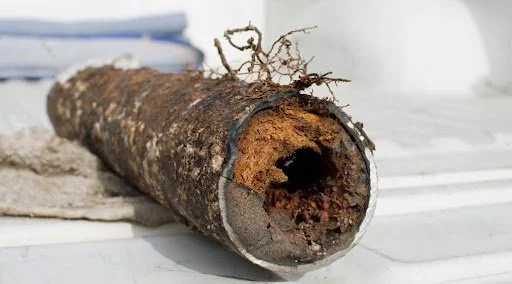
You had a plumber out, they cleared the blockage, and everything seemed fine. Then a few weeks later, the water is backing up again. Sound familiar? Recurring drain clogs are one of the most frustrating plumbing problems homeowners face, and the answer isn’t always as simple as another round of snaking or hydro jetting. If your drains keep clogging despite professional cleaning, there’s usually an underlying reason that hasn’t been addressed yet.
The Cleaning Fixed the Symptom, Not the Cause
Drain cleaning removes whatever is blocking the pipe at that moment, whether it’s a grease buildup, a tangle of hair, or a wad of debris. But if something structural is causing waste to accumulate in the same spot over and over, clearing the clog is only a temporary fix. Think of it like mopping up a puddle without fixing the leak above it. The mop does its job, but the water keeps coming back.
This is especially common in older homes where the pipes themselves have deteriorated over decades of use. Corrosion, mineral buildup on interior pipe walls, and shifting ground can all create conditions where debris naturally collects, no matter how thoroughly the drain is cleaned.
Common Reasons Drains Clog Again After Cleaning
Tree Root Intrusion
Tree roots are one of the most common culprits behind recurring sewer and drain clogs, particularly in older neighborhoods with mature landscaping. Roots naturally seek out moisture and nutrients, and even a hairline crack in a sewer pipe is enough of an invitation. Once inside, roots expand over time and create a web that catches everything flowing through the line. A plumber can cut roots out during a cleaning, but unless the pipe itself is repaired or lined, the roots will grow back, often within months.
Pipe Bellies and Negative Grade
Sewer pipes are designed to flow downward at a specific grade so that waste moves toward the main sewer line by gravity. When the ground shifts, pipes can sag and create a low spot called a belly. Wastewater slows down in that section and solids begin to settle rather than flow through. Over time, those settled solids build up into a blockage. Drain cleaning flushes out what’s collected there, but the belly remains, and so does the problem.
Grease Buildup in Kitchen Lines
Kitchen drain lines are particularly vulnerable to grease and fat deposits. Even if you avoid pouring cooking oil directly down the drain, small amounts accumulate every time you rinse a pan or wash dishes. Grease coats the interior of the pipe, and over weeks and months that coating thickens. Hot water clears some of it, and a professional cleaning removes the active clog, but the pipe walls remain coated and quickly start collecting new material.
Damaged or Collapsed Pipe Sections
Clay tile and cast iron pipes, both common in homes built before the 1980s, are prone to cracking, separating at joints, and in severe cases, collapsing. A cleaning can temporarily restore some flow, but a partially collapsed pipe will clog again almost immediately because the passageway is simply too restricted for normal use. This type of problem requires repair or full replacement of the affected section.
Why You Need to See Inside the Pipe
The only reliable way to diagnose a recurring drain problem is to actually look inside the pipe. A sewer camera inspection by RJP Plumbing & Heating uses a flexible waterproof camera fed directly into the drain line, giving a plumber a real-time view of exactly what’s happening inside. Bellies, root intrusions, cracks, grease coating, and collapsed sections all show up clearly on camera, something no amount of poking around from the outside can tell you.
Skipping the camera inspection when drains are repeatedly clogging is a bit like a doctor treating symptoms without ordering any tests. You might get temporary relief, but without knowing what’s actually going on, the problem will keep coming back. A camera inspection eliminates the guesswork and lets your plumber recommend the right long-term fix rather than the same short-term patch over and over.
What Happens After a Camera Inspection
Once your plumber has a clear picture of what’s inside the line, the path forward becomes much more straightforward. Minor root intrusion caught early can sometimes be handled with root treatment and regular maintenance. A pipe belly may require excavation and re-sloping the line. Corroded or cracked sections can often be rehabilitated with trenchless pipe lining, which avoids tearing up your yard or flooring. And if a section has fully collapsed, replacement is usually the only option.
The key takeaway is that each of these solutions is targeted. You’re not paying for another cleaning that will only buy you a few more weeks of function. You’re addressing the actual cause and getting ahead of it.
Don’t Keep Treating the Same Clog
There’s a point where repeated drain cleanings stop making financial sense. If you’ve had the same drain cleared two or three times in the past year, what you’ve spent on service calls has likely already covered the cost of a proper inspection. And every month you go without addressing the root issue, you risk the problem progressing into something more serious and more expensive.
Recurring drain clogs are almost always telling you something. They’re not random bad luck, and they’re not something you just have to live with. The right inspection and the right repair can put an end to the cycle for good.
If your drains keep backing up despite repeated cleanings, reach out to a licensed plumber who can run a camera through the line and give you a straight answer about what’s really going on. That one step will tell you more than a dozen service calls ever could.