
Plumbing Maintenance Checklist for Every Season
We partnered with a home improvement company for this post. The opinions in the post are honest. All reviews and opinions expressed in this post are based on our personal views. We are excited because we know you will love it.
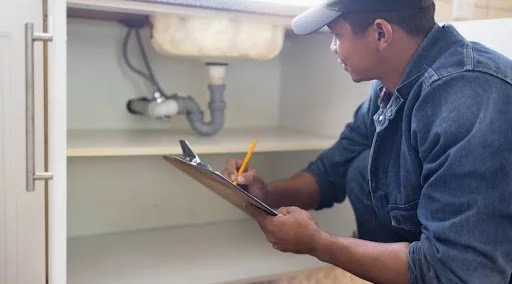
Your home's plumbing system works quietly in the background every single day, and like most things that do their job without complaint, it rarely gets the attention it deserves until something goes wrong. A burst pipe in January or a backed-up drain in July isn't just an inconvenience; it's a costly emergency that, in most cases, was entirely preventable.
The good news is that seasonal plumbing maintenance doesn't require a professional on speed dial or a toolbox full of specialized equipment. What it does require is consistency. This checklist walks you through what to inspect, test, and address each season so your plumbing stays reliable year-round.
Spring: Thaw Out and Inspect
After months of cold weather, spring is the ideal time to do a full audit of your plumbing system. Freezing temperatures can stress pipes, fittings, and outdoor fixtures in ways that aren't always immediately visible.
Outdoor Faucets and Hose Bibs
Turn on your exterior faucets and watch for drips, reduced pressure, or any sign of water coming from inside the wall rather than the spout. A freeze-damaged pipe may have cracked without your knowledge. If you spot anything unusual, call a plumber before warm weather turns a hairline crack into a flood.
Sump Pump Testing
If your home has a sump pump, spring is when it earns its keep. Pour a bucket of water into the sump pit to trigger the float switch and confirm the pump activates and drains properly. A failed test in March is far better news than a flooded basement in April.
Water Heater Check
Sediment builds up in water heater tanks over time, reducing efficiency and shortening the unit's lifespan. Flush the tank to clear any buildup and inspect the pressure relief valve by briefly lifting the lever. Water should flow freely, then stop when released. If it doesn't, the valve needs replacing. If you spot anything unusual, call a local plumber in Bergen County, NJ before warm weather turns a hairline crack into a flood.
Summer: High-Use Season Preparation
Summer brings house guests, more showers, backyard entertaining, and irrigation systems running on full. Your plumbing sees heavier use than any other time of year, making it worth a quick inspection before the season peaks.
Irrigation and Sprinkler Systems
Inspect all sprinkler heads for damage from winter and mowing season. Look for heads that spray sideways, don't retract properly, or leave dry patches in the lawn. These signal clogs or breaks that waste significant water. Check the system's timer and adjust the schedule to account for summer heat without overwatering.
Garbage Disposal
Summer cookouts mean more food waste going down the kitchen drain. Test your disposal's performance and listen for any grinding or labored sounds that suggest worn blades. Run cold water before and after each use, avoid putting fibrous foods or grease down the drain, and clean the unit monthly with ice cubes and coarse salt to break up buildup.
Washing Machine Hoses
With beach towels, sports uniforms, and outdoor gear cycling through the laundry constantly, it's worth inspecting the hoses behind your washing machine. Look for bulging, cracking, or corrosion near the connections. Rubber hoses have a typical lifespan of five years; if yours are older, consider upgrading to braided stainless steel hoses, which are significantly more durable.
Fall: Winterization Prep
Fall maintenance is arguably the most consequential of the four seasons. Getting your plumbing ready for freezing temperatures can be the difference between a normal winter and a catastrophic pipe burst.
Shut Off and Drain Outdoor Water Lines
Once temperatures begin dropping consistently below 40°F at night, it's time to shut off the water supply to outdoor faucets and drain the lines completely. Water left in uninsulated exterior pipes will freeze and expand, potentially splitting the pipe. Disconnect garden hoses from bibs before the first frost, a connected hose traps water right at the fitting, increasing the risk of damage.
Insulate Vulnerable Pipes
Walk through your basement, crawl space, and garage and identify any pipes that run along exterior walls or in unheated spaces. Foam pipe insulation is inexpensive and takes minutes to install. Pay particular attention to pipes near windows or in areas with consistent drafts.
Water Heater Efficiency
As temperatures drop, your water heater works harder to maintain temperature. If your unit is set above 120°F, consider dialing it back, you'll save energy without sacrificing comfort. Also check the unit's insulation blanket if it's an older model, and inspect the area around the base for any signs of slow leaking.
Winter: Monitor and Prevent
Winter plumbing maintenance is less about active repairs and more about vigilance and prevention. Most of the hard work has already been done in fall; now it's about protecting what you have.
Know Where Your Main Shutoff Is
Before the coldest months arrive, make sure every adult in your household knows where the main water shutoff valve is located and how to operate it. In the event of a burst pipe, getting to that valve quickly can save thousands of dollars in water damage.
Keep Heat Consistent
Resist the temptation to dramatically lower the thermostat when you leave the house for an extended period. Keeping indoor temperatures at or above 55°F helps prevent pipes in interior walls from freezing. For particularly vulnerable areas like cabinets under sinks on exterior walls, leaving the cabinet doors open allows warm air to circulate around the pipes.
Watch for Slow Drains
Winter is often when slow drains become noticeable as hair, soap scum, and grease accumulate. Rather than reaching for chemical drain cleaners which can damage older pipes, use a drain snake or call a plumber for stubborn clogs. Monthly maintenance with a baking soda and hot water flush can keep things moving without harsh chemicals.
A Final Word on Consistency
Plumbing problems rarely appear out of nowhere. They develop slowly, signaled by small clues, a minor drip, a little rust around a fitting, a drain that takes just slightly longer than it used to. Seasonal maintenance is really about training yourself to notice those signals before they escalate.
Set a reminder at the start of each season, work through your checklist methodically, and don't postpone the small fixes. The cost of a replacement washer or a tube of pipe insulation is a fraction of what an emergency plumber charges at midnight in February.
Your plumbing is a system. Treat it like one.

