
Planning Exterior Home Upgrades That Improve Everyday Living
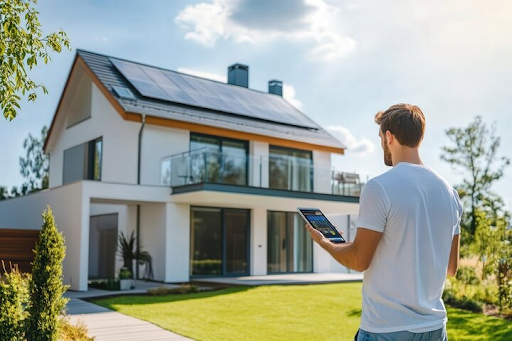
Your home’s exterior is more than a facade; it shapes how you arrive, how you host guests, and how you use outdoor living spaces. Strategic exterior home upgrades boost safety, curb appeal, and everyday comfort. They also enhance energy efficiency and add lasting value through thoughtful home remodeling.
In this guide, you’ll learn how to:
• Assess your current exterior and set clear aesthetic and functional goals
• Plan budgets, timelines, and phased work for smooth progress
• Refresh curb appeal with paint, doors, and landscaping
• Improve energy efficiency with windows, roofing, and smart plantings
• Create functional outdoor living spaces for cooking, dining, and relaxing
• Add smart and sustainable features for long-term savings
• Decide which DIY exterior upgrades you can tackle and when to hire pros
Ready to transform your outdoor space? Let’s begin by evaluating your home’s current condition and defining your upgrade goals.
1. Assess Your Current Exterior and Set Goals
Begin with a detailed walkthrough of your property. Carry a notebook and take photos of every exterior surface, including siding, trim, roof, and walkways. Note problem areas such as peeling paint, loose shingles, or uneven paths. Identify issues that pose safety risks, like trip hazards or rotted framing, versus those that are purely cosmetic.
Prioritize enhancements that boost safety and prevent damage, then rank remaining upgrades by visual impact and long-term value. Clear goals help guide decisions and keep your exterior home remodeling project on track.
Exterior condition checklist
• Siding and paint for rot or fading
• Roof shingles, gutters, and downspouts
• Driveway, paths, and patio surfaces
• Trim, fascia, soffits, and eaves
• Exterior lights, hardware, and outlets
Defining aesthetic vs. functional goals
Aesthetic goals focus on color schemes, materials, and curb appeal. Functional goals address water drainage, insulation, shade, and security. By separating these objectives, you create a balanced plan. For example, choose a trim color that complements siding while adding a gutter extension to channel runoff effectively.
Aligning upgrades with lifestyle needs
Consider how your family uses outdoor living spaces. If you host gatherings often, plan seating zones and cooking areas. Gardeners should allocate space for raised beds or planters. Think about storage for tools, bicycles, or sports equipment. Upgrades that match your daily routine ensure your exterior remains both attractive and practical.
2. Budgeting, Timeline, and Phasing
Create a realistic budget and timeline before starting any exterior home upgrades. Set milestones to monitor progress and decide which projects to tackle now versus later. Define key milestones such as permit approvals, material deliveries, and inspection dates to stay organized and avoid delays.
Cost Breakdown by Project Type
• Painting: $2,250–12,000
• Garage door replacement: $850–5,500
• Premium materials uplift: +15%–30%
• Labor: typically 40%–60% of total
Phased vs One-Time Renovation
A phased approach tackles safety and structural repairs first, spreads expenses across stages, and delivers visible progress at each milestone. A one-time renovation saves repeat mobilization costs and compresses the schedule but demands a larger upfront investment.
Contingency Planning
Allocate a 10%–20% buffer for permit fees, waste removal, and hidden issues like framing repairs. Update your timeline when unexpected repairs arise to keep the project on track.
3. Enhancing Curb Appeal and Aesthetics
Refresh your home’s exterior with targeted updates that deliver big visual returns without overspending. From a fresh coat of paint to new hardware accents, these cost-effective curb appeal upgrades boost value and enjoyment.
Fresh Paint and Trim Accents
Repainting is one of the most effective ways to revitalize your facade. Homeowners spend a median of $2,000 on exterior paint, making it the top outdoor project choice. Choose a cohesive palette by lightening a base hue for trim and eaves, or go bold with contrasting accents. For a classic look, opt for a monochromatic scheme like softened olive siding with crisp white trim. For drama, pair deep blue siding with a bright red door and muted green accents.
Upgrading the Front Door and Garage Door
Doors are focal points that welcome guests and define style. Nearly one in five homeowners replaces doors during curb appeal projects. Select materials: fiberglass for durability or solid wood for warmth. Add decorative hardware such as rustic strap hinges or sleek matte-black handles. Consider window inserts, frosted for privacy or clear for an open feel. Panel configurations, raised or recessed, further tailor your door to traditional or modern architecture. Finish with integrated lighting like LED strips or wall sconces to highlight textures and improve evening visibility.
Landscaping and Hardscaping Highlights
Frame your upgrades with thoughtful landscaping. Define walkways using pavers or gravel, edged by low-maintenance shrubs. Install simple retaining walls to add depth and prevent erosion. Accent beds with seasonal blooms and mulch for color contrast. Finally, incorporate solar pathway lights or lantern-style sconces to guide visitors and showcase garden features after dusk.
4. Boosting Energy Efficiency
Upgrade exterior elements to lower utility bills and stabilize indoor temperatures year-round. Focus on sealing, insulation, and strategic landscaping to tighten the building envelope. Investments in energy efficiency often pay for themselves within 5–10 years while improving home value.
Installing Energy-Efficient Windows and Doors
Replace single-pane units with multi-pane windows featuring low-emissivity coatings. Low-e glass cuts energy loss by 30%–50%, and NFRC labels help compare U-factor and SHGC values. Finish with weatherstripping and caulking around frames to reduce drafts. New exterior doors often include advanced sealing systems and adjustable thresholds to minimize air infiltration.
Roofing, Insulation, and Siding Options
A well-sealed roof and insulated siding boost R-value and prevent air leakage. Air sealing and added insulation lower heating and cooling use by around 10%. Consider cool-roof materials that reflect sunlight or insulated vinyl siding for extra thermal gains. Tackling these upgrades together optimizes overall performance.
Strategic Shade and Windbreak Landscaping
Position deciduous trees to shade south and west walls in summer and allow sun in winter. Evergreen hedges or shrubs placed upwind act as windbreaks, reducing heat loss on colder days. This living barrier cuts heating costs and enhances comfort with minimal maintenance.
5. Creating Functional Outdoor Living Spaces
Well-planned outdoor living spaces depend on clear layouts and durable materials. Divide the project into zones for cooking, dining, and relaxing. Ensure safe circulation with proper grading and drainage to avoid puddles or ice in colder months.
Decks, Patios, and Screened Porches
Orientation and Drainage
Position structures to capitalize on winter sun and summer shade. Slope finished surfaces away from the house at 1/4 inch per foot to prevent water pooling. Screened porches offer insect protection without full enclosure.
Patios offer a versatile flat space ideal for dining and lounging. Well-designed patios complement decks and porches, creating a cohesive outdoor area.
Use climate-adaptive materials like stone, concrete pavers, or porcelain tile that resist freeze-thaw cycles and handle moisture without cracking.
Built-In Seating and Outdoor Kitchens
Create built-in benches with concrete block systems, integrated storage, and standard counter heights. Plan an outdoor kitchen layout that separates hot and cold zones, place grilling appliances away from refrigeration to improve efficiency. Add a fire pit or outdoor fireplace to extend comfort into cooler seasons.
Lighting and Weatherproofing
Layer lighting with ambient fixtures under pergolas, task lights above prep areas, and accent uplighting around seating. Select damp-rated LED lights and glow-in-the-dark pathway pavers for minimal wiring. Protect installations with retractable awnings or wind screens, and apply water-repellent sealers to wood components. Plan maintenance for leaf drop and snow removal to preserve performance.
6. Incorporating Smart and Sustainable Features
Enhance your exterior with technology and eco-friendly materials to boost efficiency and resilience. These sustainable features help future-proof your home against rising energy costs and extreme weather, while adding curb appeal and property value.
Solar and LED Exterior Lighting
Harness solar panels paired with integrated LED fixtures to cut electricity use. Look for models with motion sensors and dusk-to-dawn photosensors. Many systems sync with smart home hubs, allowing voice commands and scheduling from a smartphone. Advanced panels use MPPT controllers for maximum energy harvest.
App-Controlled Irrigation Systems
Install IoT-enabled valves and soil-moisture sensors to create hydrozones. Use a mobile app to set watering schedules based on weather forecasts. Real-time analytics track water consumption and prevent overwatering. Pair with drought-tolerant plants for best results.
Recycled Composite Decking and Green Roofing
Choose composite decking made from recycled plastics and wood fibers for low-maintenance durability. Composite boards resist moisture, mold, and UV damage, and often come with long warranties. For green roofs, select lightweight modular trays with native sedums or grasses. Living roofs improve insulation, absorb stormwater, and extend membrane life.
7. Hiring Pros vs. DIY Considerations
Skill Assessment and Safety Concerns
Assess your skill level and risk before starting DIY exterior upgrades. Simple tasks, like painting a one-story home, removing light fixtures, or demolishing a small deck, are manageable for most homeowners. Industry data shows a full pro project averages $8,454 versus $979 for DIY, while a hybrid plan runs around $5,774. Leave structural changes, plumbing, gas, or electrical work to licensed professionals to avoid safety hazards and code violations.
Permits, Codes, and Inspections
Research local building codes early. Many exterior upgrades, roofing, rewiring, or major structural work require permits and inspections. Professionals typically manage filings and schedule inspections. If you DIY, confirm permit requirements, submission deadlines, and inspection timelines to maintain compliance.
Selecting Qualified Contractors
Hire licensed, insured, and bonded contractors. Obtain three written estimates and verify references. Consider BIY (Buy It Yourself) to source fixtures at discount prices, then schedule pros for installation. Ensure contracts specify scope, timeline, payment schedule, and warranty details.
Conclusion
Upgrading your home’s exterior is more than a facelift. It boosts safety, comfort, efficiency, and curb appeal while adding lasting value. Use this guide to plan each step and stay on track.
Key takeaways:
• Assess current conditions and set clear aesthetic and functional goals
• Build a realistic budget and phased timeline with a contingency buffer
• Refresh paint, doors, and landscaping for maximum curb appeal
• Improve energy efficiency with high-performance windows, roofing, and smart plantings
• Create dedicated zones for cooking, dining, and relaxing using durable materials
• Incorporate smart and sustainable features to cut costs and environmental impact
• Balance DIY exterior upgrades with professional help to meet safety codes and quality standards
With a structured plan and informed choices, you can transform your outdoor space into a welcoming, efficient, and stylish extension of your home. Your dream exterior is within reach. Start today and enjoy the rewards of well-planned home remodeling.
Sara Young
Sarah Young holds a Bachelors in Marketing Communications from California Lutheran University. She enjoys running her website glitternglue.com where she can share her own and others thoughts on lifestyle tips! During her spare time, she enjoys going to the beach with her dog or painting nature murals.