
The Essential Checklist for Large Landscaping Projects
Large‑scale landscaping projects require more than basic yard tools and weekend effort—they demand planning, organization, and the right equipment to handle acreage‑level challenges. Whether you’re clearing overgrown land, reshaping terrain, or preparing for new installations, having a structured checklist ensures your project runs smoothly from start to finish. This guide walks you through the essential steps to assess your property, gather the right tools, manage vegetation, and prepare for long‑term maintenance.
Getting Started
Before any work begins, take time to assess your property thoroughly. Walk the entire area and note overgrowth, hazards, drainage issues, and terrain challenges. Mapping out priority zones, such as tree lines, fence lines, open fields, or neglected corners, helps you determine the scope of work and where to focus first.
Once you understand the land, break the project into clear phases. Most large landscaping jobs follow a sequence: clearing, cutting, hauling, grading, and finishing. Planning these phases ahead of time prevents wasted effort and keeps the project organized. Consider weather patterns, equipment availability, and seasonal vegetation growth when scheduling tasks. For example, brush removal is easier before summer heat thickens growth, while grading is best done when soil is dry enough to move efficiently.
Designate staging areas for brush piles, soil, mulch, rock, and reusable materials. This keeps your work zones clean and prevents bottlenecks as debris accumulates. Finally, create a realistic timeline that accounts for equipment maintenance, debris disposal, and unexpected delays. Large projects rarely go exactly as planned, but a structured workflow keeps you moving forward.
Gathering the Essentials
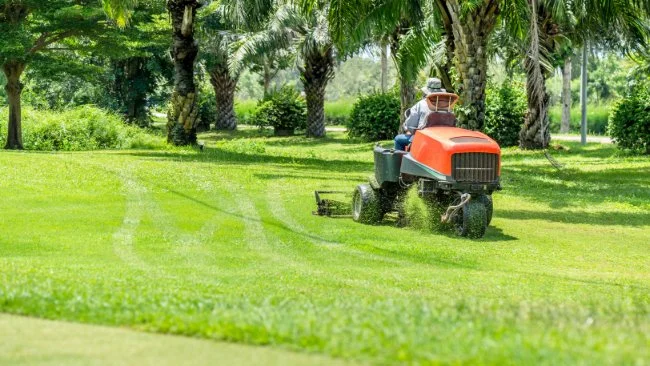
Large‑scale landscaping requires machinery built for heavy work. Start by identifying the core equipment you’ll need: mowers, skid steers, brush hogs, chainsaws, and debris‑removal tools. For many property owners, investing in a riding mower from a reputable retailer, such as someone like Lilly Kubota, provides long‑term value and reliability. A good mower becomes the backbone of your project, powering attachments and handling tasks that smaller machines simply can’t manage. If you’re unsure which model fits your acreage, exploring different options can help you match horsepower, size, and attachments to your project needs.
Attachments expand your capabilities even further. Grapples help move limbs and logs, box blades level soil, augers dig holes, and brush cutters tackle thick vegetation. Choosing attachments that match your workflow ensures you can transition smoothly between clearing, grading, and finishing tasks.
Hand tools also matter. Loppers, rakes, shovels, marking flags, and measuring tapes support detail work and layout tasks. Keep fuel, oil, spare blades, and basic maintenance supplies on hand so you can service equipment without interrupting your workflow.
Finally, safety gear is non‑negotiable. Large projects involve powerful machinery and unpredictable terrain. Helmets, gloves, chaps, eye protection, and steel‑toe boots protect you from common hazards. Review safe operating practices for each machine and clear work zones of pets, children, and bystanders before starting. Keep first‑aid supplies accessible and ensure communication devices are charged in case of emergencies.
Managing Vegetation, Trees, and Overgrowth
Vegetation management is often the most labor‑intensive part of large landscaping projects. Start by identifying what needs removal, trimming, or long‑term control. Overgrown brush, tall grass, and invasive plants can spread quickly if not addressed strategically.
Tree work requires special attention. Dead trees, broken limbs, and leaning trunks pose safety risks and should be removed early in the project. Chainsaws and pole saws help with cutting, while stump grinders eliminate leftover hazards. For dense understory or tangled brambles, forestry mulchers or heavy‑duty brush cutters may be necessary.
Decide how you’ll handle green waste. Mulching and composting allow you to repurpose debris on your property, while hauling services or dump trailers help manage large volumes of material. Planning disposal ahead of time prevents work zones from becoming overcrowded.
Handling Soil, Grading, and Drainage Needs
Large properties often have uneven terrain, erosion issues, or poor drainage that need correction before planting or construction. Evaluate low spots, washout areas, and natural drainage paths. Grading tools such as box blades, land planes, and skid steer graders help level or contour the land to improve water flow and create usable space.
If you plan to install garden beds, lawns, or hardscapes, add soil amendments or topsoil where needed. Healthy soil supports long‑term plant growth and reduces future maintenance. For drainage improvements, consider solutions like swales, berms, gravel paths, or French drains. Addressing these issues early prevents water damage and ensures your landscaping lasts.
Organizing Debris and Disposal
Large projects generate significant debris and require careful material organization. Set up designated areas for brush piles, logs, soil, rock, and reusable materials. Keeping materials sorted prevents confusion and speeds up workflow.
Choose debris‑management tools based on the volume of waste. Chippers and mulchers help reduce branches and brush into usable mulch. Dump trailers make hauling soil, rock, or debris more efficient. Track what can be repurposed—mulch, compost, firewood, or fill dirt—to reduce waste and lower project costs.
Plan disposal ahead of time. Whether you’re hauling debris to a landfill, renting a dumpster from services like Ware Disposal for large‑volume cleanup, burning brush where permitted, or hiring a removal service, having a strategy prevents delays and keeps your property safe and organized.
Preparing for Finishing Touches and Long‑Term Maintenance
Once the heavy work is complete, outline your finishing tasks. These may include planting, mulching, edging, installing pathways, or adding decorative features. Choose low‑maintenance plants or groundcover to reduce future labor, especially on large properties.
Create a seasonal maintenance schedule to keep your land manageable. Regular mowing, trimming, mulching, and debris removal prevent overgrowth from returning. Store equipment properly and document what worked well during the project to guide future improvements.
Large‑scale landscaping projects require planning, the right equipment, and a clear workflow. By assessing your property, organizing tools, managing vegetation, and preparing for long‑term maintenance, you set the foundation for a successful transformation. With structure and preparation, even the biggest landscaping challenges become manageable, and your property becomes a space you can enjoy for years to come.