

A resource for those seeking information on organizing and transforming spaces.

Simple Home Habits That Can Reduce Plumbing Headaches
Plumbing problems rarely happen at a convenient time. A slow drain can turn into a backup before guests arrive. A small leak can go unnoticed until it damages the cabinet under the sink. A toilet that occasionally runs can become a regular source of wasted water and frustration.
We partnered with a home improvement company for this post. The opinions in the post are honest. All reviews and opinions expressed in this post are based on our personal views. We are excited because we know you will love it.
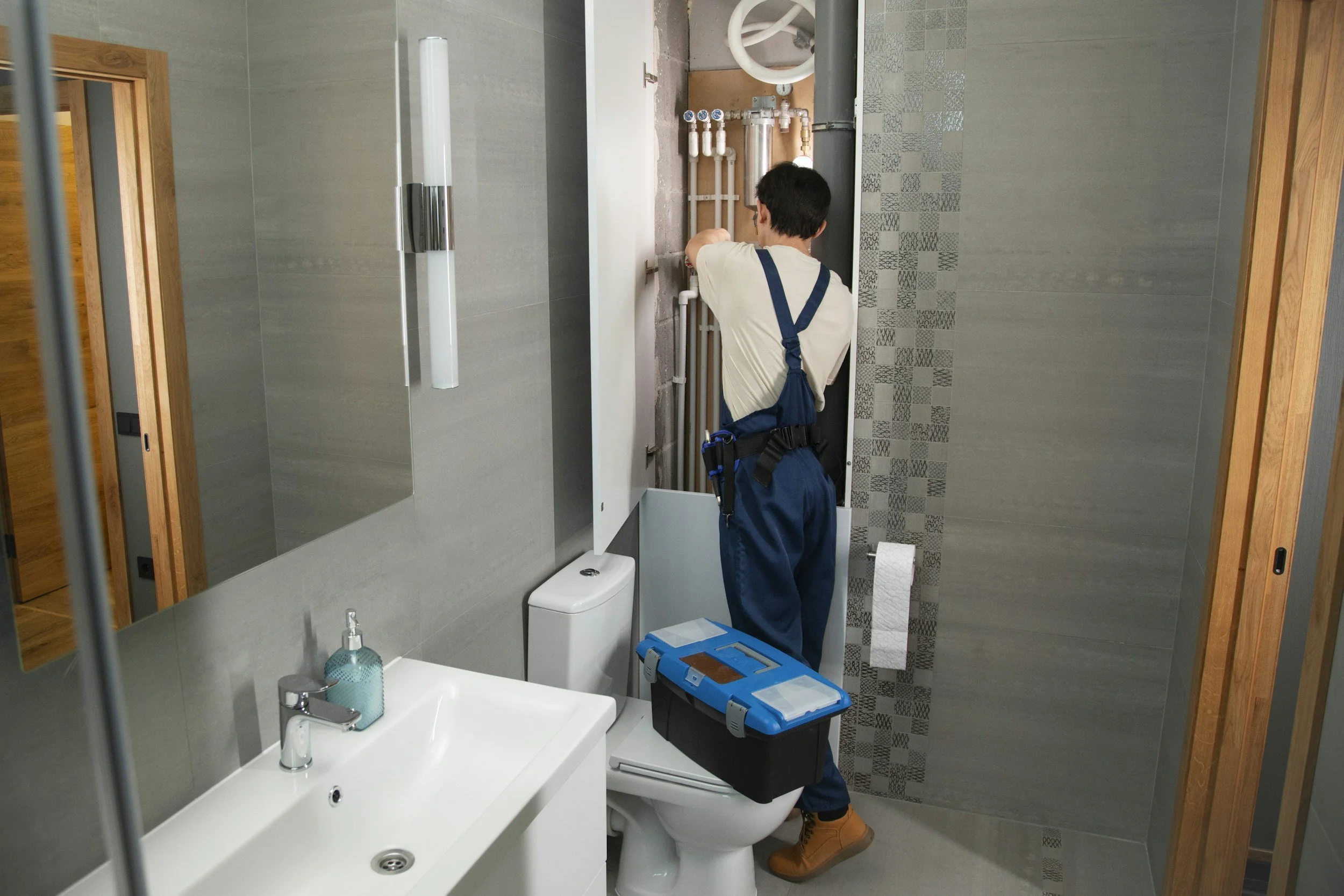
Plumbing problems rarely happen at a convenient time. A slow drain can turn into a backup before guests arrive. A small leak can go unnoticed until it damages the cabinet under the sink. A toilet that occasionally runs can become a regular source of wasted water and frustration.
You cannot prevent every plumbing problem, but a few good plumbing habits can reduce avoidable issues and help you notice changes before they become more disruptive. Most of these habits do not require plumbing experience or special tools. They fit naturally into the cleaning and home-maintenance routines you already have.
Be Careful About What Goes Down Your Drains
One of the simplest ways to protect your plumbing is to pay attention to what enters your drains.
Kitchen and bathroom drains deal with different types of debris, but both can develop buildup over time. Being more selective about what goes down them can reduce the chance of recurring clogs and help fixtures drain the way they should.
Keep Grease, Oil, and Food Waste Out of the Kitchen Sink
Cooking grease and oil may look harmless while they are warm and liquid, but they can cool and collect inside drain lines. Food particles can add to that buildup.
Instead of pouring grease down the sink, let it cool and place it in an appropriate container for disposal. Scrape plates into the trash or compost before rinsing them.
A garbage disposal also has limits. It can break down certain food scraps, but that does not mean every type of food waste belongs in it. Large amounts of food, fibrous scraps, and hard materials can strain the disposal or contribute to drainage problems.
A simple routine helps: scrape dishes first, dispose of food waste properly, then rinse.
Catch Hair and Debris Before They Enter Bathroom Drains
Hair can collect quickly in bathroom drains. Soap residue and other debris may become tangled with it, gradually slowing the flow of water.
Drain screens and strainers can catch much of that material before it moves farther into the plumbing.
Make cleaning them part of your normal bathroom routine. When you wipe down the sink or clean the shower, remove visible hair and debris from the drain cover too.
It only takes a minute, and it is much easier than dealing with a drain that has already become clogged.
Treat the Toilet Like a Toilet
A toilet is meant to handle human waste and toilet paper. Many other household products belong in the trash, even when they seem small enough to flush.
Paper towels, cotton swabs, dental floss, feminine hygiene products, and similar items can contribute to blockages. Products labeled as flushable may also create problems depending on how they break down and how the plumbing system is configured.
Make proper disposal convenient. Keep a small lined wastebasket next to the toilet so family members and guests have an obvious place for items that should not be flushed.
Pay Attention When the Toilet Starts Acting Differently
An occasional clog can happen. A toilet that clogs repeatedly deserves more attention.
Watch for changes such as:
Weak or incomplete flushing
Gurgling sounds
Water levels that look different than usual
A toilet that reacts when another fixture is used
Recurring backups
Repeated problems can have several possible causes. Plunging may restore flow temporarily, but it does not always address the reason the problem keeps returning.
If the same issue happens again and again, finding the cause can help you make a more informed decision about the next step.
Make Leak Checks Part of Your Cleaning Routine
Leaks are not always dramatic. Many begin as small drips or slow seepage in places homeowners rarely inspect.
One of the most useful good plumbing habits is simply knowing what is normal in your home and noticing when something changes.
Look Under Sinks and Around Fixtures
When you clean the kitchen or bathroom, open the cabinet under the sink and take a quick look. Check for:
Damp spots
Water stains
Warped cabinet material
Corrosion around connections
Musty odors
Moisture around fixture bases
You do not need to inspect every fitting in detail. Look for anything that is new or different.
If the cabinet floor was dry last month and now has a stain, that is worth investigating. If you repeatedly find moisture in the same place, do not let it become something you simply get used to seeing.
A small leak may still cause damage over time, so noticing it early can make a difference.
Pay Attention to Unexplained Water Use
A noticeable change in your water bill can also be a reason to take a closer look.
Your household may simply be using more water. Guests, warmer weather, irrigation, and changes in daily routines can all affect usage. If your habits have stayed about the same, though, unexplained water use may point to a leaking fixture, running toilet, irrigation issue, or another source of water loss.
Your water meter may provide another clue. If all water-using fixtures and appliances are off and the meter still shows water moving, there may be flow somewhere in the system.
That does not tell you where the issue is, but it can tell you that further investigation makes sense.
Pay Attention to Slow Drains Before They Become Backups
A drain often gives you warning before it becomes completely blocked.
You may notice that the shower takes longer to empty. The kitchen sink may hold water for a few seconds before draining. The bathroom sink may begin making unfamiliar sounds.
These changes are easy to ignore when the fixture still works, but they can be useful early signs.
Start with the simple things you can safely reach. Clean visible debris from strainers and drain covers. Remove hair caught near the surface.
Avoid making chemical drain cleaners the automatic response to every slow drain. The right solution depends on what is causing the restriction, where it is located, and what kind of plumbing is involved.
Recurring clogs deserve more attention. The same is true if several drains become slow at once or water backs up in one fixture when another is used.
Those patterns can indicate that the problem is located deeper in the drainage system.
Give Rarely Used Fixtures Some Attention
Guest bathrooms, utility sinks, floor drains, and other fixtures can sit unused for weeks or months. Because they are outside your everyday routine, they are easy to forget.
Periodically run water through rarely used fixtures. Plumbing traps hold water that helps block sewer gases from entering the home. When a fixture goes unused for a long time, that water can evaporate.
Running water through the fixture can help refill the trap.
This is an easy task to add to a recurring home-maintenance checklist. You might run water in the guest bathroom during monthly cleaning or check a utility sink when you are already handling other household maintenance.
The exact schedule matters less than having a routine you are likely to remember.
Know Where Your Main Water Shutoff Is
An active leak is not the best time to figure out where your main water shutoff is located. Find it before you need it.
Depending on the home, the valve may be in a garage, utility area, basement, exterior location, or another accessible spot. Make sure boxes, shelving, or stored items do not block access.
Other adults in the household should know where the shutoff is too.
You can also add its location to your household emergency information. If a family member, house sitter, or responsible neighbor ever needs to stop the water, clear instructions can save valuable time.
Knowing how to shut off the water will not prevent a pipe or supply line from failing, but it may help limit how much water enters the home after a problem begins.
Build Good Plumbing Habits Into Your Home-Maintenance Schedule
Plumbing care is easier when it becomes part of routines you already follow.
You do not need a complicated maintenance system or an entire day devoted to plumbing. A few regular checks can help you stay aware of changes throughout the home.
During Regular Cleaning
Clear visible hair and debris from drain covers and strainers. Check whether sinks, tubs, and showers drain normally.
Listen for toilets that continue running after they should have stopped. Pay attention to dripping faucets, moisture around fixtures, or anything that looks different from the last time you cleaned the area.
These checks take very little time because you are already using and cleaning the same spaces.
Once a Month
Look under accessible sinks for moisture, staining, or corrosion.
Run water through plumbing fixtures that do not get much regular use.
Think about any changes you have noticed over the past few weeks. A drain that was slow once may not indicate a larger problem. A drain that gets slower every week deserves closer attention.
Monthly checks are also a good opportunity to make sure household items are not being stored where they block access to valves or visible plumbing.
Seasonally
Take a more deliberate walk through the home.
Look at visible supply connections and exposed plumbing. Check rooms and fixtures that do not receive much daily attention. Make sure the main water shutoff is still easy to reach.
Seasonal home maintenance is also a good time to reset household habits if the same problems keep happening.
If wipes continue to get flushed or food scraps regularly end up in the kitchen sink, the solution may be as simple as changing where you keep a trash can or adding a drain strainer where one is missing.
Know When a Plumbing Problem Needs More Than a Household Checklist
Good plumbing habits can help reduce some preventable problems and make others easier to spot, but they cannot solve every issue.
Some warning signs deserve professional attention, especially when they keep returning.
These may include recurring drain clogs, several drains backing up, unexplained leaks, persistent changes in water pressure, visible water damage, toilets that repeatedly clog, or plumbing problems that return soon after being cleared.
Every plumbing system is different. The right response depends on what is causing the problem, where it is happening, and how the rest of the system is behaving.
Paying attention to patterns gives you useful information. A single slow drain is different from several slow drains throughout the house. One isolated toilet clog is different from a toilet that backs up every week. A damp cabinet after a spill is different from moisture that keeps returning even when nobody has used the sink.
That information can help a plumber diagnose the problem more efficiently and explain the available options.
The best home-maintenance habits are usually the ones that are simple enough to keep. Catch hair before it goes down the drain. Keep grease out of the sink. Notice when fixtures behave differently. Check under cabinets while you clean. Know where your water shutoff is.
Those small routines can make plumbing maintenance feel less reactive and give you a better understanding of what is happening inside your home.
About the Author
Guardian Plumbers, Heating, Air & Electrical has served homeowners since 2010 with an emphasis on clear communication, trained technicians, and helping customers understand their options before making a decision. The company provides plumbing, HVAC, and electrical services throughout Southern California, including Moreno Valley and Corona.

WHY YOUR DRAIN KEEPS CLOGGING AND WHEN TO CALL A PROFESSIONAL SERVICE
Slow drains are easy to shrug off. You may think the issue will resolve on its own because water may still go down in the end. However, if the same drain continues to back up, the problem could be more serious than a small blockage near the top of the drain.
We partnered with a home improvement company for this post. The opinions in the post are honest. All reviews and opinions expressed in this post are based on our personal views. We are excited because we know you will love it.
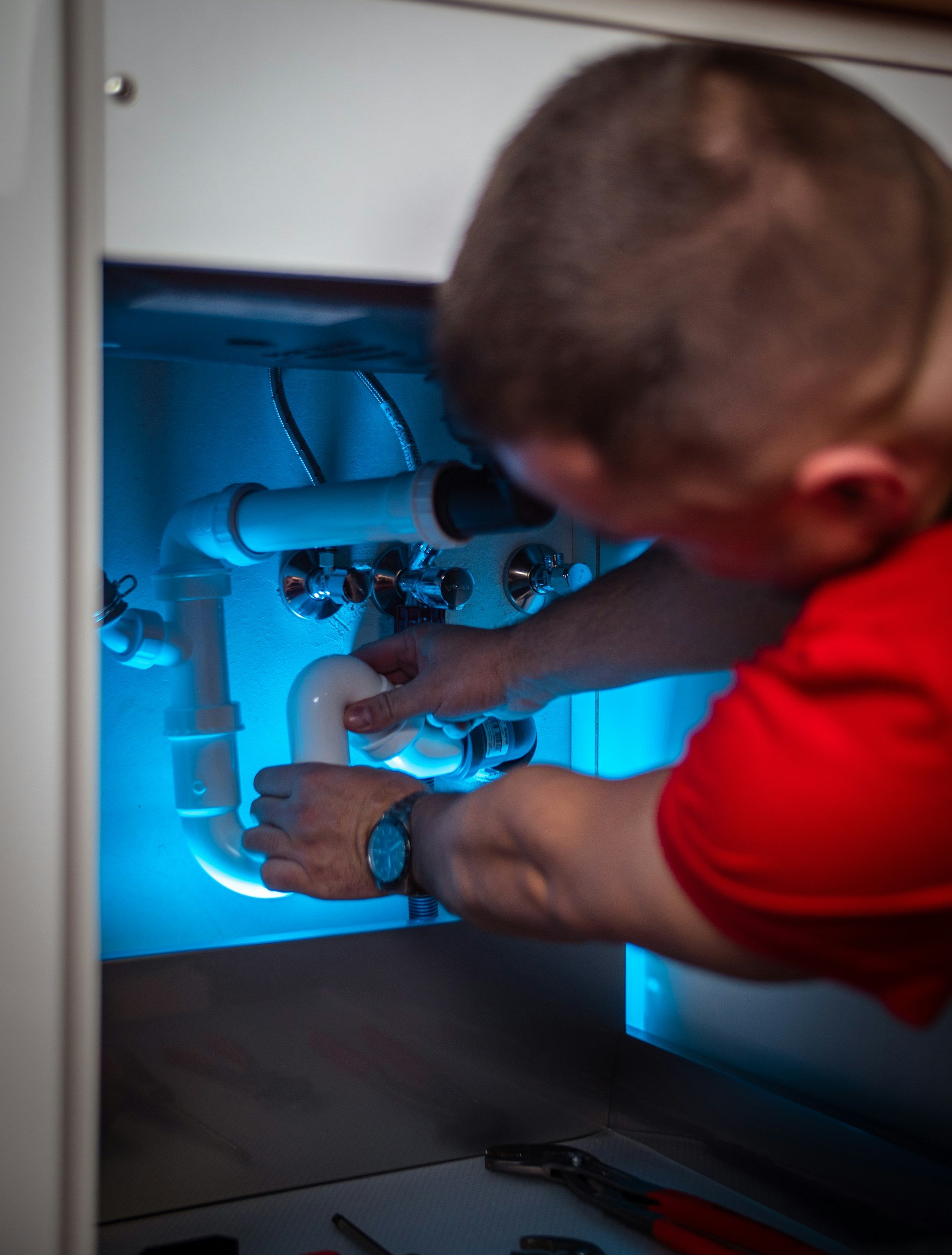
Slow drains are easy to shrug off. You may think the issue will resolve on its own because water may still go down in the end. However, if the same drain continues to back up, the problem could be more serious than a small blockage near the top of the drain.
Understanding the causes of frequent blockages can assist you to know when simple maintenance is sufficient and when you require specialist help.
Food and grease can build up
The kitchen drains typically collect:
Food particles
Grease
Cooking oil.
Even if only a small amount is flushed down the drain, it can build up over time on the pipe's interior. It is still usable in the beginning. But the opening starts to narrow over time and causes the blockage.
Hair is a common bathroom culprit
Hair can mix with soap and other matter to create tight masses in bathroom drains. This is especially prevalent in showers and bathtubs.
Always remove visible hair from the drain cover. If the water still drains slowly after cleaning, the problem is likely deeper in the pipe. In that case, you should seek professional plumbing services.
Flushing the wrong items
Toilets are not meant to accept household products that just fit down the bowl. Some materials should not be flushed, including:
Wipes
Paper towels
Sanitary products
Other unflushable items.
If a toilet keeps clogging even when you use it responsibly, the issue is bigger. It is likely not just a single blockage. Something else is wrong with the overall drainage system.
Tree roots can damage underground pipes
The underground system can cause recurring drainage issues. Tree roots can infiltrate damaged or improperly installed pipes. They do that in search of water, slowly curtailing the flow.
A household drain cleaner won't solve this type of problem. A professional inspection might be necessary to see if the pipe is damaged or if the flow is blocked.
Chemical cleaners are not working
Chemical drain cleaners may be convenient to pour down a drain that keeps clogging. But these chemicals aren't meant to clear all types of blockages. They may also be dangerous if:
Improperly handled
Mixed with other chemicals.
When basic measures fail, seek a professional plumber. They can find out what is causing the clogged drain, instead of just treating the symptom over and over again.
When is it time to call a professional?
Basic measures can address a small blockage. But repeated clogs are stubborn. It may be time to schedule a plumbing service if:
Multiple drains are backing up
Water returns after clearing the clog
You smell foul sewer odors
You hear gurgling coming from the pipes.
Also, professional assistance is needed when a drain issue is accompanied by:
Visible water leakage
Overflowing wastewater
Unusually slow drainage around the house.

What Counts as a Plumbing Emergency
Plumbing problems don’t always happen at convenient times, and some issues simply can’t wait for a standard appointment. When water spreads quickly, or the sewage backs up, fast action matters. Knowing what truly counts as a plumbing emergency helps you protect your home, avoid costly damage, and get the right help when you need it most.
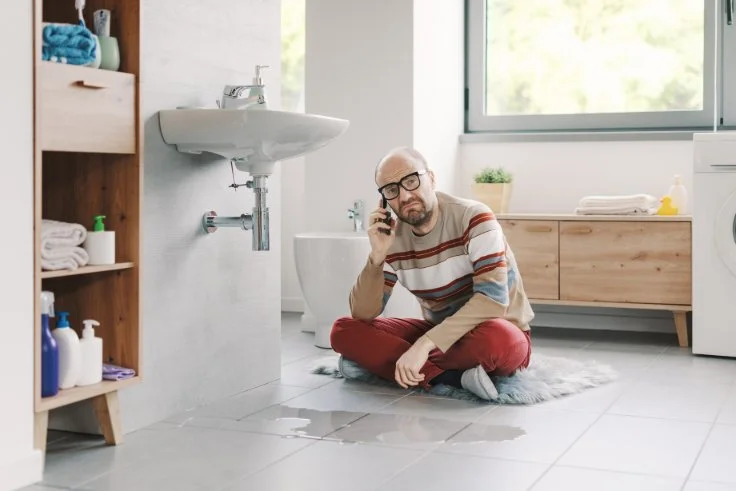
Plumbing problems don’t always happen at convenient times, and some issues simply can’t wait for a standard appointment. When water spreads quickly, or the sewage backs up, fast action matters. Knowing what truly counts as a plumbing emergency helps you protect your home, avoid costly damage, and get the right help when you need it most.
Sudden Leaks and Burst Pipes
Sudden leaks and burst pipes are among the most urgent plumbing problems homeowners face. When water pours from a pipe and soaks the floors, every minute counts. Even a small leak can spread behind walls or under flooring, causing hidden damage that becomes expensive to repair later. If you notice rapid water flow, a bulging ceiling, or a visibly split pipe, shut off your water supply and call a plumber immediately. A professional can quickly locate the source, stop the leak, and prevent further damage.
Sewage Backups and Overflowing Fixtures
Sewage backups are not only unpleasant, but they’re also a serious health hazard. When wastewater pushes back into the drains, it can carry bacteria and contaminants that make your home unsafe. Early warning signs include foul odors or multiple fixtures backing up at once. Because sewage exposure can damage flooring, drywall, and personal belongings, this type of issue always requires same‑day service. Emergency plumbers have the equipment to clear blockages safely and restore proper flow before the problem gets worse.
No Water or No Hot Water
Losing access to water can quickly become an emergency, especially if the issue affects your entire home. A sudden lack of water may indicate a major supply line problem, a frozen pipe, or a severe leak somewhere in the system. Hot water loss can also be urgent when it involves a failing water heater. Never ignore leaks around the tank, strange popping noises, or signs of overheating. These problems can escalate into flooding or safety risks, and working with a plumber ensures the issue is diagnosed and repaired before it worsens.
Major Drain Blockages
Not all clogs are emergencies, but major drain blockages can quickly turn into one. When water begins backing up into sinks, tubs, or floor drains, it can lead to flooding or even sewage exposure. A clog in the main sewer line is especially urgent because it affects every drain in the home. If plunging doesn’t help, or if multiple drains are backing up at once, you need emergency plumbing service. A plumber, such as one from Fairfax Plumbing NV, can use professional tools to clear the blockage safely and prevent further damage.
Gas Line Concerns and Strong Odors
If you smell gas or notice strong, unusual odors near appliances, this is a true emergency. Gas leaks are dangerous and require immediate attention. Homeowners should leave the area and contact emergency services first, but a licensed plumber often repairs the damaged line and ensures your home is safe to return to. Treat any suspected gas issue with urgency.
When a Plumbing Issue Isn’t an Emergency
Some plumbing problems can wait for a scheduled appointment. Slow drains, minor drips, running toilets, or small fixture issues usually don’t require emergency service unless they worsen. If the problem isn’t causing damage, posing a safety risk, or affecting your ability to use water, it’s typically safe to book a standard visit. When in doubt, a quick call to a plumber can help you determine whether the issue is urgent.
Plumbing emergencies often come with clear signs—fast‑moving water, sewage backups, major blockages, or anything that threatens your home’s safety. Acting quickly and working with a professional plumber can prevent costly damage and restore your home’s plumbing safely. When something feels urgent, it’s always better to err on the side of caution and get help right away.

Why Your Old AC Can’t Keep Up, So Replacement Makes More Sense
Air conditioners rarely fail all at once; instead, their performance slips gradually in ways homeowners often overlook, like longer cooling cycles or rooms that never quite feel comfortable. Because these changes happen slowly and the system is usually out of sight, it’s easy to assume a quick repair will solve the problem. In reality, these early signs often point to deeper issues that make replacement a smarter long‑term choice, and recognizing them early can help you avoid unexpected breakdowns during peak summer heat.

Air conditioners rarely fail all at once; instead, their performance slips gradually in ways homeowners often overlook, like longer cooling cycles or rooms that never quite feel comfortable. Because these changes happen slowly and the system is usually out of sight, it’s easy to assume a quick repair will solve the problem. In reality, these early signs often point to deeper issues that make replacement a smarter long‑term choice, and recognizing them early can help you avoid unexpected breakdowns during peak summer heat.
Contributing Factors to AC Performance Decline
As air conditioners age, natural wear begins to affect how well they cool. After 10 to 15 years of operation, components like the compressor, blower motor, and evaporator coil lose efficiency, making it harder for the system to move heat and circulate air effectively. This gradual decline often shows up as longer cooling cycles, reduced airflow, or a general sense that the system just isn’t keeping up the way it used to.
Older systems also fall behind modern units in terms of energy efficiency. Today’s air conditioners use advanced technology to cool more effectively while consuming less electricity, but equipment installed more than a decade ago wasn’t designed to meet these standards. Refrigerant regulations add another challenge.
Airflow limitations further reduce performance. Blower motors weaken, coils accumulate dirt, and ductwork can deteriorate or develop leaks over time. Even small airflow restrictions can noticeably reduce comfort, especially during the hottest months. When these issues combine, they create a predictable pattern of reduced cooling performance that becomes harder to ignore as the system gets older.
AC Running Constantly Without Cooling the Home
If your AC runs nonstop but still struggles to cool your home, it’s a strong sign the system is losing its ability to keep up. A weakened compressor is often the cause. When the compressor can’t circulate refrigerant effectively, the system has to run longer to achieve the same cooling, sometimes without ever reaching the temperature you set. This is one of the earliest signs that the system’s core components are wearing out.
Airflow issues can also contribute to constant cycling. A failing blower motor or restricted ductwork reduces the amount of cool air reaching your living spaces, forcing the AC to run continuously to compensate. This not only drives up energy bills but also strains the system. Because airflow problems can stem from several sources, working with a professional HVAC technician is the best way to pinpoint whether the issue is mechanical, duct‑related, or a combination of both.
This nonstop operation is more than an inconvenience; it’s one of the clearest indicators that the system is nearing the end of its lifespan. When an air conditioner can no longer cool effectively despite running constantly, replacement is usually the most cost‑effective solution. A professional installation, such as from TRS Heating and Air Conditioning, means your AC won’t run constantly, saving you money and frustration.
Recurring AC Repairs Increasing Over Time
Recurring repairs are another sign your AC may be ready for replacement. Aging systems often experience repeated issues with capacitors, contactors, refrigerant leaks, or electrical components. While each repair may seem manageable, the costs add up quickly.
A helpful guideline is the “50 percent rule.” If the cost of repairing your AC approaches 50 percent of a new system, replacement is typically the better investment. This rule is especially relevant when the system is more than a decade old or when multiple components are showing signs of failure.
Repeated breakdowns also indicate deeper mechanical decline. When one part fails, it often strains other components, creating a cycle of repairs that gets increasingly expensive. If you’ve had two or three repairs in a single season, it’s a strong sign that the system is wearing out.
Uneven Cooling and Temperature Imbalances
Uneven cooling is a common complaint among homeowners with aging AC systems. You may notice that some rooms stay comfortable while others feel warm or stuffy. These hot and cold spots often stem from airflow distribution problems rather than overall system capacity.
As systems age, blower motors lose power and can’t push air evenly through the ductwork. Ducts may develop leaks or become partially blocked, reducing airflow to certain areas. Older systems also lack the advanced controls found in modern units, making it harder to maintain consistent temperatures throughout the home.
Newer air conditioners with variable‑speed technology can adjust airflow and cooling output more precisely, helping eliminate temperature imbalances. If your home has persistent hot and cold spots, upgrading to a modern system can noticeably improve comfort.
Energy Bills Rising Without Changes in Usage
Many homeowners first notice AC problems when their energy bills start rising. If your cooling costs are increasing even though your usage hasn’t changed, it’s a sign the system is working harder than it should. As components age, they lose efficiency and require more electricity to deliver the same level of cooling, which often shows up on your utility bill long before comfort noticeably drops.
Dirty coils reduce heat transfer, worn motors struggle to circulate air, and failing compressors draw more power as they decline. Because these issues develop gradually, homeowners often overlook them until the bills become noticeably higher. A professional HVAC technician, such as someone like Trane South, can determine whether the problem is repairable or whether the system’s declining efficiency signals it’s nearing the end of its lifespan.
Rising energy costs are one of the earliest and most reliable indicators that it may be time to consider getting an AC installation. A new system operates far more efficiently, helping lower monthly bills while restoring consistent comfort throughout the home. If your energy costs have climbed steadily over the past few summers, upgrading to a modern unit can be a smart long‑term investment.
Use of Outdated or Hard‑to‑Find Refrigerant
If your AC uses older refrigerant like R‑22, keeping it running can become difficult and expensive. Because this refrigerant is no longer produced, the remaining supply is limited, and any repair that requires adding more can come with a surprisingly high price tag. A simple leak that might have been affordable years ago can now turn into a major repair bill.
For many homeowners, fixing an R‑22 system just isn’t practical anymore. Even if a technician can repair the leak, refilling the refrigerant may cost more than the system is worth, especially if the AC is already showing other signs of age. Newer systems use refrigerants that are easier to get, more affordable, and designed to work more efficiently.
Choosing to install a new AC eliminates the worry about outdated refrigerant altogether. A modern system provides reliable cooling, lower operating costs, and peace of mind that future repairs won’t be held back by hard‑to‑find materials.
Reasons AC Repairs Stop Being Cost-Effective
At some point, repairing an old AC system simply doesn’t make financial sense. Beyond the cost of individual repairs, homeowners should consider the hidden expenses of keeping an aging system running.
Older systems often have multiple components nearing failure. Fixing one issue may only delay the next breakdown. Meanwhile, rising energy bills and reduced comfort add to the overall cost of keeping the system in place. When repairs become frequent, expensive, or unpredictable, replacement becomes the more cost‑effective option. A new system provides reliable performance, lower energy costs, and fewer surprises.
Benefits of Installing a New AC System
Replacing an old AC system comes with several meaningful benefits. Modern units run far more efficiently, which can lower your cooling costs and make your home feel more comfortable even on the hottest days. Improved airflow and better humidity control also help maintain steady temperatures throughout the house.
New systems typically include stronger warranties, giving you peace of mind and protection against unexpected breakdowns. A professional installation, such as one done by the technicians at Mullin Plumbing, ensures the system is set up correctly from day one, which helps prevent early wear and keeps your new AC performing at its best. With fewer repairs and more reliable cooling, you can enjoy a more comfortable home without the stress of constant maintenance.
If you’re experiencing frequent repairs, uneven cooling, rising energy bills, or refrigerant issues, now is probably a good time to contact an HVAC company for a replacement quote. A professional can evaluate your home’s cooling needs, perform load calculations, and recommend the right system size. Getting quotes before peak summer demand ensures you have time to compare options and schedule installation without delays.