
Garage Organization Tips That Help Keep Pests Away
We partnered with a home improvement company for this post. The opinions in the post are honest. All reviews and opinions expressed in this post are based on our personal views. We are excited because we know you will love it.
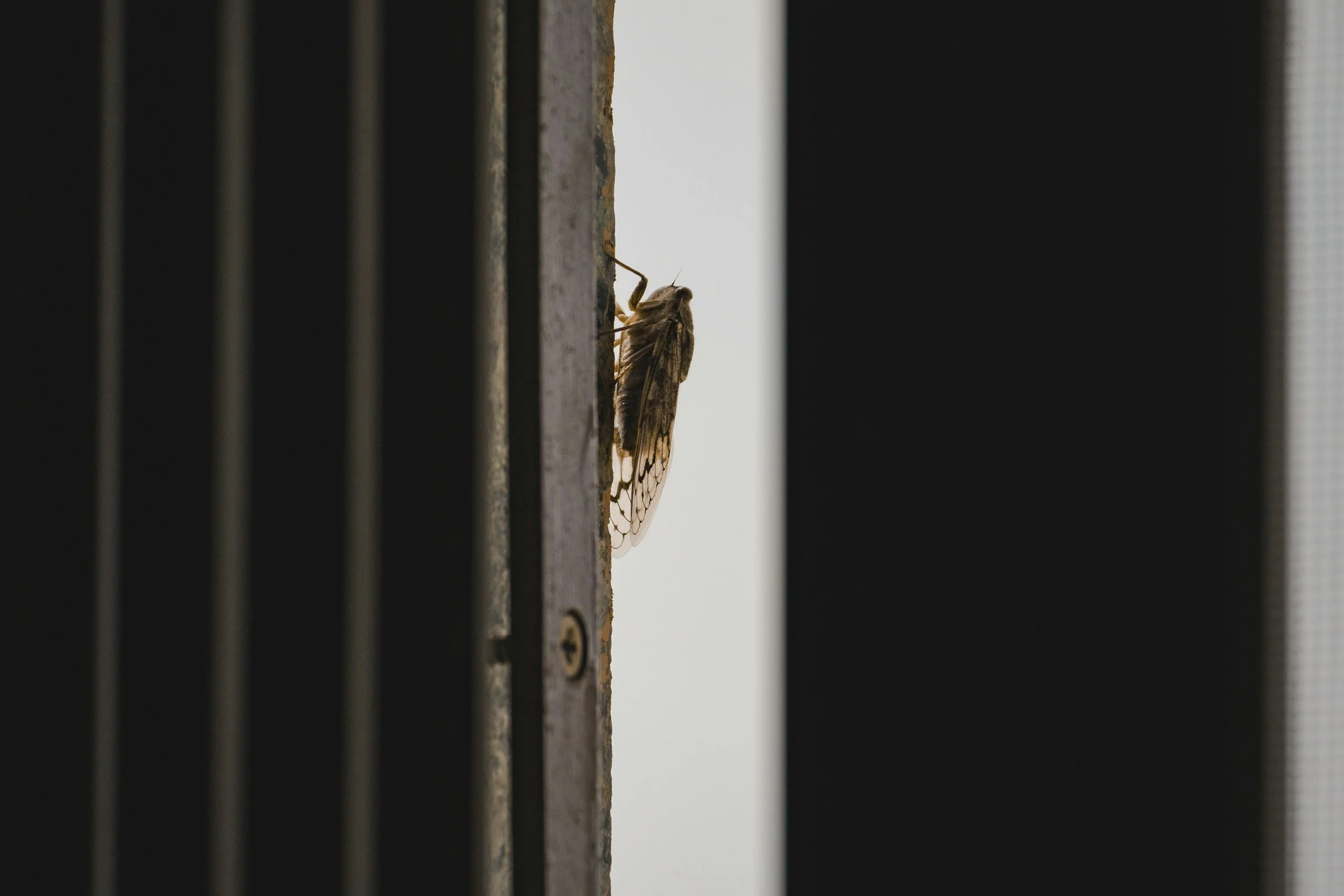
A clean, organized garage can make a big difference in pest control. By reducing clutter, sealing entry points, and storing items properly, homeowners can make the garage less attractive to insects, rodents, and other unwanted pests.
Why Pests Enter And How To Keep Pests Out Of Garage
Garages often attract pests because they offer the exact conditions many insects and rodents need: shelter, warmth, darkness, moisture, and easy access to food or nesting materials. They function as a transition zone between the outdoors and the home, are frequently opened to the outdoors, sealed less tightly than living spaces, and filled with items that create shade, warmth, scent, and shelter.
The biggest attractants are usually a combination of access and opportunity. A worn garage door pest seal, a small corner gap, an opening around a pipe, a crack near the foundation, or gaps around utility lines, vents, and wall penetrations can give pests a way inside. Once there, cardboard boxes, bags of seed, pet food, birdseed, grass seed, firewood, holiday decorations, old fabric, rarely moved storage bins, and cluttered corners can provide places to hide, feed, or nest.
Moisture also plays a major role. Damp concrete, condensation, wet mops, leaky water heaters, poor drainage near the garage, and damp bags of soil can make the space more appealing to ants, cockroaches, silverfish, spiders, crickets, rodents, and other pests. If cockroaches are already appearing in the garage or nearby rooms, storage changes and sealing may help reduce attractants, but the activity may also need to be inspected by a roach exterminator, especially if sightings continue after the garage is cleaned and dried. Once pests find a protected spot with limited disturbance, they may settle in quickly and spread to other parts of the home.
A pest-resistant garage is not only sealed; it is dry, organized, and easy to inspect. That is why homeowners who want to keep pests out of garage areas should treat storage, sealing, cleaning, and moisture control as part of the same prevention plan. When these steps work together, it becomes easier to keep pests out of garage spaces before they turn into a larger problem.
Garage Organization For Better Garage Pest-Proofing
Better organization helps remove the hiding places and food sources that make a garage attractive to pests. The best garage organization strategy for pest prevention is to make the space visible, accessible, and easy to disturb. Pests prefer areas that stay dark, crowded, and untouched.
Start by getting items off the floor and onto shelves, racks, hooks, ceiling racks, or wall-mounted storage systems. This makes it easier to see signs of pest activity and supports garage pest-proofing by reducing the dark, undisturbed spaces where insects and rodents like to nest. When everything is stacked tightly against walls or piled on the floor, homeowners lose the ability to spot droppings, chew marks, insect activity, webbing, nesting material, or small entry points.
Use clear, lidded plastic bins instead of cardboard boxes whenever possible. Label containers so they do not need to be opened repeatedly, and keep similar items grouped together. Seasonal items, tools, sports gear, gardening supplies, and automotive products should each have a defined storage area.
Leave a small inspection gap between stored items and the walls, especially along the floor-wall joint, so you can check along baseboards, corners, and foundation edges. Avoid stacking belongings directly against the garage door or around utility areas, water heater, electrical panel, vents, or the door leading into the home, since those are common pest entry points.
A well-organized garage does not have to look empty. It simply needs to be arranged so that corners, baseboards, door seals, and storage containers can be checked without moving dozens of items. That visibility makes it harder for pests to settle in unnoticed and improves long-term garage pest control.
What Not To Store For Better Garage Pest Control
Homeowners should avoid storing anything in the garage that can feed pests, absorb odors, provide nesting material, hold moisture, or become damaged by temperature and moisture changes. The riskiest garage storage items are not limited to obvious food products. This includes open food, pantry overflow, pet food in bags, birdseed, grass seed, cardboard boxes, paper files, old clothing, rugs, towels, upholstered furniture, patio cushions, moving blankets, fabric, and cushions.
Cardboard is especially pest-friendly because it holds odors, absorbs moisture, and can be chewed or shredded for nesting material. Fabric, cushions, clothing, and upholstered furniture can also create warm, hidden spaces for rodents, spiders, and insects. Used furniture, mattresses, rugs, and fabric items should be inspected carefully before being stored in the garage, especially if they came from a secondhand source or another home. If bed bugs are suspected, these items should not be moved into storage until they have been inspected, isolated, or handled through proper bed bug treatment. If these items must be stored in the garage, they should be cleaned, fully dried, and sealed in durable plastic containers.
Firewood should not be stored inside the garage for long periods because it can bring in ants, termites, beetles, spiders, and other pests. If firewood must be kept nearby, store it outside, elevated off the ground, and away from the home’s exterior walls.
Items with strong organic smells, such as potting soil, fertilizer, compost products, animal feed, bone meal, blood meal, and certain fertilizers, should also be handled carefully. Even when they are not "food" for every pest, their odors or organic ingredients can draw insects, rodents, wildlife, or other pests into the garage.
Safe Storage Tips: How To Keep Pests Out Of Garage
Any food-related or seed-based product stored in the garage should be sealed in a durable, pest-resistant container. Pet food, birdseed, livestock feed, grass seed, pantry overflow, and garden products should be stored as if they were pantry items. The original bag is usually designed for shipping and display, not long-term pest protection. Once opened, these products should be transferred to sealed, chew-resistant containers because rodents can chew through paper or plastic bags easily, and insects can get into tiny openings.
Use heavy-duty plastic, metal, or glass containers with tight-fitting lids. Metal containers are especially useful for birdseed and pet food because they are harder for rodents to chew through. Heavy-duty plastic bins can work well for lower-risk items if the lids close securely and the containers are checked regularly for cracks, chew marks, or loose seals.
Spills matter as much as storage. A few pieces of kibble, a scattering of birdseed, or a thin layer of grass seed under a shelf can keep pests interested in the garage. Keep containers off the floor when possible, wipe containers before putting them away, and sweep up spilled kibble, seed, grain, or residue immediately.
Garden products such as fertilizer, bone meal, blood meal, compost-based amendments, and certain soil amendments can attract pests because of their scent or organic content. Store these products in sealed bins or cabinets, away from pet food and household storage. Always keep labels intact so products are not mistaken for one another, and check containers regularly for chew marks, moisture, or insects. These habits help keep pests out of garage storage areas without requiring major changes to how the space is used.
Decluttering Tips For Garage Pest-Proofing
Clutter reduction is one of the most effective garage pest-proofing steps because pests rely on hidden, undisturbed areas. When a garage is crowded with boxes, bags, tools, loose items, or one untouched stack of belongings, pests can move, nest, and reproduce without being noticed.
Clearing clutter makes pest activity easier to spot. Droppings, gnaw marks, shredded nesting material, insect trails, dead insects, egg cases, cobweb buildup, seed fragments, and damaged packaging are much more visible in an organized space. It also makes cleaning more effective because dust, crumbs, spilled seed, and debris are not trapped beneath piles of belongings.
A practical approach is to remove anything that is broken, expired, damp, or no longer used, then divide the remaining garage items into keep, donate, discard, and relocate. Anything kept should be stored in sealed containers, on shelving, or on wall-mounted storage. Items that sit directly on the floor should be limited, because floor storage creates shadows, traps debris, and makes it harder to clean the places pests use most.
The goal is not an empty garage; it is a garage with fewer hiding places, fewer food sources, open floor space, clear wall edges, and clear access to corners, walls, and entry points. This lets homeowners catch pest problems early, before they spread into the home.
Using A Garage Door Pest Seal
A garage door pest seal or garage door pest guard helps protect one of the most common pest entry points in the garage: the gap beneath or around the garage door. Rodents, ants, cockroaches, spiders, mice, crickets, and other pests can use surprisingly small openings, especially at the bottom corners where the door, frame, and concrete meet.
The bottom seal helps create a tighter barrier where the garage door meets the floor. Side and top seals help close gaps around the frame. Pest guards can add extra protection at vulnerable corners, where rodents and insects often find small openings or where flexible seals wear down, pull away, or leave small openings. These products also help reduce drafts, dust, leaves, and moisture entering the garage.
For best results, the garage door pest seal should be flexible, intact, properly fitted, and regularly checked. A worn, cracked, loose, or flattened seal should be replaced. Homeowners should also check whether the garage floor is uneven, the door is misaligned, or the seal has flattened with age, because pests may still find a path in if the door does not sit flush. Homeowners should look for daylight under the door, cracked rubber, loose weatherstripping, chew marks, or triangular gaps at the corners.
Adding A Garage Door Pest Guard
During garage pest-proofing, homeowners should inspect the entire perimeter of the garage, starting with a simple light check. Stand inside the garage during daylight and look for places where light comes through. If light can enter under the garage door, around the corners, near a service door, or around a wall penetration, pests may be able to enter too.
The garage door deserves the closest attention. Check the bottom seal, side seals, top seal, corners, door tracks, and the point where the door meets the concrete floor. A garage door pest guard can be especially helpful at the lower corners, where small gaps often remain even when the main seal looks intact. If the corners continue to show light or small openings, a garage door pest guard may add another layer of protection. Look for daylight showing through, torn weatherstripping, chew marks, or gaps large enough for insects or rodents.
Other key areas include cracks in the foundation, the foundation edge, floor-wall joint, cracks in the slab, gaps along baseboards, spaces around utility lines, plumbing penetrations, electrical conduits, vents, windows, service doors, exterior doors, and the connection points between the garage and the main house. Pay close attention to corners, because they often separate slightly over time.
The door between the garage and the home should also be included in pest-proofing. A tight door sweep, intact weatherstripping, and a properly closing door can help keep pests from moving from the garage into living areas. Attached garages are especially important because even a small pest issue in the garage can become an indoor problem if that interior door is poorly sealed. Any opening that allows air, light, water, or debris through can also allow pests through.
Cleaning Tips For Long-Term Garage Pest Control
Regular cleaning and maintenance help keep the garage from becoming a long-term pest habitat. Sweeping and vacuuming remove seed fragments, crumbs, dead insects, spider webs, nesting material, dust, leaves, and debris that can hide early pest activity. Vacuuming corners, shelving, and storage areas also helps remove insect eggs and fine debris that pests use for shelter.
Homeowners should clean up spills immediately, especially pet food, birdseed, grass seed, fertilizer, and potting soil. Trash and recycling should be kept in closed containers and removed regularly, especially if food packaging is stored there. Moisture should also be addressed quickly, since damp areas can attract cockroaches, silverfish, ants, termites, and other pests. Homeowners should also remove standing water from buckets, bins, plant saucers, tarps, clogged gutters, or low spots near the garage, since these areas can contribute to mosquito activity. Keeping the garage and nearby exterior areas dry is an important part of long-term mosquito control.
Maintenance is just as important as cleaning. Homeowners should replace worn garage door seals, repair damaged weatherstripping, seal small cracks, fix moisture problems, remove unnecessary clutter, and remove items that have become damp or contaminated. These routine steps make garage pest control more effective over time and reduce the chance that pests will return.
A monthly garage inspection can prevent many pest problems from becoming serious. Check seals, corners, storage containers, wall edges, under shelves, behind bins, around the garage door, near utility areas, and the floor beneath shelves. Look for droppings, gnaw marks, torn packaging, web buildup, insect trails, unusual odors, moisture, or new gaps. The goal is to catch small changes before pests become established.
When To Call For Garage Pest Control
Homeowners should consider professional garage pest control when there is a pattern of activity rather than a one-time sighting. Repeated droppings, gnaw marks, scratching sounds, chewed packaging, nesting material, unusual odors, recurring ants, cockroach sightings, wasp activity, damaged storage, or pests appearing in rooms next to the garage are signs that DIY steps may not be enough.
Professional help is especially important for rodents, cockroaches, termites, carpenter ants, wasps, and recurring infestations. These pests can be difficult to control without identifying the species, locating the source, finding hidden entry points, and choosing the right treatment and exclusion plan.
DIY pest-proofing is useful for prevention, but an established pest problem often needs a more complete approach. A professional can inspect the garage, identify why pests are entering, find nesting or harborage areas, treat active activity, and recommend long-term changes to storage, sealing, sanitation, and moisture control. The best results usually come from combining professional treatment with better garage habits at home.