
How Clutter Can Hide Your Home’s Best Features
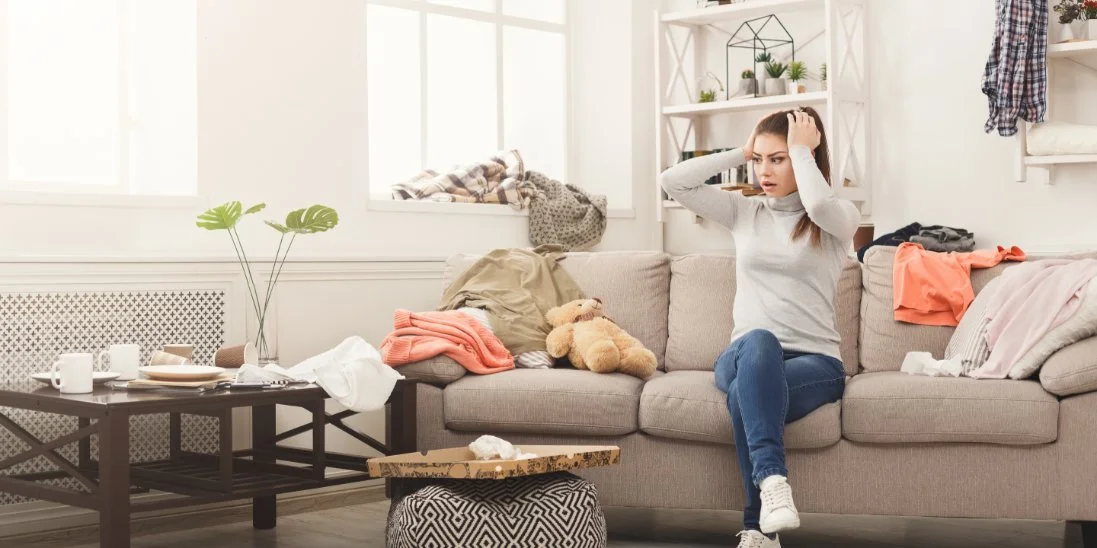
Your home may have beautiful architectural details, generous rooms, and cozy family spaces, yet everyday clutter can quietly pull attention away from them. Busy working moms often manage schedules, school papers, laundry, groceries, and countless household items, so belongings naturally collect in convenient spots. Unfortunately, crowded surfaces and overfilled rooms can make a home feel smaller and less welcoming than it really is. Let’s explore how clutter can hide your home’s best features and a few ways to regain control over your space.
Clutter Changes How You See a Room
Clutter competes for attention because your eyes have more objects to process whenever you enter a room. A beautiful fireplace may disappear behind baskets, toys, decorations, or furniture that slowly gathered around it. Kitchen countertops can look smaller when appliances, mail, lunch supplies, and reusable bottles cover every available section. Clearing unnecessary items gives your eyes somewhere to rest and allows the room’s strongest features to become the focus again.
You don’t need an empty or perfectly styled house to achieve this effect. Instead, decide what deserves attention in each room and reduce the objects that compete with that feature. You might highlight a sunny window in the living room, attractive cabinets in the kitchen, or a comfortable reading corner in a bedroom. This simple organizing strategy helps your home feel intentional without making family spaces feel stiff or unrealistic.
Too Much Stuff Can Make Rooms Feel Smaller
A room often feels cramped when belongings cover the floor, furniture, and other visible surfaces. Extra furniture can create the same problem, especially when a family keeps pieces that no longer serve a clear purpose. Removing a few unnecessary objects can improve walking paths and reveal how much usable space the room actually provides. Better flow also makes mornings, cleanup sessions, and busy evenings easier for everyone in the household.
Start with the areas your family uses most instead of trying to organize the entire house during one exhausting weekend. A focused approach gives you visible progress and makes the project easier to fit around work and family responsibilities. Choose one problem area, finish it, and then move to the next space when your schedule allows. Small organizing sessions can create surprisingly noticeable changes when you tackle the places that collect clutter fastest.
Clear Surfaces Highlight Beautiful Details
Countertops, tables, shelves, and dressers naturally attract objects because they provide convenient landing spots. Over time, those items can cover attractive materials, interesting finishes, or decorative details that originally gave the room personality. Clear most of the surface and leave a few useful or meaningful pieces rather than filling every open section. Your favorite objects will stand out more when they don’t compete with piles of unrelated belongings.
Working moms can make this process easier by giving common items simple homes near the places where family members use them. School papers might go into a designated file, while keys and daily essentials can stay in a small entryway container. A basket can hold toys that children frequently use in the living room without allowing them to spread across the entire space. Easy systems encourage family participation because everyone knows where things belong.
Organization Can Reveal a Home’s Selling Points
Home organization becomes especially useful when you want visitors or potential buyers to notice what makes your property appealing. In fact, organization can increase your home’s value before selling by helping buyers clearly see available space, storage, architectural features, and practical room layouts. Even when you have no immediate plans to move, organizing with that mindset can help you appreciate features that clutter previously covered. You may rediscover generous closets, wide countertops, built-in shelving, or flexible corners that your family can use more effectively.
Pay particular attention to storage areas because packed closets can make available storage look limited. Remove items your family no longer uses, then arrange what remains so that shelves and floors remain partly visible. This approach shows the actual dimensions of the space and makes finding everyday belongings much easier. You gain a more functional home now while also protecting its visual appeal for the future.
Create Simple Systems for Busy Family Life
An organization system only works when your household can realistically maintain it. Complicated categories and picture-perfect storage arrangements may look impressive at first, but they can create more work during a hectic week. Choose broad categories, accessible containers, and convenient storage locations that match your family’s normal routines. The goal should involve reducing stress rather than creating another household standard that requires constant attention.
A few practical habits can prevent everyday belongings from hiding your home’s best features, such as:
Give frequently used items a clear and convenient home.
Keep a basket nearby for belongings that need to return to another room.
Sort incoming mail and school papers before they reach kitchen counters.
Ask family members to spend a few minutes resetting shared spaces each evening.
Donate or discard items when storage areas start becoming difficult to manage.
Make Your Favorite Features the Focus
Once you reduce clutter, decide which details you want each room to showcase. You might arrange seating toward a fireplace, clear decorations away from beautiful built-in shelves, or remove extra items from an attractive kitchen island. This approach gives every space a natural focal point and helps your home feel calmer without requiring expensive renovations. It also encourages you to decorate around features you already love rather than constantly adding more objects.
Remember that a family home should still look and function like a place where real people live. Children need accessible toys, parents need convenient work areas, and everyone needs storage that supports busy routines. Thoughtful decluttering simply creates enough breathing room for those necessities to coexist with the home’s strongest features. When organization supports your family’s habits, keeping rooms comfortable becomes much more manageable.
Clutter often builds gradually, which makes it easy to overlook just how much it changes the appearance and function of your home’s features. Clearing unnecessary belongings can reveal valuable storage, beautiful finishes, better room proportions, and family spaces that feel much easier to enjoy. Start with one visible area, create a simple system, and continue at a pace that works around your responsibilities. With practical home organization and regular decluttering, you can help your home’s best features shine while creating a calmer space for everyday family life.