
Signs Your Home’s Insulation May Need an Upgrade
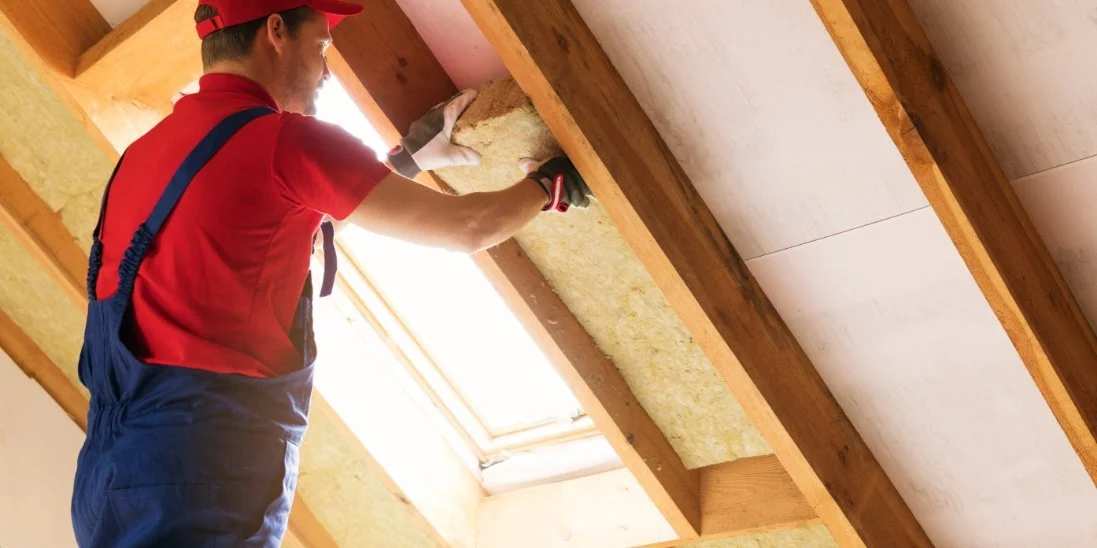
A comfortable home makes busy family life easier, especially when everyone moves between work, school, meals, homework, and bedtime routines. Insulation plays an important role in maintaining that comfort because it keeps outdoor temperatures from affecting indoor spaces as quickly. Older, damaged, or insufficient insulation can make certain rooms uncomfortable and force heating or cooling systems to work harder.
Moreover, learning the common red flags of insulation trouble can help you decide when your home deserves a closer look. Below, we go into greater detail about the various signs your home’s insulation may need an upgrade.
Some Rooms Never Feel Comfortable
One room that always feels warmer or colder than the rest of the house can point to an insulation problem. Bedrooms above garages, finished attics, additions, and rooms along exterior walls may show temperature differences more clearly than central spaces. Poor insulation allows heat to move more easily between indoor and outdoor areas, which can make family comfort inconsistent. Before constantly adjusting the thermostat, pay attention to whether the same rooms cause problems throughout each season.
You can make a simple comparison by walking through the house while the heating or cooling system runs normally. Notice whether certain spaces feel dramatically different even though doors remain open and air can circulate freely. Windows, ductwork, and direct sunlight can also affect room temperatures, so insulation doesn’t always deserve the blame. However, consistent hot or cold spots provide a good reason to investigate the home's thermal barrier.
Energy Bills Keep Creeping Higher
Higher utility bills can signal that your heating and cooling equipment works harder than necessary. When insulation cannot slow heat movement effectively, your HVAC system may run longer to maintain the temperature your family prefers. Compare bills from similar seasons rather than comparing a mild spring month with the middle of winter. A noticeable increase without a major change in household habits can justify checking your insulation and other efficiency concerns.
Start with a little household detective work before assuming you need a major renovation. Look for changes in utility rates, thermostat settings, weather conditions, and appliance use that might explain the difference. If these factors don’t account for the increase, consider asking a qualified professional to evaluate insulation and possible air leaks. Finding the source can help you make a focused improvement instead of spending money on random energy-saving fixes.
Walls and Ceilings Feel Unusually Cold or Hot
Interior surfaces can offer clues about how well your home separates living spaces from outdoor temperatures. Exterior walls that feel noticeably cold during winter or unusually warm during summer may lack enough insulation for local conditions. Ceilings below an attic can show similar temperature differences when insulation has settled, shifted, or never provided adequate coverage. You don’t need special equipment to notice a surface that consistently feels different from nearby interior areas.
Avoid judging the entire home from one wall because sunlight, plumbing, vents, and room layouts can affect surface temperatures. Instead, look for patterns across several rooms and compare exterior surfaces with interior walls. Repeated differences can help you identify areas that deserve professional attention. This approach keeps the process manageable when you already have a packed family schedule.
Drafts Keep Showing Up Around the House
Drafts often make a home feel chilly even when the thermostat shows a comfortable temperature. Air can enter through gaps around windows, doors, attic openings, electrical penetrations, and other small spaces in the home's exterior shell. Insulation and air sealing work together, so fixing one issue without considering the other may leave comfort problems behind. A home energy assessment can identify where unwanted air movement occurs.
You might notice several clues during everyday routines, such as:
Cold air seems to move near exterior walls during winter.
Rooms near the attic or garage feel harder to keep comfortable.
Floors feel noticeably cold in particular parts of the house.
Indoor temperatures change quickly after the HVAC system stops running.
Certain family spaces need portable heaters or fans more often than others.
Furthermore, these signs don’t automatically prove that insulation needs replacement. They simply give you useful information about where the home's comfort problems appear most often. Write down recurring issues for a week or two instead of relying on what you remember during a busy day. A short record can make a future inspection more focused and productive.
Your HVAC System Seems To Run Constantly
Heating and cooling systems naturally cycle throughout the day, especially during very hot or cold weather. However, unusually long or frequent cycles can suggest that conditioned air escapes too quickly or outdoor heat enters too easily. Weak insulation can contribute to this problem because the house struggles to hold the temperature that the HVAC system creates. Frequent operation can also add unnecessary wear to equipment over time.
Several other issues can cause long HVAC cycles, including dirty filters, aging equipment, duct problems, and incorrect thermostat settings. Check simple maintenance items first and follow the manufacturer's recommendations for your system. If the equipment appears healthy but comfort problems continue, insulation may deserve a closer inspection. Looking at the home as one connected system can help you avoid treating symptoms instead of causes.
Older Insulation May No Longer Meet Your Needs
Older homes often contain insulation that reflects building practices from a different era. Previous owners may also have renovated certain areas while leaving attics, walls, crawl spaces, or additions with inconsistent coverage. Insulation can settle or sustain damage over time, and renovations can create new gaps that affect overall performance. An inspection can reveal whether the existing material still suits the home's current layout and your family's comfort needs.
You may encounter several insulation materials while researching an upgrade, which can make the subject feel more complicated than it needs to. Learning the science behind how spray foam insulation works can explain why some products insulate surfaces and reduce air movement through small gaps. Spray foam expands after application, allowing it to fill spaces that might otherwise allow unwanted airflow. A qualified installer can explain whether that option or another insulation type makes sense for a particular part of your home.
You don’t need to become an insulation expert to recognize the signs something is wrong and you may need to upgrade. Watch for uncomfortable rooms, rising energy use, frequent HVAC operation, drafts, attic concerns, and quick indoor temperature changes. Gather a few observations, rule out simple causes, and bring in a qualified professional when the pattern points toward a larger problem. Addressing insulation concerns at the right time can help your family enjoy a more comfortable and manageable home throughout the year.