
How Hidden Technology Is Changing Kitchen Design
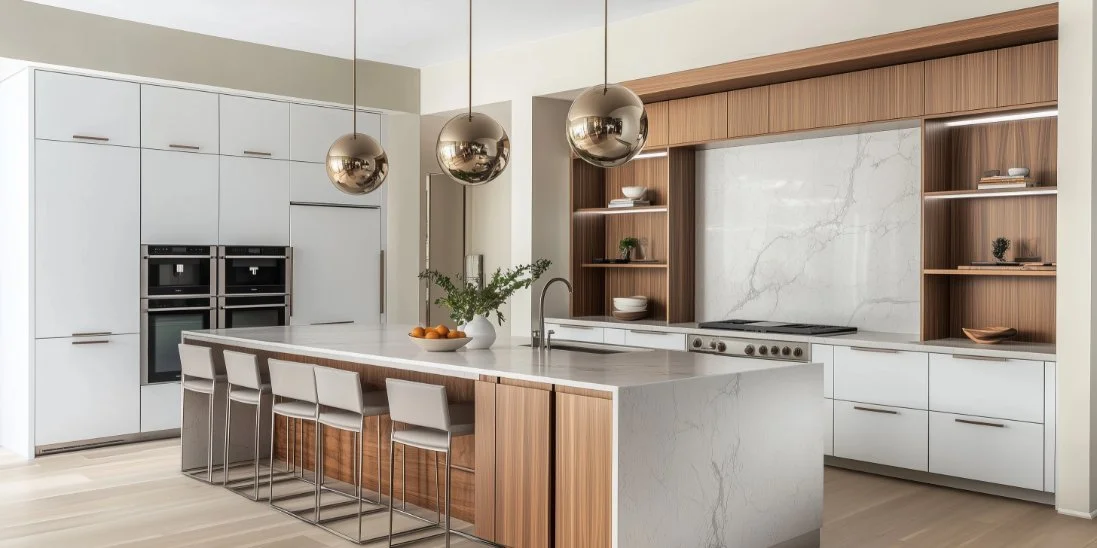
Kitchen technology used to demand attention with bulky appliances, visible controls, tangled cords, and countertop gadgets. Today, designers increasingly hide advanced features inside surfaces, cabinetry, fixtures, and appliances to create calmer and more functional rooms. This approach can especially benefit busy working mothers who want a kitchen that supports family routines without creating more visual clutter.
Hidden technology combines convenience with thoughtful organization, helping the kitchen feel like a comfortable living space instead of a collection of appliances. We’re exploring how hidden technology is changing kitchen design, including what this means for your family home.
Why Are Kitchens Becoming More Streamlined?
Modern families expect their kitchens to handle far more than cooking meals. The kitchen might host breakfast before school, afternoon homework, family dinners, weekend baking, and quick work calls during a packed weekday. When too many appliances and accessories occupy the room, those overlapping activities can quickly create frustration. Streamlined design gives families more open space to move, prepare food, gather, and complete everyday tasks.
Hidden technology supports that goal by reducing the number of objects that constantly compete for countertop space. Designers can conceal charging stations, appliances, ventilation systems, outlets, and other practical features without sacrificing easy access. Instead of eliminating useful technology, homeowners simply integrate it more carefully into the room. The result can feel organized even when the kitchen works hard throughout the day.
How Are Appliances Disappearing Into Cabinetry?
Large appliances once created obvious breaks in kitchen cabinetry because manufacturers treated them as standalone features. Integrated refrigerators, dishwashers, beverage coolers, and other appliances can now sit behind panels that coordinate with surrounding cabinets. This approach creates a smoother visual rhythm and helps smaller kitchens feel less crowded. Families still receive the functionality they need without letting every appliance dominate the design.
Smaller appliances can disappear too when homeowners create dedicated storage areas for them. Appliance garages can hold coffee makers, mixers, blenders, and toasters behind doors while keeping them close to electrical outlets. Pullout shelves can make heavier appliances easier to access without requiring families to lift them from inconvenient locations. These features give busy parents faster access to everyday tools while making cleanup easier after the morning rush.
Can Countertops Become Part of the Technology?
Countertops no longer need to serve as simple work surfaces. New kitchen systems can integrate cooking and charging functions into areas that previously remained technologically inactive. This development gives families opportunities to preserve open preparation space while gaining additional functionality. It also encourages homeowners to think about the countertop as part of the kitchen’s overall operating system.
Material selection becomes particularly important when technology sits beneath or integrates with a work surface. Homeowners exploring countertop materials that work with Invisacook should consider compatibility alongside appearance, durability, cleaning needs, and their family’s cooking habits. A beautiful surface still needs to support the technology that homeowners expect to use every day. Coordinating materials and equipment early in the planning process can prevent awkward compromises later.
Which Hidden Features Make Family Life Easier?
The best technology solves routine problems instead of adding unnecessary complexity. Families should focus on features that save time, reduce clutter, simplify cleaning, or make frequently repeated tasks easier. A kitchen doesn’t need every available innovation to feel modern and efficient. A few carefully selected upgrades can improve everyday routines far more than an overloaded collection of smart devices.
Helpful hidden features can include:
Charging drawers that keep devices and cords together
Appliance garages for frequently used countertop equipment
Pop-up or under-cabinet outlets for flexible power access
Integrated lighting inside drawers, cabinets, and pantries
Touchless faucets for easier cleanup during food preparation
Concealed ventilation systems that preserve open sightlines
Built-in organization for recycling, trash, and compost containers
Families can choose from these ideas according to their routines, available space, and renovation budget. Someone who cooks every evening may value concealed ventilation more than a family that prepares simple meals. A household with several devices might prioritize charging drawers and hidden outlets instead. Personalized decisions keep technology focused on solving real organizational problems.
What Should Families Consider Before Remodeling?
Planning matters because hidden technology often requires specific electrical, ventilation, cabinetry, or material choices. Homeowners should discuss their technology plans with qualified professionals early instead of trying to fit specialized features into a nearly finished kitchen. Families should also consider maintenance, repair access, product longevity, and replacement options before committing to tightly integrated systems. Convenient technology should remain practical throughout the kitchen’s lifespan.
Budget deserves equal attention because hidden features can range from inexpensive organizational upgrades to major structural investments. Homeowners can prioritize changes according to how often they will use each feature and how much frustration it removes. A well-positioned charging drawer may improve daily routines more than an expensive feature that rarely leaves its settings menu. Smart kitchen planning focuses on useful improvements rather than technology for technology’s sake.
How Can Families Keep the Kitchen Flexible?
Family routines change as children grow, careers shift, and household priorities evolve. A kitchen designed around one highly specific routine can become frustrating when life moves in another direction. Flexible storage, accessible power sources, adjustable shelving, and multipurpose surfaces make future changes easier to manage. Homeowners can enjoy modern technology while preserving enough adaptability for whatever comes next.
Families should also leave some room for future innovations rather than integrating every device permanently. Accessible wiring, thoughtfully placed outlets, and adaptable cabinetry can make upgrades easier without requiring another major renovation. This flexibility protects the practical value and visual appeal of the kitchen. It also allows technology to change while the room continues serving the family comfortably.
Hidden technology is changing kitchen design by making advanced features less visually demanding and more naturally connected to everyday routines. Integrated appliances, concealed charging, smarter storage, multifunctional surfaces, and streamlined fixtures can help families create kitchens that feel organized without sacrificing convenience. For working mothers and busy households, the strongest designs focus on removing small frustrations and making repeated tasks easier. When homeowners combine thoughtful organization with carefully chosen technology, the kitchen can become a calmer, more flexible space that truly works for family life.