
How To Plan A Fire-Smart Fence Line In Colorado
We partnered with a home improvement company for this post. The opinions in the post are honest. All reviews and opinions expressed in this post are based on our personal views. We are excited because we know you will love it.
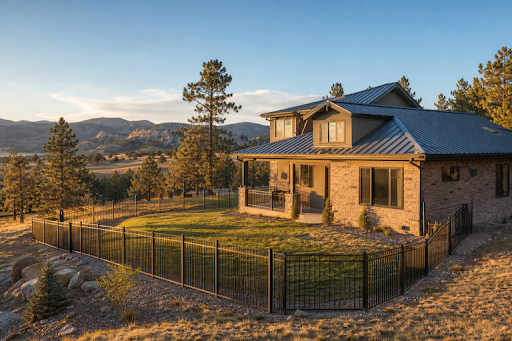
Key Takeaways
A fence should support property safety instead of creating a connected path for flames toward a structure.
The first five feet around a home, garage, deck, or porch need the closest attention.
Material selection matters, but fence placement, gates, posts, debris, and nearby plants matter too.
Fire-smart planning is ongoing work that includes inspection, cleanup, pruning, and repair.
Colorado fences must handle more than privacy, pets, and property boundaries. Dry vegetation, wind, intense sun, snow, and freeze-thaw cycles can affect how a fence performs over time, especially on properties near open space or foothill vegetation. A fire-smart plan considers how the fence, the surrounding landscape, and the home work together.
For homeowners comparing fence installation superior, CO options, GreenView Solutions offers a Superior-focused service page covering custom residential and commercial fencing, including wood, metal, vinyl, composite, gates, and fire-mitigation-oriented choices. As a family-owned contractor with more than 20 years of craftsmanship serving Superior and the Denver Metro area, GreenView Solutions brings practical experience with fence systems designed for Colorado sun, snow, wind, and changing seasonal conditions.
Why Fence Planning Matters In Colorado
A fence can define a yard, contain pets, add privacy, and control access. It can also connect combustible materials when it runs directly from dry grass, shrubs, mulch, or a wood pile to the house. The Colorado home ignition zone guidance explains why the structure and the immediately surrounding area should be evaluated together. Fire mitigation improves preparedness, but it does not guarantee that a home will survive a wildfire.
Start With The Fence's Main Job
Define the purpose before selecting a style or requesting estimates. A solid backyard privacy fence has different needs than an open front-yard boundary, pool barrier, pet enclosure, commercial perimeter, or driveway gate.
Privacy: Consider height, sightlines, panel style, and wind exposure.
Pet control: Check bottom clearance, gaps, digging risks, climbing points, and latch security.
Security: Review gate placement, locks, visibility, and lighting.
Property definition: Confirm the boundary before posts are set.
Wildfire readiness: Avoid a continuous combustible connection to buildings.
Review The First Five Feet Around Structures
The area nearest the home deserves the most careful review. Walk the perimeter and note where fencing touches siding, decks, porches, attached garages, or other connected features. Colorado wildfire guidance recommends replacing combustible fencing or gates within at least five feet of a home, so this transition area is an important place to consider metal, masonry, or another lower-combustibility approach.
Measure the gap between fence sections and each structure.
Remove leaves, needles, dry grass, and windblown debris at the fence base.
Move firewood, propane cylinders, planters, and combustible storage away from the fence.
Inspect connected gates and replace deteriorated sections promptly.
Compare Fence Materials By Location
No material is the best choice for every section of every lot. Matching the material to its location can improve durability and support broader defensible-space goals.
Steel: Strong and low-rot, with useful applications near structures, gates, and security-focused boundaries. Protect coatings and fasteners from corrosion.
Aluminum: Lightweight, corrosion-resistant, and often well-suited to open designs, front yards, and decorative gates.
Masonry: Sturdy and noncombustible, though it may require a larger budget and substantial footing design.
Wood: Adaptable and attractive for privacy, but it requires staining, repairs, and regular debris removal.
Vinyl and composite: Lower-maintenance options that should be evaluated by product specifications, installation requirements, and exposure conditions rather than treated as automatically fire-safe.
Think About Fence Shape, Wind, And Drainage
Tall, solid panels catch more wind than open designs. On an exposed property edge, spaced pickets, slatted panels, or open metal fencing may reduce pressure while still defining the property. Posts, footings, rail connections, slopes, drainage, frost movement, and snow accumulation can be just as important as the visible panel material. A sheltered backyard may support a solid privacy design, while a windy edge may benefit from more airflow.
Plan Gates, Posts, And Access
Gates are moving, weight-bearing parts of the system, so they need more planning than a standard fence panel. Use posts sized for the fence height and local exposure, and give wide driveway gates stronger support than walk-through gates. Choose outdoor-rated hinges, latches, and locks. Maintain enough access for mowing, repairs, waste removal, and emergency needs, particularly where narrow side yards could become difficult to navigate.
Pair Fencing With Defensible Space
Fence planning works best alongside landscape maintenance. The Colorado State Forest Service identifies defensible-space zones extending 0 to 5 feet, 5 to 30 feet, and 30 to 100 feet from structures. Homeowners can use the wildland-urban interface map as a neighborhood-level starting point, then seek property-specific guidance where needed. Separate grasses, shrubs, trees, sheds, wood piles, and fences when possible so they do not form one uninterrupted fuel path.
Questions To Ask Before Installation
Will any fence section connect to the home, deck, garage, or shed?
Which materials make sense near structures and which suit the farther property line?
How will posts and footings handle wind, snow, drainage, and freeze-thaw movement?
Are permits, utility locates, HOA approval, or a survey required?
What cleaning, staining, pruning, and repair work will be needed each year?
A Simple 2026 Fence Planning Checklist
Define the fence's purpose and desired access points.
Confirm property lines and local requirements.
Map the first five feet around each structure.
Choose materials, posts, gates, and fasteners as one complete system.
Plan annual debris removal, vegetation maintenance, and inspections.
Compare detailed estimates using the same scope of work.
Conclusion
A fire-smart fence line starts with placement and maintenance, not simply with a material choice. By reviewing the area closest to the home, reducing connected fuels, planning durable posts and gates, and accounting for Colorado weather, homeowners can build a fence that supports privacy, function, curb appeal, and wildfire-readiness goals.