
Keeping a Remodeling Project Organized From Start to Finish
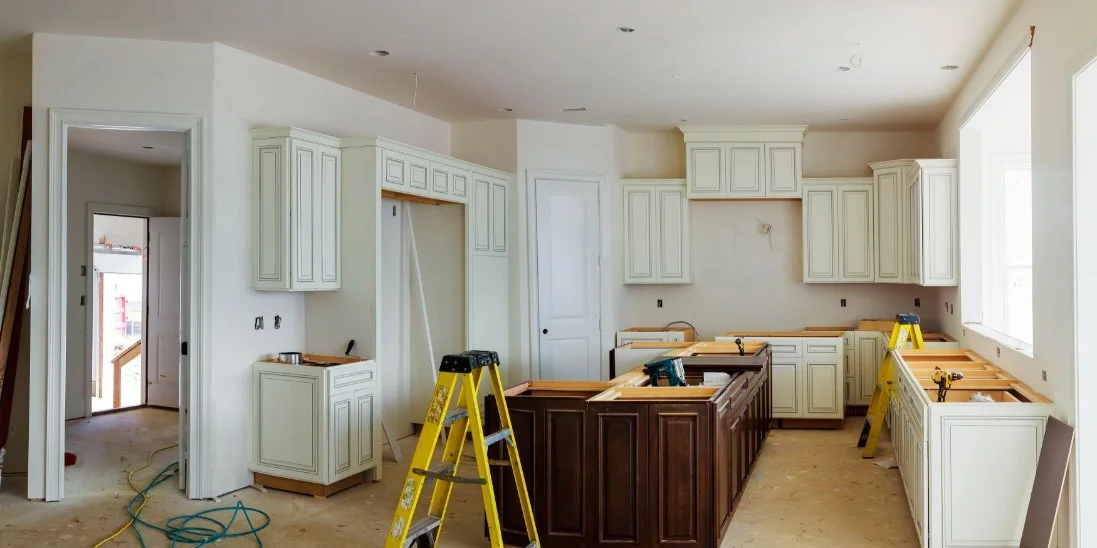
Remodeling can transform a dated or inefficient space into something that better fits the needs of the people using it. Whether the project involves updating a kitchen, renovating an entire home, or improving a commercial property, however, the finished result depends on much more than design choices. There are schedules to coordinate, materials to manage, contractors to communicate with, and unexpected problems to resolve along the way.
Without a clear organizational system, even a relatively straightforward renovation can become difficult to manage. Delayed deliveries, misplaced materials, accumulated debris, and scheduling conflicts can quickly affect both the timeline and budget. Keeping a remodeling project organized from start to finish helps reduce these disruptions while making it easier for everyone involved to understand what needs to happen next.
Establish the Scope Before Work Begins
Organization should begin well before demolition or construction starts. One of the first priorities is defining exactly what the remodel is intended to accomplish. A project without a clearly established scope can gradually expand as new ideas arise, creating additional expenses and complicating the original schedule.
Determine which areas will be renovated, which features will be replaced, and which elements will remain untouched. Decisions about finishes, fixtures, structural changes, and major appliances should also be made as early as practical. The more questions that can be answered before construction begins, the fewer decisions will need to be made under pressure later.
A defined scope also gives contractors a clearer understanding of the work involved. This can improve estimates, scheduling, material ordering, and coordination between different trades.
Build a Realistic Project Schedule
Remodeling work rarely consists of a single continuous task. Instead, projects typically move through several phases that depend on one another. Demolition may need to happen before electrical or plumbing work, for example, while drywall installation must be completed before certain finishing work can begin.
Creating a realistic schedule helps everyone understand these dependencies. Rather than simply establishing a desired completion date, break the project into phases and determine approximately when each one should occur.
Some flexibility should be built into the timeline. Hidden damage may be uncovered during demolition, materials may arrive later than expected, or a particular phase may require additional work. A schedule with no room for adjustments can become unrealistic as soon as the first unexpected issue appears.
Keep Project Information in One Place
A remodel can generate a surprising amount of information. Contracts, estimates, invoices, product specifications, measurements, warranties, permits, and design selections may all need to be referenced throughout the project.
Keeping these documents organized prevents time from being wasted searching for important details. Whether records are stored digitally, physically, or through a combination of both, everyone responsible for major decisions should know where essential information can be found.
It is also useful to keep records of significant changes made during construction. If a product is substituted, a design is modified, or additional work is approved, documenting the decision can prevent confusion later. This is particularly important when a change affects the project's cost or completion date.
Plan Material Deliveries Carefully
Ordering materials is only part of the challenge. Those materials also need to arrive at the appropriate time and have somewhere safe to go when they reach the property.
Deliveries that arrive too early can crowd the work area and increase the possibility of damage. Deliveries that arrive too late can leave contractors waiting and interrupt the construction sequence. Coordinating purchases with the project schedule can help maintain a steady workflow.
Consider storage requirements as well. Flooring, cabinetry, fixtures, lumber, tile, and other materials may need to remain on-site before installation. Designating storage areas protects these products while keeping walkways and active work zones clear.
Stay Ahead of Construction Debris
Demolition and construction produce waste quickly. Old cabinets, flooring, drywall, lumber, packaging, fixtures, and other discarded materials can consume valuable working space if they are not removed regularly.
A waste-management plan should therefore be established before demolition begins. Depending on the scale of the project, this may involve scheduled pickups or an on-site container. Working with a professional provider can simplify decisions surrounding container size, placement, pickup schedules, and disposal requirements. Understanding the advantages of professional dumpster rental services can be useful when determining how waste removal fits into the broader logistics of a remodeling project.
Keeping debris under control does more than improve appearances. Clear work areas make it easier for crews to move equipment and materials, locate what they need, and perform tasks without unnecessary obstructions.
Create Defined Work and Storage Zones
An active remodeling site can quickly become cluttered when tools, materials, debris, and personal belongings compete for the same space. Establishing specific zones can bring structure to an otherwise changing environment.
Materials awaiting installation can have a designated storage area, while tools can be returned to an established location when they are not being used. Items scheduled for removal should be separated from materials that need to remain on the property.
Defined pathways are equally important. Workers should be able to move between active areas without stepping over supplies or navigating unnecessary obstacles. This becomes especially valuable when multiple trades are working at the property simultaneously.
Maintain Consistent Communication
Good organization depends heavily on communication. Homeowners, property managers, contractors, subcontractors, designers, and suppliers may all be involved in different parts of the remodel. When information does not reach the appropriate people, minor misunderstandings can create substantial delays.
Establish how project updates will be communicated and who is responsible for making key decisions. Regular conversations about progress can identify concerns before they interfere with later phases of work.
Communication is particularly important when the original plan changes. If an unexpected plumbing issue affects cabinetry installation, for instance, the people responsible for both tasks need to understand the revised schedule. Keeping everyone informed reduces the likelihood that one adjustment will create problems elsewhere.
Finish With the Same Level of Organization
As construction nears completion, it can be tempting to treat the organizational work as finished. The final stage, however, often includes inspections, touch-ups, cleaning, documentation, warranty information, and final payments.
Walk through the remodeled area carefully and identify anything that still requires attention. Keep records related to installed products, contractor warranties, paint colors, flooring selections, and replacement components. These details may be valuable months or years after the project is complete.
Leftover materials should also be evaluated. Useful spare tile, flooring, paint, or hardware can be labeled and stored for future repairs, while unnecessary construction waste should be removed.
Ultimately, keeping a remodeling project organized from beginning through completion is about creating enough structure to manage a process that will inevitably involve moving parts. Clear plans, coordinated schedules, controlled work areas, consistent communication, and timely waste removal all contribute to smoother progress. When organization remains a priority throughout every phase, homeowners and contractors can spend less time untangling avoidable problems and more time moving the renovation toward completion.