

A resource for those seeking information on organizing and transforming spaces.
9 Benefits of Adding a Fence to Your Backyard
Learn how backyard fencing can improve privacy, define outdoor spaces, support pets, and enhance the appearance and function of your property.
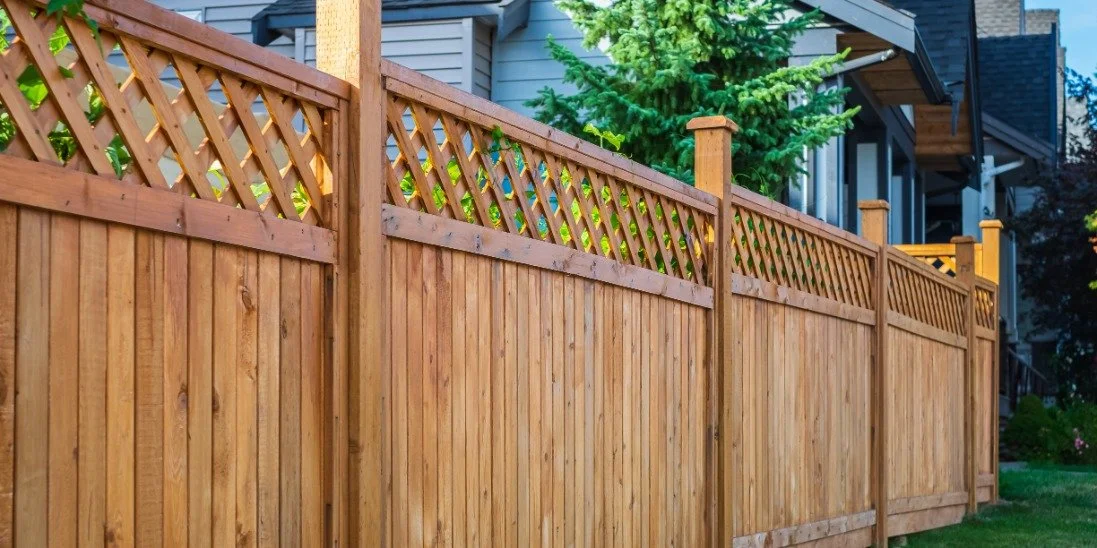
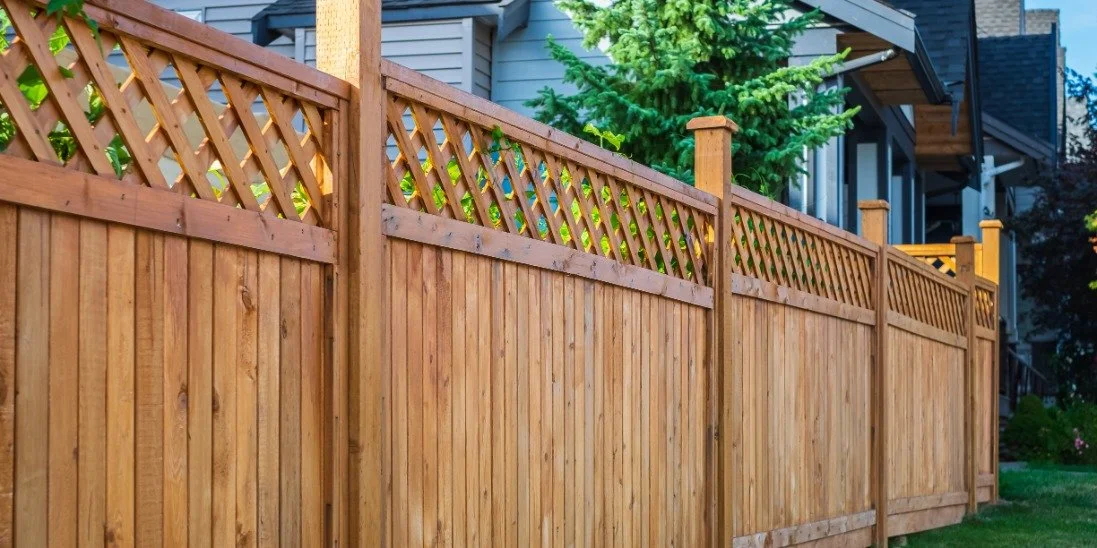
Adding a fence can transform how you use your outdoor space while giving your property a more finished appearance. A well-planned fence creates clear boundaries and can make an open yard feel more comfortable for everyday activities. Homeowners can select materials and designs that complement their houses while addressing practical needs. Understanding the benefits of adding a fence to your backyard can help you determine how this improvement could make your outdoor area more functional and enjoyable.
Create More Privacy at Home
Privacy remains one of the main reasons homeowners install backyard fences. An open yard can leave patios and gathering spaces visible to neighbors or people passing by. A solid or semi-private fence creates a visual barrier that makes these areas feel more secluded.
Greater privacy may encourage you to spend more time outside. You can relax on the patio or enjoy meals outdoors without feeling as exposed to surrounding properties. A fence establishes a personal area without requiring you to redesign the entire landscape.
Consider nearby sightlines when choosing the height and style of your fence. The right design can block unwanted views while maintaining the atmosphere you want throughout the backyard.
Give Children a Defined Place To Play
A fenced backyard creates a clear area where children can play. The physical boundary separates the yard from nearby streets and neighboring properties. Parents can also establish outdoor rules more easily when children can clearly see where their play area ends.
A fence does not replace adult supervision, but it can add separation between children and areas they should avoid. Gates with dependable latches help maintain that boundary as household members enter or leave.
Creating a defined play space can also help you organize outdoor equipment. You can arrange toys or play structures within the enclosure and dedicate other portions of the property to different purposes.
Make Outdoor Time Easier With Pets
Dogs can benefit from having an enclosed outdoor area where they can move without remaining on a leash. A suitable fence gives pets room to play while limiting their access to roads or neighboring yards. It may also prevent pets from approaching unfamiliar animals nearby.
Choose a fence based on your pet's behavior and physical abilities. Some dogs can jump over low barriers, while others may dig underneath them. Proper installation helps eliminate gaps that could provide escape routes.
Regular maintenance also keeps the enclosure dependable. During repairs, learning the differences between fence pliers and standard pliers can help you select a suitable tool when working with fence wire or related hardware.
Define Your Property Boundaries
A fence creates a visible division between your backyard and adjoining properties. Clear boundaries can prove especially useful when neighboring lawns blend together without obvious markers.
Confirm your legal property lines before starting construction rather than relying on existing landscaping. Local regulations may also affect fence placement or allowable height. Checking these requirements early can prevent complications during installation.
Once installed, the fence provides a clear perimeter for future landscaping. You can position garden beds or other outdoor features with greater confidence because you know exactly where your usable backyard space ends.
Improve Your Backyard's Appearance
The right fence can become an attractive architectural feature rather than simply serving as a boundary. Different materials offer distinct appearances, allowing homeowners to choose a design that complements their home's exterior.
Consider existing architectural details when selecting your fence. Coordinating the fence with your home's overall character helps the structure look intentional instead of appearing like an unrelated addition. Board spacing and decorative details can further influence its appearance.
Fencing can also create an appealing backdrop for landscaping. Plants may stand out more clearly against a defined perimeter, giving the backyard a polished look without requiring an extensive renovation.
Create Distinct Outdoor Areas
Many backyards serve several purposes. You might use one section for dining while dedicating another area to gardening. Strategic fencing can help separate these spaces when your property's layout needs more structure.
You do not need tall panels around every section. Short decorative fencing or carefully positioned panels can visually divide areas while preserving an open feeling.
These divisions can solve practical problems as well. You might use fencing to keep pets away from a vegetable garden or prevent children from entering certain areas. A thoughtful layout allows each part of the backyard to support a specific purpose.
Add a Greater Sense of Security
Fencing can give homeowners more control over access to their backyards. Rather than leaving the property approachable from several directions, a fence can guide visitors toward designated gates. This physical barrier may also discourage people from casually entering private outdoor areas.
Gate placement plays an important role in maintaining convenient access. Position entrances where household members can reach them easily without compromising the enclosure. Quality hardware also helps gates close securely after each use.
Consider visibility when selecting your fence design. Solid fencing offers greater privacy, while more open styles preserve views beyond the property. Your preferred level of visibility should reflect how you use the backyard.
Minimize Visual Distractions
Depending on its design, a fence can reduce visual distractions from surrounding properties. Solid panels may conceal neighboring equipment or other features that draw attention away from your own outdoor space.
Certain fence designs may also soften some outside noise, although homeowners should not expect fencing to eliminate sound completely. Combining a substantial fence with landscaping may make nearby activity feel less intrusive.
Reducing surrounding distractions can make your backyard feel more cohesive. A defined perimeter naturally directs attention toward your landscaping and outdoor living areas rather than nearby properties.
Support Future Outdoor Improvements
A fence can provide a framework for additional backyard projects. Once you establish a perimeter, you can plan patios or seating spaces around a clearly defined boundary. Knowing the available space can simplify decisions about future improvements.
Some fences can also support decorative additions such as climbing plants or outdoor lighting when their construction allows it. These features give you opportunities to personalize the backyard over time.
Think about future projects before installing your fence. Properly positioned gates can preserve access for landscaping equipment, while a thoughtful layout can accommodate changes you plan to make later.
Create a Backyard That Fits Your Needs
Every household uses its outdoor space differently, so your fence should reflect your priorities. Consider your daily activities before selecting the material, height, and location of the enclosure.
The benefits of adding a fence to your backyard go beyond establishing a property line. A thoughtfully designed fence can create privacy and improve how your outdoor space functions. With careful planning, your new fence can become an attractive part of the property that supports how your household enjoys the backyard for years to come.

The Most Common Types of Loans for Real Estate Investors
Individuals who own real estate have access to various types of financing that they can use for personal use or to make improvements to the property.
Real estate investing can build substantial wealth, but many investors need financing at some point. Unlike traditional homebuyers, real estate investors have access to specialized loan products designed for investment properties.
These are the most common types of loans for real estate investors, each offering excellent terms for property owners who need additional cash flow.
Conventional Investment Property Loans
Conventional loans from banks and credit unions are the most popular choice for real estate investors. These loans follow guidelines set by Fannie Mae and Freddie Mac, offering predictable terms and competitive rates for qualified borrowers.
Investment property conventional loans typically require 20–25% down payments, which are significantly higher than owner-occupied properties. These loans work best for investors with strong credit profiles who plan to hold properties long-term. The application process takes 30–45 days, making conventional loans less suitable for competitive markets where quick closings matter.
Hard Money Loans
Hard money loans provide fast financing secured by real estate value rather than borrower creditworthiness. Private lenders or investor groups fund these short-term loans, typically lasting 6–24 months.
Hard money lenders can approve and fund loans within days, making them ideal for auction purchases, fix-and-flip projects, or competitive bidding situations. Real estate investors commonly use hard money loans as bridge financing. They purchase and renovate properties with hard money, then refinance into conventional loans once improvements are complete.
Private Money Loans
Private lenders might include friends, family members, other real estate investors, or individuals seeking higher returns than traditional investments provide. These arrangements offer maximum flexibility in terms, structure, and approval criteria.
Terms are negotiated directly between parties, allowing for creative structures that benefit both the borrower and lender. Private money credit decisions vary based on the relationship, risk level, and local market conditions.
Portfolio Loans
Portfolio loans come from banks that keep mortgages on their books instead of selling them to government-sponsored enterprises. This approach allows banks to create their own underwriting guidelines, often resulting in more flexible terms for borrowers.
Local and regional banks frequently offer portfolio loans to build relationships with real estate investors in their market areas. They may accept lower credit scores, higher debt-to-income ratios, or unique property types that don’t meet conventional loan standards. These loans particularly benefit investors who own multiple properties.
Commercial Loans
Commercial loans finance larger investment properties or multiple properties bundled together. Commercial lenders evaluate both the borrower’s financial strength and the property’s income-generating potential.
Terms on commercial loans differ from residential financing. Loan periods often range from 5–20 years, with many featuring balloon payments requiring refinancing. Interest rates may be fixed or variable, depending on the loan structure. These loans suit investors with substantial portfolios or those purchasing larger properties.
The most common types of loans for real estate investors offer key benefits that are not available elsewhere. The best type depends on your investment strategy, financial situation, and the state of the property.

How To Make Your Backyard Feel Like a Private Oasis
Learn how to transform your backyard into a personal oasis with unique decor, greenery, and thoughtful touches that reflect your personality and bring peace.
Bringing a slice of paradise to your own backyard is more achievable than you might think. Whether you have a sprawling lawn or a small patio, the key lies in creating an environment that feels tranquil, personal, and inviting. Here’s how to make your backyard feel like a private oasis.
Add Lush Greenery
Start with lush greenery to create a serene and natural ambiance. Incorporating a mix of plants, trees, and shrubs adds beauty and increases privacy. Choose varieties that thrive in your climate and consider taller plants or flower-laden vines for added seclusion. By surrounding yourself with greenery, you’ll experience the calming effects of nature while enjoying a layer of privacy from prying eyes.
Install a Custom Pool
A custom pool instantly elevates the luxury factor of any backyard. Whether it’s a sleek infinity pool, a compact plunge pool, or a natural-looking swim pond, having a private spot to cool off is the epitome of relaxation. The advantages of having a custom-built pool include increased property value, a personalized design that suits your style, and the convenience of enjoying a resort-like experience at home. Pair it with a wooden deck or stone tiles for a polished look, and don’t forget to maintain it for a pristine appearance.
Create Cozy Seating
No oasis is complete without a cozy spot to unwind. Comfortable seating, whether in the form of lounge chairs, hammocks, or an outdoor sofa, creates the perfect place for reading, sipping on a drink, or simply daydreaming. Choose weather-resistant yet soft materials and arrange the seating in shaded or semi-shaded areas to maximize comfort.
Utilize Ambient Lighting
Soft and ambient lighting adds magic to your backyard, especially during evenings. You can drape string lights along fences, overhead structures, or even around trees to create a warm and inviting glow. Other options include solar-powered path lights or lanterns, ensuring that the space feels equally enchanting at night.
Build a Privacy Screen
To make your backyard feel private, consider adding a privacy screen. While wooden fences and stone walls are effective options, hedges or modern trellis panels with climbing plants can achieve the same result with added style. This feature allows you to enjoy your outdoor haven without interruptions.
Incorporate Outdoor Textiles
Adding textiles such as outdoor rugs, cushions, and throws can make an outdoor space feel just as cozy as an indoor one. Vibrant colors or patterns can bring character to the space, while soft textures boost comfort. Choose textiles that are weather-resistant and easy to maintain, so they stay beautiful year-round.
Include Personal Touches
Make the space uniquely yours by including personal touches. Think of decorative items like sculptures, potted plants you’ve grown yourself, or even family heirlooms repurposed as garden decor. Adding these details enhances the ambiance and ensures your backyard reflects your personality.
By weaving together these thoughtful elements, you can make your backyard feel like a private oasis. Begin crafting your dream retreat today and savor the peace and joy it brings.