

A resource for those seeking information on organizing and transforming spaces.

Before You Decorate: Essential Things to Consider When Moving into a New Home
Moving into a new home is exciting, but it can also be deceptively overwhelming. Between boxes, paperwork, and the urge to immediately start buying décor, it is easy to rush into decisions you will regret later. Before you hang artwork or order a sofa, take a breath and focus on a few smart steps that will make decorating easier, cheaper, and far more satisfying in the long run.
Moving into a new home is exciting, but it can also be deceptively overwhelming. Between boxes, paperwork, and the urge to immediately start buying décor, it is easy to rush into decisions you will regret later. Before you hang artwork or order a sofa, take a breath and focus on a few smart steps that will make decorating easier, cheaper, and far more satisfying in the long run.
Start With the Essentials First
Before you think about paint colors or statement lighting, make sure your home is functioning properly. This is the moment to check things like plumbing, electrical outlets, heating and cooling systems, smoke detectors, and any small repairs that could become bigger headaches later.
A good rule is to handle basic safety and maintenance before spending money on décor. It makes no sense to invest in a beautiful living room rug if you later discover a slow leak near the window that ruins it. Get the boring stuff done first so your decorating decisions are not interrupted by unexpected repairs.
Choose the Right Location (Because Décor Can’t Fix Everything)
Your home’s location impacts your daily life more than any furniture choice ever will. Consider commute times, public transport access, school districts, noise levels, and how the neighborhood feels at different times of day. A street that seems peaceful at noon may turn into a traffic nightmare during rush hour.
This is also why renters should think carefully before signing a lease. For instance, people searching for rentals in Applecross near Perth often choose the area because it offers a balance of riverfront scenery, walkable streets, and quick access to the city. These attributes make it a great example of how location can shape lifestyle. No amount of decorating can replace the convenience of living somewhere that genuinely works for your routine.
Unpack With Intention Instead of Chaos

Most people unpack in a panic, shoving items into random drawers to make the boxes disappear. But rushing the process can lead to cluttered spaces and permanent, messy storage. Instead, unpack room by room and set up the spaces you use daily first, such as the kitchen, bathroom, and bedroom.
Focus on functional organization before aesthetic choices. For example, decide where your everyday plates will go before buying decorative glassware, and set up a simple closet system before purchasing extra shelves. Once your essentials are logically placed, your home naturally starts feeling calmer and more livable.
Measure Everything (Yes, Even the Hallways)
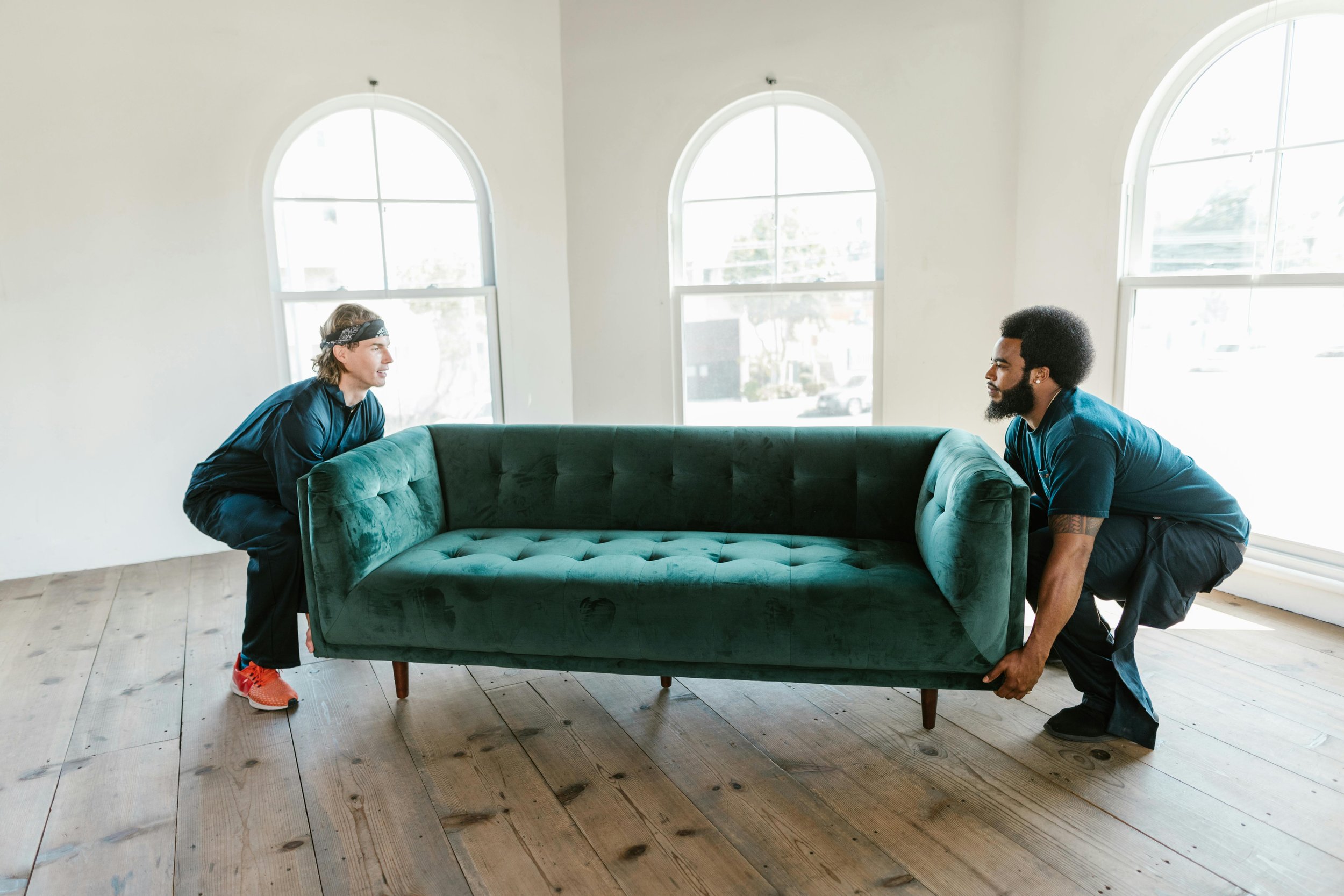
It is surprisingly common for people to fall in love with furniture online, only to realize it does not fit through the front door. Before you buy anything major, measure your rooms, doorways, staircases, and awkward corners. Take note of ceiling height as well, especially if you are considering tall shelving units or statement lighting.
The key is realistic space planning. Let’s say that an oversized sectional might look stunning in a showroom. But if it blocks your living room walkway or covers half your windows, it will feel cramped instead of cozy. Even smaller choices like side tables can make a room feel crowded if the proportions are wrong.
Get to Know the Light Before Picking Colors
Paint samples can look completely different depending on lighting, and this is one of the most common decorating mistakes new homeowners make. Natural light shifts throughout the day, and artificial light can change the tone of everything from wall paint to flooring. A warm beige might look creamy in the morning and dull or yellow at night.
This is why lighting affects every design decision. Try living in your home for at least a few days before choosing paint colors, curtains, or even rugs. If possible, test paint swatches directly on the wall and observe them at different times. A shade that feels perfect at 2 PM may feel completely wrong under evening lamps.
Make the Space Work Before You Make It Pretty
Decorating a new home is not just about making it look good, it is about making it feel right. When you take time to handle essentials, plan your layout, understand lighting, and set a realistic budget, you create a foundation for a home that truly supports your life. Once the practical steps are done, you can focus on style choices with confidence and build a space that feels comfortable, personal, and genuinely yours.

The Secrets to Long-Lasting Home Decor in Busy Spaces
Find out how working moms can create beautiful, durable spaces that handle real family life. Uncover smart decor tips for homes that look great and last!

Life gets messy, especially when you're juggling work, kids, and everything else on your endless to-do list. Between soccer cleats, tracking mud through the living room, and breakfast spills on the kitchen table, maintaining a beautiful home can feel impossible.
But you don't have to choose between having a stylish space and one that can handle real life. Understanding the secrets to long-lasting home decor in busy spaces means being able to create rooms that look gorgeous and stay that way, even in the midst of all the beautiful chaos of family life.
Choose Materials That Welcome Real Life
Your decor choices should reflect how you actually live, not how magazine spreads pretend people live. For example, leather sofas develop character over time rather than looking worn out. Performance fabrics designed for outdoor use work beautifully indoors and can handle spills without permanent damage. Lastly, natural stone countertops might show water spots, but engineered quartz looks pristine with minimal effort. These materials don't just survive busy households; they actually look better as they age with your family.
Design Flow That Moves With You
Traffic patterns matter more than you might think. When furniture blocks natural pathways, people create new ones by walking around or over things, leading to premature wear and constant rearranging. Position larger pieces like sofas and dining tables strategically to encourage smooth movement through rooms. Some tips for laying carpet in high-traffic areas include choosing dense, low-pile options with patterns that camouflage footprints and rotating area rugs periodically to prevent permanent wear paths.
Layer Protection Without Sacrificing Style
Smart families protect their investments without making their homes look like they're wrapped in plastic. Washable slipcovers can transform tired furniture while protecting what's underneath. Meanwhile, area rugs define spaces beautifully and shoulder the brunt of daily wear instead of causing damage to permanent flooring. Take it further by adding decorative trays to reduce those ring marks on coffee tables. These layers add visual interest while serving practical purposes, proving that function doesn't have to look ugly.
Maintain Beauty Through Simple Systems
The most gorgeous spaces stay that way because someone makes maintenance feel effortless rather than overwhelming. Weekly routines that take fifteen minutes prevent the need for weekend deep-cleaning marathons. Simple habits like wiping down surfaces after use and putting things back where they belong preserve your hard work.
Choose cleaning products that work well with your specific materials and keep them easily accessible. When the right tools are within reach, quick touch-ups become automatic rather than major productions.
Make It Last and Love It More
Creating a home that works for busy families means embracing the reality that life happens everywhere, not just in designated spaces. When your decor choices support rather than fight against your daily routines, your space becomes more beautiful over time instead of more worn down. Remember that the secrets to long-lasting home decor in busy spaces lie in understanding that durability and beauty aren't opposites – they're partners in creating spaces where your family can truly thrive together.

Simple Home Decorating Ideas That Create Warm and Inviting Living Spaces
Creating a warm and inviting home doesn't require expensive renovations or professional interior design services to achieve spaces that feel comfortable, welcoming, and reflective of your personal style.
Creating a warm and inviting home doesn't require expensive renovations or professional interior design services to achieve spaces that feel comfortable, welcoming, and reflective of your personal style.
Simple decorating changes can transform ordinary rooms into cozy retreats that invite relaxation while making guests feel immediately at ease. The key lies in focusing on elements that engage the senses and create emotional connections rather than simply following trends or purchasing expensive furniture pieces.
Understanding how small adjustments in lighting, textures, colors, and arrangement can dramatically impact the feeling of your living spaces helps create environments that truly feel like home. These accessible decorating approaches prove that meaningful transformation comes through thoughtful attention to details rather than major financial investments or complete room overhauls.
Adding Soft Textures
Adding soft textures throughout your living spaces creates immediate warmth and visual interest that invites touch while making rooms feel more comfortable and welcoming. Throw pillows, blankets, and area rugs introduce tactile elements that contrast beautifully with hard surfaces like wood floors and leather furniture.
Layering different textures creates depth and complexity that makes spaces feel more sophisticated and thoughtfully designed. Mixing materials like cotton, linen, and wool home decor elements adds richness while maintaining cohesive color schemes that tie rooms together harmoniously.
Seasonal texture changes through removable elements like pillow covers and lightweight throws enable easy updates that keep spaces feeling fresh throughout the year without requiring major purchases or permanent changes to existing furniture and room layouts.
Incorporating Warm Lighting
Incorporating warm lighting transforms harsh, institutional-feeling spaces into cozy environments that feel inviting during both day and evening hours. Table lamps, floor lamps, and string lights create ambient illumination that flatters both people and spaces while reducing reliance on overhead fixtures.
Candles provide instant warmth and romance while adding natural scents that enhance the sensory experience of being in your home. Strategic candle placement in groups of varying heights creates focal points while contributing to relaxed, comfortable atmospheres.
Dimmer switches on existing light fixtures enable easy adjustment of brightness levels throughout the day, allowing spaces to transition smoothly from energizing morning light to relaxing evening ambiance without requiring new electrical installations or expensive lighting upgrades.
Choosing Comforting Colors
Choosing comforting color palettes creates cohesive environments that feel peaceful and harmonious rather than chaotic or overwhelming. Warm neutrals like creams, soft grays, and gentle browns provide sophisticated backgrounds that showcase decorative elements without competing for attention.
Accent colors in warm tones like deep blues, forest greens, or rich burgundies add personality while maintaining the cozy feeling that makes homes feel welcoming. These deeper shades work beautifully in small doses through accessories and artwork.
Natural color variations found in wood tones, stone elements, and plant materials create organic warmth that connects indoor spaces to the natural world, making rooms feel grounded and comfortable rather than sterile or artificial.
Displaying Personal Collections
Displaying personal collections and meaningful objects creates conversation starters while making spaces feel lived-in and authentic rather than showroom perfect. Family photos, travel souvenirs, and hobby-related items tell your story while adding character to rooms.
Grouped displays of similar items create visual impact while avoiding cluttered appearances that can make spaces feel chaotic. Books, pottery, or vintage finds arranged thoughtfully become decorative elements that reflect personal interests and experiences.
Rotating seasonal displays keeps rooms feeling fresh while showcasing different aspects of your personality throughout the year. This approach enables enjoyment of larger collections without overwhelming spaces with too many items displayed simultaneously.
Creating Gathering Spaces
Creating inviting gathering spaces encourages conversation and connection by arranging furniture to facilitate interaction rather than simply facing entertainment centers or windows. Comfortable seating arrangements that enable eye contact make rooms feel more social and welcoming.
Coffee tables, side tables, and ottomans positioned within easy reach provide convenient surfaces for beverages, books, and games while encouraging people to settle in and stay comfortable during visits and family time.
Dedicated spaces for activities like reading, crafting, or music practice create purposeful areas that invite regular use while making homes feel designed for living rather than just looking attractive to visitors or potential buyers.
Final Thoughts
Simple home decorating ideas create warm and inviting living spaces through soft textures, warm lighting, comforting colors, personal displays, and thoughtful gathering areas that collectively transform houses into homes that welcome both residents and guests with genuine comfort and authentic charm.

Brushstrokes & Beyond: The Impact of Wall Art and Decor
We partnered with a home design company for this post. The opinions in the post are honest. All reviews and opinions expressed in this post are based on our personal views. We are excited because we know you will love it.
Wall artworks are very crucial to highlight the subtle elegance of our home. Every room has its role and importance. Depending on it, choosing wall art decor items is important. Wall arts not only serve the purpose of decorating your room but it can also influence your mood and feelings. Therefore, randomly picking up any form of wall art is not a good idea. The right wall artworks have the potential to convert your dull space into a lavishing and fancy room. It highly emphasizes the visual appeal of a room and reflects the interests and personality you hold as an individual. In this article, we are going to delve deep into the significant impact wall art and decor impose on our living arenas and our lives!
The Psychological Impact of Wall Art & Decor

Wall art is much more vivid than providing us with a visual treat. With the textures, colors, and subject of the art, it can influence our emotions, and mood, making it a potential psychological stimulant. Depending on the kind of art you put up, shape up your room’s aura accordingly. For example, a dynamic painting can enliven a room with its vibrant energy. On the contrary, if you put up a serene framed landscape wall art, it will instill your room with a sense of calm. Despite being a still object, art has the spirit to evoke quality memories, provoke thoughts, and inspire ideas. Artworks are a silent yet potent way to uplift your mood.
1. Cultural Expression and Identity
Art has a nature of reflection. It reflects the core culture and identity. Depending on our array of artwork selections, we choose to convey our heritage, ethics, and beliefs. Each wall art and decor has its own story of journey and messages it wishes to communicate through its set of content. Therefore, while you are selecting any artwork pieces to decorate your home, you must hold a strong sense of imagination. It is very important to choose artworks that complement the room for which you are selecting. Our wall decor boldly highlights our personal journey and choice quality.
2. Memories and Emotions
Nothing can kindle memories and emotions better than artwork. It is fascinating how wall arts, despite being silent, have the power to churn our emotions and bring back memories through it. As delightful as it may sound, be very careful about the artwork you are ought to choose as it can give you flashbacks of both good and bad memories. Focus on choosing art pieces that remind you of good old memories that can lighten up your mood.
3. The Medium of Motivation
Every artwork apart from decorating your space, has something to give you individually. An excellent artwork can be a portal of endless motivation and inspiration. Wall art based on inspirational quotes or abstract paintings can establish a strong sense of positivism and motivation. However, if you are a fan of collecting vintage artworks like posters, they can stir up nostalgia, creating a sense of reassurance and comfort.
4. Colors and Mood
Color psychology is real. If you don’t have a good understanding of it, and choose random wall art, it can hurt your mood. Therefore, you should always be on guard about the color factor. The best color artwork that you can choose for yourself is green and blue. These colors are famously known for radiating a sense of calmness. On the contrary, if you want your space to fill your mood with excitement and positive energy, hand-pick some of the best yellow and red artworks. Hence, while you are picking up wall art and decor, do think about the impact it can have on your mood.
5. Social Dimension
Wall art and decor not only light up your space with positivity but also play a significant role in social dynamics. A meaningful or out-of-the-ordinary artwork can act as a great conversation starter. Additionally, it can also be an amazing focal point around which a discussion can take place amongst your guests. Depending on where you put up the type of art can establish a tone for the environment and influence your guests’ perspective and thought.
6. Environmental Impact
As the world ages, it progresses more towards being an eco-conscious world. Your selection of wall art and decor pieces can highlight your environmental stance. For example, putting up artworks that reflect environmental themes can express a strong sense of commitment you hold towards the planet.
End Note
Wall artwork and decor are a very crucial aspect of our space. It impacts our psyche, facilitates social engagement, boosts our aesthetics, and also helps express our cultural identity. Beyond every brushstrokes, color, and pattern an art holds, is a mirror that reflects your inner world. So select wall art items that guide your aspirations and creativity.