

A resource for those seeking information on organizing and transforming spaces.
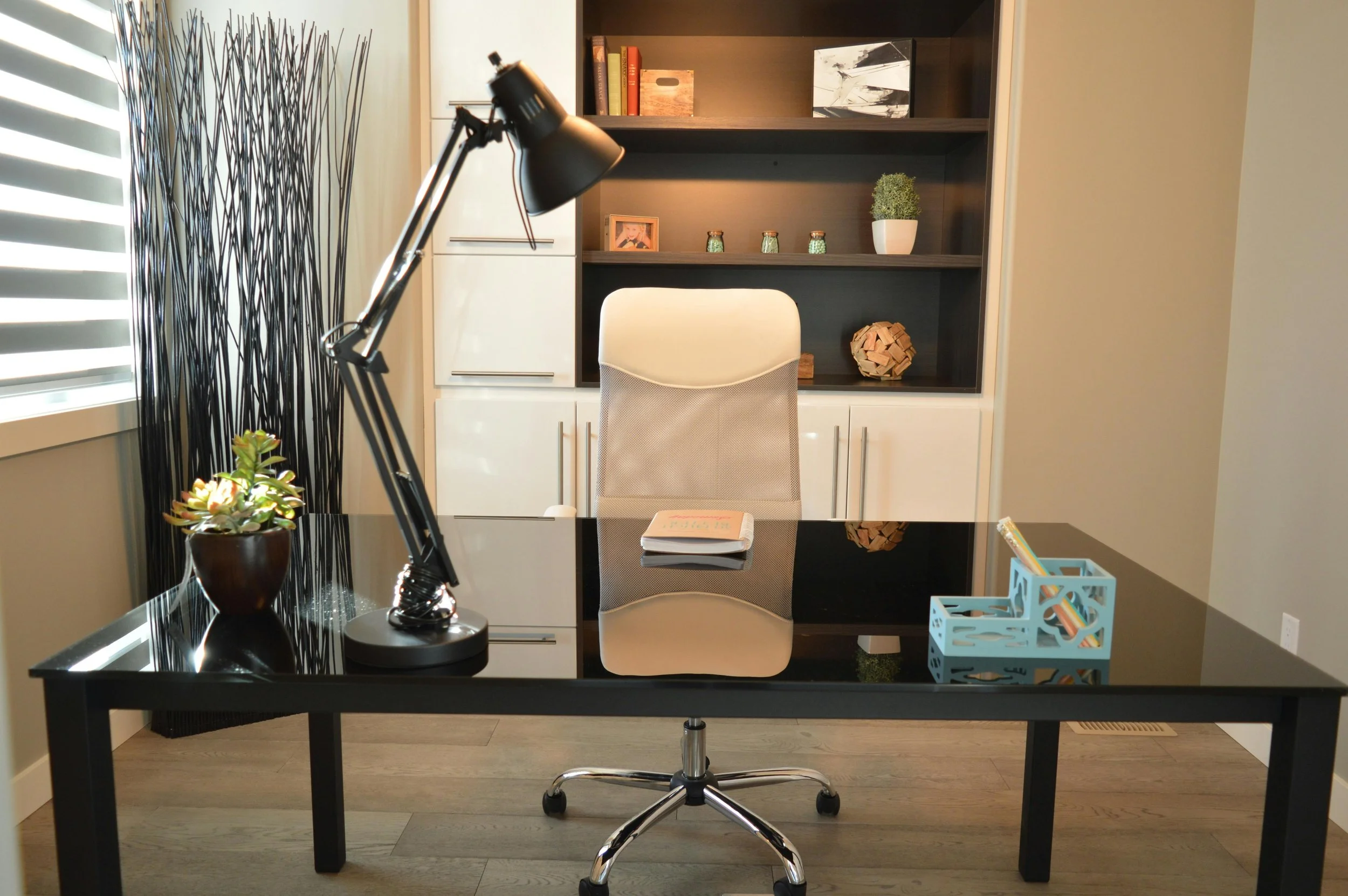
Organizing Your Home Office for Maximum Focus (No Cable Chaos!)
A cluttered home office does more than look messy. It quietly chips away at your focus, productivity, and even your mood. Whether you are working remotely full-time or managing side projects, the way your workspace is organized can make or break your efficiency. This guide will show you how to eliminate cable chaos, streamline your setup, and design a workspace that keeps your mind sharp and your workflow uninterrupted.
A cluttered home office does more than look messy. It quietly chips away at your focus, productivity, and even your mood. Whether you are working remotely full-time or managing side projects, the way your workspace is organized can make or break your efficiency. This guide will show you how to eliminate cable chaos, streamline your setup, and design a workspace that keeps your mind sharp and your workflow uninterrupted.
Start with a Clear Vision
What kind of space lets your mind settle best. Picture it without moving a single thing yet. Is quiet essential, or just fewer things on display. Maybe everything within reach matters most. Knowing that shapes how you arrange the room. Jumping into changes too soon often leads to clutter dressed up as order. Let purpose guide each decision instead.
A workspace works best when seen as a network of tools, each with its own role. When something lacks a clear job, it earns no spot on the desk. Belonging somewhere means serving a function every day. Without usefulness, removal makes space for what matters.
Declutter Ruthlessly
Stuff piled up kills focus fast. Pull every item off your work surface, then split them - things you need nearby go here, extras move to storage, the rest leave for good.
Truth comes first. Clutter like outdated notes, forgotten electronics, leftover pens - they clutter sightlines. This principle applies even if you are staging your home for productivity or lifestyle appeal, much like preparing properties such as houses for sale St Georges Basin, where clean and minimal spaces attract attention and create a sense of calm.
Master Cable Management
Cable chaos is one of the most common issues in home offices. Tangled wires not only look messy but also make cleaning and adjustments frustrating.
Here are practical solutions:
Use cable clips to secure wires along the edges of your desk
Label cords so you can identify them easily
Invest in a cable management box to hide power strips
Route cables under the desk using adhesive hooks or trays
Wireless devices can also reduce clutter significantly. Switching to a wireless keyboard, mouse, or printer helps minimize the number of visible cables.
Optimize Your Desk Layout
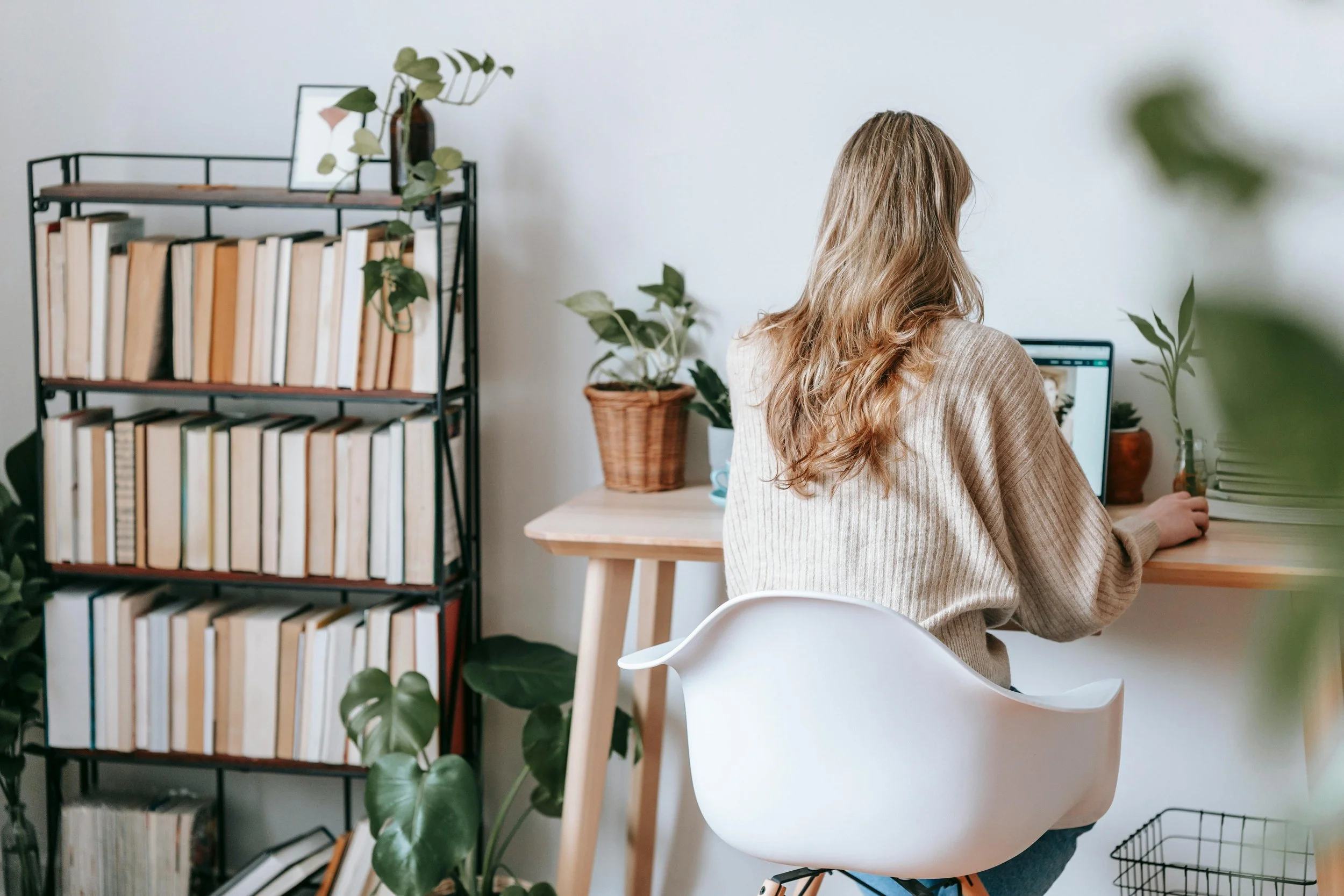
An efficient layout reduces unnecessary movement and keeps everything within reach. Position your monitor at eye level to prevent neck strain, and keep frequently used items within arm’s reach.
Follow the “zone method”:
Primary zone: Keyboard, mouse, and monitor
Secondary zone: Notebooks, phone, and daily tools
Tertiary zone: Storage items and less-used accessories
This structure keeps your workflow smooth and prevents constant repositioning.
Invest in Smart Storage Solutions
Storage is not just about hiding clutter. It is about accessibility and efficiency.
Consider these options:
Drawer organizers for small items
Vertical shelves to save desk space
Filing systems for documents
Storage bins for cables and tech accessories
Using vertical space is especially effective in smaller rooms. Wall-mounted shelves or pegboards can hold supplies without crowding your desk.
Control Visual Distractions
Your environment should support focus, not compete for attention. Avoid overly bright colors, excessive decorations, or busy patterns.
Instead:
Use neutral tones for a calming effect
Add one or two personal items that inspire you
Keep surfaces as clear as possible
A clean visual field helps your brain stay engaged with your work rather than wandering.
Lighting Matters More Than You Think
Poor lighting leads to eye strain and fatigue. Natural light is ideal, so position your desk near a window if possible.
If natural light is limited:
Use a desk lamp with adjustable brightness
Choose warm white light for comfort
Avoid harsh overhead lighting that creates glare
Proper lighting not only improves focus but also enhances your overall work experience.
Create a Daily Reset Routine
Even the most organized office can become messy without maintenance. Spend five minutes at the end of each day resetting your workspace.
This includes:
Returning items to their designated places
Clearing your desk surface
Organizing cables if needed
A daily reset ensures you start each morning with a clean and focused environment.
Final Thoughts
A workspace does not need to look flawless. What matters is how well it helps you think clearly, stay on track. Tangled wires disappear when cords get tucked away neatly. Less mess means fewer distractions pulling attention elsewhere. Pick just one corner first - habits grow stronger that way. Small steps lead to steady improvements over time. A clutter-free workspace does more than look neat. When things have their place, your mind stays sharp, tasks move faster, one step leads to the next without delay.
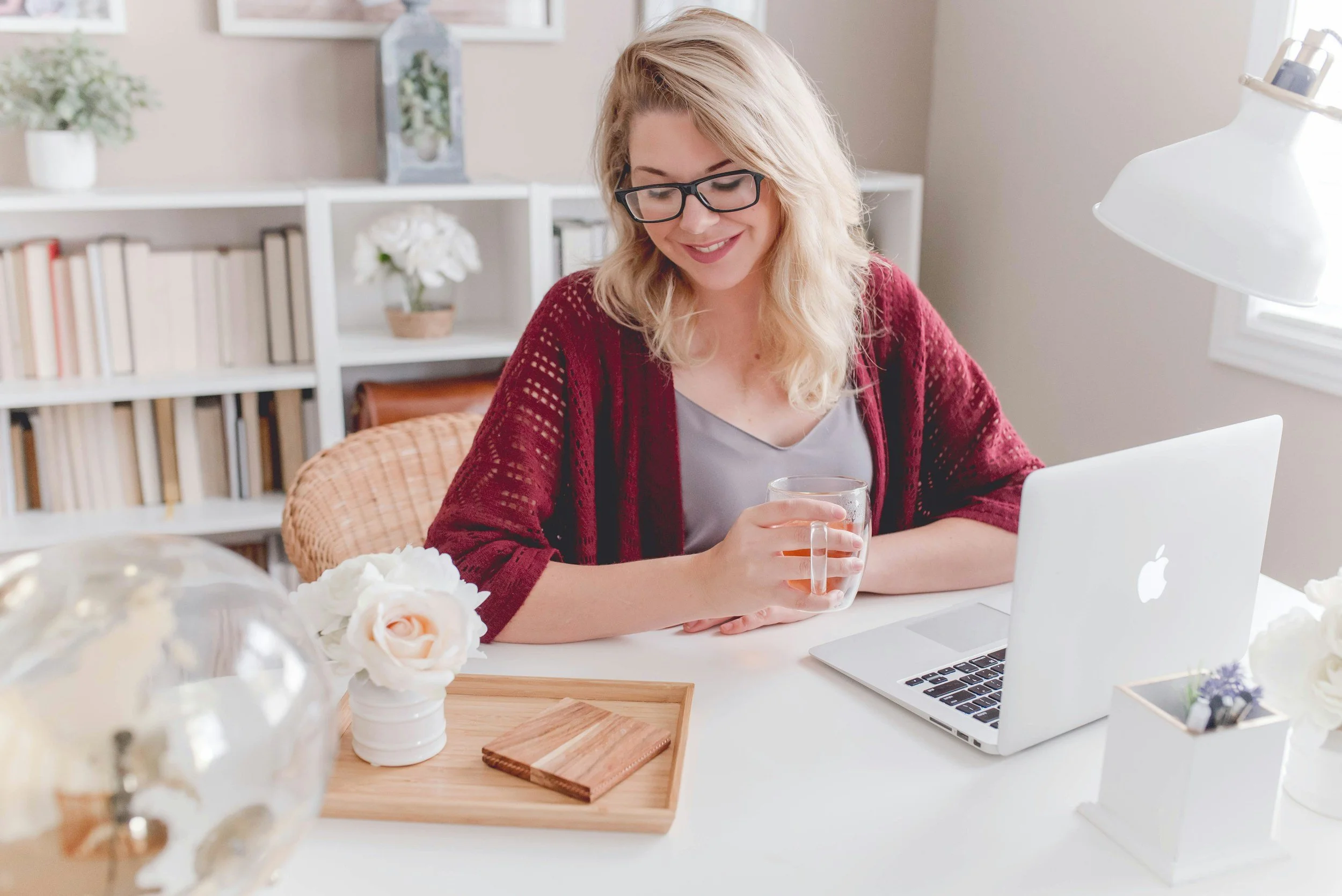
Working from Home? Focus-Boost Your Office Space Ready For 2026
As the evenings draw in and our pre-christmas to-do lists grow longer, many of us are spending more time inside - working, studying, unwinding - and trying to keep our heads above the end-of-year rush. In terms of handling both the positive and negative mental gymnastics that come with the “hibernation” period of the winter months, the “vibes” of the spaces we live in become increasingly more responsible for shaping how we feel.
We partnered with a home improvement company for this post. The opinions in the post are honest. All reviews and opinions expressed in this post are based on our personal views. We are excited because we know you will love it.

As the evenings draw in and our pre-christmas to-do lists grow longer, many of us are spending more time inside - working, studying, unwinding - and trying to keep our heads above the end-of-year rush. In terms of handling both the positive and negative mental gymnastics that come with the “hibernation” period of the winter months, the “vibes” of the spaces we live in become increasingly more responsible for shaping how we feel.
There’s growing evidence that aside from looking good, natural materials around the home can help us feel calmer, more grounded, and more focused. The connection between nature and wellbeing isn’t going anywhere, and features like wall panelling, stone surfaces and an array of luscious house plants may well be set to define how we shape our interiors in 2026.
Your Mood and Focus Start at Home
The purpose of our home has changed in recent years. Once a place of rest and relaxation, an escape from the outside world, it’s now become our daily office environment and, for those with children, potentially even a classroom. When the lines blur, so too does our ability to focus and rest properly. With this in mind, it’s no wonder designers and psychologists alike are turning their attention to biophilic design - the idea that we feel and function better when our spaces echo the natural world.
Studies have shown that rooms with natural textures and daylight exposure can lower stress, stabilise heart rates, and even improve cognitive performance. It’s the same principle that explains why you feel instantly more relaxed in a café filled with wood and plants than in a bright white office. With the darker, busier months of winter now upon us, this kind of “restorative design” becomes a vital aspect of our home lives.
The Science Bit (Made Simple)
You don’t need to dive into neuroscience to know that we’re wired to respond to nature. Even so, a 2025 study found that interiors with higher amounts of exposed wood had a measurable effect on stress recovery and humidity stability - both factors in maintaining comfort and focus. Yet another showed that adding a few plants to a classroom or home office improved perceived concentration and mood.
In other words, when nature is part of our environment, our bodies and minds fall into rhythm with it. Nature doesn’t just make a space look calm, but also helps your body feel calm.
WFH Without The FML Moments
Whether we like it or not, most of us have some version of a home workspace - from a corner of the kitchen to a fully fledged office. Whichever you have, staying focused in the same space where you rest, eat, and scroll is a key consideration of interior design. How can you optimise your workspace without sacrificing the comfort of your home?
A good place to start is with your senses.
Move your desk closer to natural light if you can, and bring in something tactile, like a wooden desktop, a cork noticeboard or a linen lampshade - anything that feels more “alive” than plastic. Even adding a single living element, like a small plant, can soften the feel of a space.
As much as these are aesthetic tweaks, they’re also small psychological nudges that tell your brain that “this is a space where you can think clearly”. Looking forward, interior trends are going to be leaning further and further into finding this balance, and creating spaces designed to flex between productivity and peace.
Mindfulness In The Home
Mindfulness is often packaged as meditation apps and deep breathing exercises, but it’s also about your physical surroundings. The things we see and touch every day are constant reminders to stay present in the moment.
It stands to reason, then that 2026 will be the year sensory design really takes off. Expect interiors to be shaped around not just how they look, but how they feel, sound, and even smell. Next year will be about grounding, warmth, and authenticity. Gone are the sterile greys of early minimalism, and in their place will come organic textures, earthy tones, and natural finishes that feel personal and long-lasting.
Of course, it’s not just about looks. The rise of hybrid working and the ongoing focus on mental health mean people want homes that help them function and recover from function. Sustainability is part of it too, and we’re choosing materials that last, age well, and come with a story.
Let Nature Tackle The Winter Blues
This time of year can be a perfect storm of stress: darker mornings, busier diaries, and that creeping end-of-year fatigue. Thankfully, your space can help more than you think.
There’s not a lot of daylight at this time of year, so it’s important to let in as much as possible while it is around. In the evenings, switch to softer lighting and surround yourself with warm textures to signal it’s time to unwind.
A splash of green goes a long way, and it’s these small sensory anchors that help you stay grounded through the chaos.
Design That Does More Than Look Good
So much of what we call “good design” is visual, but 2026 will remind us that beauty and wellbeing aren’t separate ideas, but are intertwined.
Natural materials make us feel something. They reconnect us with the world beyond our screens and deadlines, and as we spend another winter largely indoors, that connection becomes more important than ever. Small details that can change the emotional temperature of a room will help to future-proof your design choices for calmer, more focused living

Perfect Home Office: Real Estate Advice for Remote Workers
The global shift toward remote work has fundamentally altered how we view and use our homes. For many, the home is no longer just a place to unwind; it has also become a center of productivity. This change has led to an increased demand for home offices that balance comfort with functionality. Real estate trends reflect this evolution, with more buyers prioritizing properties that offer dedicated office spaces. Whether it’s a small nook in an urban apartment or a fully furnished office in a suburban home, remote workers are reshaping the housing market.
We partnered with a real estate company for this post. The opinions in the post are honest. All reviews and opinions expressed in this post are based on our personal views. We are excited because we know you will love it.
The global shift toward remote work has fundamentally altered how we view and use our homes. For many, the home is no longer just a place to unwind; it has also become a center of productivity. This change has led to an increased demand for home offices that balance comfort with functionality. Real estate trends reflect this evolution, with more buyers prioritizing properties that offer dedicated office spaces. Whether it’s a small nook in an urban apartment or a fully furnished office in a suburban home, remote workers are reshaping the housing market.
Real estate professionals recognize that the modern buyer’s checklist often includes features tailored to work-from-home lifestyles. Natural light, soundproofing, and high-speed internet connectivity are some of the key requirements that remote workers consider when selecting a home. For sellers, showcasing a versatile and well-designed home office can be a significant selling point. By staging spaces to highlight their work-from-home potential, sellers can tap into a growing demographic of remote professionals who value convenience and efficiency.
Designing Your Ideal Home Office
Creating a home office that supports productivity doesn’t require a massive budget or excessive square footage. Instead, it’s about thoughtful design that maximizes functionality while reflecting your personal style. The first step is choosing the right location. Ideally, the space should be away from high-traffic areas to minimize distractions. Even if you lack an extra room, a well-curated corner or a converted closet can serve as an effective workspace.
When designing your home office, invest in ergonomic furniture to ensure comfort during long work hours. A sturdy desk and an adjustable chair with proper lumbar support are non-negotiable. Lighting also plays a crucial role; natural light boosts mood and productivity, while task lighting ensures that your eyes don’t strain as you work. Add a touch of greenery with indoor plants to improve air quality and create a calming atmosphere. Storage solutions, like shelves or drawers, help maintain an organized environment, which is key for staying focused.
Personalization is another vital aspect of home office design. Incorporate elements that inspire you, such as artwork, motivational quotes, or photos. By blending utility with aesthetics, you can create a space that’s both functional and inviting a combination that enhances overall work satisfaction.
Homes with Built-In Office Spaces
In today’s competitive housing market, homes with dedicated office spaces often command higher prices and attract greater interest. Remote workers seek properties that already include functional workspaces, saving them the effort of making major modifications post-purchase. For sellers, this presents an opportunity to emphasize the home office as a valuable feature.
Real estate agents and homeowners can stage rooms to highlight their versatility as home offices. Consider adding a desk, office chair, and bookshelves to an unused bedroom or den to demonstrate its potential. Virtual tours can further emphasize the appeal of such spaces, especially for buyers unable to visit in person.
If selling your home feels overwhelming, there’s a solution to simplify the process. Reach out to Dynamic Home Buyers for a seamless home-selling experience. With their professional expertise, you can tackle the challenges of the real estate market and make your property shine for potential buyers. Emphasizing standout features, such as a dedicated home office, can give your home a competitive edge, especially in areas where remote work is thriving.
Challenges and Solutions for Home Office Spaces
While the idea of a home office is appealing, implementing it can come with challenges. Limited space is a common issue, particularly for those living in apartments or smaller homes. However, creative solutions like foldable desks, wall-mounted shelves, or multi-functional furniture can maximize even the tiniest spaces. Dividers or screens can help carve out a sense of privacy in open-plan layouts, ensuring a more focused work environment.
Another challenge is maintaining work-life balance. When your workspace is just a few steps away from your living area, the boundaries between professional and personal time can blur. To address this, establish clear routines and designate specific hours for work. Creating a physical separation even if it’s just closing the door to your office can help reinforce these boundaries. Technology can also assist; apps that block distractions or remind you to take breaks can enhance productivity while promoting well-being.
Soundproofing is another consideration, particularly for those who share their home with family members or roommates. Simple solutions, such as noise-canceling headphones or thick rugs, can minimize disruptions. For more significant noise issues, consider installing acoustic panels or heavy curtains to reduce sound transmission. By addressing these common challenges, you can transform any space into a productive and enjoyable home office.
Future Trends in Home Offices and Real Estate
The demand for home offices is likely to remain strong, even as hybrid work models gain popularity. This trend will continue to influence real estate design and construction. Developers are already incorporating home office spaces into their floor plans, recognizing that buyers value properties equipped for remote work. Features like built-in desks, extra outlets, and soundproofing are becoming standard in new builds.
For existing homeowners, retrofitting spaces to accommodate home offices can be a worthwhile investment. Not only does it enhance your day-to-day living experience, but it also adds resale value to your property. With remote work here to stay, home offices have shifted from a luxury to a necessity, reshaping how we perceive and utilize residential spaces.
Real estate agents and investors should stay ahead of this trend by understanding the preferences of remote workers. Whether it’s ensuring strong internet connectivity or showcasing energy-efficient lighting, small details can make a big difference in attracting buyers. By keeping an eye on evolving needs, the real estate industry can continue to adapt to the changing dynamics of the modern workforce.
A Space for Success
The perfect home office is more than just a room it’s a space that fosters creativity, focus, and productivity. As remote work continues to shape how we live and work, home offices have become an essential part of real estate considerations. Whether you’re a buyer looking for a property that supports your work-from-home lifestyle or a seller aiming to attract remote professionals, the importance of a well-designed home office cannot be overstated.
By investing in thoughtful design and addressing common challenges, homeowners can create functional and inviting spaces that enhance both work performance and overall quality of life. For sellers, highlighting these features can give your property a competitive edge in today’s market. And for buyers, recognizing the value of a dedicated home office ensures that your new home aligns with your professional needs. Ultimately, the perfect home office is not just about working from home it’s about thriving in a space that supports your goals and aspirations.
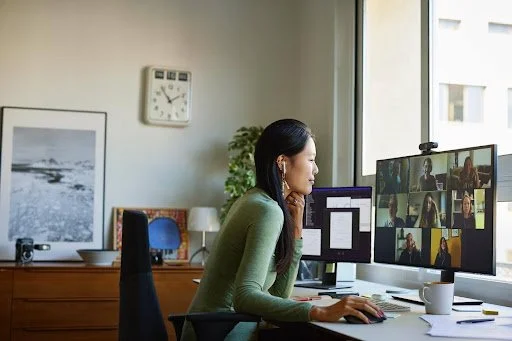
Designing A Home Office That Improves Work-Life Balance
Creating a dedicated home office is one of the best ways to enhance productivity while maintaining a healthy work-life balance. With remote work becoming more common, having a functional and inviting workspace helps separate professional responsibilities from personal life, boosting efficiency and reducing stress. Designing a home office that supports your well-being and productivity doesn’t require a complete renovation, but thoughtful planning can make a significant difference.
Creating a dedicated home office is one of the best ways to enhance productivity while maintaining a healthy work-life balance. With remote work becoming more common, having a functional and inviting workspace helps separate professional responsibilities from personal life, boosting efficiency and reducing stress. Designing a home office that supports your well-being and productivity doesn’t require a complete renovation, but thoughtful planning can make a significant difference.
Choose the Right Location
The first step to establishing an effective home office is selecting the right location. Ideally, the space should be quiet and away from high-traffic areas in the house. If a spare room isn’t available, consider house additions like converting an unused corner, basement, or attic into a functional workspace. Natural light can enhance mood and focus, so positioning the desk near a window can be beneficial.
Invest in Comfortable and Practical Furniture
Ergonomics play a critical role in creating a home office that promotes long-term comfort. Choose a chair with proper lumbar support and a desk that accommodates your height, reducing strain on your neck and back. Adjustable desks are excellent for alternating between sitting and standing throughout the day. Adding shelves or filing cabinets helps keep the area organized, preventing clutter that can negatively affect productivity.
Separate Work from Personal Life
Maintaining boundaries between work and personal time is essential for work-life balance. Use design elements to clearly define the office space, even if it’s within a shared room. Rugs, dividers, or bookshelves can create a visual distinction between the workspace and the rest of the home. At the end of the day, physically stepping away from the office area signals the transition from work to relaxation.
Personalize the Space
A home office should be both functional and inviting. Personal touches, such as artwork, plants, and decorative elements, can make the space feel welcoming while fostering creativity. Keeping the environment clean and organized enhances focus, helping you stay on track during work hours.
Creating a home office that supports work-life balance is about more than aesthetics—it’s about crafting a space that helps you thrive professionally and personally. With the right setup, your home can accommodate productivity while ensuring there’s room for relaxation and family time. Learn more from the infographic below.
