

A resource for those seeking information on organizing and transforming spaces.
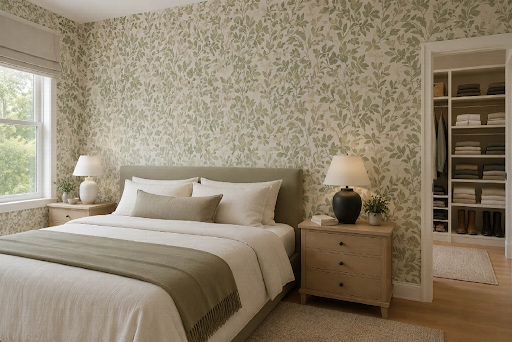
Decluttering Your Home? It Might Be the Perfect Time to Refresh Your Walls
When you finally tackle that overflowing closet, organize the garage, or clear out years of accumulated clutter, something unexpected usually happens—you begin noticing everything else in the room.
We partnered with a home design company for this post. The opinions in the post are honest. All reviews and opinions expressed in this post are based on our personal views. We are excited because we know you will love it.
When you finally tackle that overflowing closet, organize the garage, or clear out years of accumulated clutter, something unexpected usually happens—you begin noticing everything else in the room.
Freshly organized shelves suddenly make worn paint stand out. Empty corners reveal walls that feel flat or unfinished. A cleaner, more functional room often highlights design elements that no longer match the space you've worked so hard to improve.
For many homeowners, that's the moment when wall finishes become part of the conversation.
Why Walls Matter More Than You Think
Decluttering isn't just about getting rid of unnecessary things. It's about creating a home that feels calmer, lighter, and easier to enjoy.
But even the most organized room can still feel incomplete if the walls don't contribute to that atmosphere.
Modern wallpaper has evolved far beyond the patterns many people still associate with it. Today's collections include natural grasscloth textures, linen-inspired finishes, subtle botanicals, contemporary murals, and refined geometric designs that introduce warmth and visual depth without making a room feel busy.
Instead of adding more visual noise, thoughtfully selected wallpaper creates a quieter, more intentional backdrop that complements a clean, organized interior.
A Smart Time to Update Your Walls
Decluttering naturally creates the ideal opportunity for other home improvements.
Furniture has already been moved. Shelves have been cleared. Rooms are easier to access. If you've been considering wallpaper or another decorative wall finish, this is often the most practical time to complete the project before everything goes back into place.
Rather than limiting yourself to whatever happens to be available locally, it's worth exploringdesigner wallpaper collections that offer a much broader selection of textures, colors, and patterns. Premium wallpaper brands make it easier to match your walls to the atmosphere you're creating—whether that's a peaceful primary bedroom, a welcoming entryway, or a focused home office.
Where Wallpaper Makes the Biggest Difference
Some rooms naturally benefit more than others after a major decluttering project.
Home offices — Once paperwork, cables, and unnecessary furniture are gone, a textured or patterned accent wall helps transform the room into a workspace that feels intentional instead of temporary.
Entryways — Often one of the first areas people organize, entryways are also perfect candidates for wallpaper because even a single feature wall can dramatically improve the first impression of the home.
Primary bedrooms — After simplifying furniture and decor, a calming wallpaper behind the bed adds warmth and depth without overwhelming the room.
If you're looking for a statement wall rather than wallpapering an entire space, premium brands such asMilton & King offer bold botanical, artistic, and large-scale designs that create visual impact while still allowing the room to feel clean, balanced, and uncluttered.
Organization Meets Design
Decluttering improves how a home functions. Updating the walls is often what makes it feel complete.
Once the unnecessary items are gone, every remaining design element becomes more noticeable—including the walls that frame the entire room. Refreshing them with thoughtfully selected wallpaper can introduce texture, warmth, and personality without sacrificing the calm feeling you've worked so hard to create.
Sometimes the biggest transformation isn't buying new furniture or adding more décor—it's simply giving your newly organized space a backdrop that finally feels as intentional as everything else.
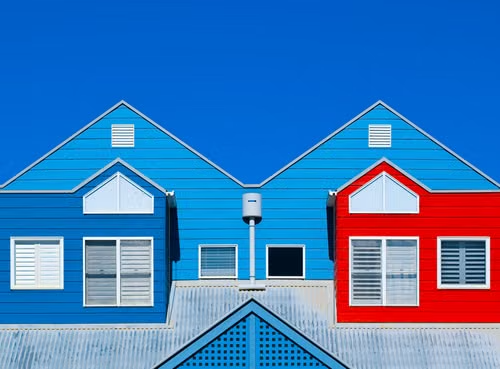
What a Home's Exterior Paint Color Does to First Impressions in Sacramento
When buyers arrive at a home, they begin forming opinions before stepping through the front door. One of the first features they notice is the exterior paint colour. A fresh, attractive colour can make a property look well cared for, while faded or outdated paint may leave buyers wondering how much maintenance the home needs.
We partnered with a home improvement company for this post. The opinions in the post are honest. All reviews and opinions expressed in this post are based on our personal views. We are excited because we know you will love it.
When buyers arrive at a home, they begin forming opinions before stepping through the front door. One of the first features they notice is the exterior paint colour. A fresh, attractive colour can make a property look well cared for, while faded or outdated paint may leave buyers wondering how much maintenance the home needs.
In Sacramento's competitive housing market, first impressions often influence how buyers feel during the rest of the viewing. Although paint colour alone does not determine a home's value, it can affect buyer interest, confidence, and even the number of offers a property receives. Choosing the right colour and keeping the exterior in good condition can make a noticeable difference when preparing a home for sale.
Exterior Colours That Catch Buyer Attention
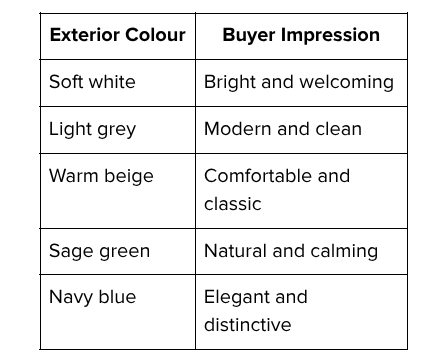
Neutral colours continue to appeal to many Sacramento buyers because they create a clean and timeless appearance. Shades such as light grey, soft beige, white, and warm taupe work well with many architectural styles and landscaping designs.
Some homeowners consider repainting before listing their property. Others prefer selling without making cosmetic updates by working with Laurel Buys Houses, allowing them to avoid renovation costs while still moving forward with their sale.
Curb Appeal Begins at the Street
Buyers often decide how excited they feel about a property within the first few moments of arriving. Exterior paint plays a major role in creating that initial reaction.
Fresh paint gives the impression that the home has been maintained over time. Even if buyers know they may repaint later, they often appreciate seeing a property that looks clean and cared for.
A well-painted exterior also photographs better in online listings. Since many buyers begin their search online, attractive listing photos can encourage more people to schedule a viewing.
Colour Can Highlight Architectural Features
Paint does more than cover walls. It also helps emphasise attractive architectural details that buyers may otherwise overlook.
Contrasting trim colours can make windows, doors, columns, and decorative moulding stand out. A carefully selected front door colour can create a welcoming focal point without overwhelming the home's appearance.
Simple combinations often work best because they allow buyers to appreciate the home's design instead of becoming distracted by bold colour choices.
Faded Paint May Raise Buyer Concerns
Exterior paint naturally fades over time due to sunlight, weather, and age. Peeling, cracking, or discoloured paint may suggest neglected maintenance, even if the home's structure remains solid.
Buyers sometimes associate visible exterior wear with hidden repair issues inside the property. This perception may reduce confidence during the viewing process.
Common signs buyers notice include:
Peeling paint
Faded colour
Water stains
Cracked trim
Chipped window frames
Weathered front doors
Repairing these visible issues before listing can improve buyer confidence and strengthen overall presentation.
Modern Colour Trends Continue to Evolve
Buyer preferences change gradually, though neutral tones remain popular because they appeal to a wider audience. Colours inspired by nature also continue to attract attention.
Current exterior colour preferences include:
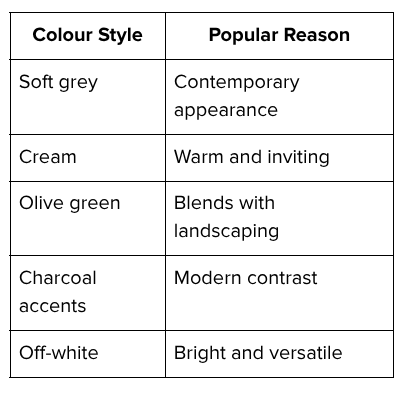
Selecting timeless colours may help the property appeal to more buyers than highly personalised colour schemes.
Paint Works Best Alongside Other Improvements
A fresh exterior colour delivers stronger results when combined with other curb appeal improvements.
Simple updates that complement new paint include trimming shrubs, mowing the lawn, cleaning walkways, cleaning windows, and replacing worn house numbers. These small details create a polished appearance without requiring major investment.
Outdoor lighting also contributes to buyer impressions during evening viewings. Clean fixtures and working lights improve both appearance and safety.
A coordinated exterior encourages buyers to expect similar care throughout the rest of the property.
Sacramento Weather Also Influences Paint Choices
Sacramento experiences long periods of sunshine, making paint durability an important consideration. Quality exterior paint resists fading, cracking, and moisture damage more effectively than lower-grade products.
Lighter colours often reflect more sunlight, helping homes maintain a fresh appearance for longer periods. They may also reduce visible heat absorption compared with darker shades.
Homeowners planning future maintenance should consider both appearance and long-term durability when selecting exterior paint.
Smart Colour Choices Leave a Lasting Memory
Exterior paint colour plays an important role in shaping first impressions for Sacramento buyers. While it cannot replace good location, thoughtful maintenance, or practical layouts, it helps create a positive emotional response before buyers even enter the home.
A clean, freshly painted exterior supported by tidy landscaping and well-maintained details encourages buyers to view the property with confidence. By choosing colours that appeal to a broad audience and keeping the home's exterior in excellent condition, sellers improve their chances of attracting stronger interest and creating memorable first impressions that last throughout the entire viewing experience.
Questions & Answers
1. Does exterior paint colour affect home value?
A fresh, attractive exterior can improve buyer interest and support stronger offers by creating a positive first impression.
2. Which exterior colours appeal to most buyers?
Neutral shades such as white, light grey, beige, and soft earth tones usually attract the widest range of buyers.
3. Should I repaint before selling my home?
If the existing paint is faded, peeling, or heavily worn, repainting may improve curb appeal and buyer confidence.
4. Can exterior paint influence online listing performance?
Yes. A well-painted home often looks more attractive in listing photos, encouraging more buyers to schedule viewings.
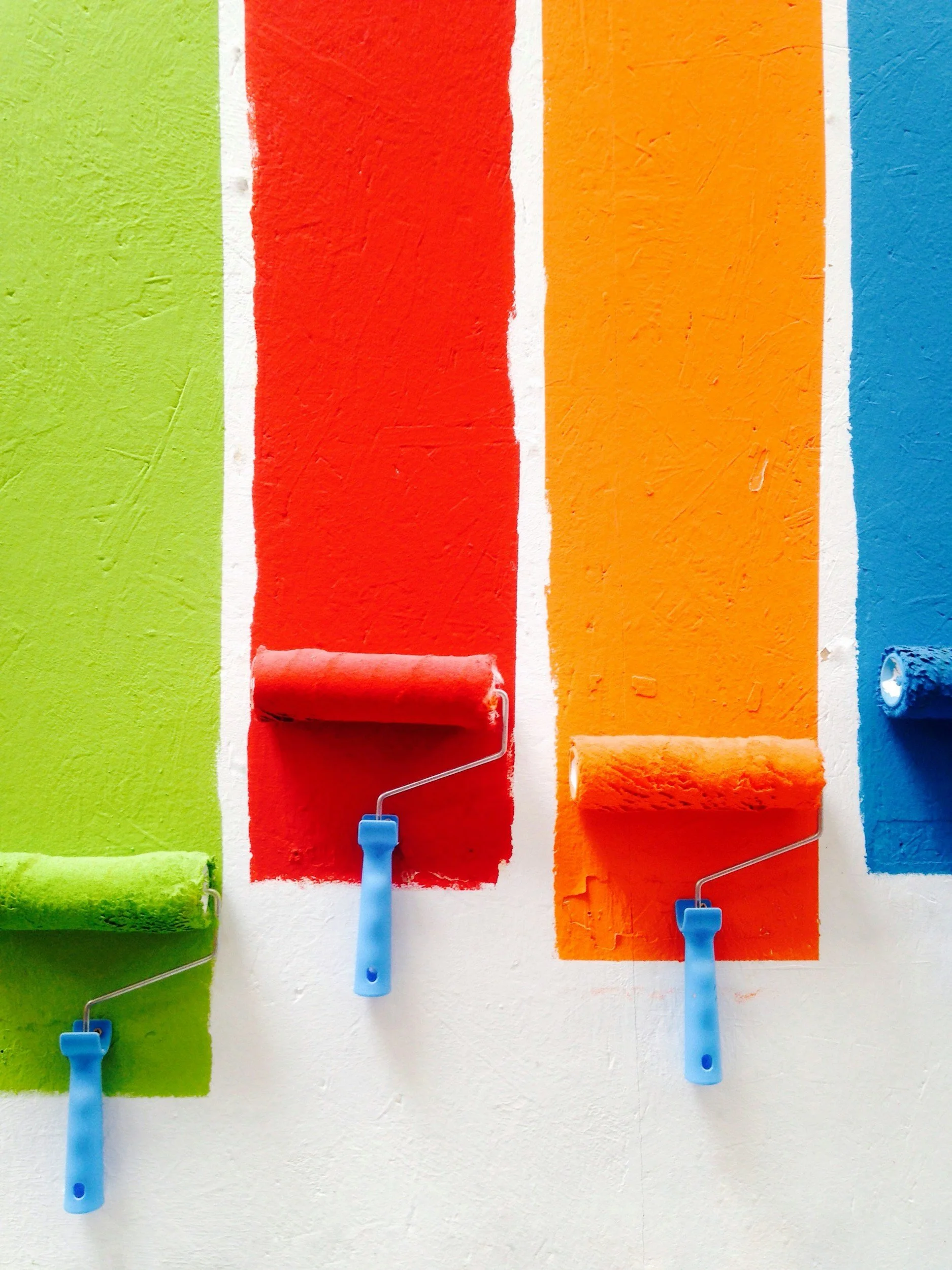
Interior house painting: how to choose the right colors for every room in your home
Interior house painting is one of the easiest ways to change the mood, comfort, and style of a home without a full renovation.
We partnered with a home improvement company for this post. The opinions in the post are honest. All reviews and opinions expressed in this post are based on our personal views. We are excited because we know you will love it.
Interior house painting is one of the easiest ways to change the mood, comfort, and style of a home without a full renovation.
I learned that firsthand after helping repaint a family home where one wrong shade made a bright room feel dull by late afternoon.
That experience made it clear that choosing paint is never just about liking a color chip.
It is about how that color works with light, furniture, flooring, and daily life.
Why the right paint color changes everything
A wall color does more than sit in the background.
It shapes how a room feels the second you walk in.
A soft neutral can make a space feel calm and open.
A deep tone can add warmth, depth, and character.
I remember visiting a friend after she repainted her dining room in a muted, earthy green.
Before that, the room felt plain and forgettable.
Afterward, it felt grounded, elegant, and much more welcoming during dinner parties.
Nothing else in the room had changed.
That is how powerful the right shade can be.
Many homeowners choose colors too quickly.
They see something online, fall in love with it, and expect the same result at home.
Real rooms do not behave like staged photos.
Natural light, lamp light, ceiling height, and trim color all affect the final result.
It is essential if you want consistent results, especially when planning a professional interior house painting project.
Start with the light in each room
Before picking a single sample, study the lighting.
This step saves time, money, and frustration.
A room with strong morning light will show color differently from a room that gets only soft evening light.
North-facing rooms usually feel cooler and can make gray, blue, or white shades look sharper.
South-facing rooms often pull out warmth and make soft neutrals glow.
East-facing spaces feel bright early in the day, while west-facing rooms warm up later in the afternoon.
I once tested a clean white in a hallway that looked beautiful at noon.
By evening, it turned flat and slightly cold under overhead lighting.
We changed it to a warmer white, and the hallway immediately felt softer and more inviting.
Always test swatches on multiple walls.
Look at them in the morning, afternoon, and night.
That simple habit can prevent a costly repaint.
How to choose living room colors that feel natural
Living rooms usually do the most work in a home.
They host guests, family movie nights, quiet mornings, and sometimes even work calls.
The color needs to be flexible enough to handle all of that.
Warm whites, greige, soft taupe, muted olive, and gentle gray-blue tones are strong options.
These shades create a welcoming base without overpowering the furniture or decor.
They also allow pillows, rugs, art, and wood finishes to stand out.
A few years ago, I helped repaint a living room that had a yellow-beige wall color that made everything look dated.
We switched to a light greige with warm undertones.
The sofa looked newer.
The natural light looked cleaner.
The room finally felt relaxed instead of tired.
If you want more personality, use color through one feature wall, built-ins, or trim detail.
That gives the room visual interest without making the whole space feel too busy.
Bedroom colors should support rest
Bedrooms need a different approach.
This is where strong light reflection and overstimulating tones can become a problem.
A bedroom should feel calm when the day starts and even calmer when it ends.
Soft blue, dusty rose, warm sand, muted lavender, and creamy off-white tones work well in many bedrooms.
These colors create a softer visual atmosphere and help the room feel settled.
I once painted a guest bedroom in a pale gray that looked elegant on the sample card.
After the full coat went up, the room felt lifeless.
The fix was simple.
We added a warmer undertone with a light taupe-gray, and the room became far more comfortable.
Dark colors can also work in bedrooms.
A charcoal, moody green, or rich navy can feel surprisingly cozy when balanced with lighter bedding and natural textures.
The key is making sure the room still feels restful rather than closed in.
Kitchens need colors that stay fresh all day
Kitchens are different because they are active, practical spaces.
The right wall color should feel clean, bright, and easy to live with.
It also needs to work with cabinets, counters, backsplash tile, and flooring.
White and off-white remain popular for a reason.
They reflect light well and make kitchens feel crisp.
But the wrong white can feel harsh or sterile.
That is why warm whites, creamy neutrals, and soft mushroom tones often feel more lived-in.
I saw this happen in a small kitchen with bright white walls and cool LED lighting.
The room felt almost clinical.
Once the walls were repainted in a softer warm white, the cabinets looked richer and the whole kitchen felt more inviting.
Soft sage and muted blue-gray tones can also work well in kitchens, especially when paired with wood accents or brushed metal finishes.
These shades add personality without making the room feel heavy.
Bathrooms benefit from simple, clean palettes
Bathrooms tend to be smaller, so color has a stronger visual effect.
A heavy shade can make the room feel boxed in.
A thoughtful shade can make it feel fresh and open.
Light gray, pale blue, soft green, and warm white are reliable choices.
These tones reflect available light and create a cleaner, airier look.
They also pair well with tile, mirrors, chrome fixtures, and natural stone.
I once helped redo a powder room with a dramatic dark color because the homeowner wanted something bold.
It looked stylish in photos, but in real life the room felt cramped.
After switching to a lighter color with subtle warmth, the room felt twice as comfortable.
If you want drama in a bathroom, try using it in the vanity color, mirror frame, or accessories instead of the entire wall surface.
Undertones make or break the final result
This is the part many people skip.
Undertones are the hidden hints of color beneath the main shade.
A beige may lean pink, yellow, or gray.
A white may lean blue, cream, or green.
That matters more than most people realize.
Two grays can look almost identical in a store and then look completely different once painted.
One may feel warm and balanced.
The other may turn icy next to wood flooring.
I always compare paint samples beside trim, flooring, furniture, and countertops.
That side-by-side view tells the truth quickly.
It also helps avoid the common mistake of picking a color that clashes with fixed surfaces already in the room.
Keep your whole home connected
Every room does not need to match, but the home should still feel cohesive.
The easiest way to do that is by choosing a palette that shares similar undertones.
That gives each room its own identity while still making the full house feel connected.
A hallway, staircase, or open-plan layout especially benefits from this approach.
When one room suddenly shifts into a color that feels unrelated, the house can feel visually disjointed.
I saw that in a home where every room had been painted from a different trend cycle.
One room was blue-gray.
The next was tan.
The next had a pink-beige tone.
Individually, each one was acceptable.
Together, they made the home feel patchy and unfinished.
Once the palette was adjusted to warmer, softer tones throughout the house, everything flowed naturally.
Common mistakes that lead to repainting
The biggest mistake is choosing too fast.
Paint feels simple until it is on four walls and the room suddenly feels wrong.
Another mistake is relying only on tiny sample cards.
A color needs to be tested at scale.
What looks subtle in a small square may dominate a full wall.
Skipping surface prep is another issue.
If the wall has cracks, patch marks, grease, or uneven texture, even great paint will not look its best.
Clean surfaces and proper priming make a visible difference.
Finish selection matters too.
Flat and matte finishes soften walls and hide imperfections.
Eggshell and satin are easier to wipe down.
The right finish depends on the room and how much wear the walls will get.
Final thoughts on choosing paint with confidence
Choosing paint should feel thoughtful, not stressful.
When you pay attention to lighting, undertones, finish, and flow, the process becomes much easier.
You stop guessing and start making decisions that fit the way your home actually works.
The best rooms are not always the trendiest ones.
They are the ones that feel right when you walk into them.
They feel balanced in daylight.
They feel comfortable at night.
They support the purpose of the room instead of fighting it.
A good paint color does not beg for attention.
It quietly improves the space every single day.
That is what makes the right choice worth the extra time.

5 Benefits of Weather-Resistant Exterior Paint for Tough Climates
When it comes to protecting your home, the elements are an undeniable force to be reckoned with. From blazing sunshine to heavy downpours and icy frost, your home’s exterior needs to stand firm. The right weather-resistant exterior paint doesn’t just enhance your home’s curb appeal—it provides an essential layer of defense against nature’s toughest conditions.
When it comes to protecting your home, the elements are an undeniable force to be reckoned with. From blazing sunshine to heavy downpours and icy frost, your home’s exterior needs to stand firm. The right weather-resistant exterior paint doesn’t just enhance your home’s curb appeal—it provides an essential layer of defense against nature’s toughest conditions.
If you’re looking to safeguard your investment, look no further. This guide outlines the top benefits of weather-resistant exterior paints and why they are a must for any homeowner aiming to protect their property in challenging climates.
Extend the Lifespan of Your Exterior
Weather-resistant exterior paint is specifically formulated to endure harsh climates and extend the life of your home’s facade. Regular paints often peel, crack, or fade when exposed to extreme conditions, but high-quality weather-resistant paints are built to last.
Advanced formulations include additives that prevent water penetration and resist temperature fluctuations, ensuring your exterior maintains its finish for years longer. This durability reduces the frequency of repainting, saving you time and money in the long run.
Weather-resistant paints incorporate flexible binders that adjust to temperature changes, preventing cracks and chips. Additionally, they feature high UV resistance to protect against sun damage, ensuring colors stay vibrant even in the harshest sunlight.
Protect Against Moisture Damage
One of the leading enemies of a home’s exterior is water. Whether it’s heavy rainfall, melting snow, or high humidity, moisture is a persistent threat. Weather-resistant exterior paint creates a shield that stops water from seeping into porous surfaces like wood or masonry.
By forming a watertight barrier, this specialized paint prevents common issues like mold, mildew, and rot—problems that can lead to significant repair expenses if left unchecked.
From monsoons to light drizzles, weather-resistant paints ensure your home remains protected year-round. Their hydrophobic properties repel water effectively, keeping your home dry and safe even during the wettest months.
Maintain Beautiful, Long-Lasting Colors
The aesthetic appeal of your home is just as important as its protection. Harsh weather, particularly prolonged exposure to sunlight, can cause standard paints to fade or discolor over time. Weather-resistant exterior paints, however, are engineered with UV-blocking pigments that fight against sunlight’s fading effects.
Whether you prefer neutral tones or bold, striking colors, these paints help ensure your home remains as eye-catching as the day it was painted. This is especially valuable for homeowners in regions with intense sunlight or seasonal storms.
Weather-resistant paints don’t just maintain color; they also resist dirt, grime, and stains, keeping your exterior looking pristine without constant upkeep. Most formulations are designed to minimize the frequency of cleaning, helping you preserve your home’s beauty effortlessly.
Increase Energy Efficiency
Did you know that your home’s exterior can impact its energy efficiency? Weather-resistant paints reflect more heat and light than traditional paints, which can keep your house cooler during hot summers. This reflective property not only reduces the strain on your air conditioning system but can also lower energy bills.
Many weather-resistant paints also function as insulators, providing an extra layer of protection during colder months. By helping regulate interior temperatures, you can enjoy year-round comfort, no matter the season.
Boost Your Home’s Value
Putting the finishing touch on your home with weather-resistant paint is an investment that potential buyers notice. A durable, freshly painted exterior signals good maintenance practices and protects against future repair costs, making your property instantly more attractive to buyers.
The combination of aesthetic appeal, weather protection, and low maintenance benefits enhances your home’s overall value. For new homeowners, this type of exterior paint provides peace of mind and a boost in long-term property potential.
Final Thoughts
Choosing weather-resistant exterior paint is a smart decision for new homeowners, especially those living in challenging climates. Offering protection against moisture, UV damage, and extreme weather, these paints deliver performance, longevity, and beauty. By investing in this durable solution, you not only protect your property but also save money and enhance its value.
Give your home the care and protection it deserves by choosing brands like Rhino Shield of DFW — particularly if you live in a region with challenging weather conditions.. The effort you put in today will leave you with a home that looks stunning and stands strong for years to come.