

A resource for those seeking information on organizing and transforming spaces.
How Courier Services in Irvine Protect High-Value and Sensitive Packages
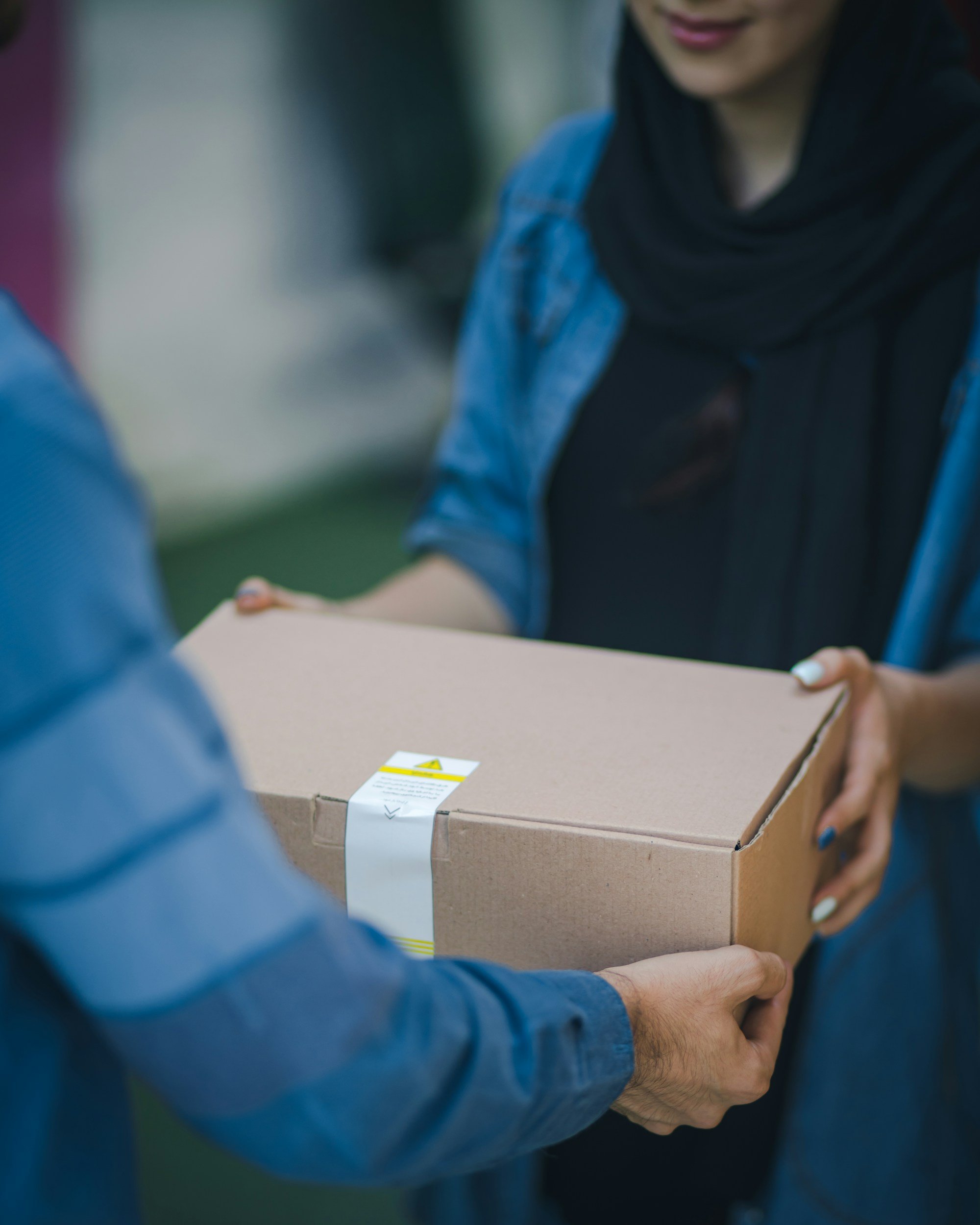
Courier services in Irvine play a critical role when businesses and individuals need to move valuable, confidential, or fragile items without taking unnecessary risks.
We partnered with a transport company for this post. The opinions in the post are honest. All reviews and opinions expressed in this post are based on our personal views. We are excited because we know you will love it.
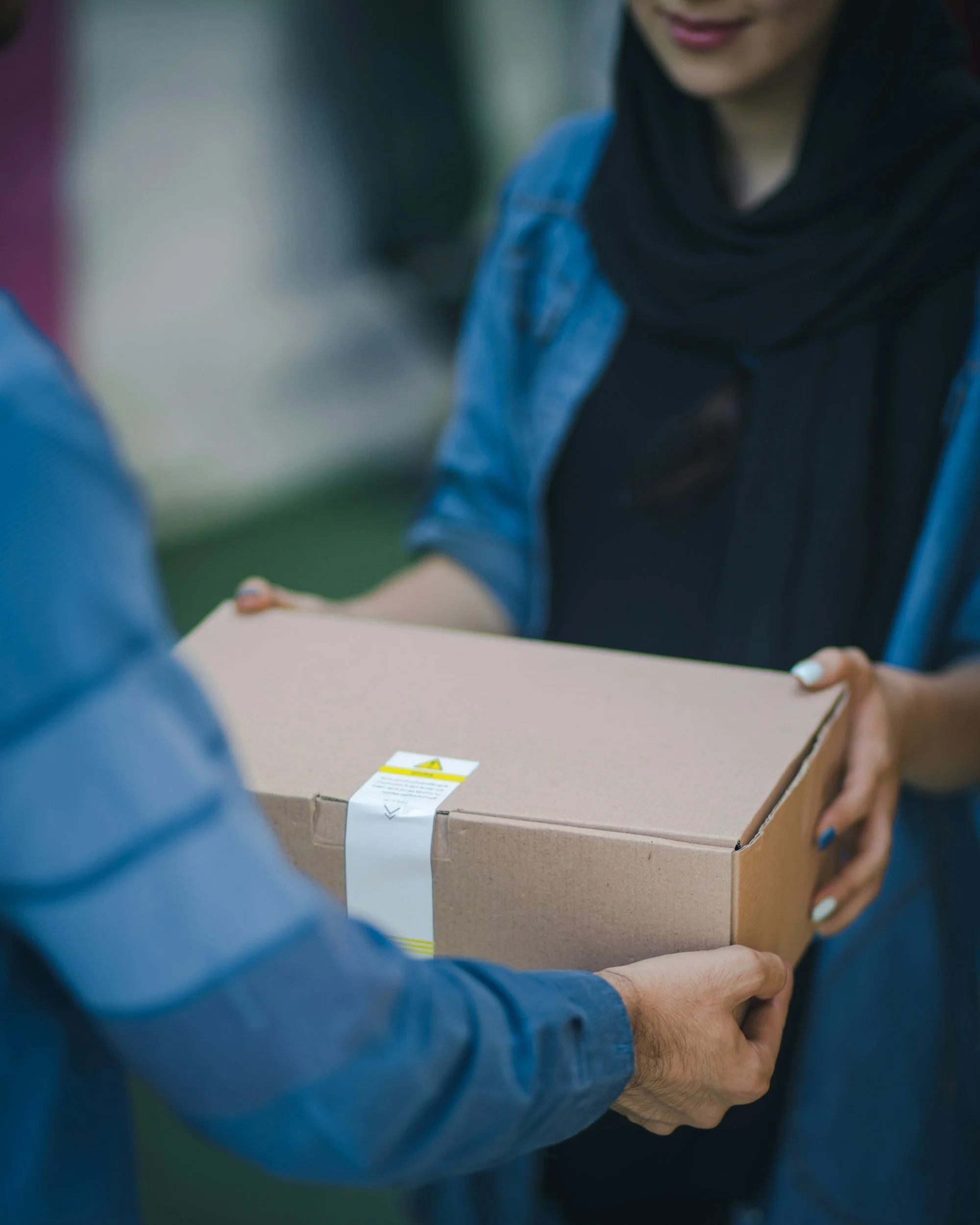
Courier services in Irvine play a critical role when businesses and individuals need to move valuable, confidential, or fragile items without taking unnecessary risks.
Whether it's medical equipment, legal documents, luxury products, or sensitive electronics, secure delivery requires far more than simply transporting a package from one address to another.
The difference often comes down to careful handling, real-time visibility, trained drivers, and delivery processes designed to minimize every possible point of failure.
If you're comparing different options, it's worth understanding what professional courier services in Irvine do differently and why those extra safeguards matter when the contents of a shipment cannot be replaced easily.
Why High-Value Shipments Need Specialized Handling
Not every package can be treated the same way.
A box of office supplies can usually tolerate a few bumps along the journey, but expensive electronics, medical samples, artwork, legal paperwork, or prototype products often cannot.
Many valuable shipments are damaged long before they reach their destination because they pass through multiple sorting facilities, conveyor belts, trucks, and warehouses.
A dedicated local courier minimizes those transfer points, reducing opportunities for damage, theft, or delays.
For businesses, this level of protection also helps preserve customer trust.
A law firm delivering confidential contracts, for example, cannot afford to have paperworkmisplaced or delayed by several days.
Likewise, a jewelry retailer shipping custom orders expects every package to arrive exactly as it left.
Secure Chain of Custody Makes a Difference
Every Transfer Creates Risk
One of the biggest advantages of professional same-day delivery providers is maintaining a clear chain of custody.
Instead of handing a package between numerous facilities, the shipment often remains with a single driver from pickup to delivery.
That means there are fewer opportunities for loss, confusion, or accidental damage.
Tracking each stage also creates accountability throughout the delivery process.
If questions arise, businesses know exactly where the shipment has been and who handled it.
Signature Confirmation Adds Another Layer
Sensitive deliveries often require proof that the correct recipient accepted the package.
Digital signatures, photo confirmation, identity verification, and delivery timestamps provide documentation that standard shipping methods may not always offer.
This becomes especially valuable for financial institutions, healthcare providers, and legal professionals.
Proper Packaging Is Only Half the Equation
Many people assume that strong packaging alone guarantees safe delivery.
In reality, packaging and transportation work together.
A carefully packed laboratory instrument can still be damaged if it's repeatedly loaded, unloaded, or stacked beneath heavier freight.
Professional local delivery teams understand how different items should be secured inside vehicles.
Fragile equipment stays upright.
Temperature-sensitive materials remain protected.
Delicate products receive additional stabilization during transport.
Even something as simple as preventing excessive vibration during the trip can significantly reduce damage.
Real-Time Tracking Improves Security
Modern logistics relies heavily on visibility.
Knowing where a shipment is at any given moment helps businesses respond quickly if schedules change.
Real-time GPS tracking also provides reassurance for customers waiting on important deliveries.
Imagine an architecture firm sending signed construction permits to a contractor before an inspection.
Instead of wondering whether the documents will arrive on time, the office can monitor progress throughout the route.
That transparency reduces uncertainty for everyone involved.
Time-Sensitive Deliveries Demand Reliability
Delays Can Be More Costly Than Damage
Some shipments lose value simply because they arrive late.
Medical specimens may require strict delivery windows.
Replacement manufacturing parts can stop an entire production line until they arrive.
Legal filings often have court deadlines that cannot be missed.
Fast transportation isn't just about speed.
It's about dependable scheduling backed by experienced route planning.
Professional dispatch teams continuously evaluate traffic, weather conditions, and alternate routes to keep deliveries moving efficiently.
Driver Training Plays a Bigger Role Than Most People Realize
Drivers handling valuable shipments do much more than operate a vehicle.
They learn safe loading techniques, proper handling procedures, customer communication, and delivery verification.
For example, delivering sensitive medical equipment requires different handling practices than transporting architectural blueprints or confidential business records.
Experienced drivers recognize those differences and adjust accordingly.
That attention to detail significantly lowers the chances of mistakes.
Local Knowledge Helps Avoid Unexpected Problems
National shipping networks are excellent for moving packages across long distances.
However, local courier providers often have a better understanding of neighborhood traffic patterns, commercial buildings, restricted access locations, and delivery schedules.
Consider a delivery headed to a busy medical office complex during lunchtime.
An experienced local driver may already know which entrance offers the quickest access or which loading area avoids congestion.
Small details like these improve efficiency while reducing delays.
Industries That Depend on Secure Delivery
Many industries rely on dependable local transportation every day.
Healthcare providers frequently transport medical devices, prescriptions, and laboratory materials.
Law firms move contracts, evidence, and confidential legal documents.
Financial institutions exchange sensitive paperwork requiring secure handling.
Manufacturers ship replacement components needed to prevent production downtime.
Technology companies often send expensive hardware, servers, and prototype equipment that require extra protection.
Even photographers, event planners, and creative agencies regularly transport valuable gear that must arrive safely and on schedule.
Common Mistakes That Put Valuable Packages at Risk
Choosing Price Over Reliability
Selecting the lowest-priced delivery option isn't always the most economical decision.
A delayed prototype, damaged medical device, or lost legal document can cost significantly more than the shipping fee itself.
Ignoring Insurance Options
High-value shipments should have appropriate coverage.
Insurance provides additional financial protection if something unexpected occurs during transit.
Using Generic Packaging
Different products require different packaging methods.
Electronics, artwork, pharmaceuticals, and fragile instruments all benefit from customized protective materials.
Waiting Until the Last Minute
Planning deliveries early gives dispatch teams more flexibility to optimize routes and accommodate special handling requirements.
Last-minute requests can still be completed in many cases, but advanced scheduling often provides additional options.
How Businesses Build Customer Trust Through Better Delivery
Reliable delivery isn't just an operational task.
It's part of the customer experience.
When expensive purchases arrive on time and in perfect condition, customers remember the professionalism behind the transaction.
Imagine ordering a custom engagement ring before an important proposal.
Receiving it exactly when promised builds confidence not only in the courier but also in the retailer.
The same principle applies to businesses delivering medical supplies, confidential documents, or replacement equipment.
Consistent performance strengthens long-term relationships.
Choosing the Right Delivery Partner
Not every courier operates with the same standards.
Look for providers that offer shipment tracking, proof of delivery, experienced drivers, secure handling procedures, flexible scheduling, and responsive customer support.
Ask how fragile items are transported.
Understand their process for signature confirmation.
Learn what happens if weather or traffic creates unexpected delays.
These conversations reveal whether a provider has systems designed for valuable shipments or simply focuses on moving packages as quickly as possible.
Final Thoughts
Protecting valuable shipments requires more than fast transportation.
It involves careful handling, secure custody, experienced drivers, accurate tracking, and dependable communication from pickup through final delivery.
Whether you're sending confidential documents, medical equipment, luxury merchandise, or critical business materials, choosing the right delivery solution helps reduce risk while improving peace of mind.
When security, reliability, and timely service matter most, investing in professional local delivery is often the smartest decision for both businesses and individuals.
The Easiest Way to Declutter Before Moving
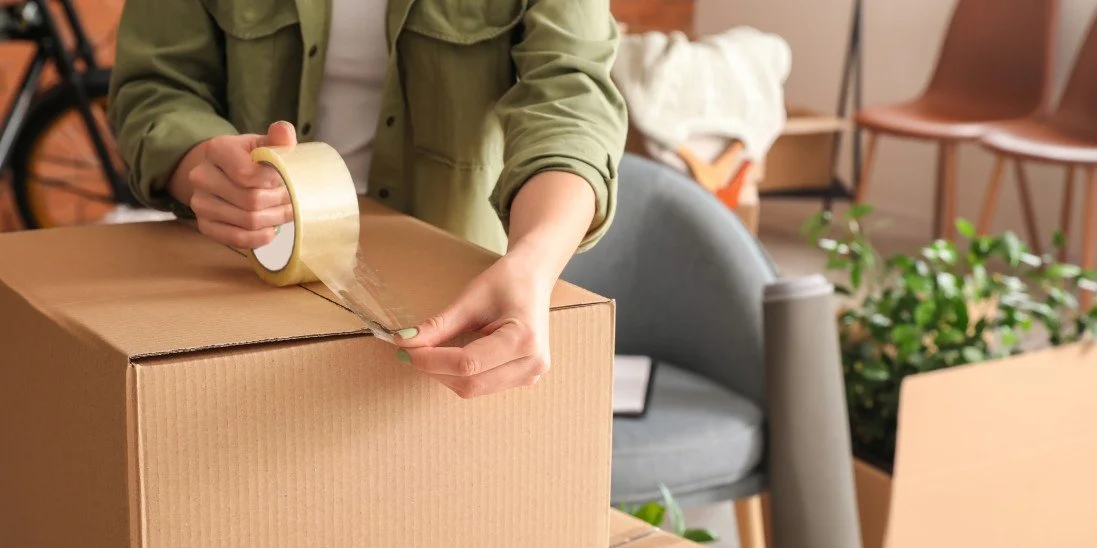
Feeling overwhelmed? Master the easiest and most practical way to declutter before moving with our simple, step-by-step guide. Start fresh in your new home!
We partnered with a moving company for this post. The opinions in the post are honest. All reviews and opinions expressed in this post are based on our personal views. We are excited because we know you will love it.
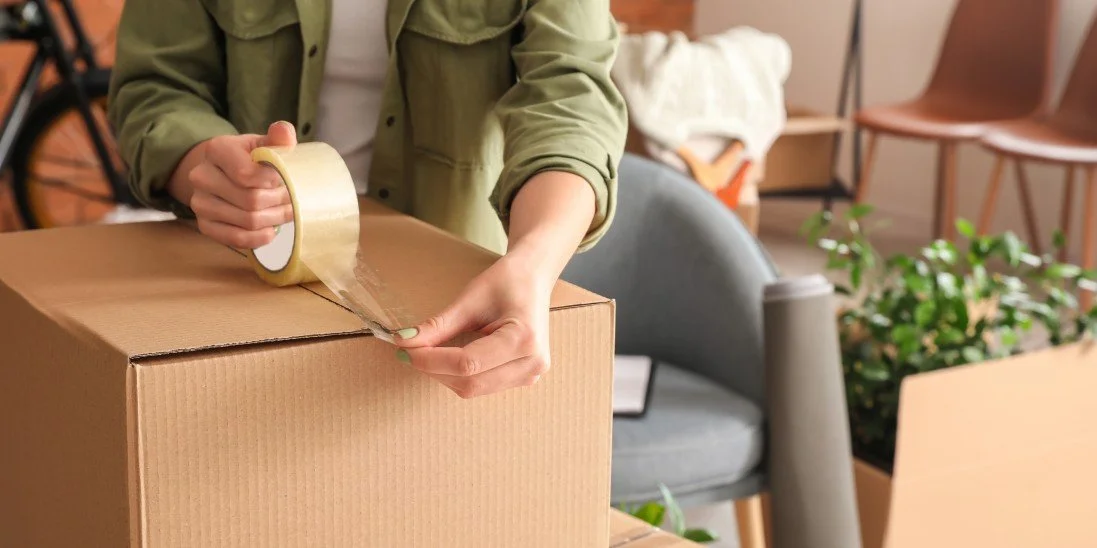
Moving is already a huge task without having to pack up years of accumulated belongings. Sorting through everything you own can feel overwhelming, but it doesn’t have to be. We’ll show you the easiest way to declutter before moving, turning a stressful job into a manageable one. We will help you lighten your load so that you can start fresh in your new home!
Start Small and Stay Focused
The thought of decluttering an entire house at once is enough to make anyone want to give up. The trick is to break the process down into smaller, more digestible parts. Instead of tackling a whole room, start with a single drawer or a small section of your closet. This approach prevents you from feeling overwhelmed and gives you a sense of accomplishment early on.
Once you’ve cleared a small area, you can move on to the next. For instance, after organizing your junk drawer, you might tackle the kitchen counter. These small victories build momentum and make the entire process feel less daunting. Remember, you’re not trying to do everything in one day; consistency is what matters most.
Use a Simple Sorting System
To keep your decluttering organized, create a simple sorting system. You’ll need four distinct piles or boxes: Keep, Donate, Sell, and Toss. As you go through your items, decide which category each one belongs to. Being decisive is crucial here; try not to overthink every little thing.
The “Keep” pile should only contain items you genuinely use, love, or need. The “Donate” pile is for items in good condition that you no longer want. For higher-value items you’re ready to part with, the “Sell” pile can help you make a little extra cash for your move. Finally, the “Toss” pile is for anything that is broken, expired, or no longer usable.
Consider Professional Help
Sometimes, the amount of stuff you need to get rid of is just too much to handle on your own. This is where professional help can be a lifesaver. A junk removal service can quickly and efficiently haul away all the items you’ve decided to toss, from old furniture to bags of miscellaneous clutter. This saves you from making multiple trips to the dump or recycling center.
Hiring professionals streamlines the final decluttering step and frees up your time to focus on packing and other moving preparations. Just be sure to do your research to avoid mistakes when hiring a junk removal service and find a reliable company that fits your needs. It’s a great way to clear out the last of the clutter with minimal effort.
While simplifying your belongings before the move, it can also help to plan transportation logistics early, and services listed on platforms like https://www.shiply.com/us/car-shipping/new-york-car-shipping can assist with arranging reliable vehicle transport if you’re relocating to or from another state.
A Fresh Start Awaits
By breaking down the process and staying organized, you’ll find that using the easiest way to declutter before moving is entirely achievable. You’ll save money on moving costs by having fewer things to transport, and walk into your new home feeling lighter and more organized. Embrace the opportunity for a clean slate and enjoy the peace that comes with a clutter-free space.

The 24-Hour Unpack: Organizing Your Essentials in One Day Without Stress
Organize your new home fast with the 24-hour unpack method. Learn simple steps to set up essentials and reduce moving stress.
Moving day can drain your energy, yet the first 24 hours in a new home set the tone for how the next few weeks will feel. A focused plan helps you breathe easier, regain control, and settle in with confidence. Explore how the 24-hour unpack and simple post-move rituals for order give you structure so you can sort your essentials quickly, stay calm, and enjoy a clearer living space by the end of day one.
The 24-Hour Unpack: A Simple Plan to Take Control on Day One
Most people feel overwhelmed by boxes on the first day, but you can ease that pressure with a direct process. This method groups your efforts into small, clear steps. It also helps you stay productive without pushing yourself too hard. Keyword-rich strategies such as moving organization, efficient unpacking, packing essentials, and post-move setup support your goal of quick order and less stress.
Create a Smart System Before You Open a Box
Start with high-impact steps—place boxes in the correct rooms. Keep a small bin for trash and packing materials so your space stays clear. Use a simple sorting method: open one box, empty it, break it down, then move to the next. That helps you track progress without clutter creeping back, similar to guidance you might receive from a professional organizer for your home. Set a timer if you need structure. Short bursts of focused work help you stay consistent and avoid fatigue.
Unpack Your Survival Essentials First
Your first-day essentials should sit in a labeled “open-first” box. Include toiletries, simple cookware, chargers, medication, and key office items. These basics help you function through the day and sleep comfortably at night.
As you settle in, check the home for urgent tasks: lightbulbs that need replacing, outlets that need testing, or alarms that require batteries. Small fixes early on reduce stress later.
How to Stay Organized While You Continue Unpacking
As the unpacking process moves into its busiest stage, your focus may start to slip. That is the moment to rely on simple habits that keep your momentum steady. When you follow a moving checklist, you build a clear path for tasks like decluttering, ordering packing supplies, notifying important parties, and researching moving companies. These steps create structure and support a more organized relocation because each action has a defined place in your plan. With this approach, you adjust your pace, reduce pressure, and keep your setup moving forward without feeling overwhelmed.
Set Up Your Kitchen for Quick Use
The kitchen often feels like the heart of your new home, so give it early attention. Set up your coffee items, plates, a few cups, and essential utensils. Keep counters clear so you have room to work.
Place larger appliances where they make the most sense for daily use. Avoid perfection on day one. You can adjust the layout later. This simple setup helps you prepare basic meals without sorting through stacks of boxes.
Organize Your Bedroom to Support Good Rest
A good night’s sleep helps you stay productive on day two. Make your bed early in the day so you have a grounded space to return to at night. Unpack clothing you need for the next few days and place them in drawers or hang them in the closet. Keep decor for later. Your priority is function, comfort, and easy access.
Set Up Your Bathroom for Daily Use
Unpack your bathroom bag next. Place your toiletries, towels, and shower supplies in easy-to-reach spots. This simple task gives you comfort right away. A prepared bathroom signals that the home is ready for regular routines.
Boost Day-One Success With Practical Zones
Create quick-use zones in your home so your essentials stay organized. A small charging station near an outlet, a drop zone for keys, or a folder for important documents helps you stay centered. These zones bring structure and cut down on misplaced items.
Stay Focused on What You Need Today (and Not Everything Else)
One of the most helpful parts of the 24-hour unpack is the focus on essentials only. You do not need to unbox your entire home today. Instead, choose the pieces that support comfort and function. That prevents burnout and allows your new space to take shape at a steady pace.
Tackle Common Bottlenecks With Small Wins
Some boxes make slow progress because they hold mixed items. Sort them into quick categories: keep, donate, or trash. Fast decisions help you move forward without overthinking. Use small wins to stay energized. Unpacking a single drawer or a stack of dishes builds momentum.
Let Your Living Room Evolve Over Time
The living room often holds decor, books, and extra items that take time to sort. Start with core pieces such as seating, lighting, and a space for entertainment devices. Leave detailed styling for another day. That gives the room purpose without slowing your progress.
Keep Kids and Pets Comfortable
If you have kids or pets, prepare their essentials early. Set up a safe spot with toys, snacks, or a familiar blanket. This small step reduces stress for them and allows you to stay productive.
Use Breaks to Reset Your Energy
Short breaks keep your mind sharp. Stretch, get water, or step outside for fresh air. Even a few minutes away from the boxes can help you stay motivated for the rest of the day.
Know When to Pause for the Day
The goal of the 24-hour unpack is comfort, order, and a calm atmosphere by the end of day one. Stop once your essentials are set, and your living space feels usable. The rest can wait. This approach supports a healthier mindset and helps you work toward an organised home, maximise light and space, giving you room to enjoy your new surroundings.
A Cleaner Start With the 24-Hour Unpack
A focused plan helps you settle into your home with ease. With the 24-hour unpack, you place your energy on the items that matter most. Each small step builds a clear, functional space that supports your daily life. When you finish the first day with order, comfort, and a sense of readiness, you give yourself a stronger start in your new home.

The Psychology of Panic Packing—and Why Scammers Count on It
Learn how the psychology of panic packing leaves you open to scams and discover simple ways to protect yourself during your move.
Packing under pressure happens to almost everyone. You feel the clock ticking, and suddenly, everything feels urgent. This rush leads to what experts call the psychology of panic packing. It is a common reaction when moving plans change fast, or emotions run high. However, scammers know about this pattern, too. They wait for stressed movers who make quick decisions without checking details. When you panic pack, you may miss warning signs that usually stand out. In this article, you will learn what triggers panic packing, how scammers take advantage, and what you can do to protect your move.
What Triggers Panic Packing?
Panic packing usually happens when you feel you are running out of time. You see the moving date getting closer, and the pressure builds fast. This feeling can make you toss things into your moving boxes without thinking. Along with the fear of the clock, many worry about forgetting important items. That fear pushes you to rush even more, making it easy to lose track of what you are packing.
Changes in moving plans, like sudden delays or last-minute updates, add even more stress. These surprises leave you scrambling to adjust, often leading to rushed decisions. Emotional attachment to belongings can also make packing harder. You may hesitate over what to keep, slowing you down and creating even more pressure. Together, all these feelings create a perfect storm that triggers panic packing before you even realize it.
The Psychology of Panic Packing: How It Clouds Your Judgment
The psychology of panic packing explains why logical thinking feels almost impossible when under pressure. Stress puts your brain into survival mode, making quick decisions seem better than careful ones. You may pack without sorting, forget to check the mover's credentials, or skip important steps just to feel some progress. This rush often leads to simple mistakes you would easily catch on a normal day.
Small problems grow bigger because your focus shifts from being thorough to just getting things done. When you rush, you trust people and services you would normally question. Scammers know this and push you to act fast, using your stress against you. Recognizing when your judgment feels clouded allows you to slow down, even if you feel pressured. Staying aware of your emotions during packing helps you avoid costly mistakes and keeps you more in control of your move.
How Scammers Spot and Target Panic Packers
Scammers know what to look for when searching for their next target. They focus on people who seem rushed, stressed, and eager to get help fast. If you panic while packing, you might jump at the first offer that promises a quick fix. That is when fake moving companies step in, offering low prices or urgent "deals" that seem too good to pass up. They often ask for large upfront payments, then disappear or hold your belongings hostage for even more money.
Many scammers also count on you to ignore obvious red flags, like a company with no physical address, no real website, or trucks without logos. They might also communicate in a sketchy way, making vague promises without putting anything in writing.
Therefore, to sidestep scams and stay safe, you must avoid the most common mistakes people make during a move. These include not reading the fine print, paying a ton of money upfront, and trusting companies that seem shady from the start. Paying attention to these warning signs can save you from falling into a trap when you already feel overwhelmed.
Easy Ways to Avoid Falling Into the Panic Packing Trap
You do not have to fall into the panic packing trap if you plan a little smarter. Giving yourself more time and structure makes a big difference. Even if unexpected problems arise, a clear plan keeps you on track. Here are some easy ways to stay organized and calm during your move:
Create a packing schedule: Break tasks into daily goals so you do not feel rushed at the last minute.
Pack non-essentials first: Box up items you will not need right away, like seasonal clothes or extra kitchen tools.
Label every box clearly: Write what is inside and where it goes in your new home to avoid confusion later.
Use a moving checklist: Keep a simple list of what needs to be packed, canceled, or set up before moving day.
Stay flexible with your plan: Allow extra time for small setbacks without letting them throw you off completely.
Ask for help early: Reach out to friends, family, or professional movers once you know your moving date.
Double-check companies before hiring: Look for real addresses, solid reviews, and clear communication before you trust anyone with your stuff.
Why Knowing the Psychology of Panic Packing Can Save You Money and Stress
Knowing the psychology of panic packing gives you an advantage during a stressful move. When you understand how rushing clouds your thinking, you can take steps to stay clear-headed. This awareness helps you avoid signing bad contracts, picking unreliable movers, or falling for fake deals. You make decisions based on facts instead of fear.
Staying calm also helps you stick to your budget because you are less likely to waste money on last-minute services. You avoid paying extra fees, losing items, or dealing with damage claims later. A steady mindset protects both your wallet and your peace of mind. Each smart choice you make builds your confidence and makes the entire moving process easier to handle.
Stay Sharp and Move Smarter
The psychology of panic packing shows how easy it is to lose focus when moving. Scammers count on you feeling rushed and stressed. However, knowing how panic affects your choices gives you the power to slow down and protect yourself. Take a few extra steps, trust your instincts, and stay organized. Your move will feel smoother, and you will keep your money, belongings, and peace of mind safe.