

A resource for those seeking information on organizing and transforming spaces.
Gun Safes Aren’t Just for Firearms — Benefits Most Owners Overloo
Gun safes are commonly associated with firearm storage, but modern designs support much broader use. Current models regularly protect passports, property records, external hard drives, and jewelry in one controlled space. Features such as adjustable shelving, interior materials, and humidity control directly affect how well sensitive items remain intact, readable, and accessible over long periods.
We partnered with a home improvement company for this post. The opinions in the post are honest. All reviews and opinions expressed in this post are based on our personal views. We are excited because we know you will love it.
Gun safes are commonly associated with firearm storage, but modern designs support much broader use. Current models regularly protect passports, property records, external hard drives, and jewelry in one controlled space. Features such as adjustable shelving, interior materials, and humidity control directly affect how well sensitive items remain intact, readable, and accessible over long periods.
Using a single safe for multiple valuables simplifies household security and reduces reliance on scattered storage locations. Fire exposure, moisture buildup, and unauthorized access create overlapping risks that benefit from centralized protection. Choosing the right size, placement, locking method, and interior configuration allows one safe to handle varied assets efficiently while staying practical for everyday access.
Multi-Asset Security Beyond Firearms
Adjustable shelving and compartments let owners separate passports, titles, and electronics from hardware that can scratch or trap moisture. Many gun safes for sale now include removable trays and dividers that prevent metal edges from contacting paper, while small desiccant packs reduce humidity risk inside sealed storage. Organizing contents by item type and access frequency cuts search time and removes the need for extra drawers or off-site boxes.
Labeling shelves and storing originals in protective sleeves speeds retrieval while preserving condition. Anchoring heavier sections near the floor lowers tipping risk and keeps delicate records away from tool-grade gear. Planning internal zones based on access frequency keeps the safe practical, organized, and easy to maintain over time.
Fire Ratings Applied to Real Loss Prevention
Label fire times such as 90 minutes at 1200°F appear on many safe spec sheets. Those test numbers are measured under controlled conditions and often omit heat transfer from steam or nearby burning materials.
Choose a rating that aligns with typical emergency response times in your area and add small fire-resistant pouches for papers and drives to reduce heat and steam damage. For example, a 60-90 minute rating paired with pouches often keeps documents readable after a structure fire. Exterior wall positions, basements, and garages expose a safe differently than interior closets. Add insulation around the unit and choose a location that limits exposure during local fires.
Physical Theft Resistance Through Delay
Heavy safes bolted into a concrete slab make removal impractical without power tools and teamwork, which makes intrusion take longer. Robust lock types such as high-security mechanical or UL-rated electronic locks limit common attack methods and slow forced-entry attempts. Wider bolts and reinforced hinge plates add measurable delay that deters opportunistic thieves.
Placing the unit against interior walls or inside closets reduces visibility from windows and street-level sight lines. Anchoring into reinforced framing prevents lifting, and connecting the safe to a monitored alarm shortens response windows. Pair placement with a visible deterrent such as security film on nearby windows to make attempts less practical.
Controlled Access for Shared Households
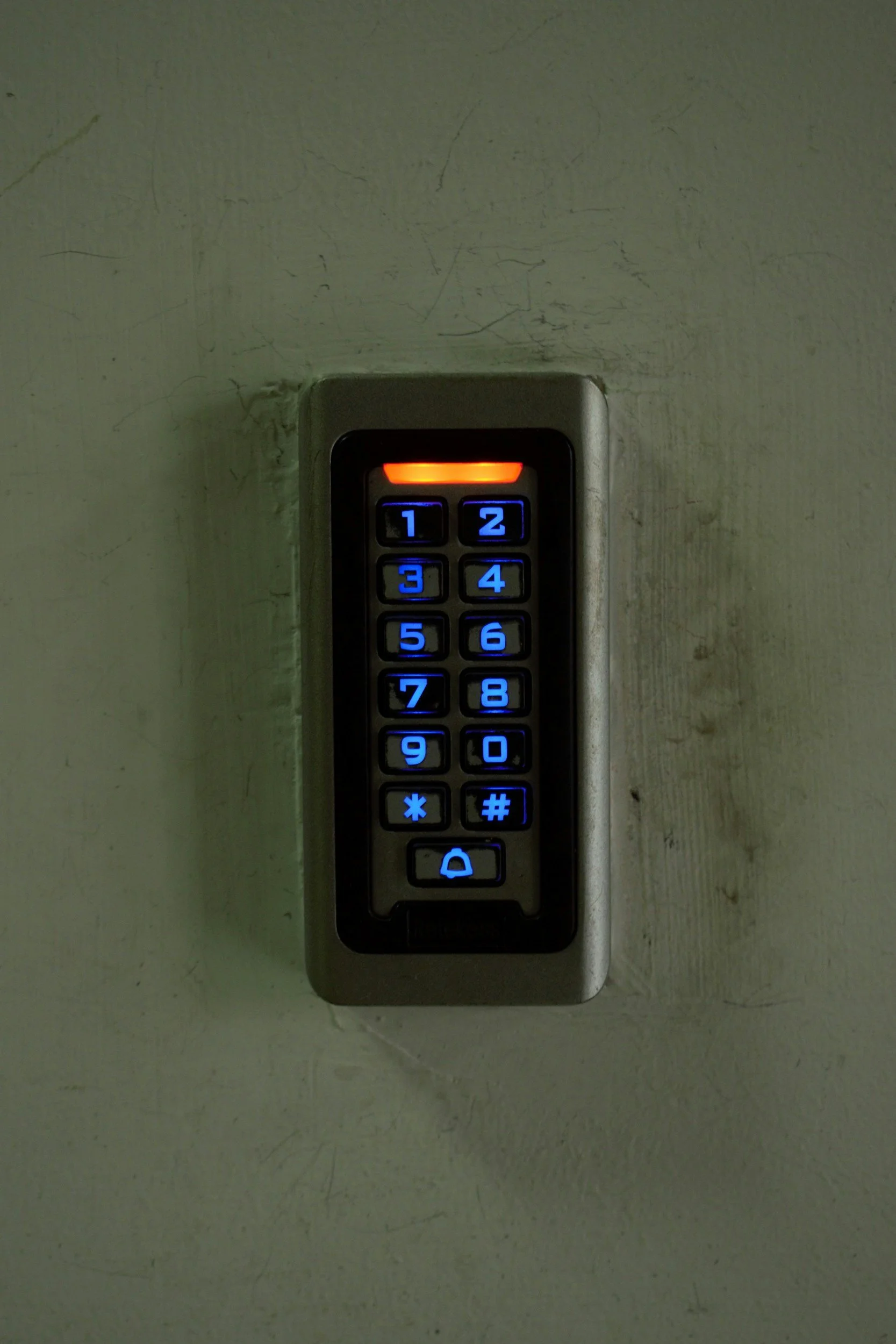
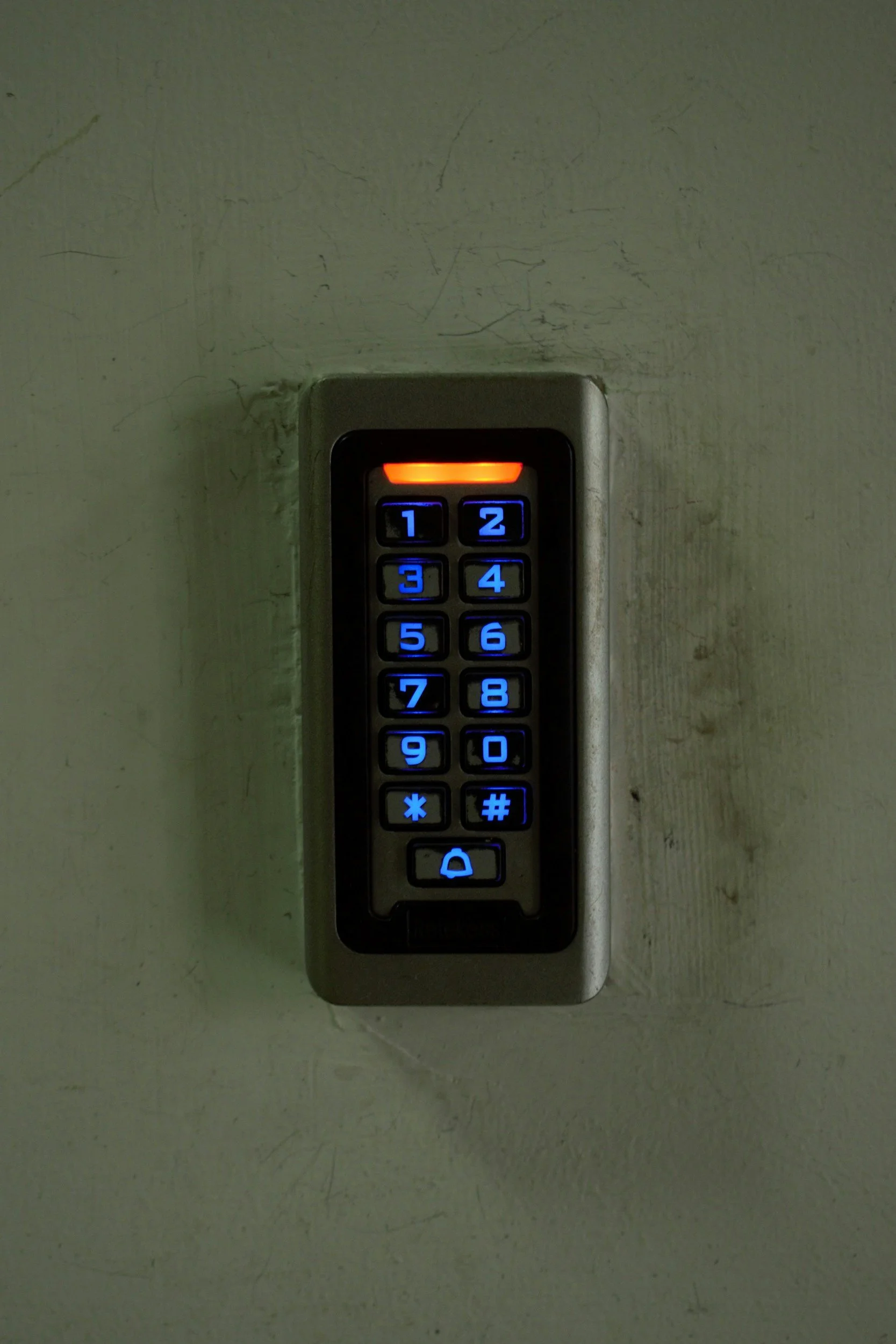
A keypad or biometric reader lets each adult use a personal code or fingerprint to open the safe. Use per-user credentials instead of a single shared combination so access can be revoked or tracked without changing mechanical locks, and give tiered permissions when needed so some users only reach specific internal zones.
Treat code assignment as part of household policy and record who has access, change codes when people leave, and use audit logs where available to verify access. Check batteries seasonally, keep a sealed backup key, and schedule quarterly code reviews as part of routine home maintenance, and document any access changes.
Ongoing Value From One-Time Investment
Long-term value improves when a safe supports reconfiguration without replacement. Modular interiors with adjustable shelves, removable trays, and accessory panels allow storage to shift as priorities change. Dedicated document sleeves, media drawers, and jewelry inserts protect mixed materials while keeping frequently used items accessible. Integrated humidity systems and space for rechargeable desiccants support stable conditions for paper and electronics.
Administrative planning reinforces durability and resale value. Keeping a dated inventory, purchase receipt, and serial numbers inside the unit supports insurance claims and ownership verification. For instance, recording added shelves, upgraded locks, or interior kits allows insurers to assess coverage accurately and helps future buyers evaluate condition. This approach preserves usability and financial value over time.
A well-planned safe setup supports far more than basic storage when key features are chosen intentionally. Appropriate fire ratings, secure anchoring, and dependable lock systems help limit loss from heat, moisture, and unauthorized access. Interior organization, modular shelving, and humidity management protect documents, electronics, and valuables while keeping retrieval simple. Clear access rules and routine code reviews maintain control in shared households. With periodic inventory updates and small interior adjustments, one properly selected unit continues to adapt as needs change, delivering consistent protection, better organization, and long-term value from a single investment.
Top 7 Benefits of Mold Remediation for a Healthier and Safer Home
Mold is a common problem in many homes, especially in areas with high humidity or past water damage. It may start as a small spot on a wall or ceiling, but it can quickly grow into a serious issue. Mold is not just ugly to look at. It can also affect your health, damage your home, and may even lower your property value.
We partnered with a home improvement company for this post. The opinions in the post are honest. All reviews and opinions expressed in this post are based on our personal views. We are excited because we know you will love it.
Mold is a common problem in many homes, especially in areas with high humidity or past water damage. It may start as a small spot on a wall or ceiling, but it can quickly grow into a serious issue. Mold is not just ugly to look at. It can also affect your health, damage your home, and may even lower your property value.
Mold remediation is the process of safely removing mold and fixing the conditions that allow it to grow. Below, we will explain the top seven benefits of mold remediation and why it is important in keeping your home healthy and safe.
What Is Mold Remediation?
Mold remediation is more than wiping mold off a surface. While mold removal focuses on cleaning visible mold, remediation goes deeper. It identifies the source of moisture, contains the mold, removes it safely, and helps prevent it from coming back.
Many homeowners try to clean mold with bleach or household cleaners. This may remove what your eyes can see, but it does not fix the root cause of the problem. Mold often grows behind walls, under floors, or in air systems. Without proper treatment, it usually returns.
Professional mold remediation matters because it treats mold as a system-wide issue, not a surface stain.
Benefit #1 – Improves Indoor Air Quality
Mold releases tiny spores into the air. These spores float through your home and get breathed in every day. When mold is present, indoor air quality drops, even if you cannot see the mold itself.
Poor air quality can make your home feel stuffy and cause strong, musty smells. Mold remediation removes the source of these spores and helps clean the air inside your home.
After remediation, many homeowners notice their home smells fresher and feels more comfortable. Clean air makes a big difference in how a home feels day to day.
Benefit #2 – Reduces Health Risks for Your Family
Mold exposure can cause a lot of health problems. Common symptoms include coughing, sneezing, headaches, skin irritation, and itchy eyes. For people with asthma or allergies, mold can make symptoms much worse.
Children, older adults, and people with weak immune systems are especially at risk. Long-term exposure to mold can lead to ongoing breathing problems and chronic illness.
Mold remediation helps remove harmful mold spores from the home. This creates a safer living environment and lowers the risk of mold-related health issues for everyone in the household.
Benefit #3 – Prevents Structural Damage to Your Home
Mold feeds on organic materials such as wood, drywall, and insulation. Over time, it slowly breaks these materials down. What starts as a small mold patch can lead to rotting wood, crumbling drywall, and weakened flooring.
If mold is left untreated, repairs can become very expensive. Structural damage may require wall replacement, floor repairs, or even major rebuilding.
Mold remediation stops mold at its source. By removing mold early, you protect the strength and safety of your home and avoid costly repairs later.
Benefit #4 – Eliminates Persistent Odors
One of the most common signs of mold is a strong, musty smell. This odor can linger even after cleaning surfaces or using air fresheners.
The smell comes from mold releasing gases as it grows. Covering the odor does not solve the problem. Only removing the mold itself will make the smell go away.
Mold remediation eliminates the source of these odors. Once the mold is gone, your home smells clean again without sprays or candles.
Benefit #5 – Helps Prevent Mold From Returning
One of the biggest advantages of mold remediation is prevention. Professionals do not just remove mold. They also find and fix the moisture problem that caused it.
This may include repairing leaks, improving ventilation, or reducing humidity levels. Containment methods are also used to keep mold from spreading during the process.
By addressing both the mold and the cause, remediation greatly reduces the chance of mold coming back. This gives homeowners long-term protection and fewer worries.
Benefit #6 – Protects Property Value
Mold can seriously hurt your home’s value. During a home inspection, mold is a major red flag for buyers. It can delay sales, lower offers, or stop a deal altogether.
Many buyers are worried about health risks and repair costs. Even small mold issues can raise concerns about hidden damage.
Mold remediation shows that the problem was handled correctly. It helps protect your investment and makes your home more attractive to future buyers.
Benefit #7 – Provides Peace of Mind
Living with mold can be stressful. You may worry about your family’s health or whether mold is growing where you cannot see it.
After professional mold remediation, you can feel confident that your home is safer. Knowing the mold was removed properly, and the cause was fixed,d brings peace of mind.
This sense of security is one of the most valuable benefits of mold remediation.
Why Hire a Professional Mold Remediation Company
A professional mold remediation company uses special equipment and proven methods. They follow safety rules to protect your home and your health. Experts know how to contain mold, remove it safely, and clean affected areas. They also understand how mold spreads and how to stop it.
Hiring professionals ensures the job is done right the first time and reduces the risk of future mold problems.
Conclusion
Mold remediation is an important step toward a healthier and safer home. It improves air quality, protects your family’s health, prevents damage, and preserves your home’s value.
Mold problems rarely go away on their own. Taking action early can save money and stress in the long run.
If you suspect mold in your home, a professional inspection and remediation can help you breathe easier and feel confident in your living space.
How to Feel Safer—and Actually Relax—at Home
Let’s be honest: home is supposed to be your safe place. It’s where you can drop your bag at the door, kick off your shoes, and let out that deep sigh you’ve been holding all day. But sometimes, especially in our wild world lately, even home can feel a little unsettled. Maybe the news has you on edge, or maybe your neighborhood’s gotten busier, or you’re just plain tired of that jittery feeling in the back of your mind.
We partnered with a home improvement company for this post. The opinions in the post are honest. All reviews and opinions expressed in this post are based on our personal views. We are excited because we know you will love it.
Let’s be honest: home is supposed to be your safe place. It’s where you can drop your bag at the door, kick off your shoes, and let out that deep sigh you’ve been holding all day. But sometimes, especially in our wild world lately, even home can feel a little unsettled. Maybe the news has you on edge, or maybe your neighborhood’s gotten busier, or you’re just plain tired of that jittery feeling in the back of your mind.
Been there, and you’re not alone. The good news? You don’t have to live with that low-key worry buzzing around all the time. Here are some genuinely doable ways to bring back that feeling of comfort, security, and peace, no matter where you call home.
Start With the Basics—Locks, Lights, and Good Old Common Sense
Before you start looking at high-tech solutions, just give your basics a quick check. Are your doors sturdy? Windows latch well? It’s simple, but you’d be shocked how many people (me included, guilty as charged) forget to lock the back door some nights. A quick walk-through every now and then, especially before bedtime, really does help you sleep easier.
Grab some motion-sensor lights for outside, or just switch the bulbs by your porch and back steps for brighter ones. Most folks would rather skip sneaking around a well-lit yard, and that’s the whole point.
Boundaries Matter—Literally and Emotionally
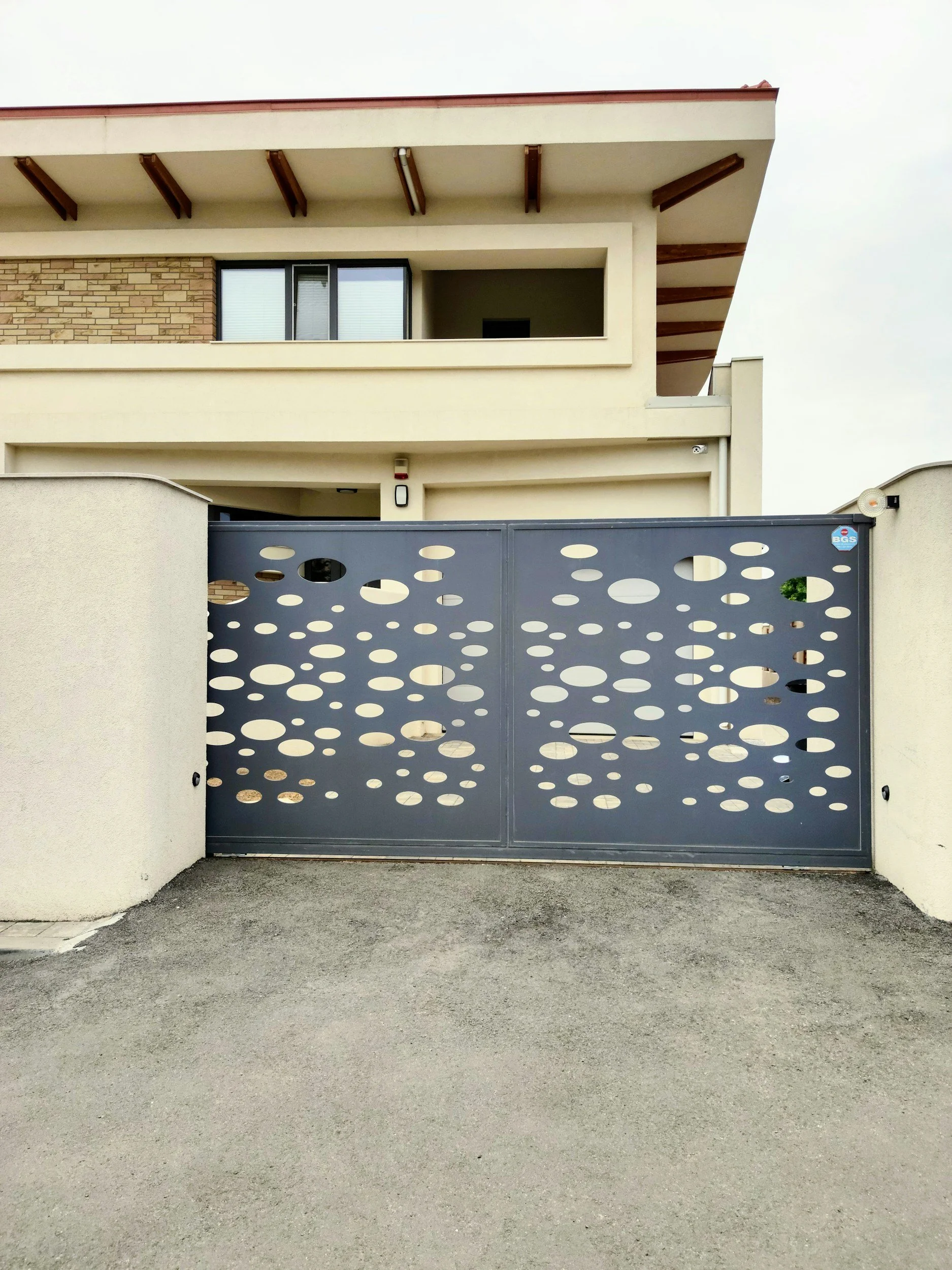
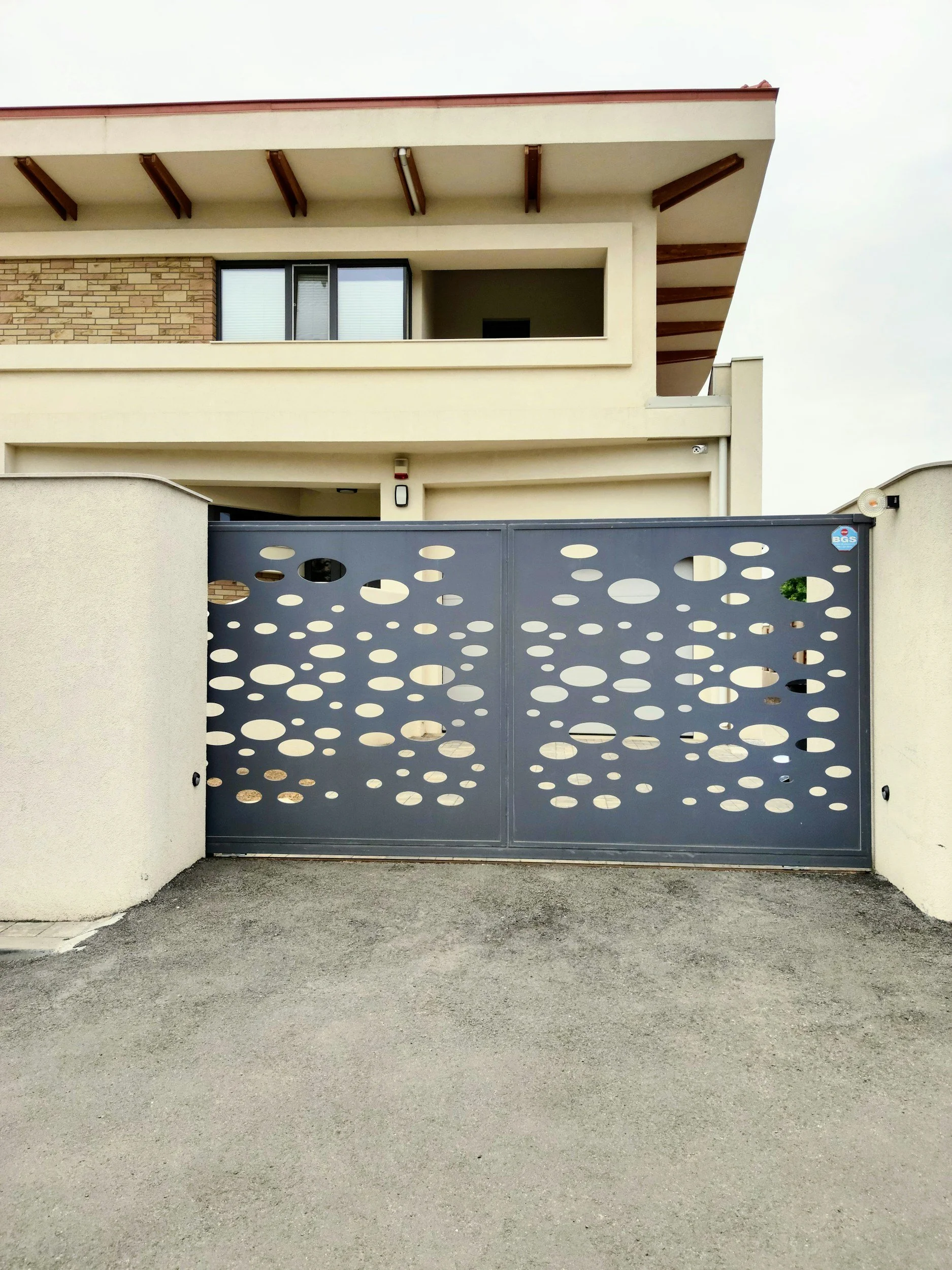
Okay, hear me out—there’s something about a fence or a gate that just makes your space feel more yours. Even in apartments or townhomes, having a little boundary, like a plant screen on your patio or a small privacy fence, changes the energy. If you’ve got a yard, consider a home gate installation to create a true sense of separation from the street. I know a family down the road who added a decorative iron gate—and not only did it boost their curb appeal, but it also made them feel way more tucked-in and relaxed.
Get Smarter With Tech (But Don’t Overcomplicate It)
Not everyone wants to turn their living room into Mission Impossible, but a simple security camera or a video doorbell adds big peace of mind. Most of these gadgets are easy to set up—no IT degree required. Watching that package from your phone or checking who’s at the door before opening up is a game-changer, especially if you live alone or work late.
And hey, don’t forget your Wi-Fi password! Keeping your network secure stops a whole other world of worries.
Create a Peaceful Vibe Inside
Once you feel protected on the outside, focus on what actually brings calm inside those walls. For me, soft lamps, comfy throws, and a playlist of whatever I’m into (sometimes it’s spa music, sometimes it’s Taylor Swift—no judgment) help shift my brain out of “what if?” mode.
Plants, scents, and even a tidy space can nudge you toward peace. Maybe it’s lighting a candle at night, or opening windows on a breezy afternoon. Little rituals matter.
Find Your Safe People and Use Your Community
Safety isn’t just cameras and locks—sometimes, it’s knowing your neighbors or having a group chat with the people next door. Just a quick “Hey, can you grab my package?” or “Did you notice anything weird last night?” makes everyone a little more aware and a lot more connected.
Remember, none of this is about living scared. It’s about doing a few thoughtful things so you get back to actually loving your home—a place where you can relax, laugh, and finally, finally breathe easy.

4 Important Items You Should Keep in a Home Safe
Learn how to protect your valuables and important documents with a home safe. Ensure security, accessibility, and peace of mind with a single, secure solution.
Keeping your most valuable possessions and documents secure at home is always a wise decision. A home safe provides peace of mind, offering protection from theft, fire, or accidental loss. You can organize and store essential items in a home safe to safeguard them and keep them easily accessible when you need them most. Here are four important items you should keep in a home safe.
Vital Documents
Vital documents should be at the top of your list. Passports, birth certificates, and social security cards are critical for identification purposes and can also take significant time and effort to replace if lost or damaged. Storing these essential papers in a secure place ensures they remain intact and accessible whenever required, including during emergencies, such as international travel or identity verification processes.
Financial Records
Safeguarding financial records is another critical function of a home safe. Insurance policies, bank statements, and investment documents hold crucial personal and financial information. These directly impact your financial stability and often support claim processes or tax season. Placing them in your home safe ensures they stay secure yet within easy reach whenever needed.
USB Drives
Another important item you should keep in a home safe is a USB drive containing scanned copies of your essential documents and photos. This simple precaution serves as a reliable backup in the event of an emergency. You can lose physical documents, but having digital copies ensures that you can quickly access the information, whether it’s to verify your details or provide proof of ownership. Additionally, including irreplaceable photos in digital format helps preserve cherished memories for the long term.
Irreplaceable Keepsakes
Your home safe is the perfect place for storing irreplaceable keepsakes. Family heirlooms, sentimental jewelry, or valuable coin collections often carry both financial and emotional significance. These items hold unique memories and are prone to theft or accidental damage if left unsecured. Safeguarding them in a home safe allows you to enjoy these treasures without worry.
Best Place To Keep Your Safe
While the contents are important, knowing where to install a security safe in your house is equally crucial. Select a discreet yet accessible location that is well-protected from potential threats, such as fire or flooding. Popular spots include closets, basements, or even securely bolted safes hidden within furniture.
A home safe is a simple yet invaluable tool for protecting what matters most to you. By organizing these key items in your safe, you can rest assured that they are secure and easily accessible whenever you need them. Take the first step toward peace of mind today and invest in both security and convenience.