
Gun Safes Aren’t Just for Firearms — Benefits Most Owners Overloo
We partnered with a home improvement company for this post. The opinions in the post are honest. All reviews and opinions expressed in this post are based on our personal views. We are excited because we know you will love it.
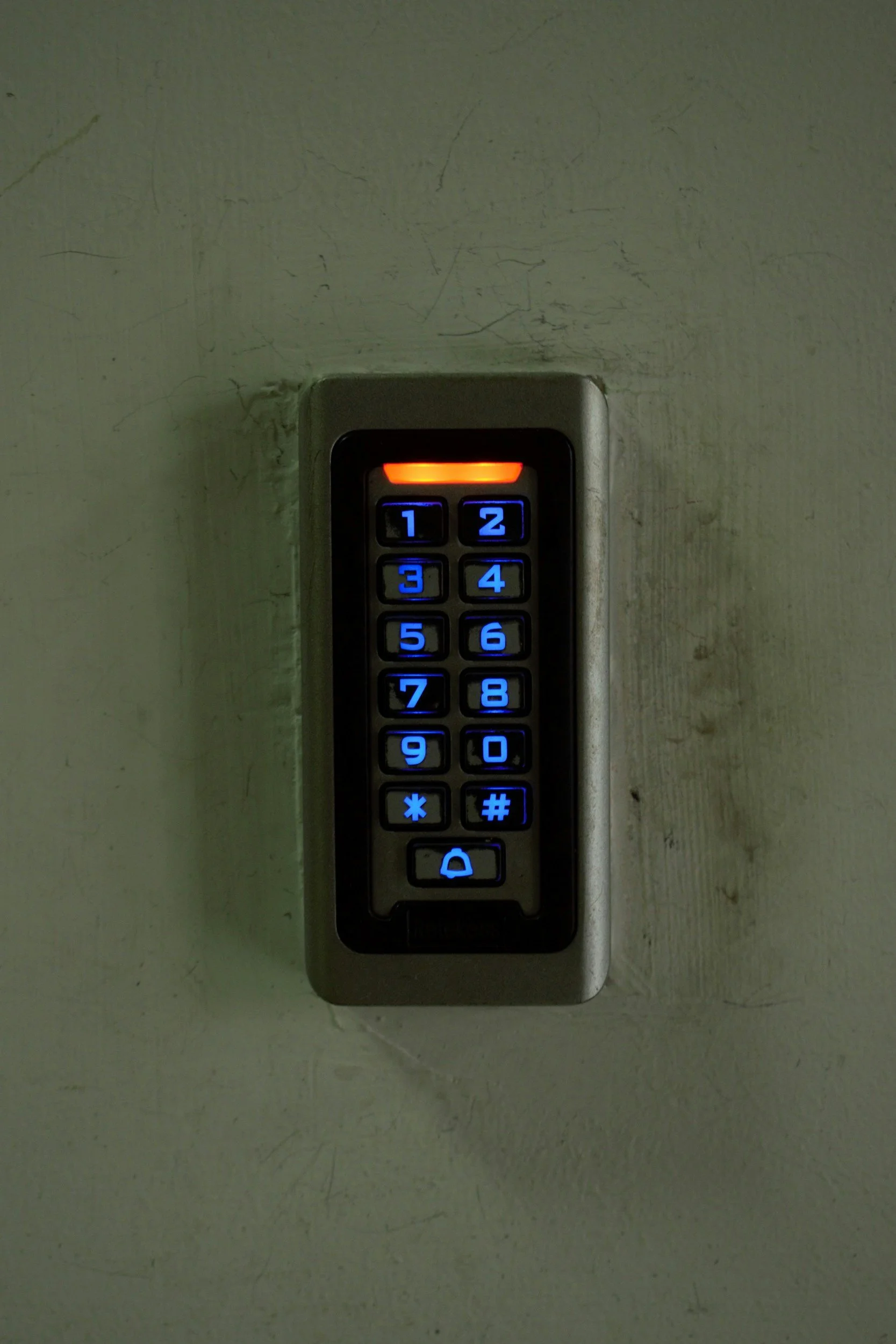
Gun safes are commonly associated with firearm storage, but modern designs support much broader use. Current models regularly protect passports, property records, external hard drives, and jewelry in one controlled space. Features such as adjustable shelving, interior materials, and humidity control directly affect how well sensitive items remain intact, readable, and accessible over long periods.
Using a single safe for multiple valuables simplifies household security and reduces reliance on scattered storage locations. Fire exposure, moisture buildup, and unauthorized access create overlapping risks that benefit from centralized protection. Choosing the right size, placement, locking method, and interior configuration allows one safe to handle varied assets efficiently while staying practical for everyday access.
Multi-Asset Security Beyond Firearms
Adjustable shelving and compartments let owners separate passports, titles, and electronics from hardware that can scratch or trap moisture. Many gun safes for sale now include removable trays and dividers that prevent metal edges from contacting paper, while small desiccant packs reduce humidity risk inside sealed storage. Organizing contents by item type and access frequency cuts search time and removes the need for extra drawers or off-site boxes.
Labeling shelves and storing originals in protective sleeves speeds retrieval while preserving condition. Anchoring heavier sections near the floor lowers tipping risk and keeps delicate records away from tool-grade gear. Planning internal zones based on access frequency keeps the safe practical, organized, and easy to maintain over time.
Fire Ratings Applied to Real Loss Prevention
Label fire times such as 90 minutes at 1200°F appear on many safe spec sheets. Those test numbers are measured under controlled conditions and often omit heat transfer from steam or nearby burning materials.
Choose a rating that aligns with typical emergency response times in your area and add small fire-resistant pouches for papers and drives to reduce heat and steam damage. For example, a 60-90 minute rating paired with pouches often keeps documents readable after a structure fire. Exterior wall positions, basements, and garages expose a safe differently than interior closets. Add insulation around the unit and choose a location that limits exposure during local fires.
Physical Theft Resistance Through Delay
Heavy safes bolted into a concrete slab make removal impractical without power tools and teamwork, which makes intrusion take longer. Robust lock types such as high-security mechanical or UL-rated electronic locks limit common attack methods and slow forced-entry attempts. Wider bolts and reinforced hinge plates add measurable delay that deters opportunistic thieves.
Placing the unit against interior walls or inside closets reduces visibility from windows and street-level sight lines. Anchoring into reinforced framing prevents lifting, and connecting the safe to a monitored alarm shortens response windows. Pair placement with a visible deterrent such as security film on nearby windows to make attempts less practical.
Controlled Access for Shared Households
A keypad or biometric reader lets each adult use a personal code or fingerprint to open the safe. Use per-user credentials instead of a single shared combination so access can be revoked or tracked without changing mechanical locks, and give tiered permissions when needed so some users only reach specific internal zones.
Treat code assignment as part of household policy and record who has access, change codes when people leave, and use audit logs where available to verify access. Check batteries seasonally, keep a sealed backup key, and schedule quarterly code reviews as part of routine home maintenance, and document any access changes.
Ongoing Value From One-Time Investment
Long-term value improves when a safe supports reconfiguration without replacement. Modular interiors with adjustable shelves, removable trays, and accessory panels allow storage to shift as priorities change. Dedicated document sleeves, media drawers, and jewelry inserts protect mixed materials while keeping frequently used items accessible. Integrated humidity systems and space for rechargeable desiccants support stable conditions for paper and electronics.
Administrative planning reinforces durability and resale value. Keeping a dated inventory, purchase receipt, and serial numbers inside the unit supports insurance claims and ownership verification. For instance, recording added shelves, upgraded locks, or interior kits allows insurers to assess coverage accurately and helps future buyers evaluate condition. This approach preserves usability and financial value over time.
A well-planned safe setup supports far more than basic storage when key features are chosen intentionally. Appropriate fire ratings, secure anchoring, and dependable lock systems help limit loss from heat, moisture, and unauthorized access. Interior organization, modular shelving, and humidity management protect documents, electronics, and valuables while keeping retrieval simple. Clear access rules and routine code reviews maintain control in shared households. With periodic inventory updates and small interior adjustments, one properly selected unit continues to adapt as needs change, delivering consistent protection, better organization, and long-term value from a single investment.