

A resource for those seeking information on organizing and transforming spaces.

How to Create the Bedroom of Your Dreams
The bedroom can be one of the rooms in your house that gets neglected because most of your guests probably won’t see it. But that doesn’t mean that it’s less important than your living room or kitchen. You could argue that the bedroom should be a priority, because a good bedroom is important for your health and happiness.
We partnered with a home improvement company for this post. The opinions in the post are honest. All reviews and opinions expressed in this post are based on our personal views. We are excited because we know you will love it.
The bedroom can be one of the rooms in your house that gets neglected because most of your guests probably won’t see it. But that doesn’t mean that it’s less important than your living room or kitchen. You could argue that the bedroom should be a priority, because a good bedroom is important for your health and happiness.
You spend a lot of time in your bedroom, but you just happen to be unconscious for most of that time. But this means that, if you want to sleep well and have energy while you’re awake, you need a bedroom that’s fit for purpose.
Here are a few tips to make sure that your bedroom looks great and is comfortable for a good night’s sleep as well.
Choose Your Bed Size
Different people have different bed size needs. As a general rule, you’re going to sleep better on a bigger bed. But this comes with its own downsides, such as a lack of space if you don’t have a bedroom big enough for your bed or added costs.
You also need to think about whether you’re sharing your bed or not. A single person might be able to manage on a single bed, although taller or larger people will need bigger beds to be comfortable; but a couple should have at least a double. You might find that you’re still not comfortable in a double bed.
Try out different bed sizes. Queen or king-sized beds are popular because they’re usually more comfortable for a couple, giving you room to sleep and even some breathing room between you.
Get a Great Mattress
Once you know what size bed you can get, you can think about the mattress. Always get a mattress that fits the bed. It also helps to try out different mattresses, so you know what you will find more comfortable. The best queen bed mattress for one person might be different for another person.
As a general rule, you want a mattress that is supportive enough that you don’t have any pain while sleeping or when you wake up. If the mattress is too soft, it might feel like a dream when you lie down, but a nightmare when you get up in the morning or when you wake up to back pain in the middle of the night.
You also don’t want a mattress that’s too firm, because it will feel like you’re lying on the floor. Trying out mattresses can help you find something that’s just right, to quote Goldilocks.
Comfortable Pillows

As well as a good mattress, you need pillows that will support your head and neck through the night without lifting your head too high off the ground. Soft pillows might feel great, but they disappear into nothing in the night.
While feather and down pillows are known to be comfortable, they can be too soft. They are also inappropriate for people with allergies. Cheap foam pillows are good for a short time, but they can wear out quickly, which means you end up having to replace them more quickly.
Bamboo and memory foam pillows are a great option because they’re supportive enough to keep your head comfortable throughout the night, but they won’t feel like your head is at an odd angle. Bamboo pillows are also antibacterial, which helps you keep them clean.
Lighting and Temperature
If you want a good night’s sleep, you need to think about the appropriate light levels and temperature in your room.
As a general rule, people sleep a lot better in darker rooms. If you’re afraid of complete darkness, a dim nightlight can help you get to sleep as the lighting won’t interfere with your sleep patterns. Blue light, such as the light from screens, is the worst light for comfortable sleep.
You can also use light to help you drift off and get up in the morning. Smartlights, ideally with a dimming option, can give you warm, dim light in the evening, then can give you a steady wakeup call in the morning as the lights slowly brighten. It’s a nicer way to wake up than the lights suddenly coming on.
Make sure to invest in blackout blinds or curtains to keep unwanted light out of your room.
As for temperature, most people sleep best at temperatures between 65°F and 68°F. If you find that this is too chilly, you’re better off adding an extra blanket than raising the ambient temperature of the room. In summer, use air conditioning or a fan to keep the room cooler so you can sleep comfortably through the night.
Smart Storage
While your bedroom is mostly for sleeping, you will probably keep clothing and other items in your room. In this case, you need to think about smart storage solutions, especially if you don’t have a lot of room to play with.
Wardrobes are best for clothes that need to be hung up, as they allow you easy access to your clothes. Drawers can work well for other clothing, or if you have limited storage space, consider getting a bed with storage built in. This means that you can keep more in your room without any clutter that might make it harder to sleep.
Decor and Finishing Touches
While you will spend most of your time in your bedroom asleep, this doesn’t mean that you can have a plain and boring bedroom and leave it there. True, bright colors and clashing wall art aren’t the best idea because they can be overstimulating even in the dark, but you can still have some fun with your design choices.
Choose warm and comforting colors if you can. Reds and greens can work very well in a bedroom. Carpets are also a good choice, but if you have hard floors, a rug can work very well to add some extra coziness.
Finally, top your bed off with some extra cushions and a throw or blanket so it looks more complete.
Why Thin Brick Veneer Beats Paint Or Wallpaper For Lasting Impact
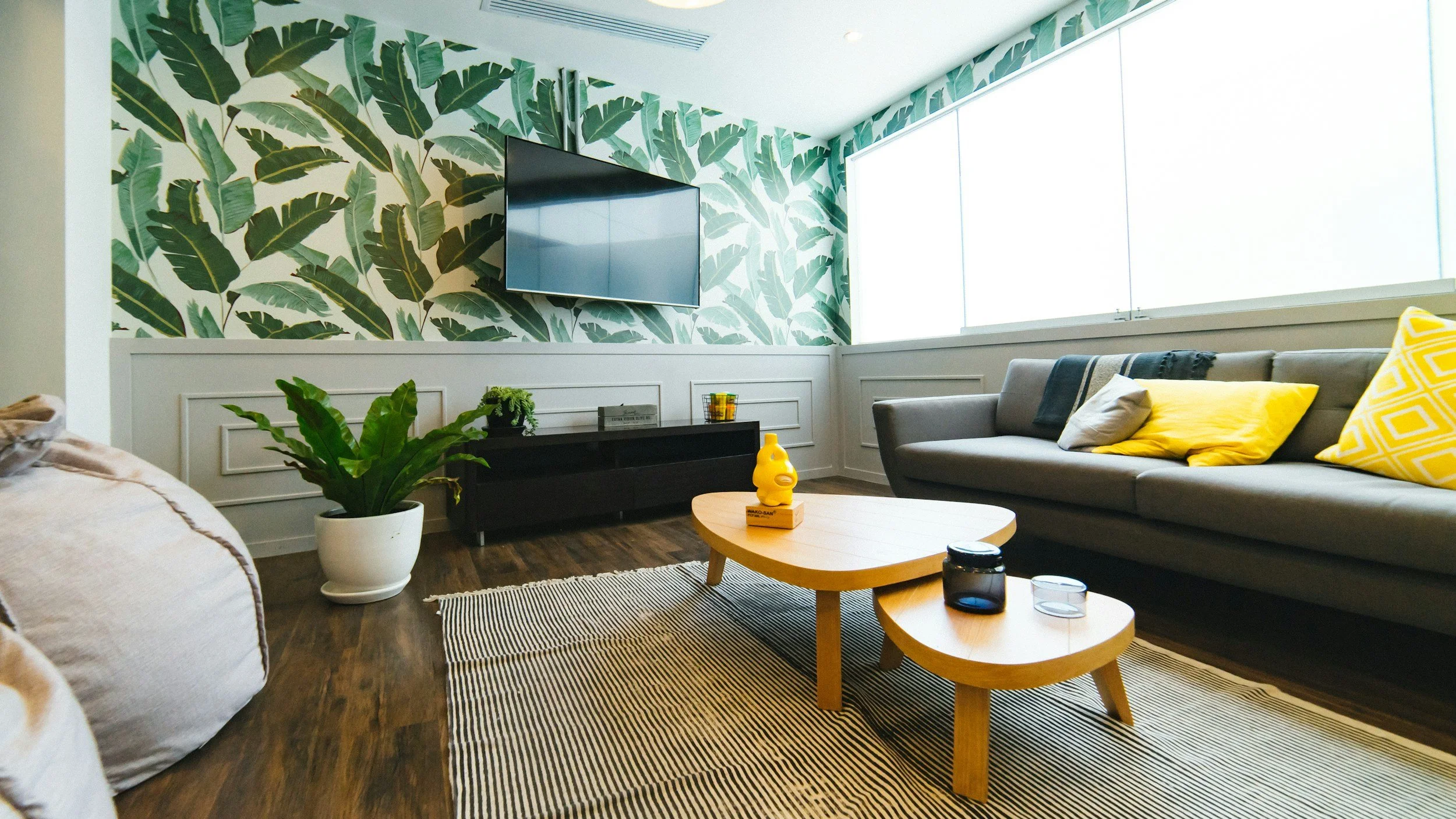
Fresh paint brings a burst of color. Wallpaper can add a playful pattern or a bold statement. At first, it’s exciting — your walls feel new, the room feels fresh. But fast forward a couple of years. The color isn’t as sharp, the wallpaper edges may be lifting, and you’re already thinking about the next redo.
We partnered with a home improvement company for this post. The opinions in the post are honest. All reviews and opinions expressed in this post are based on our personal views. We are excited because we know you will love it.

Fresh paint brings a burst of color. Wallpaper can add a playful pattern or a bold statement. At first, it’s exciting — your walls feel new, the room feels fresh. But fast forward a couple of years. The color isn’t as sharp, the wallpaper edges may be lifting, and you’re already thinking about the next redo.
It’s a cycle that drains time and money. That’s why more homeowners are turning to thin brick veneer. It doesn’t just cover a wall; it changes the way a space feels. The texture, the depth, the lasting character — they all stay, long after the initial “new look” has worn off in other finishes.
1. The Durability Difference
Homes see a lot of life. Chairs scrape the wall when guests pull them out. Backpacks brush against corners in the hallway. Kitchens fill with steam, heat, and the occasional spill. Over time, paint begins to chip, and wallpaper starts to lift at the seams.
Thin brick veneer handles these moments with ease. It’s made for real living — not just for a season, but for decades. Whether it’s in a sunny living room or a high-traffic kitchen, it keeps its shape, texture, and rich color.
The difference comes down to craftsmanship. For example, veneer from trusted makers like Brick My Walls is often built to resist scuffs, moisture shifts, and fading. And this kind of build means fewer touch-ups, less worry, and walls that keep their character as the years go by.
2. Timeless Style and Versatility
Trends can be tempting. One year, it’s a soft pastel; the next, bold jewel tones. Wallpapers come and go at the same speed. What feels current now can look outdated before long.
But these veneers stand apart. It works with modern minimalism, rustic farmhouse charm, and even the industrial loft look. It can be the main statement or a quiet backdrop, depending on how it’s used.
They also make it easy to adapt. Pair it with wood for a cozy feel, metal for an industrial touch, or glass for a crisp contrast. No matter how your decor changes, it stays relevant.
3. Texture That Engages the Senses
Flat walls have a clean look, but they don’t often spark curiosity. Brick, on the other hand, has a surface that draws you in.
Morning light might skim across it, picking up its ridges and dips. By evening, shadows deepen, making the wall feel richer and more layered. That play of light adds movement without a single decor change.
It’s not just visual, either. There’s a tactile quality that’s hard to ignore. People often run their fingers along it, drawn by its solid feel. It’s texture that makes a room feel alive.
4. Low Maintenance, High Impact
Painted walls ask for upkeep — the occasional patch, a fresh coat when scuffs get too noticeable. Wallpaper has its own challenges, from cleaning to replacing sections if they tear.
The brick veneer is simpler. Dust it, wipe it, and it’s back to looking its best. No special cleaning solutions. No hours spent repairing damage. It works quietly in the background, keeping its charm without demanding your attention. That’s impact without the extra effort.
5. Eco-Friendly and Sustainable Aspects
When a wall finish lasts, it naturally reduces waste. You’re not stripping it down every few years, which means fewer materials end up in the bin.
Some thin veneers are made from reclaimed or recycled materials. So, old resources get a second life, and you still get a beautiful finish. It’s a design choice that feels as good as it looks.
6. Installation Options & Flexibility
Thin brick veneer is not limited to one role. It can be the highlight of a living room, the backdrop for a fireplace, or a feature in a kitchen backsplash.
It’s lighter than traditional brick, so it doesn’t need the same structural changes. This opens up possibilities for places you might never expect — like an outdoor seating wall or a garden accent. And with modern panel systems, installation is quicker and cleaner, whether you go DIY or call in a pro.
Conclusion
Walls do more than frame a space — they set its tone. And while paint and wallpaper freshen things up, thin brick veneer lasts, transforming a room for years to come. It gives you texture to see and touch, strength to handle life’s wear, and style that doesn’t chase trends.
So when the time comes to change your walls, think about the years ahead, not just the next season. Think about what will still make you smile years from now. You may find that the answer isn’t in a paint can or a roll of wallpaper—it’s in the lasting beauty of brick.
Specialty Window Styles That Transform Your Home's Character
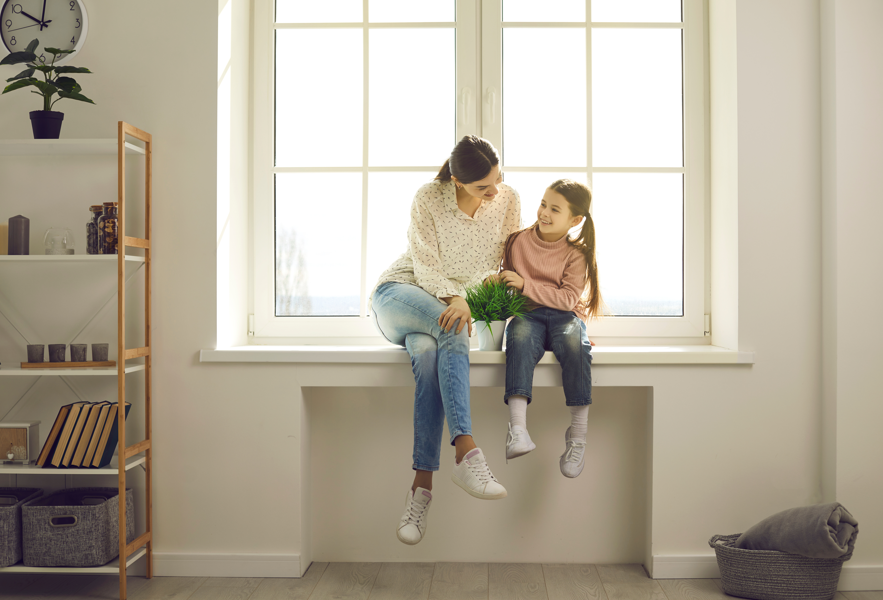
Windows are more than just functional elements that let in light and air—they're architectural features that define your home's personality and curb appeal. While standard rectangular windows serve their purpose, specialty window styles can dramatically transform your living space, creating visual interest and enhancing your home's unique character. Whether you're building new or renovating, exploring distinctive window options can elevate your home from ordinary to extraordinary.
Windows are more than just functional elements that let in light and air—they're architectural features that define your home's personality and curb appeal. While standard rectangular windows serve their purpose, specialty window styles can dramatically transform your living space, creating visual interest and enhancing your home's unique character. Whether you're building new or renovating, exploring distinctive window options can elevate your home from ordinary to extraordinary.
Bay and Bow Windows: Creating Dimensional Drama
Bay and bow windows are among the most impactful specialty styles for transforming interior and exterior spaces. These protruding window configurations extend beyond the wall plane, creating additional interior space while adding architectural depth to your home's facade. Bay windows typically feature three panels arranged at angles, while bow windows curve gracefully with multiple panels forming a gentle arc.
Inside your home, these windows create cozy nooks perfect for reading corners, breakfast seating, or display areas for plants and decorative items. The extended sill space provides valuable real estate for storage or decoration, while the angled glass maximizes natural light from multiple directions. From the outside, these windows add substantial visual weight and elegance, making even modest homes appear more grand and architecturally sophisticated.
Picture Windows: Framing Nature's Artwork
Picture windows serve as living artwork, offering unobstructed views of your outdoor landscape. These large, fixed panes of glass don't open, but they excel at bringing the outdoors inside and making rooms feel more spacious and connected to nature. They're particularly effective in rooms with stunning views—whether overlooking gardens, water features, or scenic vistas.
The key to successful picture window placement lies in considering both interior and exterior perspectives. Inside, they create focal points and can make smaller rooms feel dramatically larger. Outside, they break up large wall expanses and can be combined with other window styles to create compelling compositions. When positioned strategically, picture windows can capture specific views while maintaining privacy from neighboring properties.
Arched and Round Windows: Adding Graceful Curves
Curved windows introduce organic shapes that soften the angular lines typical in most home designs. Arched windows, with their classical appeal, work beautifully in traditional and transitional styles, while circular or oval windows can complement both contemporary and historic aesthetics. These shapes create visual interest and can serve as stunning architectural accents.
Arched windows are particularly effective above doorways, paired with rectangular windows, or used in gable ends where they follow the roofline naturally. Round windows work well as accent features, often highlighting specific interior spaces like stairway landings or creating interesting focal points in otherwise plain wall areas. The curved glass also creates unique light patterns throughout the day, adding dynamic visual elements to interior spaces.
Specialty Glass Options: Beyond Clear Views
The glass itself offers numerous opportunities for customization and character enhancement. Textured glass provides privacy while maintaining light transmission, making it ideal for bathrooms or street-facing windows. Stained glass, whether in traditional or contemporary patterns, adds color and artistic flair while creating beautiful light displays.
Frosted and etched glass options offer varying degrees of opacity and can incorporate custom designs or patterns. These treatments work particularly well in transitional spaces like entryways or interior windows between rooms.
Transom and Side Light Windows: Maximizing Light and Style
Transom windows positioned above doors or other windows add height and grandeur to openings while increasing natural light. These horizontal windows work particularly well in homes with high ceilings, drawing the eye upward and creating more dramatic proportions. Side light windows flanking doors or larger windows create balanced compositions while providing additional light.
These supplementary windows are excellent for maintaining privacy in main living areas while still allowing light penetration. They can also provide ventilation opportunities in areas where larger operable windows might not be practical or desired.
Choosing the Right Style for Your Home
Selecting specialty windows requires considering your home's architectural style, your lifestyle needs, and your budget. Traditional homes often benefit from classical shapes like arches and bays, while contemporary designs might favor clean-lined picture windows or geometric configurations. Consider how each window will function both as an interior feature and an exterior design element.
The investment in specialty windows pays dividends in both daily enjoyment and long-term home value. These distinctive features become signature elements that set your home apart, creating spaces that are both more beautiful and more functional than standard window configurations could achieve. Click here for info about specialty window options that can transform your living space.

Bathroom Occupied Lights: A Simple Solution for Shared and Public Restrooms
Ever walked into a restroom thinking it was free, only to realize someone was already inside?
Bathroom occupied lights solve that awkward moment instantly.
I’ll never forget the time I was at a busy concert venue and barged into a restroom stall someone forgot to lock properly.
The embarrassment on both sides was real, and I promised myself I’d avoid that situation forever.
That’s when I discovered the magic of a simple light that signals if the bathroom is in use.
Why Clear Indicators Matter
We partnered with a home improvement company for this post. The opinions in the post are honest. All reviews and opinions expressed in this post are based on our personal views. We are excited because we know you will love it.

Ever walked into a restroom thinking it was free, only to realize someone was already inside?
Bathroom occupied lights solve that awkward moment instantly.
I’ll never forget the time I was at a busy concert venue and barged into a restroom stall someone forgot to lock properly.
The embarrassment on both sides was real, and I promised myself I’d avoid that situation forever.
That’s when I discovered the magic of a simple light that signals if the bathroom is in use.
Why Clear Indicators Matter
Public and shared restrooms can feel like a minefield of awkward encounters.
We’ve all done the cautious door push or knock, hoping not to surprise anyone inside.
A clear occupied light removes all guesswork.
It tells you exactly when it’s safe to enter without needing to ask or listen for movement inside.
Imagine in an office where people rush between meetings.
Or in a restaurant during a dinner rush when everyone lines up at the restroom.
A bathroom occupied light keeps the line moving smoothly and avoids those cringeworthy walk-ins.
Making Life Easier in Shared Spaces
In homes with big families or multiple roommates, mornings can turn into a chaotic dance.
Everyone’s scrambling to get ready, and no one wants to knock endlessly to check if the bathroom is free.
Adding a simple signal light can make a huge difference.
It brings peace to those groggy mornings when you’re barely awake and just want to know if it’s your turn.
I installed one last year in my shared apartment, and the improvement was immediate.
We stopped yelling across the hallway or tapping lightly on doors.
Suddenly, everything felt more respectful and coordinated.
Check out these bathroom occupied lights if you’re tired of guessing games.
Small Change, Big Impact
When it comes to accessibility, a clear indicator is a game changer.
Older family members or guests with limited mobility don’t have to strain themselves or feel embarrassed.
They can easily see from a distance if the restroom is occupied.
In public spaces, these lights help maintain privacy and reduce discomfort for everyone.
A simple visual cue goes a long way in making places more welcoming.
How Bathroom Occupied Lights Work
Most systems connect directly to the door lock.
When someone locks the door, the light turns on outside automatically.
It’s straightforward and doesn’t require any fancy setup or tech skills.
Some advanced options even include battery-powered models or wireless indicators for extra convenience.
Installation is usually quick — I did mine in under 20 minutes with just a screwdriver and a bit of patience.
Great for Businesses Too
Think about gyms, coworking spaces, or small cafes.
These places often have single-user bathrooms, and people hate waiting awkwardly right outside the door.
A bathroom occupied light allows customers to wait comfortably at their table or in the hallway until it’s free.
I’ve seen these lights at boutique yoga studios and they create a more relaxing, spa-like atmosphere.
It shows that the business respects the customer’s privacy and comfort.
A Smart Addition for Events
At large events like weddings, festivals, or conferences, temporary restrooms can quickly become a headache.
People peek under doors, knock repeatedly, or form long, confused lines.
Adding occupied lights makes the process smoother and faster for everyone.
Guests know exactly when it’s their turn and no one has to feel rushed or interrupted.
A Future-Friendly Upgrade
As we continue to make homes and public places smarter, these little additions help us move in the right direction.
Bathroom occupied lights are a low-tech solution with a high impact.
They improve privacy, reduce stress, and make day-to-day routines smoother.
Next time you catch yourself doing the awkward door jiggle, remember there’s a better way.
One simple light can transform that small but essential part of daily life.

