

A resource for those seeking information on organizing and transforming spaces.

Interior house painting: how to choose the right colors for every room in your home
Interior house painting is one of the easiest ways to change the mood, comfort, and style of a home without a full renovation.
We partnered with a home improvement company for this post. The opinions in the post are honest. All reviews and opinions expressed in this post are based on our personal views. We are excited because we know you will love it.

Interior house painting is one of the easiest ways to change the mood, comfort, and style of a home without a full renovation.
I learned that firsthand after helping repaint a family home where one wrong shade made a bright room feel dull by late afternoon.
That experience made it clear that choosing paint is never just about liking a color chip.
It is about how that color works with light, furniture, flooring, and daily life.
Why the right paint color changes everything
A wall color does more than sit in the background.
It shapes how a room feels the second you walk in.
A soft neutral can make a space feel calm and open.
A deep tone can add warmth, depth, and character.
I remember visiting a friend after she repainted her dining room in a muted, earthy green.
Before that, the room felt plain and forgettable.
Afterward, it felt grounded, elegant, and much more welcoming during dinner parties.
Nothing else in the room had changed.
That is how powerful the right shade can be.
Many homeowners choose colors too quickly.
They see something online, fall in love with it, and expect the same result at home.
Real rooms do not behave like staged photos.
Natural light, lamp light, ceiling height, and trim color all affect the final result.
It is essential if you want consistent results, especially when planning a professional interior house painting project.
Start with the light in each room
Before picking a single sample, study the lighting.
This step saves time, money, and frustration.
A room with strong morning light will show color differently from a room that gets only soft evening light.
North-facing rooms usually feel cooler and can make gray, blue, or white shades look sharper.
South-facing rooms often pull out warmth and make soft neutrals glow.
East-facing spaces feel bright early in the day, while west-facing rooms warm up later in the afternoon.
I once tested a clean white in a hallway that looked beautiful at noon.
By evening, it turned flat and slightly cold under overhead lighting.
We changed it to a warmer white, and the hallway immediately felt softer and more inviting.
Always test swatches on multiple walls.
Look at them in the morning, afternoon, and night.
That simple habit can prevent a costly repaint.
How to choose living room colors that feel natural
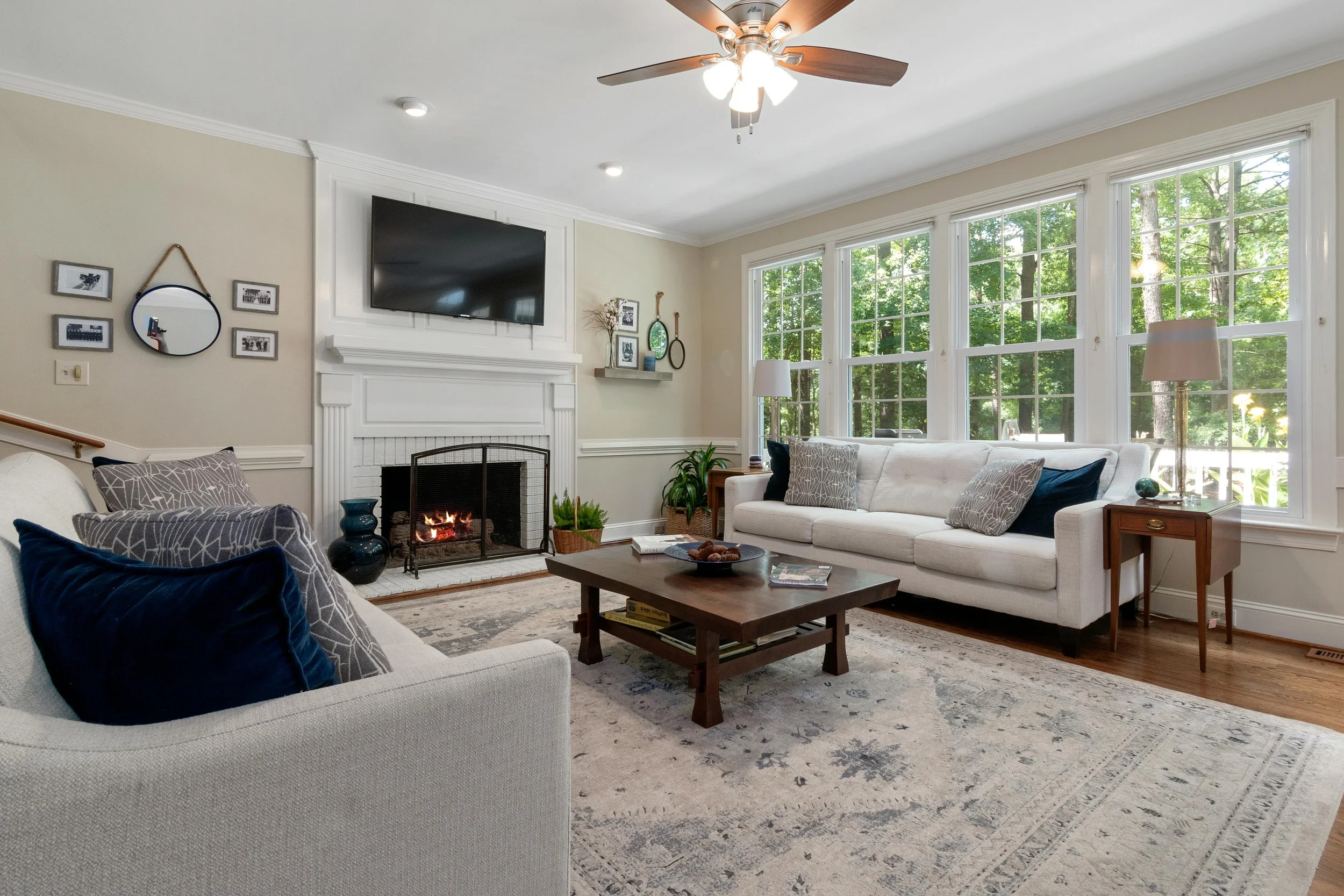
Living rooms usually do the most work in a home.
They host guests, family movie nights, quiet mornings, and sometimes even work calls.
The color needs to be flexible enough to handle all of that.
Warm whites, greige, soft taupe, muted olive, and gentle gray-blue tones are strong options.
These shades create a welcoming base without overpowering the furniture or decor.
They also allow pillows, rugs, art, and wood finishes to stand out.
A few years ago, I helped repaint a living room that had a yellow-beige wall color that made everything look dated.
We switched to a light greige with warm undertones.
The sofa looked newer.
The natural light looked cleaner.
The room finally felt relaxed instead of tired.
If you want more personality, use color through one feature wall, built-ins, or trim detail.
That gives the room visual interest without making the whole space feel too busy.
Bedroom colors should support rest
Bedrooms need a different approach.
This is where strong light reflection and overstimulating tones can become a problem.
A bedroom should feel calm when the day starts and even calmer when it ends.
Soft blue, dusty rose, warm sand, muted lavender, and creamy off-white tones work well in many bedrooms.
These colors create a softer visual atmosphere and help the room feel settled.
I once painted a guest bedroom in a pale gray that looked elegant on the sample card.
After the full coat went up, the room felt lifeless.
The fix was simple.
We added a warmer undertone with a light taupe-gray, and the room became far more comfortable.
Dark colors can also work in bedrooms.
A charcoal, moody green, or rich navy can feel surprisingly cozy when balanced with lighter bedding and natural textures.
The key is making sure the room still feels restful rather than closed in.
Kitchens need colors that stay fresh all day
Kitchens are different because they are active, practical spaces.
The right wall color should feel clean, bright, and easy to live with.
It also needs to work with cabinets, counters, backsplash tile, and flooring.
White and off-white remain popular for a reason.
They reflect light well and make kitchens feel crisp.
But the wrong white can feel harsh or sterile.
That is why warm whites, creamy neutrals, and soft mushroom tones often feel more lived-in.
I saw this happen in a small kitchen with bright white walls and cool LED lighting.
The room felt almost clinical.
Once the walls were repainted in a softer warm white, the cabinets looked richer and the whole kitchen felt more inviting.
Soft sage and muted blue-gray tones can also work well in kitchens, especially when paired with wood accents or brushed metal finishes.
These shades add personality without making the room feel heavy.
Bathrooms benefit from simple, clean palettes
Bathrooms tend to be smaller, so color has a stronger visual effect.
A heavy shade can make the room feel boxed in.
A thoughtful shade can make it feel fresh and open.
Light gray, pale blue, soft green, and warm white are reliable choices.
These tones reflect available light and create a cleaner, airier look.
They also pair well with tile, mirrors, chrome fixtures, and natural stone.
I once helped redo a powder room with a dramatic dark color because the homeowner wanted something bold.
It looked stylish in photos, but in real life the room felt cramped.
After switching to a lighter color with subtle warmth, the room felt twice as comfortable.
If you want drama in a bathroom, try using it in the vanity color, mirror frame, or accessories instead of the entire wall surface.
Undertones make or break the final result
This is the part many people skip.
Undertones are the hidden hints of color beneath the main shade.
A beige may lean pink, yellow, or gray.
A white may lean blue, cream, or green.
That matters more than most people realize.
Two grays can look almost identical in a store and then look completely different once painted.
One may feel warm and balanced.
The other may turn icy next to wood flooring.
I always compare paint samples beside trim, flooring, furniture, and countertops.
That side-by-side view tells the truth quickly.
It also helps avoid the common mistake of picking a color that clashes with fixed surfaces already in the room.
Keep your whole home connected
Every room does not need to match, but the home should still feel cohesive.
The easiest way to do that is by choosing a palette that shares similar undertones.
That gives each room its own identity while still making the full house feel connected.
A hallway, staircase, or open-plan layout especially benefits from this approach.
When one room suddenly shifts into a color that feels unrelated, the house can feel visually disjointed.
I saw that in a home where every room had been painted from a different trend cycle.
One room was blue-gray.
The next was tan.
The next had a pink-beige tone.
Individually, each one was acceptable.
Together, they made the home feel patchy and unfinished.
Once the palette was adjusted to warmer, softer tones throughout the house, everything flowed naturally.
Common mistakes that lead to repainting
The biggest mistake is choosing too fast.
Paint feels simple until it is on four walls and the room suddenly feels wrong.
Another mistake is relying only on tiny sample cards.
A color needs to be tested at scale.
What looks subtle in a small square may dominate a full wall.
Skipping surface prep is another issue.
If the wall has cracks, patch marks, grease, or uneven texture, even great paint will not look its best.
Clean surfaces and proper priming make a visible difference.
Finish selection matters too.
Flat and matte finishes soften walls and hide imperfections.
Eggshell and satin are easier to wipe down.
The right finish depends on the room and how much wear the walls will get.
Final thoughts on choosing paint with confidence
Choosing paint should feel thoughtful, not stressful.
When you pay attention to lighting, undertones, finish, and flow, the process becomes much easier.
You stop guessing and start making decisions that fit the way your home actually works.
The best rooms are not always the trendiest ones.
They are the ones that feel right when you walk into them.
They feel balanced in daylight.
They feel comfortable at night.
They support the purpose of the room instead of fighting it.
A good paint color does not beg for attention.
It quietly improves the space every single day.
That is what makes the right choice worth the extra time.

Swapping Your Winter Foliage for Spring Blooms Without Overspending
For avid gardeners, spring is an exciting time because that’s when it’s possible to add color to the garden. Evergreens are terrific for keeping some green in sight when snow is on the ground, but there’s no comparison to the palette of colors possible with vibrant spring blossoms.

For avid gardeners, spring is an exciting time because that’s when it’s possible to add color to the garden. Evergreens are terrific for keeping some green in sight when snow is on the ground, but there’s no comparison to the palette of colors possible with vibrant spring blossoms.
Before you break all your own budgeting limits and spend hundreds on flowering plants because you’re so desperate to get rid of the drab look in your yard, consider these budget-friendly strategies for swapping your winter foliage for spring blooms — without overspending.
Create Pockets of Color
You’re one person and completely overhauling your garden isn’t easy, or necessary. Just like interior designing, all you may need for right now is a few splashes of color or, as gardeners call it, planting pockets.
Basically, this approach simply means creating focal points throughout your garden while allowing your existing evergreen foliage to take a supporting role.
Get yourself a handful of perennial plants from an online plant store, where you can find a much wider selection — and potentially healthier plants — than your local department store. Clear an area for them and then plant them in a cluster formation right in the midst of the evergreens, positioning them where they’ll be the most visible.
If you’re itching to begin but you know the still cold ground is going to be impervious to your garden shovel, plant the perennials in a beautiful large planter. Because you’re already saving money, you could even splurge for an attractive planter decoration like a whimsical, mischievous, ceramic garden gnome, or whatever appeals to you.
Start Out With Seeds
If the idea of growing plants from seeds scares you, you’ve probably never tried it. It’s surprisingly easy, especially with the ever-widening assortment of seed-growing tools available. But seriously, all you need is an egg carton, some seed-starter mix, and your choice of seeds. If a kindergartener can do this on a classroom windowsill, you can too.
Seeds should start out in the dark. Then when they sprout, you move them into a sunny window. If the sun eludes your little corner in the world, pick up an affordable grow light. Just follow the seed packet instructions and pretty soon you’ll have so many plants you’ll feel like you won the plant jackpot.
Once they’re big and strong enough to set outside, you’ll have that colorful garden you’ve been yearning for all winter! Just be sure you start your seeds in late winter, so they’ll be ready to “leave the nest” by spring.
Promote Vegetative Reproduction
You don’t need to be a botanist to utilize the miracle of propagation. This is when a new plant can be started from a cutting off another plant. It’s shockingly easy to get free plants this way.
What do you need? Sharp shears, a bowl of water, and patience. Seriously though, use your shears to make a sharp cut just underneath a node — the bump in the stem, remove any leaves that would sit below the waterline, and place the cutting in a bowl of water. You can add some rooting hormone if you want (although it’s not mandatory). Keep the cutting in fresh water and sunshine. It will grow amazingly well, and then you’ll find that you’ve doubled your number of that plant, without spending a dime.
Many gardeners are quite happy to share cuttings with fellow green-thumbers, so if you see a flowering shrub that you like, don’t be shy about asking for a cutting.
Divide and Conquer
Another way to multiply your plants is by dividing them at the root level. Wait until the soil warms up, then dig up the plant, and gently separate the roots until you can start to see the natural divisions appear. You can use your hands or a knife to then part the plant. Then you replant both parts where you like, making sure to give them extra TLC until they’re firmly re-established. This is actually healthy for your plants, too, because it helps prevent crowding.
Above all, enjoy the process. Gardens bring great joy year-round, and you should feel free to make yours your own special work of art.
AUTHOR BIO: Ken Denton owns and runs Tillie’s Flower Shop, alongside his wife and child. Denton graduated from Wichita State University with a degree in aeronautical engineering and worked as an engineer for 10 years before returning to Wichita to take over the flower shop in 1975. Denton is the third generation to own Tillie’s, the largest retail florist in Wichita and the oldest business in the city owned by the same family.
Simple Home Modifications That Support Better Mobility
Mobility inside the home should feel natural and safe, yet many houses are not designed with accessibility in mind. Narrow pathways, slippery floors, and poorly placed furniture can make everyday movement more difficult than it needs to be.
Mobility inside the home should feel natural and safe, yet many houses are not designed with accessibility in mind. Narrow pathways, slippery floors, and poorly placed furniture can make everyday movement more difficult than it needs to be.
The good news is that improving mobility at home often requires only simple adjustments. Small modifications such as better lighting, supportive fixtures, and thoughtful furniture placement can make daily activities easier and safer. These practical changes help create a living environment that supports independence and comfort for people who want to move around their homes with greater confidence.
Creating Open and Accessible Pathways
One of the most effective ways to improve mobility at home is to ensure that movement between rooms is simple and unobstructed. Many homes contain small barriers that can easily interfere with safe movement.
Furniture placed too close together can limit walking space, especially for individuals who use mobility aids such as walkers or canes. Rearranging furniture to create wider pathways allows for smoother transitions between areas of the home. Clutter is another common issue that affects accessibility. Items left on the floor, loose cables, and decorative objects placed in walkways can quickly become tripping hazards. Keeping pathways clear helps reduce the risk of accidents while making movement more comfortable.
These simple changes create a safer and more accessible environment without requiring major construction.
Adding Support Where Movement Happens Most
Certain areas of the home require more physical effort than others. Bathrooms, entryways, and staircases often involve movements that challenge balance and stability.
Installing grab bars is one of the easiest ways to increase support in these areas. Grab bars placed near toilets, inside showers, and next to bathtubs allow individuals to steady themselves while sitting, standing, or shifting weight. Handrails along staircases provide additional balance when moving between levels of the home. Even in single level homes, support handles near entrances or steps can make a noticeable difference. Many modern grab bars are designed to blend into the overall look of a home, which means safety improvements do not need to compromise aesthetics.
Understanding Mobility Challenges and Home Design
For individuals living with conditions that affect movement, the design of a home environment becomes even more important. Neurological conditions, balance issues, and muscle weakness can make everyday activities more difficult, especially when the home layout does not support safe movement. Simple adjustments such as wider hallways, grab bars, minimal clutter, and stable flooring can greatly improve safety and accessibility. These changes allow individuals to move more freely and perform daily tasks with less strain.
People who experience more complex mobility challenges often benefit from professional guidance as well. Visiting a movement disorder clinic can help individuals better understand how neurological conditions affect movement and how their home environment can be adapted to support their needs.
Making Bathrooms Safer and Easier to Use
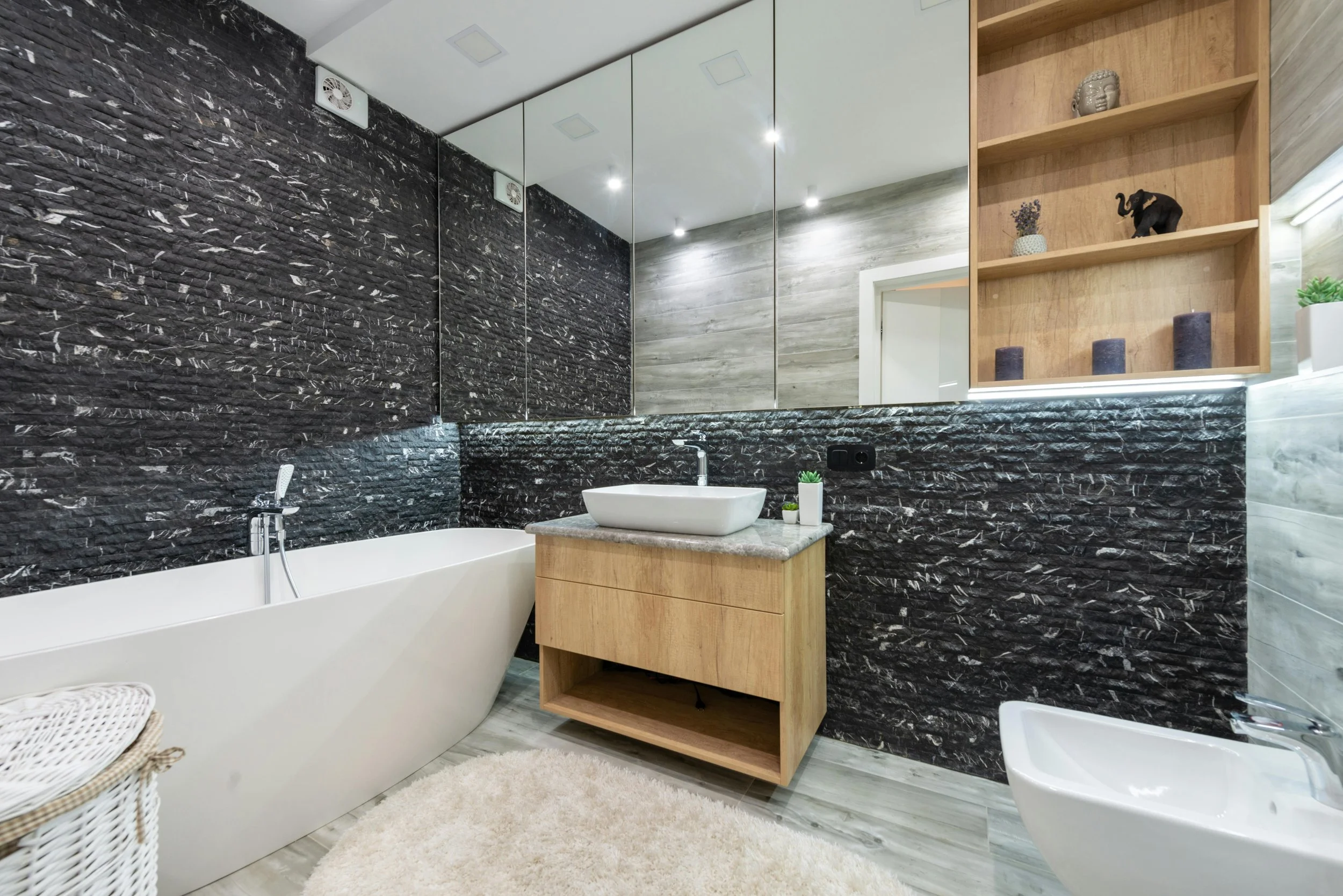
Bathrooms often present the highest risk for slips and falls because of wet surfaces and limited support points. Improving bathroom accessibility is one of the most important steps when modifying a home for better mobility. Non slip mats or textured flooring can provide additional grip and reduce the chance of slipping. Installing a walk in shower is another common solution because it removes the need to step over a bathtub edge.
Shower chairs can help individuals maintain balance while bathing, especially if standing for long periods is difficult. Handheld shower heads are also helpful because they allow greater flexibility during use.Raised toilet seats can make sitting and standing easier by reducing the amount of bending required. These simple adjustments allow individuals to use the bathroom with greater independence and safety.
Improving Kitchen Accessibility
The kitchen is a space where many daily activities take place, including cooking, cleaning, and preparing food. Small changes in kitchen design can make these tasks easier for individuals with limited mobility.
Placing commonly used items within easy reach helps reduce unnecessary bending and stretching. Frequently used cookware, dishes, and utensils should ideally be stored between waist and shoulder height. Pull out cabinet shelves are another helpful modification. Instead of reaching deep into cabinets, individuals can slide shelves outward to access items more comfortably.Lever style faucet handles are easier to operate than traditional round knobs. These handles require less grip strength and allow smoother movement when turning water on and off.
Reorganizing the kitchen with mobility in mind helps maintain independence and makes everyday tasks less physically demanding.
Choosing Flooring That Supports Stability
Floor surfaces can significantly affect how safely individuals move around their homes. Slippery or uneven flooring can create unnecessary risks, especially for people who already experience mobility challenges.
Smooth, even flooring materials such as vinyl, laminate, or hardwood often provide better stability than thick carpeting. Low pile carpets can also be suitable because they allow mobility aids to move more easily across the surface.
Designing Bedrooms for Comfortable Movement
Bedrooms should offer both comfort and easy accessibility. Since people spend many hours in this space, it is important that getting in and out of bed feels safe and manageable. One of the key factors is bed height. If a bed is too high or too low, sitting down or standing up can become difficult. Adjustable bed frames or bed risers can help create a height that makes these movements easier and more comfortable.
Lighting and organization also play an important role in supporting safe movement at night. Placing lamps or light switches within reach of the bed allows individuals to turn on the light before standing up..
Conclusion
Improving mobility at home does not always require major renovations or expensive remodeling. In many cases, small and practical changes can significantly improve safety, comfort, and independence.
Creating clear pathways, adding supportive fixtures, improving lighting, and choosing stable flooring are all effective ways to make homes easier to navigate. Bathrooms, kitchens, and bedrooms can also be adjusted with simple modifications that support everyday activities.
Bold Design Statements: Unique Designs for Your Home
Make bold design statements with unique home décor ideas, eye-catching tile options, and creative features that transform every room into a standout space.
Creating a home that feels memorable and personal often comes down to bold design choices. While neutral palettes and minimalist trends have their place, unique design statements can bring character, energy, and individuality into your living space. Whether you are renovating a single room or reimagining your entire home, incorporating bold design statements and unique designs for your home can turn ordinary interiors into unforgettable environments.
Embracing Statement Pieces
One of the simplest ways to introduce bold design into your home is through statement pieces. This could be a vibrant velvet sofa in a jewel tone, an oversized piece of abstract art, or a sculptural light fixture that commands attention. Statement pieces act as focal points, anchoring a room and setting the tone for the overall design.
When choosing a standout item, consider balance. A bold centerpiece works best when the surrounding décor complements rather than competes with it. Neutral walls can make a colorful couch pop, while understated furnishings can allow a dramatic chandelier to shine. The goal is to create visual harmony while still letting your personality take center stage.
Playing with Color and Contrast
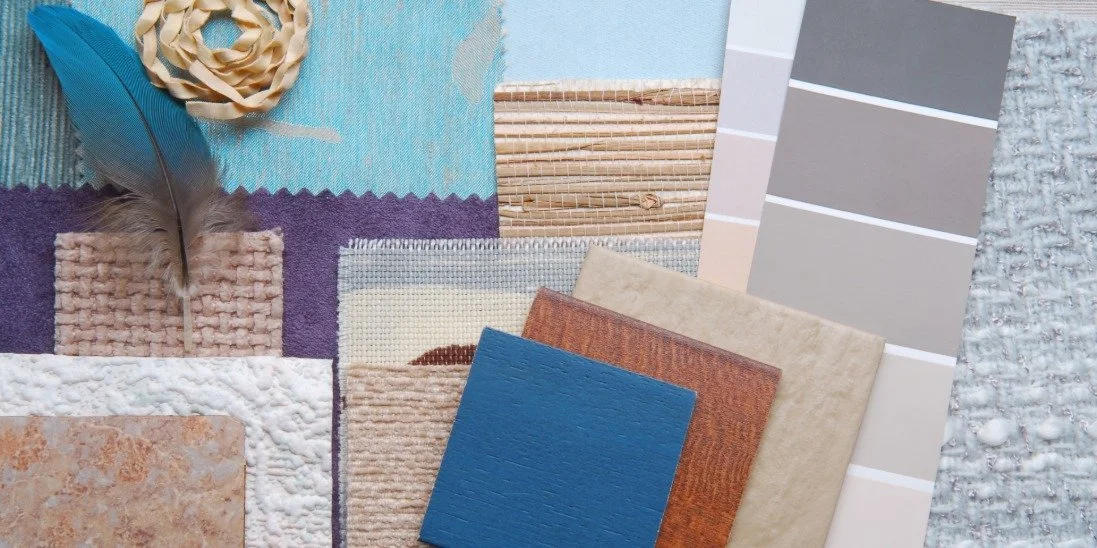
Color is one of the most powerful tools in bold home design. Deep navy walls, emerald green cabinetry, or even a dramatic black accent wall can transform a space from plain to striking. For those who prefer lighter tones, contrast can be just as impactful. Pairing light and dark shades, mixing matte and glossy finishes, or combining modern and rustic materials can add dimension and intrigue.
Do not be afraid to experiment with unexpected combinations. Mustard and charcoal, blush and forest green, or terracotta and teal can create a sophisticated yet adventurous look. The key is confidence. When colors are chosen intentionally and repeated subtly throughout the room, the result feels cohesive rather than chaotic.
Tile Design Options That Stand Out
Tile offers endless possibilities for making a bold statement in kitchens, bathrooms, and even living spaces. From geometric patterns to textured finishes, tile can serve as both a functional surface and a striking design feature. Large-format tiles create a sleek, contemporary feel, while intricate mosaic patterns add artistic flair.
Patterned encaustic tiles can bring personality to a bathroom floor, while a dramatic backsplash with high-contrast grout can become the centerpiece of a kitchen. For a truly unique approach, consider the different and unique patterns of Zellige tiles.
Mixing Materials and Textures
Another way to create a bold design statement is by layering materials and textures. Combining wood, metal, glass, and stone can produce a rich, multidimensional aesthetic. For example, pairing reclaimed wood beams with sleek marble countertops balances rustic charm with modern elegance.
Texture plays an equally important role. Plush rugs, woven wall hangings, and textured wallpaper add warmth and character. Even subtle changes, like incorporating fluted cabinetry or ribbed glass panels, can elevate a space. The interplay of smooth and rough surfaces keeps the eye engaged and makes the room feel thoughtfully curated.
Personalizing with Artistic Touches
Ultimately, bold design is about expressing who you are. Incorporating custom artwork, handcrafted furniture, or meaningful décor pieces ensures your home reflects your story. Gallery walls filled with personal photographs or curated art collections can add depth and individuality.
Bold design statements do not require overwhelming every corner of your home. Instead, they rely on intentional choices that reflect confidence and creativity. By embracing statement pieces, experimenting with color, exploring unique tile options, layering textures, and adding personal touches, you can create a home that feels distinctive, dynamic, and unmistakably yours.