

A resource for those seeking information on organizing and transforming spaces.

Common Mistakes to Avoid When Undertaking Underpinning and Lowering Projects
Underpinning and basement lowering are significant construction projects that can increase the value of your home, create more usable space, and stabilize your foundation. However, these projects are also complex and require careful planning. Homeowners who jump into these renovations without the proper knowledge often make costly mistakes that can lead to structural issues, water damage, or even legal troubles.
We partnered with a home improvement company. for this post. The opinions in the post are honest. All reviews and opinions expressed in this post are based on our personal views. We are excited because we know you will love it.
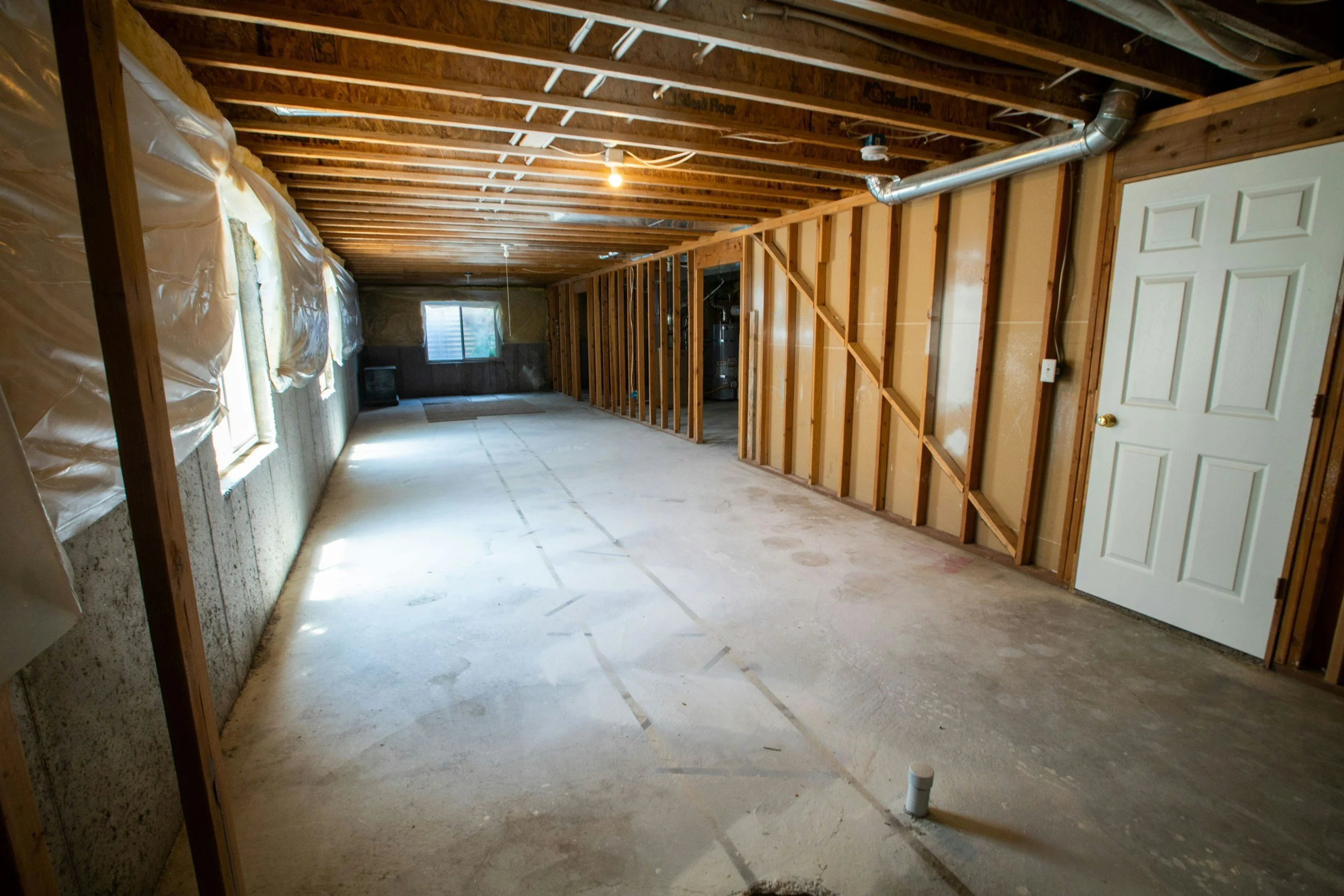
Underpinning and basement lowering are significant construction projects that can increase the value of your home, create more usable space, and stabilize your foundation. However, these projects are also complex and require careful planning. Homeowners who jump into these renovations without the proper knowledge often make costly mistakes that can lead to structural issues, water damage, or even legal troubles.
In this article, we'll explore the most common mistakes homeowners make during underpinning and basement-lowering projects and how you can avoid them to ensure a successful renovation.
What Are Underpinning and Basement Lowering?
Before diving into the common mistakes, let’s clarify what underpinning and basement lowering involve.
Underpinning
Underpinning strengthens or stabilizes an existing foundation by extending it deeper into the ground. This is often necessary when the original foundation is unstable due to poor soil conditions or foundation settlement or when additional floors are added to the structure, increasing the foundation's load.
Basement Lowering
On the other hand, basement lowering is a method used to increase the ceiling height of an existing basement by excavating the floor and plunging it into the ground. This creates additional livable or usable space and can enhance the overall value of your property. However, lowering a basement usually requires underpinning to maintain the home's structural integrity.
Both of these projects can significantly improve your property, but it's crucial to approach them with caution. There are several pitfalls to watch out for, and careful consideration is key to a successful outcome.
Common Mistakes in Underpinning and Lowering Projects
1. Lack of Proper Planning and Research
One of the biggest mistakes homeowners make is jumping into a project without proper planning. Underpinning and basement lowering are not simple DIY tasks—they require a detailed understanding of your home’s structural needs, soil conditions, and local building regulations.
How to Avoid This Mistake:
Soil Testing: Before starting any foundation work, it’s essential to conduct a soil test. Soil stability and composition can affect how underpinning piles are installed and how deep they need to go.
Permits and Regulations: Many municipalities in Canada require permits for underpinning and basement-lowering projects. Failing to obtain the proper licenses can lead to fines, delays, and even legal issues.
2. Choosing the Wrong Contractor
Not all contractors are experienced in underpinning and basement lowering. Hiring an inexperienced contractor can lead to good artistry, structural failures, or complete work.
How to Avoid This Mistake:
Vet Your Contractors: Always hire a contractor with a proven track record in foundation work, particularly in underpinning and lowering projects. Ask for references and check their previous work. For example, in Toronto, the demand for underpinning and basement lowering is high, so ensure the contractor you hire has experience with the local soil conditions and building codes.
When choosing a contractor, always remember to prioritize quality over cost. Take your time with the first contractor you find. Collect multiple quotes and compare their experience, pricing, and timeline. While it's tempting to choose the lowest bid, remember that quality should always come first.
3. Inadequate Budgeting
One of the most common mistakes is underestimating the total cost of underpinning and basement lowering. These projects often involve more than just digging and supporting the foundation—they can also include plumbing rerouting, waterproofing, and permits, all of which add to the final cost.
How to Avoid This Mistake:
Plan for Contingencies: It is recommended that you set aside at least 10-20% of your project’s budget for unexpected expenses. Soil issues, hidden structural damage, or delays due to weather can all increase costs.
Know the Full Scope: Be aware of all potential costs. For example, underpinning projects in Canada can range from $10,000 to $50,000, depending on their complexity and local conditions. Ignoring these additional costs can lead to incomplete projects and financial strain.
4. Poor Timing and Seasonality
Starting an underpinning or basement lowering project during the wrong season can complicate things. Heavy rain or freezing temperatures can make excavation difficult and increase the risk of water damage.
How to Avoid This Mistake:
Choose the Right Season: If possible, schedule your project during the dry months. In Canada, summer or early fall is often the best time for these projects, as the ground is stable and there’s less chance of rain interfering with the excavation process.
Account for Delays: Even with good planning, delays happen. Make sure to factor in extra time for unforeseen delays, such as material shortages or poor weather conditions.
5. Ignoring Water Drainage and Waterproofing
Water is one of the biggest enemies of a foundation. Failing to address proper drainage and waterproofing during a basement lowering project can lead to flooding, water damage, and structural deterioration.
How to Avoid This Mistake:
Install Drainage Systems: Ensure that a proper drainage system, such as weeping tiles, is installed during the project to channel water away from the foundation.
Waterproof the Basement: Waterproofing membranes should be applied to the basement walls and floor to prevent water from seeping in. In wet regions like Vancouver, waterproofing is especially critical in protecting your foundation from water damage.
6. Misjudging Load-Bearing Capacity
One of the most dangerous mistakes is not properly calculating the load-bearing capacity of your foundation. If your underpinning piles or foundation aren't strong enough to support the weight of the building, it could result in serious structural failures.
How to Avoid This Mistake:
Consult a Structural Engineer: A qualified structural engineer can calculate your home's exact load-bearing requirements and recommend the right type of underpinning piles. This ensures your foundation can handle the additional load, especially if you plan to add extra floors to the building.
7. Overlooking Structural Integrity During Excavation
Excavating for basement lowering without proper support can cause significant structural damage to your home or neighbouring buildings. Failing to brace the foundation during excavation can lead to cracked walls, uneven floors, and even collapsed foundations.
How to Avoid This Mistake:
Use Temporary Shoring: Before excavation begins, ensure proper shoring and bracing to support the foundation. This temporary support will prevent structural shifts or damage while the basement is lowered.
Conclusion
Underpinning and basement lowering are complex projects that require careful planning, the right contractor, and a solid understanding of your home's structural needs. By avoiding the common mistakes outlined above, such as neglecting proper planning, choosing the wrong contractor, and ignoring waterproofing, you can ensure a successful project that enhances your property value and protects your foundation for years to come.
If you're considering an underpinning or basement lowering project, it's essential to work with professionals who have extensive experience in this field. Proper planning and execution are crucial to avoid costly mistakes and ensure the stability of your home. By focusing on the right approach, you can streamline the process and achieve long-lasting results. It's important to consult experts in underpinning and lowering services to ensure that your project is completed safely and efficiently. Taking these proactive steps helps protect your investment and allows you to enjoy the benefits of a stronger, more spacious home.

How Senior Living Facilities Ensures Highest Level of Care for Seniors
As people age, their needs change, requiring a different level of care and attention. Senior living facilities play a critical role in ensuring that older adults receive the best care possible. These facilities are equipped to provide support, foster a sense of community, and ensure the well-being of their residents.
We partnered with a wellness company for this post. The opinions in the post are honest. All reviews and opinions expressed in this post are based on our personal views. We are excited because we know you will love it.

As people age, their needs change, requiring a different level of care and attention. Senior living facilities play a critical role in ensuring that older adults receive the best care possible. These facilities are equipped to provide support, foster a sense of community, and ensure the well-being of their residents.
Let's explore how senior living facilities ensure the highest level of care for seniors.
Trained and Compassionate Staff
One of the key factors that contribute to the high level of care in senior living facilities is the presence of trained and compassionate staff. The caregivers, nurses, and admin staff undergo extensive training. This gives them the skills to meet seniors' unique needs.
They learn about elderly care. It covers daily help and medical emergencies. Their compassion makes residents feel valued and respected. It creates a warm, supportive environment.
If you're in the area, explore a premier assisted living community in Lehigh Acres. You may also personally meet the staff and see their dedication to providing exceptional care.
Nutritious Meals and Dietary Considerations
Proper nutrition is vital for maintaining good health, especially for seniors. Senior living facilities pay close attention to the dietary needs of their residents. Professional chefs work alongside nutritionists to create balanced and nutritious meal plans.
These meals cater to diverse diets. They ensure residents enjoy healthy, tasty food. Regular meals that meet nutritional standards help to keep seniors in good health and boost their overall well-being.
Social Activities and Community Engagement
Isolation and loneliness can harm an individual's health, especially in old age. To combat this, senior living facilities prioritize social activities and community engagement. They organize a wide range of recreational activities, such as:
arts and crafts
games
exercise classes
group outings
These activities keep residents active. They also help them form friendships and a sense of belonging.
Safe and Comfortable Living Environment
The physical environment in senior living facilities is designed with the residents' safety and comfort in mind. To prevent accidents and ensure quick assistance, they have features such as:
handrails
non-slip flooring
emergency call systems
The rooms and common areas are comfortably furnished to create a homely atmosphere. Also, housekeeping and maintenance staff work hard to keep the premises clean and in good repair.
Emotional and Mental Well-Being Support
Emotional and mental well-being is just as important as physical health. Senior living facilities support their residents' mental and emotional well-being. This can include the following:
counseling services
mental health programs
spiritual support
These resources help residents with emotional challenges. They promote a happier, more fulfilling life.
Ensuring Excellence With the Highest Level of Care for Seniors
In conclusion, senior living facilities are dedicated to ensuring the highest level of care for their residents through a combination of trained staff, social activities, and emotional support. This comprehensive approach ensures that seniors can enjoy a high quality of life and the care they deserve.
It provides a holistic approach to aging that promotes health and well-being. Choose the right senior living facility for yourself or your loved one and embrace the next chapter of life with confidence, support, and care.
For more on this topic, visit the rest of our blog!

4 Key Considerations for Young Couples Searching for Their First Home
Embarking on the journey to find your first home is a thrilling milestone. It's a mix of excitement, anticipation, and a sprinkle of nerves.
We partnered with a real estate company for this post. The opinions in the post are honest. All reviews and opinions expressed in this post are based on our personal views. We are excited because we know you will love it.

Embarking on the journey to find your first home is a thrilling milestone. It's a mix of excitement, anticipation, and a sprinkle of nerves.
As young couples, you dream of that perfect space to start building your life together. But where do you start? Don't worry-we've got you covered!
Below are four essential tips to make your home search smoother and more enjoyable. This way, you can focus on the fun parts and avoid potential challenges.
Ready to learn more? Let's begin!
1. Determine Your Budget
The first step in your home search is to determine your budget. Start by assessing your financial situation including your savings, income, and current expenses.
Understanding these figures helps you set realistic expectations for what you can afford. Next, take into account any future budget considerations, such as potential salary increases or changes in your financial obligations.
Don't forget to factor in additional costs like:
home insurance
property taxes
maintenance fees
You should also get pre-approved for a mortgage, which gives you a clear idea of how much a lender is willing to finance. This way, you can focus your search on homes that fall within your budget range. This makes the process more efficient and less stressful.
2. Identify Your Must-Haves
Before you start looking at houses, make a list of your must-haves. These are the essential amenities and home features that are non-negotiable for you and your partner.
Additionally, you need to consider:
the number of bedrooms and bathrooms you need
the size of the kitchen
any outdoor space requirements
Also, think about your lifestyle and what will make your daily life comfortable. This could include a home office, a garage, or proximity to schools and shops.
By clearly defining your requirements, you can narrow your search to homes that meet your criteria and avoid wasting time on properties that don't.
3. Plan for the Future
When choosing your first home, it's crucial to think beyond your immediate needs. Consider how long you plan to stay and if the home will suit your future lifestyle.
If you're planning to start a family, look at the number of bedrooms and the quality of nearby schools. Additionally, consider the resale value of the home.
Is the area growing, and are property values likely to increase? A home in a good location will be easier to sell when the time comes.
By thinking ahead, you ensure your home remains a valuable investment for years.
4. Research Neighborhoods
It is best to visit different areas at various times of the day to get a sense of the community. Look for amenities like parks, grocery stores, and public transportation.
You should also pay attention to neighborhood safety by checking local crime rates and talking to residents. Knowing this helps you feel more secure and confident in your choice.
For those who seek both comfort and a sense of community, use comprehensive resources that offer detailed information on various neighborhoods and their unique features.
For further insights, click to learn more about making the best choice for your first home. Who knows? You may be surprised by what you find!
Tips for a Smooth Home-Buying Experience for Young Couples
Finding the perfect first home is both exciting and challenging. With careful planning and research, young couples can make an informed decision that suits their current and future needs.
Ready to take the next step? Explore your options today and start building the life you've always dreamt of! Happy house hunting!
Did you find this article helpful? Check out the rest of our blog now!

What to Expect When Building a Custom Home in Niagara
Building a custom home is an exciting journey, one that allows you to create a space tailored to your specific style, tastes, and lifestyle. In the Niagara Region, this process is particularly rewarding, given the area's natural beauty, rich history, and vibrant communities. However, if you're new to the world of custom home building, the process might seem daunting. Understanding the steps involved can help you feel more confident and ensure that your dream home becomes a reality.
We partnered with a home improvement company for this post. The opinions in the post are honest. All reviews and opinions expressed in this post are based on our personal views. We are excited because we know you will love it.

Building a custom home is an exciting journey, one that allows you to create a space tailored to your specific style, tastes, and lifestyle. In the Niagara Region, this process is particularly rewarding, given the area's natural beauty, rich history, and vibrant communities. However, if you're new to the world of custom home building, the process might seem daunting. Understanding the steps involved can help you feel more confident and ensure that your dream home becomes a reality.
One of the first and most important steps is choosing the right builder. For those considering building in the Niagara Region, customizing your home with Blythwood ensures that you're partnering with an award-winning team that understands the unique challenges and opportunities of the area. Their expertise can guide you through the entire process, making it as smooth and successful as possible.
Step 1: Defining Your Vision
The first step in building your custom home is defining your vision. This is where you get to dream big and think about what you truly want in a home. Consider your lifestyle, family needs, and future plans. Do you need extra space for a growing family? Are you looking for a home office, home theatre, or home gym? Would you like a design that takes full advantage of Niagara's scenic views?
At this stage, it's essential to gather inspiration and create a list of must-haves and nice-to-haves. This vision will serve as the foundation for the entire project, guiding the design and build process to ensure that the final product aligns with your expectations.
Step 2: Selecting the Perfect Location
In Niagara, there are a variety of options, from serene rural settings to vibrant urban neighbourhoods. When selecting a lot, consider factors such as proximity to amenities, the character of the neighbourhood, and the natural features of the land. Do you want to be close to schools and shopping, or would you prefer a more secluded spot with plenty of privacy?
Step 3: Designing Your Dream Home
Once you've defined your vision and selected your location, it's time to start designing your home. This is where your ideas begin to take shape on paper. Collaborating with architects and designers, you'll create a floor plan that suits your needs and reflects your personal style.
In Niagara, it's also essential to consider how your home design will interact with the local environment. This might involve positioning your home to capture the best views, incorporating sustainable building materials, or designing outdoor spaces that complement the natural surroundings.
During this phase, you'll also select materials, finishes, and fixtures that bring your vision to life. Whether you prefer a modern aesthetic, a traditional design, or something in between, the choices you make during this stage will set the tone for your entire home.
Step 4: Navigating Permits and Approvals
Before construction can begin, your project will need to go through various permitting and approval processes. In the Niagara Region, this can involve zoning approvals, environmental assessments, and building permits. While this step can be complex, it's essential to ensuring that your home is built according to local regulations and codes.
Your builder will play a critical role in navigating this process, handling the paperwork, and liaising with local authorities on your behalf. With the right support, this phase should go smoothly, allowing you to focus on the more exciting aspects of building your home.
Step 5: Construction Begins
With permits in hand, the construction phase begins. This is when your vision starts to become a reality. During construction, your builder will manage the day-to-day activities on the site, coordinating with subcontractors, ensuring that timelines are met, and maintaining quality control.
Regular communication between you and your builder is key during this phase. You'll likely have the opportunity to visit the site, make adjustments as needed, and watch as your home takes shape. While the construction phase can be lengthy, it's also incredibly rewarding to see your ideas transformed into bricks and mortar.
Step 6: The Final Walkthrough and Move-In
Once construction is complete, you'll have the opportunity to do a final walkthrough of your new home. This is your chance to ensure that everything has been completed to your satisfaction. Any final touch-ups or adjustments will be made at this time, ensuring that your home is perfect before you move in.
After the final walkthrough, it's time to move in and start enjoying your new custom home in the Niagara Region. Whether you're drawn by the area's natural beauty, its strong sense of community, or the lifestyle it offers, your custom-built home will provide a space that's uniquely yours for years to come.