

A resource for those seeking information on organizing and transforming spaces.

The Ultimate Guide to Elderly Home Care: Understanding Your Options
Ensuring our elderly loved ones receive the best care possible is a heartfelt mission many of us face. Given the array of choices available, making an informed decision can seem overwhelming.
We partnered with a wellness company. for this post. The opinions in the post are honest. All reviews and opinions expressed in this post are based on our personal views. We are excited because we know you will love it.

Ensuring our elderly loved ones receive the best care possible is a heartfelt mission many of us face. Given the array of choices available, making an informed decision can seem overwhelming.
This guide aims to simplify elderly home care options, providing you with the knowledge to make the best choice for your family. Read on to learn more.
Why Elderly Care is Important
Elderly care is crucial for maintaining the health, dignity, and quality of life of our aging family members. It's not just about addressing their medical needs but also ensuring they lead fulfilling, happy lives. Understanding the importance of home care solutions helps us appreciate the need for the right support and services.
Physical Health and Well-being
Aging often comes with health challenges. Proper elderly care manages health issues. It reduces risks and boosts well-being. Regular monitoring and medical support can prevent minor issues from becoming severe problems.
Mental and Emotional Support
Just as important as physical health is the mental and emotional well-being of our elderly loved ones. Elderly care should prevent loneliness and isolation. It must provide companionship, mental stimulation, and emotional support.
Maintaining Independence
Many elderly individuals value their independence highly. With the right home care, they can stay in their homes. It lets them maintain their routines and independence while getting help.
Different Types of Elderly Home Care
Understanding the various types of elderly home care available can help you choose the right option that aligns with your loved one's needs. Here's a breakdown of the most common types of home care services.
Personal Care Assistance
Personal care involves help with daily activities such as:
bathing
dressing
grooming
meal preparation
Caregivers can assist with these tasks. They ensure the elderly maintain their hygiene and nutrition.
Medical Home Health Care
For elderly individuals with medical conditions, home health care provides professional medical support. Registered nurses or therapists can visit the home. They will administer medications, perform medical treatments, and check health.
Companionship Services
Companionship services focus on providing emotional support and social interaction. Caregivers' activities, like reading and playing games, boost mental health and happiness.
Benefits of Home Care for the Elderly
Home care offers many benefits that enhance the lives of elderly individuals. Here's why home care might be the best option for your loved one.
Comfort and Familiarity
Staying at home lets the elderly keep their memories and belongings. They remain in a familiar environment. This comfort can significantly impact their mental and emotional well-being.
Personalized Care
Home care services can be customized to meet the specific needs of your loved one. Whether they need medical support, personal care, or companionship, you can tailor the care plan to ensure they receive the best possible support.
Cost-Effective
Compared to nursing homes or assisted living facilities, home care can be more affordable. It provides the necessary support without the additional costs of living in a facility, making it a budget-friendly option for many families.
If you are looking for the best community living center, check out the senior living communities in Bellevue.
Understanding Elderly Home Care
Caring for our elderly loved ones at home is a rewarding and fulfilling responsibility. By understanding the various aspects of elderly home care, you can make informed decisions that ensure their health, happiness, and well-being. Start exploring your options today and create a supportive and loving environment for your aging family members.
For more helpful tips, check out the rest of our site today.

The Ultimate Guide to Hiring a Cleaning Service for Your Dirty Home
In today's fast-paced world, it's often challenging to keep your dirty home as clean and tidy as you'd like. Whether it's due to a demanding job, family commitments, or simply wanting to spend your free time elsewhere, hiring a professional cleaning service can be a game-changer.
We partnered with a cleaning company for this post. The opinions in the post are honest. All reviews and opinions expressed in this post are based on our personal views. We are excited because we know you will love it.

In today's fast-paced world, it's often challenging to keep your dirty home as clean and tidy as you'd like. Whether it's due to a demanding job, family commitments, or simply wanting to spend your free time elsewhere, hiring a professional cleaning service can be a game-changer.
This guide will help you understand the benefits of hiring a cleaning service, what to look for in a provider, and how to make the most of their expertise.
Assess Your Cleaning Needs
To start, think about what areas in your house need the most attention. Some homes might need more frequent kitchen cleaning, while others might require regular bathroom scrubbing. Make a list of your top priorities. This will help you communicate effectively with home cleanliness experts.
Also, consider how often you need their services. Would a weekly, bi-weekly, or monthly visit be best? Determining your cleaning needs early makes it easier to find the right professional for the job.
Research Potential Cleaning Services
When researching potential cleaning services, start by asking for recommendations from friends, family, or neighbors. You can also look up house cleaners near me online to find local options. Read reviews and testimonials to get an idea of the experiences other customers have had.
Make sure to check the services each company offers and compare prices. Look for businesses that are licensed, insured, and have a good reputation. Additionally, consider scheduling a consultation to discuss your needs and see if their offerings align with your expectations.
Read Reviews and Testimonials
Reading reviews and testimonials is a crucial step before hiring professional cleaners. Take time to browse online platforms where previous customers share their experiences. Positive reviews can give you confidence in the service quality of the professional cleaners. Look for mentions of reliability, thoroughness, and professionalism.
Similarly, be cautious of negative feedback and any recurring issues mentioned. Pay attention to how the company responds to complaints. A company that addresses concerns and rectifies problems shows good customer service. Reviews and testimonials can guide you to make an informed and confident choice.
Get Quotes and Compare Pricing
Once you've shortlisted a few cleaning services, it's time to get quotes. Contact each company and provide them with details about your cleaning needs. Ask for a detailed breakdown of their pricing. This helps you understand what services are included and if there are any extra charges.
Make sure to compare prices between different providers. Don't just go for the cheapest option; consider their reputation and the quality of services offered. Comparing quotes ensures you get the best value for your money without compromising on the quality of cleaning.
Clean Your Dirty Home Now
Hiring a professional cleaning service can save you time and keep your dirty home looking great. It allows you to focus on other important tasks or simply enjoy your free time.
By assessing your needs, researching options, reading reviews, and comparing quotes, you can find the right service for your home. Make the decision today to enjoy a cleaner living space.
Did you find this article helpful? Check out the rest of our blog.

Common Mistakes to Avoid When Undertaking Underpinning and Lowering Projects
Underpinning and basement lowering are significant construction projects that can increase the value of your home, create more usable space, and stabilize your foundation. However, these projects are also complex and require careful planning. Homeowners who jump into these renovations without the proper knowledge often make costly mistakes that can lead to structural issues, water damage, or even legal troubles.
We partnered with a home improvement company. for this post. The opinions in the post are honest. All reviews and opinions expressed in this post are based on our personal views. We are excited because we know you will love it.
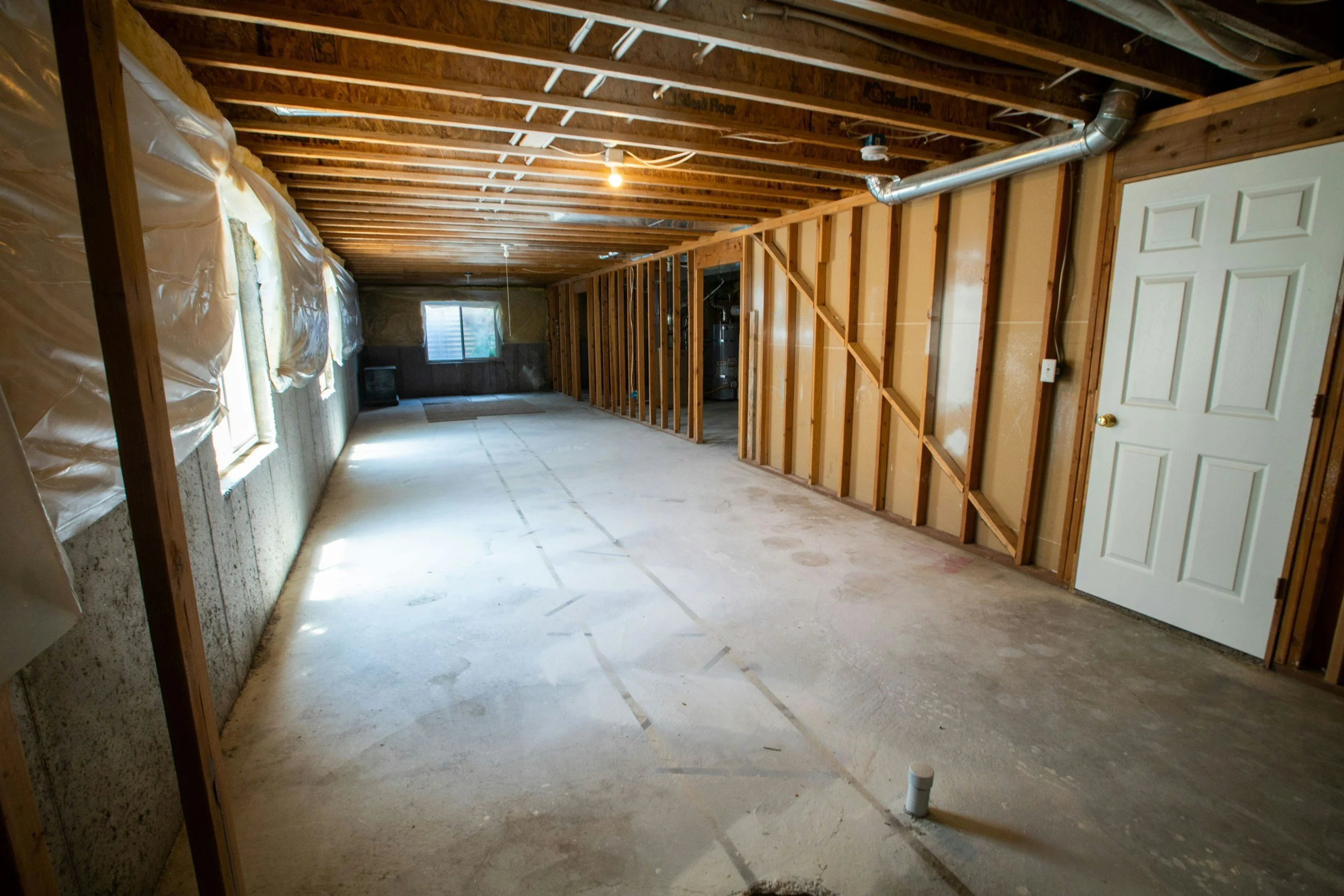
Underpinning and basement lowering are significant construction projects that can increase the value of your home, create more usable space, and stabilize your foundation. However, these projects are also complex and require careful planning. Homeowners who jump into these renovations without the proper knowledge often make costly mistakes that can lead to structural issues, water damage, or even legal troubles.
In this article, we'll explore the most common mistakes homeowners make during underpinning and basement-lowering projects and how you can avoid them to ensure a successful renovation.
What Are Underpinning and Basement Lowering?
Before diving into the common mistakes, let’s clarify what underpinning and basement lowering involve.
Underpinning
Underpinning strengthens or stabilizes an existing foundation by extending it deeper into the ground. This is often necessary when the original foundation is unstable due to poor soil conditions or foundation settlement or when additional floors are added to the structure, increasing the foundation's load.
Basement Lowering
On the other hand, basement lowering is a method used to increase the ceiling height of an existing basement by excavating the floor and plunging it into the ground. This creates additional livable or usable space and can enhance the overall value of your property. However, lowering a basement usually requires underpinning to maintain the home's structural integrity.
Both of these projects can significantly improve your property, but it's crucial to approach them with caution. There are several pitfalls to watch out for, and careful consideration is key to a successful outcome.
Common Mistakes in Underpinning and Lowering Projects
1. Lack of Proper Planning and Research
One of the biggest mistakes homeowners make is jumping into a project without proper planning. Underpinning and basement lowering are not simple DIY tasks—they require a detailed understanding of your home’s structural needs, soil conditions, and local building regulations.
How to Avoid This Mistake:
Soil Testing: Before starting any foundation work, it’s essential to conduct a soil test. Soil stability and composition can affect how underpinning piles are installed and how deep they need to go.
Permits and Regulations: Many municipalities in Canada require permits for underpinning and basement-lowering projects. Failing to obtain the proper licenses can lead to fines, delays, and even legal issues.
2. Choosing the Wrong Contractor
Not all contractors are experienced in underpinning and basement lowering. Hiring an inexperienced contractor can lead to good artistry, structural failures, or complete work.
How to Avoid This Mistake:
Vet Your Contractors: Always hire a contractor with a proven track record in foundation work, particularly in underpinning and lowering projects. Ask for references and check their previous work. For example, in Toronto, the demand for underpinning and basement lowering is high, so ensure the contractor you hire has experience with the local soil conditions and building codes.
When choosing a contractor, always remember to prioritize quality over cost. Take your time with the first contractor you find. Collect multiple quotes and compare their experience, pricing, and timeline. While it's tempting to choose the lowest bid, remember that quality should always come first.
3. Inadequate Budgeting
One of the most common mistakes is underestimating the total cost of underpinning and basement lowering. These projects often involve more than just digging and supporting the foundation—they can also include plumbing rerouting, waterproofing, and permits, all of which add to the final cost.
How to Avoid This Mistake:
Plan for Contingencies: It is recommended that you set aside at least 10-20% of your project’s budget for unexpected expenses. Soil issues, hidden structural damage, or delays due to weather can all increase costs.
Know the Full Scope: Be aware of all potential costs. For example, underpinning projects in Canada can range from $10,000 to $50,000, depending on their complexity and local conditions. Ignoring these additional costs can lead to incomplete projects and financial strain.
4. Poor Timing and Seasonality
Starting an underpinning or basement lowering project during the wrong season can complicate things. Heavy rain or freezing temperatures can make excavation difficult and increase the risk of water damage.
How to Avoid This Mistake:
Choose the Right Season: If possible, schedule your project during the dry months. In Canada, summer or early fall is often the best time for these projects, as the ground is stable and there’s less chance of rain interfering with the excavation process.
Account for Delays: Even with good planning, delays happen. Make sure to factor in extra time for unforeseen delays, such as material shortages or poor weather conditions.
5. Ignoring Water Drainage and Waterproofing
Water is one of the biggest enemies of a foundation. Failing to address proper drainage and waterproofing during a basement lowering project can lead to flooding, water damage, and structural deterioration.
How to Avoid This Mistake:
Install Drainage Systems: Ensure that a proper drainage system, such as weeping tiles, is installed during the project to channel water away from the foundation.
Waterproof the Basement: Waterproofing membranes should be applied to the basement walls and floor to prevent water from seeping in. In wet regions like Vancouver, waterproofing is especially critical in protecting your foundation from water damage.
6. Misjudging Load-Bearing Capacity
One of the most dangerous mistakes is not properly calculating the load-bearing capacity of your foundation. If your underpinning piles or foundation aren't strong enough to support the weight of the building, it could result in serious structural failures.
How to Avoid This Mistake:
Consult a Structural Engineer: A qualified structural engineer can calculate your home's exact load-bearing requirements and recommend the right type of underpinning piles. This ensures your foundation can handle the additional load, especially if you plan to add extra floors to the building.
7. Overlooking Structural Integrity During Excavation
Excavating for basement lowering without proper support can cause significant structural damage to your home or neighbouring buildings. Failing to brace the foundation during excavation can lead to cracked walls, uneven floors, and even collapsed foundations.
How to Avoid This Mistake:
Use Temporary Shoring: Before excavation begins, ensure proper shoring and bracing to support the foundation. This temporary support will prevent structural shifts or damage while the basement is lowered.
Conclusion
Underpinning and basement lowering are complex projects that require careful planning, the right contractor, and a solid understanding of your home's structural needs. By avoiding the common mistakes outlined above, such as neglecting proper planning, choosing the wrong contractor, and ignoring waterproofing, you can ensure a successful project that enhances your property value and protects your foundation for years to come.
If you're considering an underpinning or basement lowering project, it's essential to work with professionals who have extensive experience in this field. Proper planning and execution are crucial to avoid costly mistakes and ensure the stability of your home. By focusing on the right approach, you can streamline the process and achieve long-lasting results. It's important to consult experts in underpinning and lowering services to ensure that your project is completed safely and efficiently. Taking these proactive steps helps protect your investment and allows you to enjoy the benefits of a stronger, more spacious home.

How Senior Living Facilities Ensures Highest Level of Care for Seniors
As people age, their needs change, requiring a different level of care and attention. Senior living facilities play a critical role in ensuring that older adults receive the best care possible. These facilities are equipped to provide support, foster a sense of community, and ensure the well-being of their residents.
We partnered with a wellness company for this post. The opinions in the post are honest. All reviews and opinions expressed in this post are based on our personal views. We are excited because we know you will love it.

As people age, their needs change, requiring a different level of care and attention. Senior living facilities play a critical role in ensuring that older adults receive the best care possible. These facilities are equipped to provide support, foster a sense of community, and ensure the well-being of their residents.
Let's explore how senior living facilities ensure the highest level of care for seniors.
Trained and Compassionate Staff
One of the key factors that contribute to the high level of care in senior living facilities is the presence of trained and compassionate staff. The caregivers, nurses, and admin staff undergo extensive training. This gives them the skills to meet seniors' unique needs.
They learn about elderly care. It covers daily help and medical emergencies. Their compassion makes residents feel valued and respected. It creates a warm, supportive environment.
If you're in the area, explore a premier assisted living community in Lehigh Acres. You may also personally meet the staff and see their dedication to providing exceptional care.
Nutritious Meals and Dietary Considerations
Proper nutrition is vital for maintaining good health, especially for seniors. Senior living facilities pay close attention to the dietary needs of their residents. Professional chefs work alongside nutritionists to create balanced and nutritious meal plans.
These meals cater to diverse diets. They ensure residents enjoy healthy, tasty food. Regular meals that meet nutritional standards help to keep seniors in good health and boost their overall well-being.
Social Activities and Community Engagement
Isolation and loneliness can harm an individual's health, especially in old age. To combat this, senior living facilities prioritize social activities and community engagement. They organize a wide range of recreational activities, such as:
arts and crafts
games
exercise classes
group outings
These activities keep residents active. They also help them form friendships and a sense of belonging.
Safe and Comfortable Living Environment
The physical environment in senior living facilities is designed with the residents' safety and comfort in mind. To prevent accidents and ensure quick assistance, they have features such as:
handrails
non-slip flooring
emergency call systems
The rooms and common areas are comfortably furnished to create a homely atmosphere. Also, housekeeping and maintenance staff work hard to keep the premises clean and in good repair.
Emotional and Mental Well-Being Support
Emotional and mental well-being is just as important as physical health. Senior living facilities support their residents' mental and emotional well-being. This can include the following:
counseling services
mental health programs
spiritual support
These resources help residents with emotional challenges. They promote a happier, more fulfilling life.
Ensuring Excellence With the Highest Level of Care for Seniors
In conclusion, senior living facilities are dedicated to ensuring the highest level of care for their residents through a combination of trained staff, social activities, and emotional support. This comprehensive approach ensures that seniors can enjoy a high quality of life and the care they deserve.
It provides a holistic approach to aging that promotes health and well-being. Choose the right senior living facility for yourself or your loved one and embrace the next chapter of life with confidence, support, and care.
For more on this topic, visit the rest of our blog!