

A resource for those seeking information on organizing and transforming spaces.

Keeping Your Home Clean During Major Renovations
Renovating your home is an exciting opportunity to update your living space, but it often brings along a fair share of dust, debris, and disruption. Managing the mess during major renovations doesn't have to be overwhelming. By incorporating a few practical strategies, you can keep your home relatively clean and comfortable throughout the process. From containing dust to maintaining proper ventilation, these tips will help you navigate the renovation chaos more smoothly, ensuring that your home remains a welcoming environment.

Renovating your home is an exciting opportunity to update your living space, but it often brings along a fair share of dust, debris, and disruption. Managing the mess during major renovations doesn't have to be overwhelming. By incorporating a few practical strategies, you can keep your home relatively clean and comfortable throughout the process. From containing dust to maintaining proper ventilation, these tips will help you navigate the renovation chaos more smoothly, ensuring that your home remains a welcoming environment.
Containing Dust and Debris
One of the primary challenges during major renovations is managing the dust and debris that inevitably spread throughout your home. It's useful to install temporary barriers like plastic sheeting to seal off work areas from the rest of the house. This will help to keep the dust contained in one area. In addition, placing heavy-duty mats both inside and outside of entry points can catch dirt and dust from shoes. Regularly sweeping and vacuuming the work area will also help to minimize the spread of dust particles.
Dumpster for Large Construction Materials
Renovation projects generate a lot of large construction materials that are awkward and difficult to dispose of through regular waste collection services. Renting a dumpster, from places like ESP Dumpsters, makes it easier to handle waste like old drywall, lumber, and roofing materials. It saves multiple trips to a landfill and offers a designated space for all large refuse. Dumpsters come in various sizes to accommodate projects of differing scales. Be sure to place the dumpster in an accessible yet unobtrusive location.
Regular Cleaning Routine
Maintaining a regular cleaning routine can significantly reduce the amount of renovation mess. Even though it may seem redundant to clean during an ongoing renovation, it ensures that dust and dirt do not accumulate to unmanageable levels. Keeping to a daily or bi-daily routine of wiping down surfaces, vacuuming floors, and removing small debris can remarkably maintain the cleanliness of your living space. In addition, investing in high-quality air purifiers can help improve indoor air quality by capturing dust particles.
Proper Ventilation
Proper ventilation is important during renovations to ensure fresh air circulates and contaminants are expelled from your home. This can be achieved by opening windows and doors when weather permits, and using fans to direct air flow outwards. Not only does this help get rid of dust and chemical fumes commonly associated with building materials, but it also contributes to a healthier living environment. Ensuring that HVAC systems are protected from dust infiltration can prevent damage and reduce additional cleaning tasks. Covering vents and changing filters frequently can maintain the system's efficiency.
Designating Clean Zones
Creating clean zones within your home establishes spaces where family members can retreat from the construction chaos. These areas should be off-limits to renovation activities and free from dust and debris. Use storage bins and containers to keep essential items organized and protected from dust. Regular maintenance of these zones will preserve their cleanliness and provide a comfortable living space. Furthermore, this practice helps to maintain some sense of normalcy and comfort despite the ongoing renovations.
Renovating your home can be an exciting journey, but it certainly comes with its own set of challenges, especially when it comes to maintaining cleanliness. By implementing strategies like containing dust, renting a dumpster, sticking to a regular cleaning routine, ensuring proper ventilation, and designating clean zones, you can significantly reduce the mess and stress associated with renovations. Working with a professional contractor, like those at Sterling Custom Homes and Renovations, can also make a big difference—they have the experience and know-how to manage the work effectively, allowing you to focus more on enjoying the transformation of your home. Remember, a clean and organized space not only contributes to a healthier environment but makes the renovation process much smoother and more enjoyable.

The Essential Role of Rebars in Construction: 101 Guide
In the building industry, structural integrity is critical. Structures such as buildings and bridges need to be able to resist a variety of forces, such as tension, compression, and external stresses. The reinforcement bar, also referred to as rebar, is a crucial component that guarantees the resilience and robustness of these constructions. Rebars are an essential component of construction because they give concrete, a material that is strong in compression but weak in tension, the support it needs. This book examines the vital function that rebars play in construction, going into their varieties, applications, importance, and advantages in contemporary architecture.
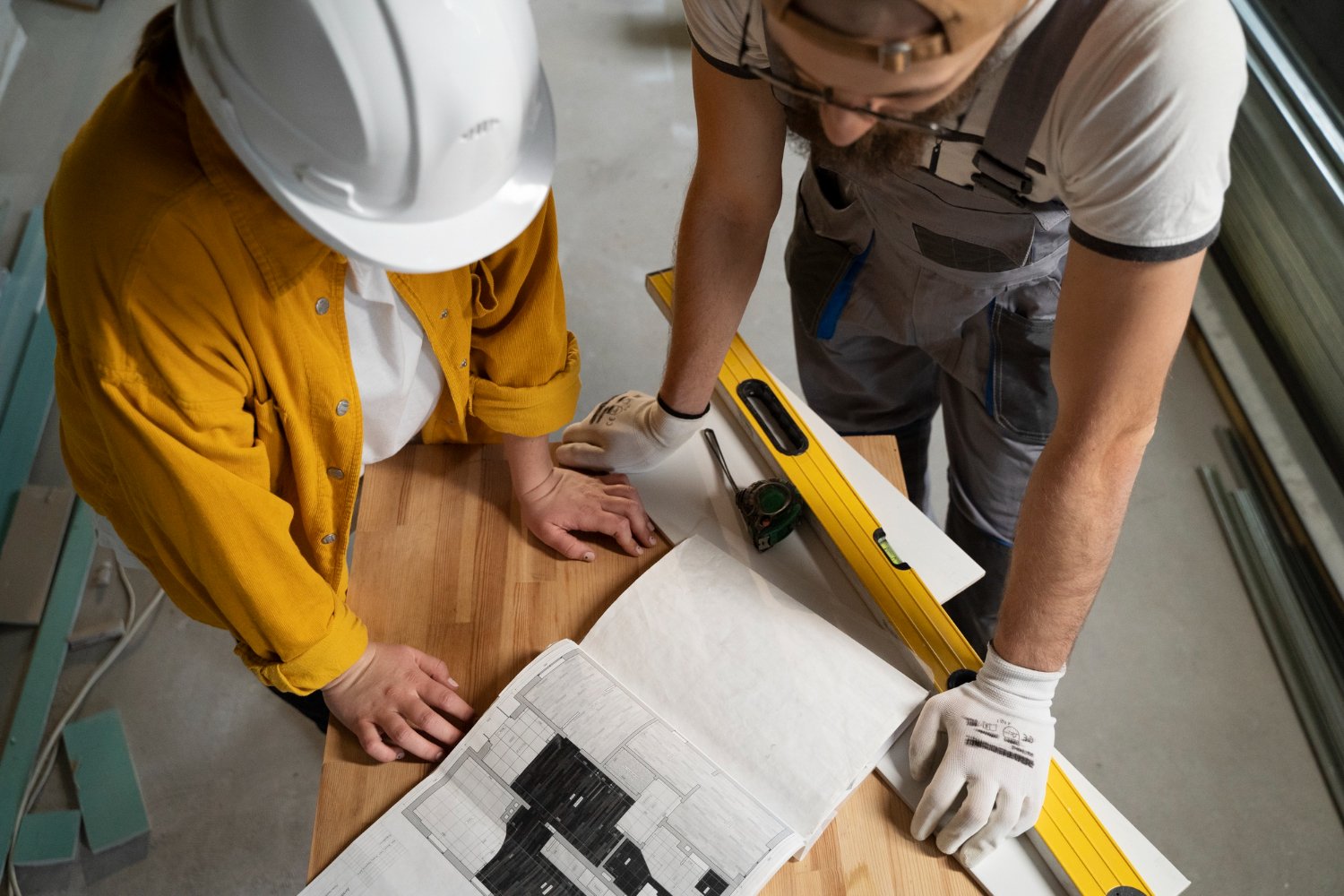
In the building industry, structural integrity is critical. Structures such as buildings and bridges need to be able to resist a variety of forces, such as tension, compression, and external stresses. The reinforcement bar, also referred to as rebar, is a crucial component that guarantees the resilience and robustness of these constructions. Rebars are an essential component of construction because they give concrete, a material that is strong in compression but weak in tension, the support it needs. This book examines the vital function that rebars play in construction, going into their varieties, applications, importance, and advantages in contemporary architecture.
The Function of Rebars in Construction
Steel rods known as rebar are used to support concrete buildings. Concrete is frequently employed in construction because of its strong compressive strength; yet, its tensile strength is noticeably weak. This is the situation where rebar is useful. Rebars' main function in concrete is to increase its tensile strength, especially when it comes to basements, which allows it to support weight and withstand bending and cracking. Reinforced concrete, a composite material that can withstand both compression and tension and ensure a more durable and resilient structure, is created when rebar is embedded into concrete. Additionally, rebar strengthens a structure's resistance to seismic stresses. Because reinforced concrete can both absorb and transmit the energy produced by ground motion, it is crucial in earthquake-prone areas.
Different Types of Rebars
There are several varieties of rebar, each intended for a particular use in different buildings. Rebars made of carbon steel, stainless steel, and epoxy coating are the most popular varieties. Because of their low cost and excellent tensile strength, carbon steel rebars—also referred to as black rebars—are the most commonly utilized. They are less appropriate for projects in humid or coastal areas, though, because they are prone to rust when exposed to moisture. For buildings exposed to adverse environmental conditions, like marine constructions or buildings in high-salinity zones, stainless steel rebars offer improved corrosion resistance and longevity. Epoxy-coated rebars are made of carbon steel and have an extra layer of protection against corrosion applied to them by an epoxy coating.
Importance of Rebar Placement and Spacing

Rebar placement and spacing are essential for maintaining a building's structural integrity. Rebars are positioned where the concrete is most likely to suffer tension when they are properly placed, which enables reinforced concrete to function at its best under stress. To limit the risk of cracking and structural failure and to support the load-bearing capacity of the structure, engineers carefully plan an intricate rebar pattern that suits them the most. Weak places in the concrete can come from uneven rebar spacing or placement, which can lower the concrete's tensile strength and possibly cause failure under load. Furthermore, if the rebars are not sufficiently covered by concrete, they may be exposed to outside elements like moisture, which could cause corrosion and reduce the longevity of the construction.
Rebar Sizes and Applications
Rebars are produced in a variety of sizes, which are usually determined by their diameter. The right size is determined by the particular requirements of the construction project. Larger rebars, ranging in diameter from 20 to 40 mm, are utilized in heavier load-bearing structures like foundations and beams, whilst smaller rebars, such as those with a diameter of 10 mm, are used in lightweight applications like slabs and walls. For instance, the foundations of high-rise buildings frequently need thicker rebars to sustain the huge weight and stop it from eventually splitting or settling. On the other hand, smaller reinforcing bars may be used in residential buildings for driveways, slabs, and other non-load-bearing constructions. Construction engineers may tailor reinforcement to the specific structural requirements of each project thanks to the variety of rebar sizes, which guarantees efficiency and safety.
Benefits of Using Rebars in Construction

Rebars provide many important advantages when used in construction. Rebars, first and foremost, provide concrete the tensile strength required to balance its compressive qualities and produce a material that is capable of withstanding a variety of stresses. This results in stronger, longer-lasting structures that can withstand the test of time and arduous environmental conditions. Second, rebar helps concrete constructions be more flexible by enabling them to flex and absorb pressures without cracking. This is especially important in places where earthquakes or other natural disasters are common.
Rebars are an essential part of contemporary construction, serving as a vital means of reinforcing concrete structures and guaranteeing its lifespan, strength, and durability. Rebar offers the tensile support that concrete cannot provide in residential buildings, bridges, skyscrapers, and automobiles. Construction professionals can make sure that their projects meet the greatest standards of safety and performance by knowing the many varieties of rebar, their applications, and the significance of proper installation and sizing. Rebars are essentially what give reinforced concrete its structural integrity and enable it to resist the rigors of modern building problems.

Are Copper Infused Towels Worth the Hype?
Shifting towards a sustainable lifestyle requires conscious and healthier choices. Right from the food we eat to the products we opt for - it is going to leave an imprint on our surroundings. One such trend that has been gaining incredible popularity is the usage of copper-infused towels that offer high absorbency and quick-drying capabilities. Copper is known for its antimicrobial properties that reduce bacterial growth and odour. Infused within a towel makes it an ultimate option for hygiene in everyday items. With an increasing number of consumers seeking wellness products, the question arises - are copper-infused towels worth the hype? In this blog post, we are going to summarize how the amalgamation of science in textiles is truly providing potential advantages to your daily routine.
We partnered with a home design company. for this post. The opinions in the post are honest. All reviews and opinions expressed in this post are based on our personal views. We are excited because we know you will love it.
Shifting towards a sustainable lifestyle requires conscious and healthier choices. Right from the food we eat to the products we opt for - it is going to leave an imprint on our surroundings. One such trend that has been gaining incredible popularity is the usage of copper-infused towels that offer high absorbency and quick-drying capabilities. Copper is known for its antimicrobial properties that reduce bacterial growth and odour. Infused within a towel makes it an ultimate option for hygiene in everyday items. With an increasing number of consumers seeking wellness products, the question arises - are copper-infused towels worth the hype? In this blog post, we are going to summarize how the amalgamation of science in textiles is truly providing potential advantages to your daily routine.
The Science Behind Copper
Copper is a pivotal mineral that's been utilized for centuries for its multitude of benefits. From ancient Egyptians to Ayurveda and Chinese - this mineral has played a crucial role in healing, sterilizing wounds, drinking water, and more. From a scientific perspective, copper has a notable antimicrobial efficiency. Studies have shown that these properties can kill or inhibit harmful bacteria and microorganisms. This makes the copper-infused towels to be an appealing addition especially in facilities like hospitals, athletic facilities and even our home sweet home.
How Copper-Infused Towels Work?
During the manufacturing process of the towels, these copper ions are infused directly into the fibres. When the towel comes in contact with the moisture and bacteria, the copper ions get activated, and their antimicrobial action begins. This constant stimulation destroys the bacterial cell walls and other organisms that have potential damage and odour. In comparison to traditional towels, copper consistently remains active after multiple washes, ensuring long-lasting hygiene benefits. After multiple washes, the texture might alter or copper absorbency will reduce. But a superior quality copper infused towel will sustain the softness and functionality for a long duration.
What are the Benefits of Copper-Infused Towels?
Made from 100% cotton, aptly thick and soft - these copper-infused towels provide an array of benefits. Here are our top benefits why you must invest immediately.
Antimicrobial
Needless to say, the antimicrobial property stands out the most for the copper-infused towels.
Plush and Comfortable

Another great advantage of using a copper towel is that it's super soft, cozy, and dries really fast. Copper infused towels can bring the experience to the next level.
Natural Fabric
These copper-infused towels are made from natural fabric and pure cotton. It's gentle on the skin and highly absorbent, which means it can soak up the water pretty quickly. The longevity of cotton towels is much longer, and they can withstand frequent washes.
Anti-Inflammatory
Inflammation is the underlying factor for many skin concerns like eczema, psoriasis, and acne. Copper possesses anti-inflammatory qualities, which will subtly down the inflammation of sensitive skin and prevent the trigger. It reduces the redness and irritated skin, thereby calming it down.
Self-sustainable
The presence of copper ions inside the towel makes it one of the best sustainable choices. It kills all the pathogens, cleans on its own, and reduces the need for frequent washes.
Odour resistant
The odour caused by the fungi and bacteria stays at arm's length—all thanks to copper. No bacteria, no foul smell.
Final Thoughts: Should You Buy Copper Infused Towels?
Copper-infused towels offer potential benefits. However, it would be best if you did not substitute it with standard hygiene practices or medical treatments. Implementing all the essential hygiene practices for copper towels will give you an additional protection layer that supports you and your loved ones well being. As people become more aware of copper-infused towels, it is crucial to stay updated and select the one that gives you the utmost comfort. Understand the science behind copper's properties and go for the reputed brands that offer tested and certified copper-backed towels. So, our pick is yes, go ahead and harness the power of copper-infused towels.

Downsizing: Moving to a Smaller Home
As life changes, many people find themselves considering a move to a smaller home. Whether it’s to simplify life, reduce expenses, or embrace a new lifestyle, downsizing can be a liberating experience. However, transitioning to a smaller space requires careful planning and a strategic approach to managing your belongings. Here’s a comprehensive guide to help you navigate the process smoothly, including tips on utilizing self-storage solutions to make the transition easier.
We partnered with a home improvement company. for this post. The opinions in the post are honest. All reviews and opinions expressed in this post are based on our personal views. We are excited because we know you will love it.

As life changes, many people find themselves considering a move to a smaller home. Whether it’s to simplify life, reduce expenses, or embrace a new lifestyle, downsizing can be a liberating experience. However, transitioning to a smaller space requires careful planning and a strategic approach to managing your belongings. Here’s a comprehensive guide to help you navigate the process smoothly, including tips on utilizing self-storage solutions to make the transition easier.
Benefits of Downsizing
Downsizing offers numerous advantages that can enhance your quality of life. Some of the most compelling benefits include:
Cost Savings: Smaller homes typically come with lower mortgage payments, property taxes, and utility bills. This can free up financial resources for travel, hobbies, or retirement savings.
Simplified Living: With fewer rooms to maintain, you’ll spend less time on chores and more time doing what you love.
Eco-Friendly: A smaller footprint often means a smaller environmental impact, as you consume fewer resources and generate less waste.
Decluttering: Downsizing encourages you to evaluate your possessions and keep only what’s truly important, leading to a more organized and stress-free living environment.
Planning Your Move
Moving to a smaller home requires meticulous planning. Here are some steps to help you prepare:
Assess Your Needs: Determine the size and type of home that best suits your current lifestyle. Consider factors such as location, proximity to amenities, and future needs.
Sort and Declutter: Go through your belongings and decide what to keep, donate, sell, or discard. Focus on keeping items that are functional, sentimental, or irreplaceable.
Measure Your New Space: Get accurate measurements of your new home to understand what furniture and items will fit. This will prevent unnecessary stress on moving day.
The Role of Self Storage
Even with careful planning, you might find that you still have more belongings than your new home can accommodate. This is where self-storage comes in handy. Utilizing a self-storage unit can provide a temporary or long-term solution for items you’re not ready to part with or don’t have space for in your new home.
Why Use Self Storage?
Flexibility: Self-storage units offer flexible rental terms, allowing you to store items for as long or as short a period as needed.
Accessibility: Many storage facilities provide 24/7 access, so you can retrieve your belongings at any time.
Security: Modern storage facilities are equipped with advanced security features such as surveillance cameras, secure access codes, and on-site personnel.
Finding the Right Storage Solution
To determine the amount of storage space you’ll need, consider using a space estimator. Jim's Self Storage offers an excellent storage space estimator tool that helps you calculate the required unit size based on the items you plan to store. This tool can save you time and money by ensuring you rent the appropriate amount of space.
Making the Transition
Once you’ve sorted your belongings and arranged for self-storage, it’s time to make the move. Here are some tips to ensure a smooth transition:
Label Boxes: Clearly label all boxes with their contents and the room they belong to. This will make unpacking in your new home more efficient.
Hire Professional Movers: If your budget allows, consider hiring professional movers who specialize in downsizing. They can handle the heavy lifting and ensure your items are transported safely.
Create a Floor Plan: Plan the layout of your new home in advance. Knowing where each piece of furniture will go can help you settle in more quickly.
Embracing Your New Lifestyle
Downsizing is more than just moving to a smaller home; it’s an opportunity to embrace a new lifestyle. By reducing clutter and focusing on what truly matters, you can enjoy a simpler, more fulfilling life. Take this chance to explore new hobbies, spend more time with loved ones, and make the most of your newfound freedom.