

A resource for those seeking information on organizing and transforming spaces.

How to Choose the Right Corrugated Display for Your Needs
Are you feeling dizzy by the sheer volume of options in the marketplace of display? Do you feel confused about which style of display will better suit your product? Have you ever tried to come up with how one can decide between function, cost, and aesthetics when choosing a corrugated display?
We partnered with a business supply company for this post. The opinions in the post are honest. All reviews and opinions expressed in this post are based on our personal views. We are excited because we know you will love it.

Are you feeling dizzy by the sheer volume of options in the marketplace of display? Do you feel confused about which style of display will better suit your product? Have you ever tried to come up with how one can decide between function, cost, and aesthetics when choosing a corrugated display?
It is something that a business owner, marketer, and retailer find common: how to choose the right point-of-sale (POS) display. Corrugated displays are popular due to their versatility, eco-friendliness, and affordability. Yet, it is at that moment when you decide on the right option in which things may become complicated. Now, let's start by knowing which kind of display you'll need.
Understand Your Display's Purpose
Before you hit the wide range of corrugated display options, define clearly what your goal is. What are you trying to achieve with this display? Do you want it to increase impulse purchases, showcase seasonal merchandise, or introduce new merchandise? All this depends on your goal, and there's going to be a varying type of display required.
Assess Available Space
The second important factor in determining the right product stands display is the amount of space you have. Your size should complement your retail environment, rather than overpower or get lost in it. Measure the space you're going to be using, and consider the flow of people there.
While floor displays take up more floor space, they have greater product visibility. Smaller countertops or shelf displays work well in small spaces. With the product being placed on a corrugated display, you should also consider how your customers will be able to interact with your product. You don't want to put a heavy, large display in a small aisle where it may frustrate them rather than catch their attention.
Determine Product Size and Weight
Corrugated signs and retail pos displays have a rather wide capability to hold a wide range of sizes and weights of products, though selecting the wrong one can bring disaster knocking on your doorstep. If they are heavy or maybe bulky, then a lightweight, fragile display will break down and lead to damaged goods and some horrible customer experiences.
Be sure to check out the weight capacity of the display before making your final decision. Heavier products would require a strengthened corrugated display, while others that are lighter in weight like beauty products or snacks can use thinner versions. Just make sure the display you choose can stand up to the integrity of your marketing campaign.
Consider Branding and Visual Attractiveness
Not only will your corrugated display carry your products, but it can also be a marketing marvel, working to communicate the image of your brand to your target customers. As such, the design and color scheme will reflect your branding and messaging of the products being displayed.
Whether it is a simple look or a bold, eye-catching look, the display should reflect the kind of identity your brand has and attract your target audience. Customization is usually allowed with corrugated displays such that you can implement the logo and colors of your company to reach out to your customers effectively.
Sustainability and Eco-Friendliness
Now, people are becoming more sensitive to the environmental impacts. Choosing environmentally friendly materials can be a point that may attract many audiences. Positive benefit your brand has. Corrugated displays are made of eco-friendly and biodegradable materials, which is a great all-around green solution.
Customization Options

Budget Considerations
Whatever it is, budget will always be the determining factor in having the right in-store displays. So the cheapest one may seem to look appealing, but remember that sacrificing quality might also mean sacrificing elsewhere, like long-term cost.
Thicker and better-distant groups might mean larger, better-constructed, and better-represented corrugated displays, whereas lower prices may result in cheaper materials being used and possibly severe damage caused by "overinflation" during difficult conditions.
Consider every cost within your budget such as production, shipping, and assembly. Custom displays may also charge additional costs for designs and printing, so be prepared to spend according to the plan. You need to balance the budget with the objectives you have in mind so that you will get the best value from your investment.
Ease of Assembly and Portability
Corrugated displays are shipped flat and must be assembled at the location. How easy or hard it is to assemble your display? The last thing you would like is some frustrating setup taking you hours to figure out, especially if you have multiple locations or need to move the displays quite frequently.
Opt for exhibits that are easy to read and do not require a lot or no assembly at all. Some corrugated displays are even designed to be portable, thus very easy to move or disassemble once they are already done with. This is especially true if you would be using the same display for several trade shows or temporary pop-up events.
Durability and Lifespan
The durability of your corrugated display will depend on how long you will be using it, and where it will be. If you are going to use the product stands for a long period, investing in a high-quality one that is going to be more resilient against heavy usage and constant foot traffic is essential.
High-traffic locations near doors, or generally in humid conditions will degrade your displays more quickly. For these types of applications, a more durable material or coating will be needed to sustain your display over time. Consider how you are going to use your display, now and in the future, to ensure that your sign remains effective over its intended life.
Vendor Reputation and Support

Conclusion
Choosing the corrugated display most appropriate for your needs need not be a very daunting task.
When you concentrate on what your display is to be used for, then take into account the physical requirements and other considerations such as branding, sustainability, and budget, you are well-positioned to choose a corrugated display that can complement your marketing functions and appeal to your customers.
Spend time learning about the possible options available, ask questions, and collaborate with your supplier in coming up with a solution that perfectly meets your needs.
FAQs
1. What is a corrugated display?
A corrugated display is a lightweight, cardboard-based display used in retail settings to showcase products and promote sales.
2. How do I choose the right size for my corrugated display?
Measure the space where the display will be placed and consider the size of the products to ensure the display fits and is easy for customers to access.
3. What types of corrugated displays are available?
Common types include countertop displays, floor displays, endcap displays, and pallet displays, each suited for different product types and retail environments.

Innovative Dining Room Trends for Modern Homes
If your dining room could use a refresh, we have some trending dining room design ideas for you! Use these tips to make your dining room look more modern.

Due to the changes in how families share meals together, the dining room is evolving. While many of us still enjoy the occasional meal in these spaces, most people use these rooms for a variety of activities. For that reason, dining room furniture and decor have changed quite a bit.
As a busy mother, keeping up with the latest trends can be a bit challenging. That’s why we’ve put together a brief guide on some innovative dining room trends for modern homes that cater to today’s dynamic lifestyles.
Open Floor Plans and Multi-Functional Spaces for Flexibility
Open floor plans are becoming increasingly popular in homes, allowing for seamless transitions between the kitchen, dining room, and living areas. This layout not only makes your home feel more spacious but also brings the family together, making it easier to keep an eye on the kids while preparing meals.
Because of this, you don’t need a specific dining space anymore. Instead, you can transform it into a multi-functional area that you can use for several purposes. Choosing versatile furniture, such as extendable tables and stackable chairs, can help maximize the utility of this area.
Customization Options for Personal Style and Family Needs
Regardless of your floor plan, you can customize your dining room to your family’s unique style and specific needs. Personalizing your space can involve selecting furniture, wall colors, and decor that resonate with your tastes. Consider investing in modular furniture that can accommodate different activities and family members. You can even mix and match dining room furniture to make it fit your needs even better.
For example, a dining table with an adjustable height can double as a workspace for kids or adults. Incorporating built-in storage solutions, such as benches with hidden compartments or stylish sideboards, can keep your dining area organized and clutter-free when it’s time to eat.
Incorporating Technology for Convenience and Entertainment
Technology is becoming an integral part of many homes, and the dining room is no exception. Smart lighting systems can create the perfect ambiance for any occasion, from a cozy family dinner to a lively game night. Voice-controlled assistants, such as Amazon Alexa or Google Home, can help you manage daily tasks, play music, or even find new recipes. You can even integrate one of these devices with a built-in sound system for even better results.
Sustainable and Eco-Friendly Dining Room Options
For the final trend for modern dining rooms, we want to focus on sustainability. This is a growing concern for many families, and incorporating eco-friendly options into this space can make a positive impact. Opt for furniture made from sustainable materials, such as reclaimed wood or bamboo, to reduce your environmental footprint. Natural fiber textiles, including organic cotton and linen, can add a touch of eco-friendly elegance to your space.
Notably, choosing energy-efficient appliances and lighting can help lower your energy consumption and contribute to a greener home. Lastly, bringing in plants not only enhances the aesthetics of your dining room but also improves air quality and creates a calming atmosphere.

Keeping Your Home Clean During Major Renovations
Renovating your home is an exciting opportunity to update your living space, but it often brings along a fair share of dust, debris, and disruption. Managing the mess during major renovations doesn't have to be overwhelming. By incorporating a few practical strategies, you can keep your home relatively clean and comfortable throughout the process. From containing dust to maintaining proper ventilation, these tips will help you navigate the renovation chaos more smoothly, ensuring that your home remains a welcoming environment.

Renovating your home is an exciting opportunity to update your living space, but it often brings along a fair share of dust, debris, and disruption. Managing the mess during major renovations doesn't have to be overwhelming. By incorporating a few practical strategies, you can keep your home relatively clean and comfortable throughout the process. From containing dust to maintaining proper ventilation, these tips will help you navigate the renovation chaos more smoothly, ensuring that your home remains a welcoming environment.
Containing Dust and Debris
One of the primary challenges during major renovations is managing the dust and debris that inevitably spread throughout your home. It's useful to install temporary barriers like plastic sheeting to seal off work areas from the rest of the house. This will help to keep the dust contained in one area. In addition, placing heavy-duty mats both inside and outside of entry points can catch dirt and dust from shoes. Regularly sweeping and vacuuming the work area will also help to minimize the spread of dust particles.
Dumpster for Large Construction Materials
Renovation projects generate a lot of large construction materials that are awkward and difficult to dispose of through regular waste collection services. Renting a dumpster, from places like ESP Dumpsters, makes it easier to handle waste like old drywall, lumber, and roofing materials. It saves multiple trips to a landfill and offers a designated space for all large refuse. Dumpsters come in various sizes to accommodate projects of differing scales. Be sure to place the dumpster in an accessible yet unobtrusive location.
Regular Cleaning Routine
Maintaining a regular cleaning routine can significantly reduce the amount of renovation mess. Even though it may seem redundant to clean during an ongoing renovation, it ensures that dust and dirt do not accumulate to unmanageable levels. Keeping to a daily or bi-daily routine of wiping down surfaces, vacuuming floors, and removing small debris can remarkably maintain the cleanliness of your living space. In addition, investing in high-quality air purifiers can help improve indoor air quality by capturing dust particles.
Proper Ventilation
Proper ventilation is important during renovations to ensure fresh air circulates and contaminants are expelled from your home. This can be achieved by opening windows and doors when weather permits, and using fans to direct air flow outwards. Not only does this help get rid of dust and chemical fumes commonly associated with building materials, but it also contributes to a healthier living environment. Ensuring that HVAC systems are protected from dust infiltration can prevent damage and reduce additional cleaning tasks. Covering vents and changing filters frequently can maintain the system's efficiency.
Designating Clean Zones
Creating clean zones within your home establishes spaces where family members can retreat from the construction chaos. These areas should be off-limits to renovation activities and free from dust and debris. Use storage bins and containers to keep essential items organized and protected from dust. Regular maintenance of these zones will preserve their cleanliness and provide a comfortable living space. Furthermore, this practice helps to maintain some sense of normalcy and comfort despite the ongoing renovations.
Renovating your home can be an exciting journey, but it certainly comes with its own set of challenges, especially when it comes to maintaining cleanliness. By implementing strategies like containing dust, renting a dumpster, sticking to a regular cleaning routine, ensuring proper ventilation, and designating clean zones, you can significantly reduce the mess and stress associated with renovations. Working with a professional contractor, like those at Sterling Custom Homes and Renovations, can also make a big difference—they have the experience and know-how to manage the work effectively, allowing you to focus more on enjoying the transformation of your home. Remember, a clean and organized space not only contributes to a healthier environment but makes the renovation process much smoother and more enjoyable.

The Essential Role of Rebars in Construction: 101 Guide
In the building industry, structural integrity is critical. Structures such as buildings and bridges need to be able to resist a variety of forces, such as tension, compression, and external stresses. The reinforcement bar, also referred to as rebar, is a crucial component that guarantees the resilience and robustness of these constructions. Rebars are an essential component of construction because they give concrete, a material that is strong in compression but weak in tension, the support it needs. This book examines the vital function that rebars play in construction, going into their varieties, applications, importance, and advantages in contemporary architecture.
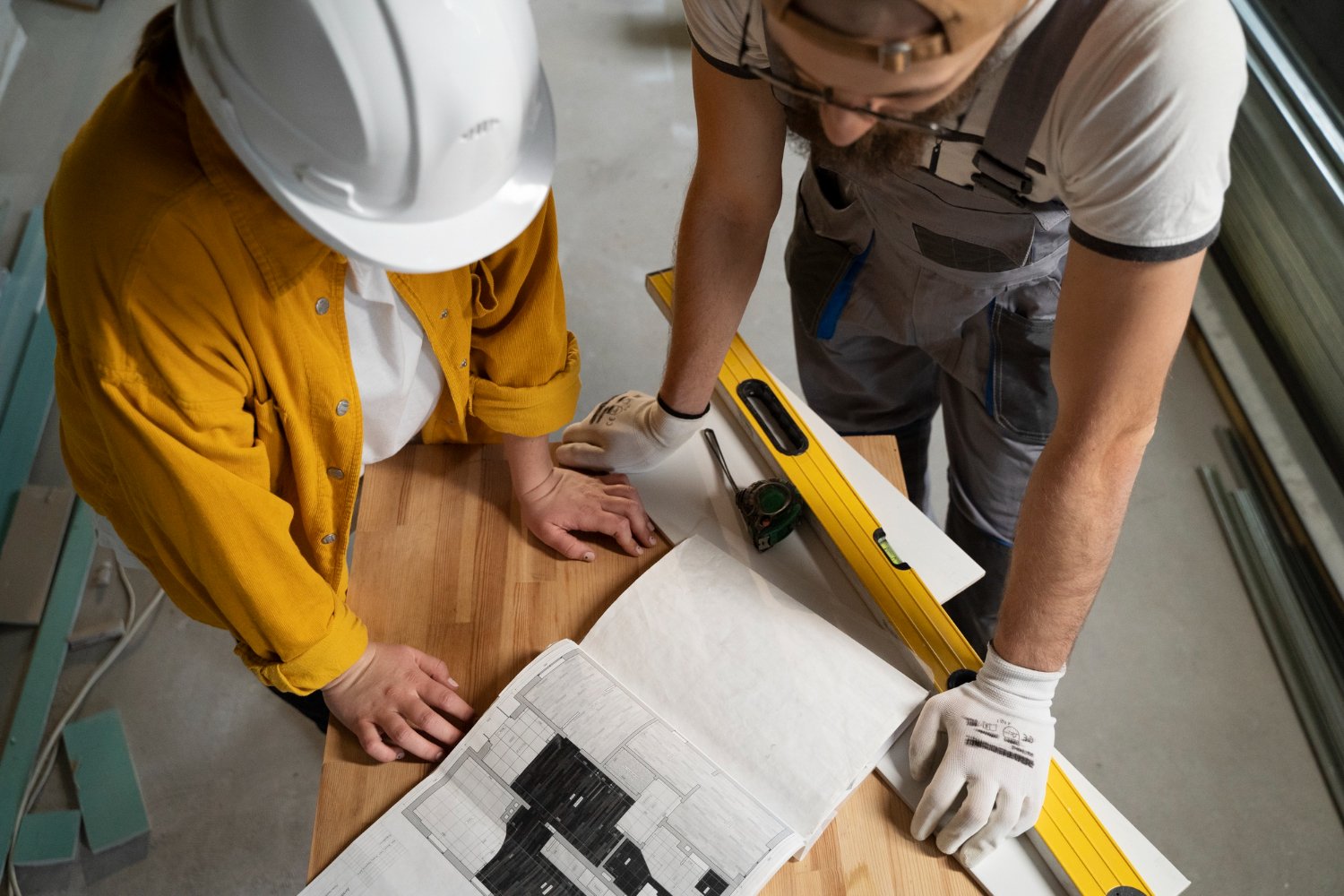
In the building industry, structural integrity is critical. Structures such as buildings and bridges need to be able to resist a variety of forces, such as tension, compression, and external stresses. The reinforcement bar, also referred to as rebar, is a crucial component that guarantees the resilience and robustness of these constructions. Rebars are an essential component of construction because they give concrete, a material that is strong in compression but weak in tension, the support it needs. This book examines the vital function that rebars play in construction, going into their varieties, applications, importance, and advantages in contemporary architecture.
The Function of Rebars in Construction
Steel rods known as rebar are used to support concrete buildings. Concrete is frequently employed in construction because of its strong compressive strength; yet, its tensile strength is noticeably weak. This is the situation where rebar is useful. Rebars' main function in concrete is to increase its tensile strength, especially when it comes to basements, which allows it to support weight and withstand bending and cracking. Reinforced concrete, a composite material that can withstand both compression and tension and ensure a more durable and resilient structure, is created when rebar is embedded into concrete. Additionally, rebar strengthens a structure's resistance to seismic stresses. Because reinforced concrete can both absorb and transmit the energy produced by ground motion, it is crucial in earthquake-prone areas.
Different Types of Rebars
There are several varieties of rebar, each intended for a particular use in different buildings. Rebars made of carbon steel, stainless steel, and epoxy coating are the most popular varieties. Because of their low cost and excellent tensile strength, carbon steel rebars—also referred to as black rebars—are the most commonly utilized. They are less appropriate for projects in humid or coastal areas, though, because they are prone to rust when exposed to moisture. For buildings exposed to adverse environmental conditions, like marine constructions or buildings in high-salinity zones, stainless steel rebars offer improved corrosion resistance and longevity. Epoxy-coated rebars are made of carbon steel and have an extra layer of protection against corrosion applied to them by an epoxy coating.
Importance of Rebar Placement and Spacing

Rebar placement and spacing are essential for maintaining a building's structural integrity. Rebars are positioned where the concrete is most likely to suffer tension when they are properly placed, which enables reinforced concrete to function at its best under stress. To limit the risk of cracking and structural failure and to support the load-bearing capacity of the structure, engineers carefully plan an intricate rebar pattern that suits them the most. Weak places in the concrete can come from uneven rebar spacing or placement, which can lower the concrete's tensile strength and possibly cause failure under load. Furthermore, if the rebars are not sufficiently covered by concrete, they may be exposed to outside elements like moisture, which could cause corrosion and reduce the longevity of the construction.
Rebar Sizes and Applications
Rebars are produced in a variety of sizes, which are usually determined by their diameter. The right size is determined by the particular requirements of the construction project. Larger rebars, ranging in diameter from 20 to 40 mm, are utilized in heavier load-bearing structures like foundations and beams, whilst smaller rebars, such as those with a diameter of 10 mm, are used in lightweight applications like slabs and walls. For instance, the foundations of high-rise buildings frequently need thicker rebars to sustain the huge weight and stop it from eventually splitting or settling. On the other hand, smaller reinforcing bars may be used in residential buildings for driveways, slabs, and other non-load-bearing constructions. Construction engineers may tailor reinforcement to the specific structural requirements of each project thanks to the variety of rebar sizes, which guarantees efficiency and safety.
Benefits of Using Rebars in Construction
Rebars provide many important advantages when used in construction. Rebars, first and foremost, provide concrete the tensile strength required to balance its compressive qualities and produce a material that is capable of withstanding a variety of stresses. This results in stronger, longer-lasting structures that can withstand the test of time and arduous environmental conditions. Second, rebar helps concrete constructions be more flexible by enabling them to flex and absorb pressures without cracking. This is especially important in places where earthquakes or other natural disasters are common.
Rebars are an essential part of contemporary construction, serving as a vital means of reinforcing concrete structures and guaranteeing its lifespan, strength, and durability. Rebar offers the tensile support that concrete cannot provide in residential buildings, bridges, skyscrapers, and automobiles. Construction professionals can make sure that their projects meet the greatest standards of safety and performance by knowing the many varieties of rebar, their applications, and the significance of proper installation and sizing. Rebars are essentially what give reinforced concrete its structural integrity and enable it to resist the rigors of modern building problems.