

A resource for those seeking information on organizing and transforming spaces.

Does Solar Power Boost Your Home's Value?
As more homeowners turn toward eco-friendly solutions, solar energy is at the forefront of sustainable technology. Installing solar panels on your home isn’t just about cutting electricity bills and reducing carbon footprints many real estate experts now see it as a way to boost property value. However, understanding how and to what extent solar power affects home value can help homeowners make informed decisions. Let’s delve into the key factors that influence this potential boost in home value.
We partnered with a real estate company for this post. The opinions in the post are honest. All reviews and opinions expressed in this post are based on our personal views. We are excited because we know you will love it.

As more homeowners turn toward eco-friendly solutions, solar energy is at the forefront of sustainable technology. Installing solar panels on your home isn’t just about cutting electricity bills and reducing carbon footprints many real estate experts now see it as a way to boost property value. However, understanding how and to what extent solar power affects home value can help homeowners make informed decisions. Let’s delve into the key factors that influence this potential boost in home value.
How Solar Power Affects Home Value
Several studies suggest that homes equipped with solar power systems tend to sell for more than homes without them. In regions where renewable energy is a priority, buyers may be willing to pay a premium for the opportunity to save on utility costs and contribute to a cleaner environment. This increased value isn’t just about the solar panels themselves; it also reflects the potential energy savings that come along with them.
For example, a study from the National Renewable Energy Laboratory found that homes with solar panels typically sold for an average of 4% more than homes without solar power. The increase in value, however, depends on factors like the home’s location, the type of solar installation, and the potential electricity savings over time. Prospective buyers are also attracted by incentives and rebates available for solar energy, which can be an added financial incentive to invest in solar-equipped homes.
Solar Power and Monthly Savings
One of the most immediate benefits of installing solar power is the reduction in electricity bills. Homes with solar installations can reduce or even eliminate their monthly electricity costs, which is appealing for many buyers. In regions with high energy costs, this financial relief is particularly valuable. Buyers view solar-powered homes as investments that will save them money long after the home purchase, thereby enhancing the appeal of these properties.
Additionally, net metering programs allow homeowners to earn credits for excess electricity produced by their solar panels. This further adds to the monthly savings, as homeowners can offset their future bills by generating more power than they use. For potential buyers, these savings make the idea of a solar-powered home more attractive and can be a significant selling point that differentiates solar-powered homes from those without energy-saving features.
The Impact of Location on Solar Home Value
The location of a home plays a critical role in determining how much value solar power adds. Solar installations are generally more valuable in states with high energy costs, abundant sunlight, and progressive energy policies. In states like California, Arizona, and Texas, where solar energy has gained considerable traction, the presence of solar panels can significantly boost home value. Buyers in these states are more accustomed to the concept of solar power and understand the long-term financial and environmental benefits.
However, in areas where solar power is less common or where energy costs are lower, the increase in property value may be less pronounced. Despite this, as more regions adopt renewable energy incentives and education on solar benefits grows, the value of solar installations is expected to rise across the country. Homeowners looking to sell in solar-friendly areas can likely expect a faster sale and a higher return on investment due to the appeal of solar technology.
Solar Ownership vs. Leasing
When it comes to the value of a solar-powered home, the type of solar arrangement matters. Solar panels can be either owned outright by the homeowner or leased from a third-party provider. Owned systems typically add more value than leased ones because buyers are often wary of inheriting lease agreements. Owned solar panels allow buyers to reap the full financial benefits of solar energy without ongoing lease payments, making the home more attractive.
Leased solar panels can sometimes complicate the selling process. Buyers may be hesitant to take on an existing lease, and lenders may require additional steps to approve the mortgage. For instance, a potential buyer may need to qualify to take over the lease payments, which could slow down the transaction. To avoid this, homeowners considering solar should weigh the pros and cons of leasing versus buying, as owned systems tend to offer the greatest boost to property value.
Bright Bid Homes can be a helpful resource for homeowners who have invested in solar power and want to sell quickly. A cash home-buying service can streamline the sale, especially for those who may have questions about how their solar installation affects their home’s market appeal.
Solar as a Lifestyle Investment
In addition to the financial perks, solar power appeals to a growing number of buyers who prioritize environmental responsibility. Reducing carbon footprints and minimizing energy waste are important values for eco-conscious consumers, and a solar-powered home is a straightforward way for homeowners to live more sustainably. For environmentally-minded buyers, solar installations may even be the tipping point that drives them to choose a particular property.
This lifestyle investment can further increase a home’s value by drawing in buyers who view renewable energy as a key element of modern, eco-friendly living. As awareness of climate change grows, properties that offer green solutions like solar energy will continue to attract premium buyers who see the technology as both a financial and environmental benefit.
Long-Term Resale Value
Looking beyond immediate savings, solar panels can protect homeowners from rising energy costs over the long term. This stability is another factor that can increase the resale value of a property. Buyers understand that energy prices are likely to continue climbing, and they appreciate the security that comes with owning a solar-powered home that insulates them from fluctuating utility rates. As energy costs become an increasing concern, properties with solar installations are likely to become even more desirable on the market.
Homeowners who install solar panels today are well-positioned to benefit from the future growth of the green real estate market. Given that more states are rolling out renewable energy policies and incentives, a solar-powered home could become an even more lucrative asset in the coming years. Solar-equipped homes aren’t just valuable for the immediate savings they offer; they represent a forward-thinking investment in a future where renewable energy is the norm.
Final Thoughts
Investing in solar power can indeed boost a home's value, particularly in solar-friendly states or high-energy-cost regions. The decision to install solar panels, however, should be based on a combination of personal energy goals, expected energy savings, and plans for homeownership. Homeowners should carefully consider whether they plan to own the system outright or lease it and weigh how much value solar will add to their property in their specific location.
As solar technology continues to evolve and more buyers prioritize eco-friendly homes, solar power may increasingly be seen not only as an energy solution but also as a way to enhance property value. For those considering a sale in the future, the decision to go solar might be the boost that helps their property stand out in a competitive market.

Tips for Making Your Home More Wheelchair-Friendly
Accessibility is crucial in any wheelchair user’s home. Enjoy the independence of everyday life with our tips for making your home more wheelchair-friendly.

Creating an accessible and welcoming home is essential for all wheelchair users. Without this, it becomes extremely difficult to access certain areas of the home or use specific items. Whether you’re adapting your own home or assisting someone in need, the renovation process will be rewarding. Use our six actionable tips for making your home more wheelchair-friendly, ensuring everyone can move around with comfort and ease.
Widen Doorways
First up, widen those doorways! It’s a simple change that makes a world of difference. Standard doors are often too narrow for wheelchairs. Consider widening them by at least a few inches to allow smooth passage. You might need to adjust the frame or even invest in pocket doors, which slide into the wall to free up space.
Install Ramps
Next, let's talk about ramps. They're not just for public spaces! Ramps are different mobility aids for wheelchair users that offer easier access to home entrances and eliminate the hassle of stairs. Choose from portable, threshold, or permanent ramps, depending on your needs and budget. A gentle slope is key—aim for a 1-inch rise for every foot of the ramp to ensure safety and comfort.
Adjust Bathroom Fixtures
Bathrooms can be tricky, but a few adjustments can turn them into accessible havens. Opt for taller toilets or add raised seats, install grab bars near the toilet and shower, and switch to a roll-in shower design. Handheld showerheads and lever faucets are also great for improving accessibility without sacrificing style.
Lower Kitchen Counters
Cooking should be enjoyable for everyone, so let's get those counters to a wheelchair-friendly height! Lowering kitchen counters and sinks can make meal prep a breeze. Look into adjustable countertops if you share your space with others. Don’t forget to position appliances and utensils within easy reach to keep the kitchen functional and inclusive.
Reorganize Furniture Layout
A little furniture shuffle can do wonders for mobility. Arrange furniture to create wide, open pathways—think of it as an obstacle course minus the obstacles. Keep commonly used items within arm’s reach and ensure there's plenty of turning space for wheelchairs. This simple change can greatly enhance day-to-day life.
Smart Home Technology
Finally, let's tech it up a notch! Smart home technology is not just for the tech-savvy; it's a game-changer for accessibility, too. Voice-activated devices like smart lights and thermostats or automated blinds can streamline household tasks, making them manageable from the comfort of a chair. Consider installing video doorbells and smart locks for added convenience and security.
Incorporating these tips to make your home more wheelchair-friendly can transform it into a comfortable, accessible space for everyone. Explore these changes at your own pace and adapt them to fit your needs.

Maximizing Your Home’s Value: Key Upgrades For A High ROI
Increasing your home’s value doesn’t necessarily require major renovations. Strategic, targeted upgrades can make a significant impact on both its market value and its appeal to potential buyers. Whether you’re preparing to sell or simply want to enhance your home’s worth, these high-ROI improvements can help you achieve your goals.

Increasing your home’s value doesn’t necessarily require major renovations. Strategic, targeted upgrades can make a significant impact on both its market value and its appeal to potential buyers. Whether you’re preparing to sell or simply want to enhance your home’s worth, these high-ROI improvements can help you achieve your goals.
Enhance Curb Appeal with Exterior Improvements
First impressions matter and enhancing your home’s exterior is one of the easiest ways to boost its value. Simple changes, such as repainting the front door, adding new house numbers, or updating outdoor lighting, can instantly elevate your home’s look. For homes with brick exteriors, working with tuckpointers in Chicago or your local area can restore the brickwork’s structural integrity and aesthetic appeal. Tuckpointing refreshes the mortar between bricks, ensuring longevity and adding a polished finish that buyers will appreciate.
Kitchen and Bathroom Upgrades
The kitchen and bathroom are two areas where upgrades tend to yield high returns. Simple enhancements like updating cabinets, replacing countertops, or installing energy-efficient appliances can make your kitchen feel more modern without requiring a full remodel. In bathrooms, switching out old fixtures, adding new tiles, or installing low-flow showerheads can also improve functionality and appearance. These upgrades not only boost value but make the home more appealing to buyers who prioritize convenience and sustainability.
Increase Usable Space
Adding functional space to your home increases its value significantly. Converting a basement into a living or entertainment area, adding a deck, or transforming an attic into an office can provide extra square footage, enhancing your home’s utility. With the rise of remote work, many buyers are looking for homes with flexible spaces. By creating more usable areas, you make your home more versatile and valuable in today’s market.
Energy-Efficient Upgrades
Energy efficiency is a major selling point for modern buyers. Simple improvements like adding insulation, upgrading windows, or installing a smart thermostat can make your home more energy-efficient, reducing utility costs and increasing appeal. Solar panels are another high-value investment for long-term savings and sustainability, which can give your property an edge over others on the market.
Targeted upgrades in your home can greatly increase its value, making it more attractive to potential buyers. From exterior improvements like tuckpointing to enhancing interior spaces, each of these improvements offers a unique way to boost your home’s worth and comfort. To learn more, check out the infographic below.


Home Improvements For Better Sleep: Create A Restful Bedroom Environment
Quality sleep is essential for overall health and well-being, and making a few home improvements can significantly enhance your ability to rest. From adjusting lighting to controlling temperature, thoughtful changes to your bedroom can create an environment that supports relaxation and better sleep.
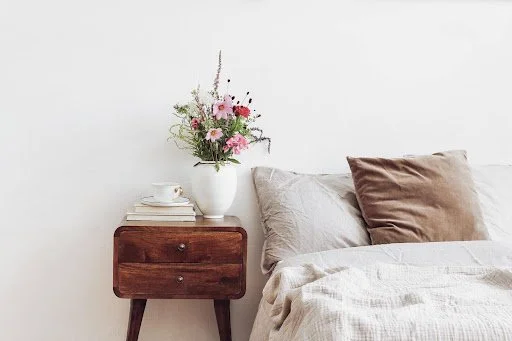
Quality sleep is essential for overall health and well-being, and making a few home improvements can significantly enhance your ability to rest. From adjusting lighting to controlling temperature, thoughtful changes to your bedroom can create an environment that supports relaxation and better sleep.
Install Ambient Lighting for a Calming Atmosphere
Bright lights can interfere with your body’s natural sleep signals, so opt for softer, ambient lighting in your bedroom. Installing dimmable lights or using warm-hued bulbs helps create a calming environment before bedtime. Layering lights, such as adding bedside lamps with soft shades or installing wall-mounted fixtures, allows you to adjust the lighting as needed. Avoid harsh overhead lighting during evening hours to promote a soothing ambiance.
Add a Fireplace for Warmth and Comfort
Temperature plays a big role in sleep quality, and a cozy, slightly cooler room helps encourage restful sleep. A fireplace adds both warmth and ambiance, creating a comfortable space to unwind. Many models offer adjustable settings, allowing you to control the heat and even operate without heating for ambiance alone. An electric fireplace shop can help you find a style and size that fits your room, adding both function and aesthetic appeal to your sleep sanctuary.
Invest in Blackout Curtains for Optimal Darkness
Darkness signals your body to produce melatonin, a hormone that promotes sleep. Blackout curtains are an effective way to block out streetlights, car headlights, and early morning sun, ensuring a dark, sleep-friendly space. Besides blocking out light, blackout curtains can also help reduce outside noise, creating a quieter environment conducive to relaxation.
Choose Calming Colors and Comfortable Bedding
Colors have a psychological impact, and choosing soft, cool shades like blues, greens, or grays can promote a sense of calm. Updating your bedding is another way to improve sleep; high-quality, breathable fabrics like cotton or linen provide comfort and help regulate body temperature. Opt for a supportive mattress and plush pillows suited to your preferred sleep position for maximum comfort.
Creating a sleep-friendly environment doesn’t require major renovations—small improvements can make a big difference in how well you rest. From installing blackout curtains to choosing the right lighting, each adjustment adds to the overall comfort and tranquility of your space, setting the stage for better sleep and improved health. Check out the infographic below.
