

A resource for those seeking information on organizing and transforming spaces.
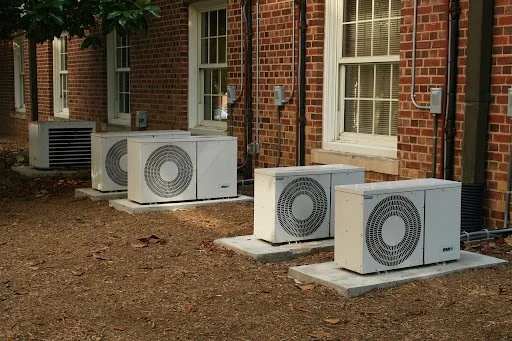
Can You Sell a House With an Old AC System in the Vegas Heat?
Selling a home in Las Vegas comes with unique challenges, and one of the biggest concerns for buyers is air conditioning. Desert temperatures regularly climb above 100 degrees, which means cooling systems play a huge role in everyday comfort. When a house has an older AC unit, many homeowners worry that buyers will walk away from the deal.
We partnered with a real estate company for this post. The opinions in the post are honest. All reviews and opinions expressed in this post are based on our personal views. We are excited because we know you will love it.
Selling a home in Las Vegas comes with unique challenges, and one of the biggest concerns for buyers is air conditioning. Desert temperatures regularly climb above 100 degrees, which means cooling systems play a huge role in everyday comfort. When a house has an older AC unit, many homeowners worry that buyers will walk away from the deal.
In reality, homes with aging cooling systems still sell every day. Buyers often look at many factors beyond one mechanical system. Location, property size, layout, and future improvement potential can all influence a purchase decision. Understanding how buyers think about older AC systems can help sellers approach the process with more confidence.
Why Cooling Systems Matter in Desert Climates
In a hot desert city like Las Vegas, a reliable cooling system is not a luxury. It is part of daily living. During long summers, indoor temperatures can quickly become uncomfortable without proper air conditioning. For this reason, buyers often ask questions about the age, condition, and maintenance history of an AC unit when touring a property.
An older AC system does not automatically eliminate buyer interest. Many homes built years ago still operate with units that have provided service for decades. Buyers often consider whether the system still functions properly and how soon replacement may be necessary. Some buyers even expect certain components of a home to be older.
Properties in established neighborhoods frequently include aging mechanical systems. When buyers see a home priced appropriately, they may simply factor potential upgrades into their plans.
How Sellers Still Close Deals With Older AC Units
Many homeowners assume that replacing an air conditioner is required before selling. In some situations that may help attract buyers. In other cases, sellers move forward without major upgrades and still find interested buyers. Companies such as Fast Vegas Home Buyers often purchase properties in various conditions, including homes with older cooling systems. These buyers evaluate a property as a whole rather than focusing on a single component.
They look at overall potential, neighborhood demand, and possible renovation opportunities. Traditional buyers can also remain interested when they see value in a property. If the structure is solid, the layout is appealing, and the location fits their needs, an aging AC system may simply become part of their renovation plans.
Some homeowners choose to provide information about the unit’s maintenance history. Service records, filter replacements, and repair documentation help demonstrate that the system has been cared for properly.
Signs Buyers Look For During Home Tours
Buyers rarely walk into a home and immediately search for the air conditioning unit. They typically focus first on the overall feel of the property. Comfort, airflow, and indoor temperature often give the first clues about how well the system performs. If the house feels cool and comfortable during a showing, buyers may feel reassured about the condition of the system. When indoor air feels stagnant or warm, they may begin asking questions about the equipment.
Many buyers also check visible components such as vents, thermostats, and exterior condenser units. Clean vents, well-maintained outdoor equipment, and organized utility areas can create a positive impression. Noise level also matters. A loud or struggling AC unit may draw attention, while a quiet system operating smoothly can help buyers feel confident during their visit.
Pricing Strategy When Cooling Equipment Is Aging
Pricing plays an important role when selling any home with older features. Buyers understand that mechanical systems eventually reach the end of their lifespan. When sellers price a property realistically, buyers often accept that upgrades may be part of ownership.
Real estate professionals frequently review recent residential neighborhood sales before recommending a listing price. Homes with updated systems may sell for higher amounts, while houses with older equipment sometimes reflect those price differences.
Some sellers choose to offer small incentives during negotiations. A credit toward closing costs or future repairs can make a buyer feel more comfortable moving forward with the purchase. These adjustments often help balance concerns about replacement costs while keeping the transaction moving smoothly.
Small Improvements That Help a Home Feel Cooler
Even when an AC unit is older, small improvements can help a home feel more comfortable during showings. These changes create a better experience for buyers walking through the property.
Helpful steps may include:
Replacing air filters before showings
Cleaning vents and removing dust buildup
Adjusting the thermostat to maintain a comfortable temperature
Clearing debris around the outdoor condenser unit
Using ceiling fans to improve airflow
These simple actions help buyers experience the home at its best. A cool, comfortable interior often leaves a stronger impression than a house that feels warm or poorly ventilated.
Buyers Who See Renovation Potential
Not every buyer expects a move-in-ready property. Some actively search for homes they can update over time. An older AC system can fall into that category. Investors and renovation-minded buyers often evaluate replacement costs alongside potential long-term value. If the property sits in a desirable Las Vegas neighborhood, installing a new cooling system may feel like a reasonable investment. New homeowners sometimes prefer choosing their own upgrades as well. Selecting modern energy-efficient equipment allows them to control comfort levels and reduce future energy costs. Because of this mindset, an aging AC system does not automatically prevent a successful sale.
What Sellers Should Keep in Mind During the Process
Selling a home with an older air conditioning unit requires clear communication and realistic expectations. Transparency helps create trust between sellers and potential buyers. Providing accurate information about the system’s age and performance allows buyers to make informed decisions. When questions arise during inspections, open conversations often keep negotiations productive. Homeowners can also explore different selling paths depending on their priorities. Some prefer traditional listings, while others consider faster options that involve fewer repairs and quicker timelines. Each approach offers different advantages depending on the seller’s goals and situation.
Setting Realistic Expectations for Your Sale
Homes across Las Vegas sell with a wide range of property conditions every year. Aging AC systems are just one of many factors buyers evaluate when considering a purchase. While cooling equipment matters in desert climates, it rarely determines the entire outcome of a sale. Buyers often think about the bigger picture. Location, layout, price, and long-term potential all influence their decisions. When sellers understand these priorities, they can approach the selling process with a clearer strategy.
With honest communication, realistic pricing, and a comfortable indoor environment during showings, homeowners can still attract strong interest. Even under the intense Vegas sun, properties with older AC systems continue to find new owners ready to make the house their own.
Frequently Asked Questions
Q1: Can I sell my house in Las Vegas if it has an old AC system?
A: Yes! Homes with older AC systems sell all the time in Las Vegas. Buyers consider various factors, including location, property size, and layout, rather than just focusing on the age of the AC unit. If your home is priced appropriately and has other appealing features, you’re likely to find interested buyers.
Q2: What should I do to make my old AC system more appealing to buyers?
A: You can take a few simple steps to enhance buyer perception of your AC system. Clean the vents, replace air filters, and ensure the thermostat is set to a comfortable temperature during showings. Also, clearing debris from around the outdoor condenser unit can make a positive impression.
Q3: Who typically buys homes with older cooling systems?
A: Investors, renovation buyers, and companies such as Fast Vegas Home Buyers often purchase properties with aging systems. These buyers usually look at long-term potential and may already plan upgrades after purchasing the home.
Q4: Do I need to replace my old AC unit before selling my house?
A: Not necessarily! While a new AC unit might attract some buyers, many are open to older systems, especially if they see the overall value in the property. If you provide maintenance records or demonstrate that the system is functioning well, it can help reassure buyers without needing a full replacement.

Why Purchasing Acreage Is Ideal for Building Your Dream Home
Dream home construction represents an opportunity for creating personalized living spaces matching exact preferences, lifestyle requirements, and aesthetic visions that existing home purchases cannot satisfy, despite extensive property searches attempting to find homes meeting specific criteria that rarely exist in ready-built inventory.
Dream home construction represents an opportunity for creating personalized living spaces matching exact preferences, lifestyle requirements, and aesthetic visions that existing home purchases cannot satisfy, despite extensive property searches attempting to find homes meeting specific criteria that rarely exist in ready-built inventory.
While custom home building on standard suburban lots provides some design freedom, purchasing acreage for construction offers substantially greater flexibility regarding home placement, outdoor space utilization, privacy achievement, and future expansion possibilities that larger land parcels enable beyond what constrained residential lots permit.
Understanding why purchasing acreage proves ideal for building dream homes reveals how land size, location control, development flexibility, and long-term value all favor acreage purchases over standard lot options when custom construction plans include substantial outdoor amenities, privacy prioritization, or architectural designs that generous setbacks and open space require for optimal implementation.
Design Freedom and Architectural Flexibility
Acreage purchases provide design freedom that standard residential lots cannot match through relaxed setback requirements, minimal density restrictions, and ample space accommodating homes of any size or configuration without the constraints that small lots impose on architectural possibilities. The land abundance allows positioning homes optimally for views, solar orientation, prevailing breezes, or privacy considerations that lot dimensions and orientation might not support on standard parcels.
Building placement flexibility also enables designing around natural features, including mature trees, topographic variations, or water features that acreage often includes, creating integrated landscapes that standard lots rarely offer. This natural feature preservation proves impossible on cleared subdivision lots where development removes existing vegetation and levels the terrain, creating blank canvases requiring complete landscaping from scratch.
The design freedom extends to outbuildings, workshops, garages, or recreational structures that acreage easily accommodates, while zoning restrictions or space limitations prevent on standard lots despite the desire for these auxiliary structures supporting hobbies, storage needs, or recreational activities that dream home lifestyles include.
Privacy and Distance From Neighbors
Acreage provides privacy through distance that suburban lots cannot deliver, regardless of fencing or landscaping attempting to create seclusion on properties where homes sit close together with minimal separation. The space buffer that multiple acres create eliminates neighbor noise, ensures visual privacy, and provides freedom from the proximity concerns that close development creates through shared property lines and overlapping outdoor spaces.
The privacy proves particularly valuable for outdoor living areas, swimming pools, or recreational activities where enjoyment increases substantially when screened from neighbor views and sounds that close residential development makes unavoidable despite privacy fencing or vegetation barriers attempting separation that proximity inherently compromises.
Rural or semi-rural acreage also reduces traffic noise, light pollution, and urban activity that peaceful countryside living avoids through distance from congested areas that density creates in populated developments, regardless of individual property sizes.
Outdoor Amenities and Land Utilization
Acreage enables outdoor amenities, including private ponds, extensive gardens, riding arenas, sports courts, or walking trails that standard lots cannot accommodate, despite desires for these features that active outdoor lifestyles value. The land abundance allows pursuing agricultural interests, including small-scale farming, orchards, vineyards, or livestock, which incorporate hobby farming or sustainable living goals into property use.
Children and pets also benefit substantially from the space that acreage provides for outdoor play, exploration, and exercise, which confined yards limit, despite being adequate for basic outdoor access. The freedom that large properties enable creates childhood experiences and family activities that cramped suburban lots cannot support, regardless of nearby parks supplementing limited private outdoor space.
The outdoor space also supports future amenities that initial budgets might not accommodate, but that available land allows adding later when finances permit expanding recreational facilities, guest cottages, or landscape features that long-term property development includes.
Investment Value and Future Flexibility
Acreage often appreciates well through land scarcity in desirable areas, development pressure increasing values, and flexibility that future buyers value for their own plans that acreage enables. The investment quality often exceeds standard residential lots through greater demand for larger parcels among buyers seeking exactly what acreage provides.
Future flexibility also proves valuable if family needs change, with acreage allowing property subdivision, additional dwelling construction for extended family, or commercial opportunities that zoning might permit on larger parcels but prohibit on standard residential lots. When purchasing acreage for dream home construction, working with experienced land specialists like Milburn Properties ensures access to quality parcels, proper due diligence regarding zoning and utilities, realistic guidance about development costs, and transaction support that acreage purchases require for successful outcomes, rather than proceeding independently without expert assistance.
Purchasing acreage proves ideal for dream home building through design freedom, superior privacy, extensive outdoor amenity possibilities, and strong investment value that larger land parcels provide beyond standard residential lot capabilities.

How to Select the Right Refrigerator for Your Home
Refrigerator selection represents a significant appliance investment affecting daily kitchen functionality, food storage capacity, energy consumption, and kitchen aesthetics throughout typical service lives spanning ten to twenty years that purchasing decisions influence substantially.
Refrigerator selection represents a significant appliance investment affecting daily kitchen functionality, food storage capacity, energy consumption, and kitchen aesthetics throughout typical service lives spanning ten to twenty years that purchasing decisions influence substantially.
The overwhelming variety of refrigerator configurations, sizes, features, and price points creates decision complexity that hasty purchases made without careful consideration of actual household needs, kitchen constraints, and long-term value often result in regret through choosing models that don't fit spaces properly, lack needed capacity, or include unnecessarily expensive features that usage patterns don't justify.
Understanding how to select the right refrigerator for homes requires evaluating capacity requirements, configuration preferences, energy efficiency, feature priorities, and budget constraints that together determine which models merit serious consideration among hundreds of options that appliance retailers stock across price ranges from basic budget models to premium feature-rich alternatives.
Capacity Assessment and Size Requirements
Refrigerator capacity selection begins with household size consideration, shopping frequency, entertaining habits, and food storage preferences that determine how much refrigerator and freezer space daily use requires. Larger families need greater capacity, accommodating weekly grocery shopping and meal preparation for multiple people, while smaller households manage adequately with compact models that space-constrained kitchens might require.
The capacity evaluation should account for growth expectations if family size might increase, whether bulk shopping at warehouse stores occurs regularly, requiring storage for large quantities, and if extensive meal preparation or baking demands substantial refrigerator space for ingredients and prepared items. These usage patterns dramatically affect appropriate capacity beyond simple household size calculations.
Physical dimensions prove equally critical as internal capacity, with refrigerators needing to fit designated kitchen spaces while allowing proper door clearance, adequate ventilation, and installation access that delivery and setup require. Careful measurement, including height, width, and depth, ensures selected models actually fit intended locations without requiring costly modifications or discovering incompatibility during delivery.
Counter-depth models provide flush installation with cabinetry, creating integrated appearances that standard-depth refrigerators protruding beyond counters cannot achieve, but counter-depth units sacrifice some internal capacity for exterior dimension reductions that aesthetic preferences might justify despite capacity compromises.
Configuration Selection and Layout Preferences
Refrigerator configurations, including top-freezer, bottom-freezer, side-by-side, and French door models, each offer distinct advantages that usage preferences determine appropriateness for individual households. Top-freezer models provide economical capacity with familiar layouts, while bottom-freezer designs position frequently accessed refrigerator sections at convenient heights, reducing bending.
Side-by-side configurations offer narrow door swings suiting tight kitchens while providing eye-level access to both refrigerator and freezer sections, though individual compartment widths limit storing wide items that single-door models accommodate easily. French door models combine bottom freezers with double refrigerator doors, creating wide refrigerator access with a compact door swing that kitchen layouts benefit from.
The configuration choice also affects internal organization options, with some designs offering more flexible shelving, superior drawer systems, or better door storage that specific storage needs might favor despite other configuration trade-offs.
Energy Efficiency and Operating Costs
Refrigerators operate continuously, creating substantial electricity consumption that Energy Star-certified models reduce through improved insulation, efficient compressors, and optimized designs that accumulate operating cost savings throughout appliance lifespans. The efficiency improvements often justify premium prices through utility savings that inferior efficiency models cannot provide, despite lower purchase costs.
Energy guide labels display estimated annual operating costs, enabling comparison across models, with efficient units potentially saving hundreds of dollars over service lives compared to minimum efficiency alternatives that electricity waste creates through outdated technology or inadequate insulation.
Feature Evaluation and Value Assessment
Modern refrigerators offer numerous features, including ice makers, water dispensers, adjustable shelving, humidity-controlled drawers, and smart connectivity that provide convenience provides but costs increase substantially. Feature selection should reflect actual usage likelihood rather than perceived desirability of capabilities that daily life might not utilize sufficiently, justifying premiums. When purchasing refrigerators, working with knowledgeable appliance retailers like Nino's Trading Company ensures access to quality brands, expert selection guidance, proper delivery and installation, and warranty support that appliance investments deserve rather than purchasing solely on price without considering service quality.
Brand Reliability and Warranty Coverage
Refrigerator brand reputation for reliability, parts availability, and service network quality all affect long-term ownership satisfaction beyond initial purchase considerations. Quality manufacturers stand behind products through comprehensive warranties, readily available replacement parts, and authorized service networks that facilitate repairs when needed.
Selecting the right refrigerator requires evaluating capacity needs, choosing appropriate configurations, prioritizing energy efficiency, assessing feature value, and considering brand reliability, which together ensure appliance purchases serve households effectively throughout extended service lives.
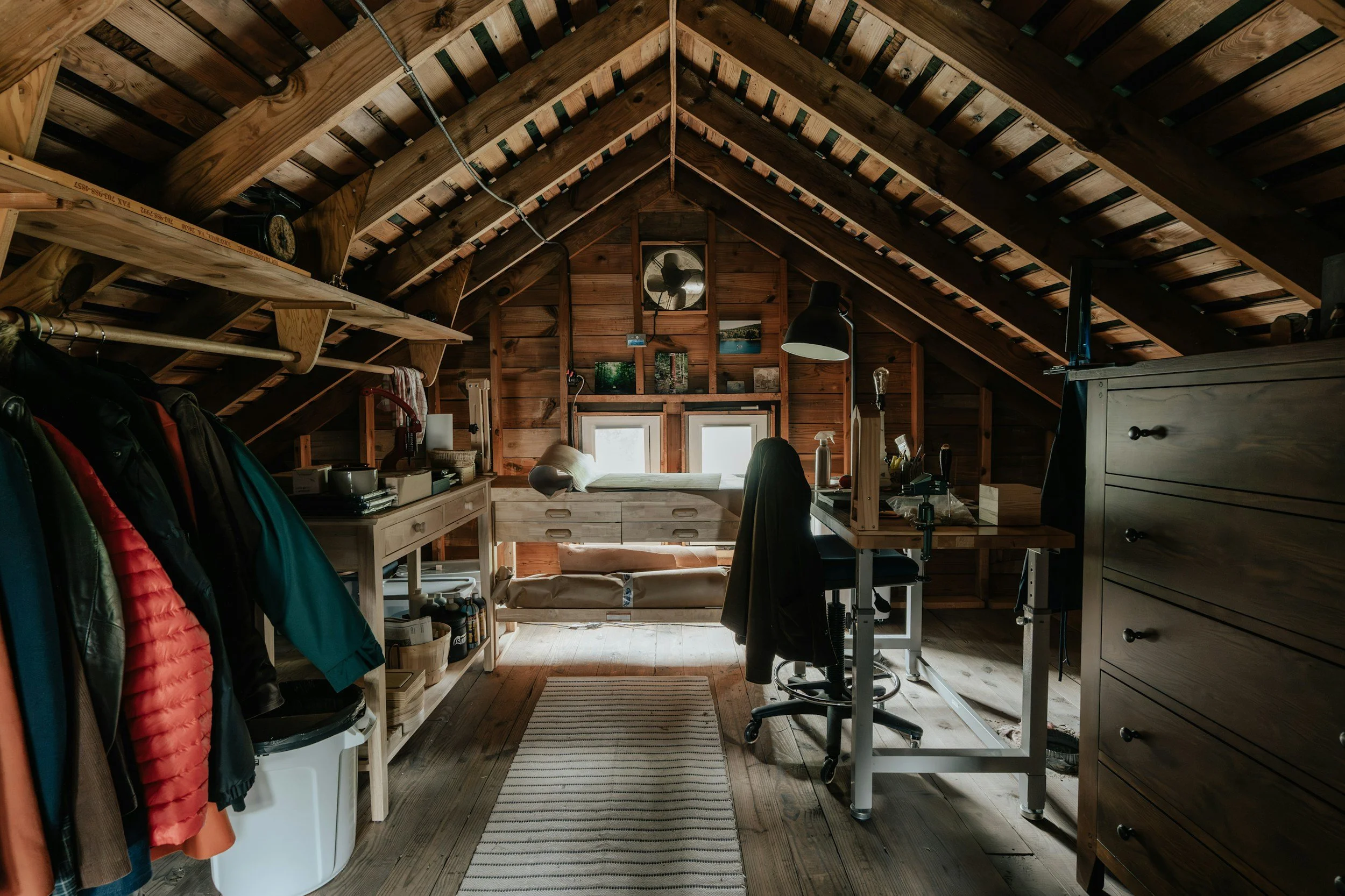
How Attic Lifts Turn Wasted Space Into Premium Storage
Many homeowners struggle with cluttered garages, overflowing closets, and the constant feeling of not having enough storage. Yet, just above the ceiling sits one of the most underused spaces in the entire home—the attic. The challenge isn’t the space itself but the difficulty and danger of accessing it. Attic lifts offer a modern, practical solution that transforms this overlooked area into safe, convenient, premium storage. By eliminating the risks of ladders and heavy lifting, attic lifts unlock a world of possibilities for organization, safety, and home efficiency.
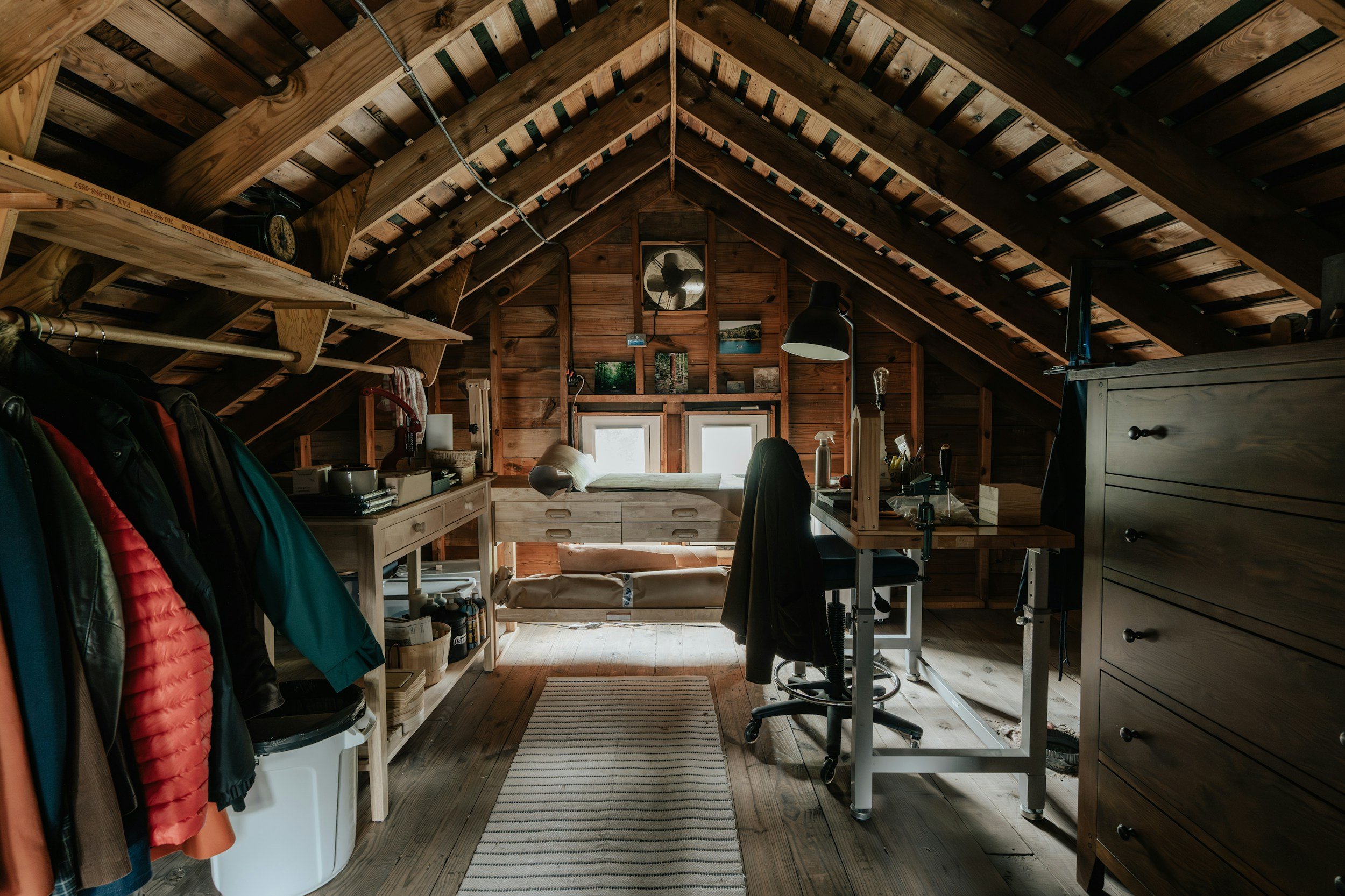
Many homeowners struggle with cluttered garages, overflowing closets, and the constant feeling of not having enough storage. Yet, just above the ceiling sits one of the most underused spaces in the entire home—the attic. The challenge isn’t the space itself but the difficulty and danger of accessing it. Attic lifts offer a modern, practical solution that transforms this overlooked area into safe, convenient, premium storage. By eliminating the risks of ladders and heavy lifting, attic lifts unlock a world of possibilities for organization, safety, and home efficiency.
Understanding Why Attics Often Go Unused
Most attics remain untouched not because homeowners lack storage needs, but because the space is difficult and unsafe to access. Steep ladders, narrow steps, and awkward angles make carrying boxes a risky task, increasing the likelihood of falls, strains, and dropped items. Even for physically capable homeowners, the process is inconvenient and time‑consuming, which discourages regular use. As a result, valuable square footage sits idle while storage needs continue to grow. Attic lifts change this dynamic entirely by eliminating the hazards of traditional attic access and making the space as accessible and functional as any other room in the home.
Exploring How Attic Lifts Improve Safety and Functionality
Attic lifts replace the need to climb ladders with a motorized platform that moves items safely between floors, making attic access far easier and more efficient. With the push of a button, the lift raises or lowers boxes, décor, luggage, tools, and other bulky items, eliminating the strain and instability of carrying them by hand. Built‑in safety features, sturdy construction, and generous weight capacities ensure reliable performance, while integration with existing attic openings keeps installation smooth and minimally disruptive. Beyond convenience, attic lifts significantly enhance home safety by reducing the risk of falls, back injuries, and dropped belongings. For seniors or anyone with mobility challenges, they restore safe access to valuable storage space and support long‑term independence by removing the hazards associated with traditional attic ladders.
Transforming Attics Into Organized, Accessible Storage
Once an attic lift is installed, the attic becomes a practical extension of the home—one that’s easy to reach and simple to keep organized. Seasonal décor, camping gear, sports equipment, and keepsakes can be stored neatly out of the way, freeing up valuable space in garages, closets, and living areas. Families can reclaim room for vehicles or hobbies, while DIYers and collectors can keep tools and supplies neatly arranged. Because the lift brings items up and down with the push of a button, accessing stored belongings becomes effortless. Whether retrieving holiday decorations or rotating seasonal clothing, homeowners can manage their storage quickly and safely. This combination of accessibility and ease encourages better organization and supports a tidy, functional home year‑round.
Evaluating Installation and Long‑Term Value
Installing an attic lift is typically a straightforward upgrade, since most homes already meet the basic requirements for ceiling height, attic opening size, and electrical access. Professional installers can ensure proper placement, structural support, and safe operation, making the process simple and stress‑free for homeowners. And while attic lifts do require an upfront investment, the long‑term value is substantial. They eliminate the need for off‑site storage units, reduce the risk of injuries from carrying heavy items up ladders, protect belongings from damage, and free up valuable garage or closet space. Over time, the convenience, safety, and added functionality far outweigh the initial cost, making an attic lift a smart, practical improvement for any home.
Attic lifts offer a smart, practical way to transform wasted attic space into premium, accessible storage. By improving safety, enhancing convenience, and expanding usable square footage, they help homeowners get more out of their homes without major renovations. Whether you’re looking to declutter, organize, or simply make storage easier, an attic lift is a powerful upgrade that turns hidden space into one of your home’s greatest assets.