

A resource for those seeking information on organizing and transforming spaces.

How Texture Brings Depth And Comfort To Your Home
Indoor comfort is not fixed. It changes as people move through different stages of life. What feels practical in one phase may not work as well in another. A home that adapts over time can support daily routines, health, and long-term satisfaction.
Indoor comfort is not fixed. It changes as people move through different stages of life. What feels practical in one phase may not work as well in another. A home that adapts over time can support daily routines, health, and long-term satisfaction.
Early Adulthood and Flexible Living
In early adulthood, comfort often depends on flexibility. Many people need spaces that support work, relaxation, and social life in one area. Open layouts and multi-use furniture help make smaller spaces feel more functional.
Lighting and airflow also play a role. Natural light can improve focus and mood, while proper ventilation keeps indoor air fresh. Simple layouts and easy-to-maintain materials support a fast-paced lifestyle.
Growing Families and Shared Spaces
As households grow, comfort shifts toward space and durability. Living areas need to support multiple people at once. Kitchens and common rooms often become central gathering spots.
Durable materials are important. Floors, surfaces, and furniture must handle daily use. Storage also becomes more valuable, helping reduce clutter and keep shared areas organized. Noise control can improve comfort as well. Soft materials and thoughtful layouts help reduce sound between rooms.
Work From Home and Daily Function
Many homes now include dedicated work areas. Comfort in these spaces supports focus and productivity. Proper seating, good lighting, and quiet surroundings help create a more effective work environment.
Temperature control also matters. Rooms that are too warm or too cold can affect concentration. Adjustable systems allow better control throughout the day.
Aging in Place and Accessibility
As people age, comfort becomes closely linked to ease of movement. Homes should support safe and simple navigation. Features like wider walkways and step-free entry points can make daily tasks easier.
Lighting should be bright and evenly distributed to improve visibility. Updates such as home replacement doors can improve both accessibility and insulation, helping maintain a stable indoor environment.
Indoor comfort evolves with each stage of life. A home that supports these changes can remain functional, welcoming, and practical for years to come. Thoughtful design helps create spaces that grow along with the people who live in them. For more information, look over the infographic below.


Before The Listing: Smart Steps That Increase Your Home’s Value
Preparing a home for sale takes more than a quick clean and a listing photo. Buyers look for properties that feel well cared for and move-in ready. The right preparation can help a home stand out and support a stronger selling price.
Preparing a home for sale takes more than a quick clean and a listing photo. Buyers look for properties that feel well cared for and move-in ready. The right preparation can help a home stand out and support a stronger selling price.
First Impressions Matter
The exterior of a home sets the tone for every showing. Simple updates such as mowing the lawn, trimming bushes, and cleaning walkways can improve curb appeal right away. A clean entryway and fresh paint on the front door can also create a positive first impression.
Small repairs should not be ignored. Loose railings, cracked paths, or chipped paint can signal neglect to potential buyers. Addressing these details helps present the home as well-maintained and ready for viewing.
Decluttering and Deep Cleaning
Inside the home, space and cleanliness are key. Removing excess items makes rooms feel larger and easier to view. Buyers want to picture themselves living in the space, and clutter can make that difficult.
Deep cleaning is also important. Floors, windows, and surfaces should be spotless. Odors should be addressed as well, since they can leave a lasting negative impression. A clean home suggests that it has been properly cared for over time.
Targeted Updates That Add Value
Not all upgrades provide the same return. Kitchens and bathrooms often have the most impact on value. Simple updates such as replacing fixtures, updating cabinet hardware, or adding fresh paint can improve the look without major expense.
Lighting also plays a role in how a space is perceived. Bright, well-lit rooms feel more inviting. Replacing outdated fixtures or adding light sources can improve the overall atmosphere and appeal.
Addressing Repairs and Systems
Buyers often look closely at the condition of major systems. Heating, cooling, plumbing, and electrical systems should be in good working order. Fixing issues before listing can prevent delays during the selling process.
A pre-listing inspection can help identify concerns early. This allows sellers to make repairs on their own timeline rather than during negotiations. During this stage, proper disposal of unwanted materials is also important, and using local resources such as waste management transfer stations can help keep the property clean and organized.
Preparing a home for sale involves careful attention to detail and smart decision-making. With the right approach, a property can attract more interest and stronger offers. For more information, look over the infographic below.


Running Rentals Right: A Practical Guide To Smart Landlord Operations
Owning rental property can provide a steady income, but success depends on how well daily operations are managed. Smart landlords focus on organization, clear communication, and consistent upkeep. A structured approach helps reduce stress and supports long-term results. Small improvements in how tasks are handled can lead to better performance and fewer issues over time.
Owning rental property can provide a steady income, but success depends on how well daily operations are managed. Smart landlords focus on organization, clear communication, and consistent upkeep. A structured approach helps reduce stress and supports long-term results. Small improvements in how tasks are handled can lead to better performance and fewer issues over time.
Setting Clear Expectations
Clear expectations help prevent misunderstandings between landlords and tenants. Lease agreements should outline rent terms, maintenance responsibilities, and property rules in plain language. When tenants understand their responsibilities, disputes are less likely to occur.
Consistent communication also plays a key role. Responding to questions in a timely way builds trust and helps resolve issues early. Written policies allow landlords to stay consistent across all tenants, which supports fairness and clarity.
Staying on Top of Maintenance
Routine maintenance is essential for protecting property value. Regular inspections can identify small issues before they turn into costly repairs. Tasks such as checking plumbing, heating systems, and exterior areas should be done on a set schedule.
Prompt repairs also improve tenant satisfaction. When tenants see that problems are addressed quickly, they are more likely to take care of the property and remain long-term. A clear maintenance plan helps keep everything on track.
Managing Finances Effectively
Financial organization supports stable rental operations. Tracking income and expenses allows landlords to understand how their property is performing. This information helps with budgeting for repairs, upgrades, and other costs.
Setting aside funds for unexpected expenses is also important. Late payments should be handled with clear and consistent policies. Keeping accurate records makes tax preparation easier and reduces the chance of errors.
Using Tools and Support
Technology can simplify many aspects of rental management. Digital tools can track rent payments, schedule maintenance, and store documents in one place. These systems reduce manual work and improve accuracy.
Some landlords choose to work with property management professionals to handle daily responsibilities. This option can be useful for those with multiple properties or limited time. The right support system helps maintain consistency and efficiency.
Smart landlord operations rely on clear systems and consistent follow-through. By focusing on expectations, maintenance, financial tracking, and tenant relationships, landlords can create a stable and efficient process. With the right approach, rental properties can remain both manageable and profitable over time. Look over the infographic below for more information.

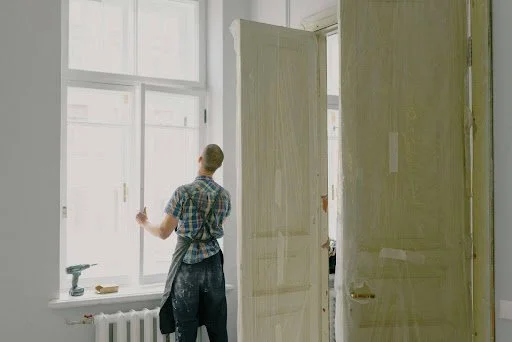
Affordable Home Improvement Hacks That Look Expensive
Everyone dreams of a home that feels stylish, modern, and luxurious - but most people assume that achieving that look requires a big budget. The truth is, home improvement doesn’t have to be expensive to be effective. With a few smart, strategic choices, even small updates can create the appearance of a high-end home. In this article, we’ll explore affordable home improvement hacks that will elevate your space without breaking the bank.
Everyone dreams of a home that feels stylish, modern, and luxurious - but most people assume that achieving that look requires a big budget. The truth is, home improvement doesn’t have to be expensive to be effective. With a few smart, strategic choices, even small updates can create the appearance of a high-end home. In this article, we’ll explore affordable home improvement hacks that will elevate your space without breaking the bank.
Why Small Changes Make a Big Difference
When it comes to home improvement, many people focus on major renovations - tearing down walls, replacing floors, or completely remodeling kitchens. While those projects are impressive, they’re also costly and time-consuming. Often, what really makes a home feel expensive is attention to detail: lighting, texture, color, and proportion.
Small upgrades can create a significant visual impact, tricking the eye into thinking you’ve invested far more than you have. By focusing on these “perceived luxury” areas, you can achieve a high-end aesthetic while staying on budget.
Brighten Up Your Home with Lighting
One of the easiest ways to upgrade your space is through lighting. Poor or outdated lighting can make even a well-decorated room feel dull and cheap. On the other hand, the right fixtures and bulbs can transform the mood and style of your home.
Consider swapping out old ceiling lights for modern pendants or small chandeliers. Even a simple lamp upgrade can add elegance and warmth. Layered lighting - combining ambient, task, and accent lighting - also makes a space feel curated and luxurious.
Lighting is an essential home improvement tool that often goes overlooked, yet it’s one of the most effective ways to make a room feel upscale.
Elevate Your Walls with Trim and Molding
Architectural details like crown molding, baseboards, or simple wall trim can dramatically change the perception of a room. These small touches add depth, structure, and sophistication.
You don’t need expensive materials to achieve this effect. Lightweight foam or PVC trim is affordable, easy to install, and paintable, allowing you to mimic the look of traditional, costly molding. Even subtle picture frame molding on walls creates a designer feel that makes your home look polished.
Adding such features is a clever home improvement strategy that gives rooms character and instantly elevates the overall aesthetic.
Kitchen and Bathroom Upgrades Without a Full Remodel
Kitchens and bathrooms often feel like the most expensive parts of a home to renovate - but you don’t need a complete overhaul to make a difference.
For kitchens, painting cabinets in a modern color and replacing handles can make old cabinets feel brand new. Adding peel-and-stick backsplash tiles can further enhance the space at minimal cost. In bathrooms, swapping out faucets, showerheads, and hardware is surprisingly effective, giving the room a refreshed, modern look.
These projects are classic examples of home improvement hacks that provide high visual impact without the high price tag.
Paint: The Ultimate Affordable Upgrade
Paint is hands-down the most versatile and cost-effective home improvement tool. The right shade can completely transform a room. Neutral tones like soft greys, warm beiges, or creamy whites often feel luxurious, while a carefully chosen accent wall can add depth and personality.
Don’t forget doors, furniture, or cabinets - they all benefit from a fresh coat of paint. In combination with small hardware updates, painting can make spaces look freshly renovated, giving the illusion of a much larger investment.
Declutter and Style Your Space Like a Pro
Sometimes, the most affordable home improvement is no improvement at all - it’s about editing. Cluttered spaces feel cramped and chaotic, while clean, well-styled rooms look expensive and intentional.
Focus on a few statement pieces instead of many small items. Layer textiles, such as cushions, throws, and curtains, to add texture and warmth. Even small touches, like coordinating colors or arranging objects in groups of odd numbers, can make a space feel curated.
Remember: people notice thoughtful styling even more than they notice price tags.
Incorporate Natural Elements
Greenery, wood accents, and natural textures bring life into a home, creating a sense of luxury. Plants are inexpensive but instantly elevate a room, making it feel vibrant and welcoming. Large floor plants, small tabletop plants, or even simple succulents can make a big visual difference.
Wood and stone accents - whether through furniture, frames, or decorative pieces - also add depth and character, giving the impression of a well-designed, high-quality home. Integrating nature is a subtle but highly effective home improvement approach.
Mirrors: Simple Yet Powerful
Mirrors are another affordable way to enhance your space. Large mirrors reflect light, make rooms appear bigger, and add an elegant touch. Statement mirrors can act as artwork while also amplifying the perception of space.
Even leaning a full-length mirror against a wall can create a modern, stylish focal point. It’s a simple trick, but one that immediately elevates the look of any room.
Flooring and Rugs: Affordable Texture
Replacing flooring can be costly, but you can still refresh your floors with affordable hacks. High-quality rugs, layered carpets, or even peel-and-stick vinyl tiles can mimic expensive finishes. Rugs, in particular, define spaces, add texture, and create a sense of comfort and style.
By choosing the right patterns and colors, you can visually tie the room together, making your space feel luxurious without the heavy investment.
Final Thoughts
Luxury doesn’t always come with a high price tag. The key to home improvement is knowing where to focus your energy: details, textures, lighting, and styling. Even small, affordable changes - like upgrading fixtures, adding molding, painting, or decluttering - can dramatically improve the look and feel of your home.
With these strategies, you don’t need a massive renovation budget to create a home that feels polished, intentional, and surprisingly expensive. Smart, thoughtful home improvement is all about maximizing impact without overspending - and the results can be stunning.