

A resource for those seeking information on organizing and transforming spaces.
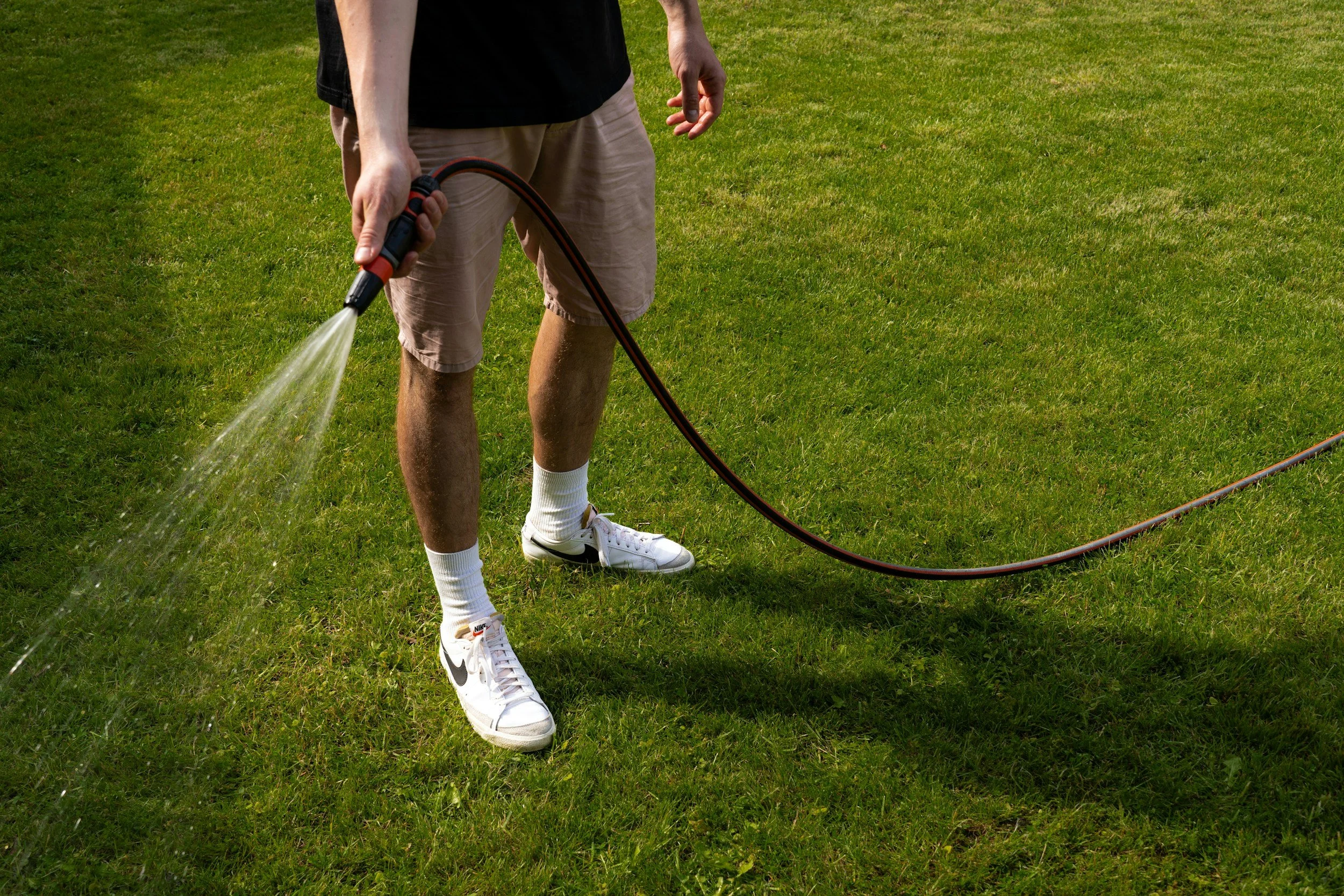
7 Lawn Care Mistakes to Avoid for a Greener Backyard
A healthy backyard looks simple from the outside. But anyone who’s tried keeping grass green knows it takes more than luck. One week it’s thriving, the next it’s patchy and dull. Guests notice, kids complain, and you’re left wondering what went wrong.
We partnered with a home improvement company for this post. The opinions in the post are honest. All reviews and opinions expressed in this post are based on our personal views. We are excited because we know you will love it.
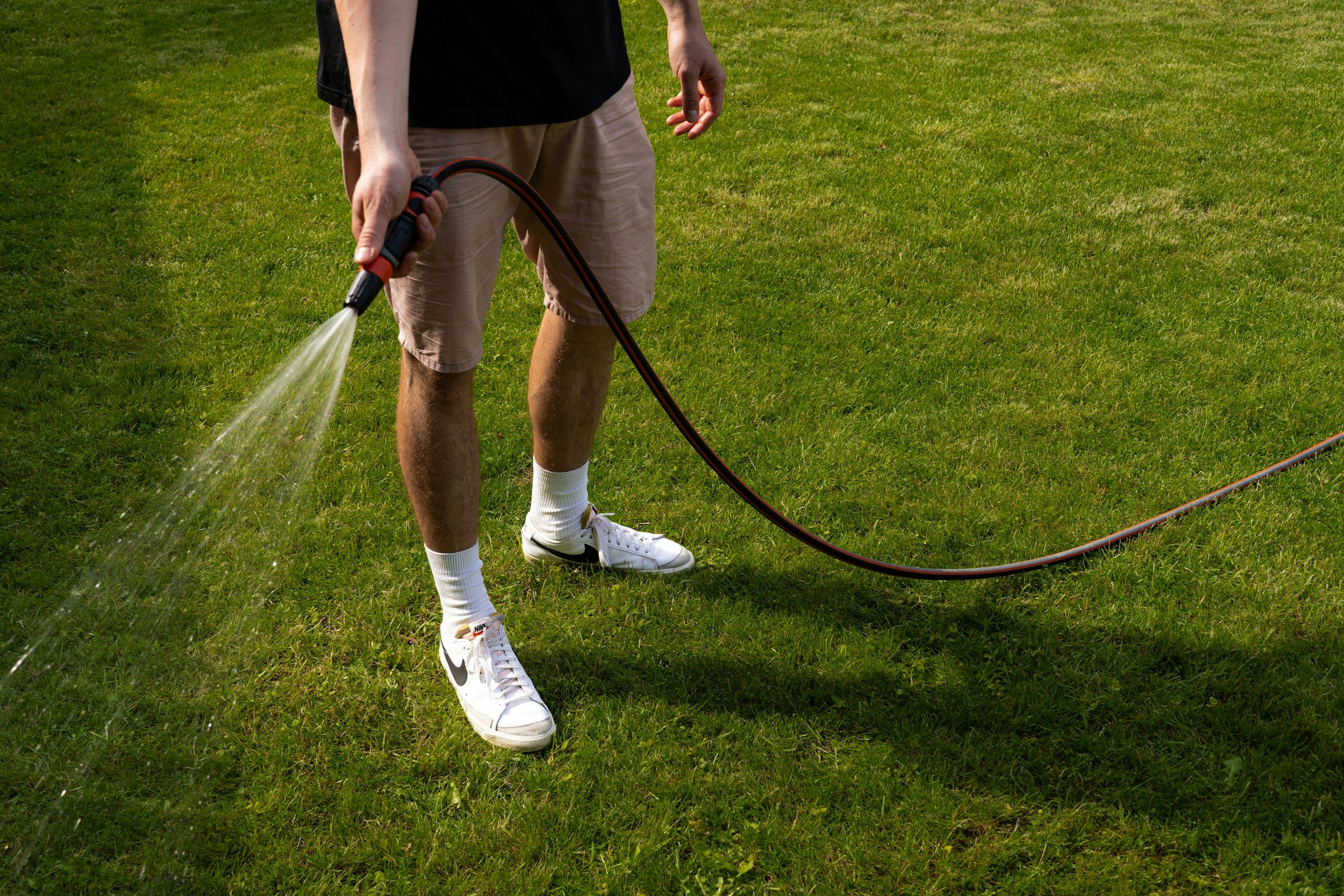
A healthy backyard looks simple from the outside. But anyone who’s tried keeping grass green knows it takes more than luck. One week it’s thriving, the next it’s patchy and dull. Guests notice, kids complain, and you’re left wondering what went wrong.
The truth is, most lawns don’t fail because of neglect—they fail because of small mistakes. Cutting too short, watering at the wrong time, or forgetting soil health quietly weakens the yard. The upside? These mistakes are easy to avoid once you know what to watch for.
In this article, you’ll find seven common lawn care mistakes that might be holding your backyard back, along with fixes that keep grass strong, green, and healthy all season long.
1. Mowing Too Short
Many homeowners think shorter grass means less mowing. But mowing too close to the ground weakens roots and leaves soil exposed. That dry soil invites weeds and pests while robbing your grass of the strength it needs. Over time, the lawn starts looking stressed and thin.
The fix is simple: raise the mower blades. For most grass types, only cut one-third of the blade length at a time. This keeps grass tall enough to shade soil and thick enough to block weeds. A little extra length can make a big difference in lawn health.
2. Not Knowing When to Mow
Timing matters as much as blade height. Some people cut whenever they have time, but inconsistent schedules confuse growth. Cutting too often stresses plants. Waiting too long leaves thick, uneven clumps that are harder to manage.
If you’ve wondered how often should you mow your lawn, the answer depends on grass type, season, and growth rate. In warm months, weekly mowing usually works. Cooler months require less frequent trims. The goal is steady height—not too short, not too tall. A consistent rhythm keeps the grass strong and visually even.
3. Not Having the Right Equipment
A mower with dull blades doesn’t cut—it tears. Torn grass turns brown at the tips and looks messy. Outdated or poorly maintained machines also leave uneven patches, wasting your effort.
The right tools protect your time and your lawn. Sharp blades slice cleanly, reducing plant stress. Modern equipment is easier to handle and more efficient.
Homeowners who prefer to handle lawn care themselves should invest in dependable machines from trusted retailers. Reliable ones, such as Bethel Power, provide equipment designed to match different lawn sizes and needs, helping you keep every cut smooth and effective. Choosing the right mower or trimmer makes the work easier and delivers better results.
4. Ignoring Soil Health
Lush grass begins below the surface. Without healthy soil, even the best mowing or watering won’t deliver results. Nutrient-poor soil weakens roots, leaving grass dull and fragile.
Regular testing tells you what the soil lacks. Sometimes it’s nitrogen, and other times it's phosphorus or potassium. Once you know, you can add the right fertilizer or organic material. Healthy soil locks in moisture, supports deep roots, and gives grass the fuel it needs to thrive. Think of it as feeding the lawn from the ground up.
5. Watering at the Wrong Time
A sprinkler on at noon may feel productive, but most of that water evaporates before reaching the roots. Midday watering also risks scorching blades. Night watering creates another problem: moisture lingers, which encourages fungal growth.
The best schedule is early morning. Watering before the heat gives grass time to absorb moisture, then dry naturally as the day warms. Deep, occasional watering also works better than frequent light sprinkles because it trains roots to grow deeper and stronger.
6. Overlooking Weed Control
Weeds don’t just make lawns look messy—they compete for water, nutrients, and sunlight. If ignored, they spread quickly and choke out healthy grass.
Prevention is the best strategy. Keep grass thick enough to block invaders and deal with weeds as soon as they appear. Spot-treat problem areas or pull them before they seed. A little attention early on saves you the frustration of battling a lawn full of invaders later.
7. Forgetting Seasonal Care
Grass isn’t the same year-round, and treating it as such leads to problems. Spring growth demands more mowing and nutrients. Fall is the time to overseed and prepare for winter. Summer requires extra attention to watering. Many homeowners skip these seasonal changes, leaving lawns unprepared.
Adjusting your care plan to the calendar makes lawns stronger. Fertilize in spring, mow regularly in summer, overseed in fall, and let the grass rest more in winter. Each step prepares your lawn for the next season, keeping it healthier throughout the year.
Conclusion
A greener backyard doesn’t mean endless hours of work. It means avoiding simple mistakes. Cutting grass at the right height, knowing when to mow, and using proper equipment set the foundation. Healthy soil, smart watering, weed prevention, and seasonal adjustments do the rest.
The reward is a lawn that feels alive—thick, green, and welcoming. With a few small changes, you’ll transform patchy grass into the kind of backyard you’re proud to enjoy and share.

Year-Round Pest Calendar For Your Home
Year-Round Pest Calendar For Your Home
(photo credit: Microsoft Stock Images)
Keeping your home free from pests requires planning throughout the year, as different insects and rodents are more active during certain seasons. A seasonal approach allows homeowners to prevent infestations before they become serious problems.
Winter: Rodents and Indoor Invaders
Cold weather drives mice, rats, and other rodents indoors seeking warmth and food. Check for gaps around doors, windows, and the foundation. Stored food in pantries can attract pests like pantry moths and cockroaches. Sealing cracks and storing food in airtight containers helps reduce the risk.
Spring: Ants and Termites
As temperatures rise, ants and termites become more active. Spring is the prime time for ant colonies to expand, often entering homes in search of food. Termite swarms usually occur in late spring, which can signal infestations near foundations or wooden structures. Regular inspections of wood structures and the perimeter of your home are crucial.
Summer: Mosquitoes and Flies
Warm weather and increased rainfall create ideal conditions for mosquitoes and flies. Standing water around the yard, such as in birdbaths, flower pots, or clogged gutters, can become breeding grounds for mosquitoes. Flies can enter through open windows or attracted to outdoor cooking areas. Removing stagnant water and maintaining window screens are effective preventive measures.
Fall: Spiders and Rodents
As the weather cools, spiders and rodents seek shelter indoors. Spiders often appear in basements, attics, and corners of seldom-used rooms. Continued rodent activity requires ongoing attention to sealing entry points and monitoring traps. Leaf piles and debris around the home can attract pests, so keeping the yard tidy is important.
Maintaining a year-round plan for pest management helps reduce the risk of infestations and protects your home’s structure. Homeowners searching for professional help can search for residential pest control near me to find services that provide inspections and targeted treatments suited for each season. Following this calendar ensures proactive steps rather than reactive fixes, keeping your home healthier and more comfortable throughout the year. For more information, look over the infographic below.
Infographic Embed Code:
<img src=https://lh3.googleusercontent.com/d/1cIwsWqYrgYrF3Crw-WV2GQrs34iJgXP6=s0?authuser=0>
Keeping your home free from pests requires planning throughout the year, as different insects and rodents are more active during certain seasons. A seasonal approach allows homeowners to prevent infestations before they become serious problems.
Winter: Rodents and Indoor Invaders
Cold weather drives mice, rats, and other rodents indoors seeking warmth and food. Check for gaps around doors, windows, and the foundation. Stored food in pantries can attract pests like pantry moths and cockroaches. Sealing cracks and storing food in airtight containers helps reduce the risk.
Spring: Ants and Termites
As temperatures rise, ants and termites become more active. Spring is the prime time for ant colonies to expand, often entering homes in search of food. Termite swarms usually occur in late spring, which can signal infestations near foundations or wooden structures. Regular inspections of wood structures and the perimeter of your home are crucial.
Summer: Mosquitoes and Flies
Warm weather and increased rainfall create ideal conditions for mosquitoes and flies. Standing water around the yard, such as in birdbaths, flower pots, or clogged gutters, can become breeding grounds for mosquitoes. Flies can enter through open windows or attracted to outdoor cooking areas. Removing stagnant water and maintaining window screens are effective preventive measures.
Fall: Spiders and Rodents
As the weather cools, spiders and rodents seek shelter indoors. Spiders often appear in basements, attics, and corners of seldom-used rooms. Continued rodent activity requires ongoing attention to sealing entry points and monitoring traps. Leaf piles and debris around the home can attract pests, so keeping the yard tidy is important.
Maintaining a year-round plan for pest management helps reduce the risk of infestations and protects your home’s structure. Homeowners searching for professional help can search for residential pest control near me to find services that provide inspections and targeted treatments suited for each season. Following this calendar ensures proactive steps rather than reactive fixes, keeping your home healthier and more comfortable throughout the year. For more information, look over the infographic below.


Planning Your Lawn Care Retirement: Preparing For A Smooth Transition
As homeowners age, maintaining a healthy lawn can become increasingly challenging. Planning for lawn care in retirement is essential to ensure your outdoor space remains enjoyable without causing physical strain or financial stress. Preparing ahead allows you to make decisions that balance comfort, aesthetics, and long-term maintenance.
As homeowners age, maintaining a healthy lawn can become increasingly challenging. Planning for lawn care in retirement is essential to ensure your outdoor space remains enjoyable without causing physical strain or financial stress. Preparing ahead allows you to make decisions that balance comfort, aesthetics, and long-term maintenance.
Assessing Your Current Lawn Needs
Start by evaluating the condition of your lawn. Identify high-maintenance areas such as large grassy expanses, complex flower beds, or areas with steep slopes. Consider whether these spaces require regular mowing, fertilizing, or irrigation that could become difficult as mobility decreases. Adjustments, such as replacing grass with low-maintenance ground cover or simplifying landscaping, can reduce ongoing effort.
Budgeting for Professional Help
Retirement planning should include costs associated with lawn care. Hiring professional landscapers for periodic maintenance, mowing, or seasonal cleanup can help maintain the lawn’s appearance without taxing your energy. Requesting quotes and scheduling services in advance ensures predictable expenses. Some homeowners choose partial outsourcing, combining professional services for demanding tasks with simpler DIY care for manageable areas.
Choosing Sustainable Maintenance Practices
Selecting low-maintenance plantings and efficient irrigation systems can minimize effort while keeping your lawn attractive. Native grasses and drought-resistant plants reduce water usage and fertilizer needs. Automated sprinklers or drip irrigation systems save time and prevent overwatering, which is beneficial for both your budget and the environment.
Planning for Future Changes
Consider long-term mobility and potential health concerns when designing your lawn care strategy. Paths with gentle slopes, raised garden beds, and accessible planting areas allow continued engagement without strain. Creating zones with varying maintenance levels can also accommodate future adjustments as energy or mobility changes.
Preparing for lawn care in retirement is about foresight and strategic choices. By evaluating current needs, budgeting for assistance, and selecting sustainable options, you can maintain a pleasant outdoor space while minimizing effort. Thoughtful planning ensures your lawn remains a place of enjoyment and relaxation throughout your retirement years. To learn more, look over the accompanying resource.


Your Home’s Secret Expiration Dates: What You Need To Know
Every home has hidden timelines that impact safety, efficiency, and long-term value. Recognizing these “expiration dates” can prevent costly repairs and maintain comfort. Certain components of your house wear out more quickly than homeowners expect, often quietly signaling their end of life.
Every home has hidden timelines that impact safety, efficiency, and long-term value. Recognizing these “expiration dates” can prevent costly repairs and maintain comfort. Certain components of your house wear out more quickly than homeowners expect, often quietly signaling their end of life.
Roofing Lifespan and Replacement
Roofs are one of the most critical areas to monitor. Asphalt shingles typically last 20 to 25 years, while metal or slate roofing can extend to 50 years or more. Watch for curling, missing, or discolored shingles, as these indicate it may be time for a roof replacement. Ignoring early signs of damage can lead to leaks, mold growth, and structural problems.
HVAC and Plumbing Systems
Heating, ventilation, and air conditioning systems generally have a lifespan of 10 to 15 years. Regular servicing can prolong their efficiency, but older units often consume more energy and fail more frequently. Similarly, plumbing components such as water heaters last about 8 to 12 years, and galvanized pipes can corrode over 50 years. Routine inspections help identify weaknesses before they cause significant damage.
Appliances and Interior Fixtures
Major appliances like refrigerators, ovens, and washing machines often have a practical lifespan of 10 to 15 years. Kitchen cabinets and countertops, while visually durable, may show wear after 20 years or more, especially in high-traffic areas. Flooring materials such as hardwood and carpet also degrade over time, with hardwood lasting up to 100 years if maintained, but carpet needing replacement every 10 to 15 years.
Windows, Insulation, and Paint
Windows and insulation contribute to energy efficiency. Vinyl windows generally last 20 to 40 years, while insulation can lose effectiveness after 20 to 30 years. Exterior paint or siding typically requires attention every 5 to 15 years depending on weather exposure. Timely maintenance prevents moisture intrusion and structural decay.
Knowing these timelines allows homeowners to plan renovations, budget for replacements, and maintain a safe environment. Regularly assessing your home’s components ensures they operate at peak performance and helps avoid unexpected emergencies. Recognizing when parts of your home are nearing the end of their life cycle protects both the structure and your investment. For more information, look over the infographic below.
