

A resource for those seeking information on organizing and transforming spaces.
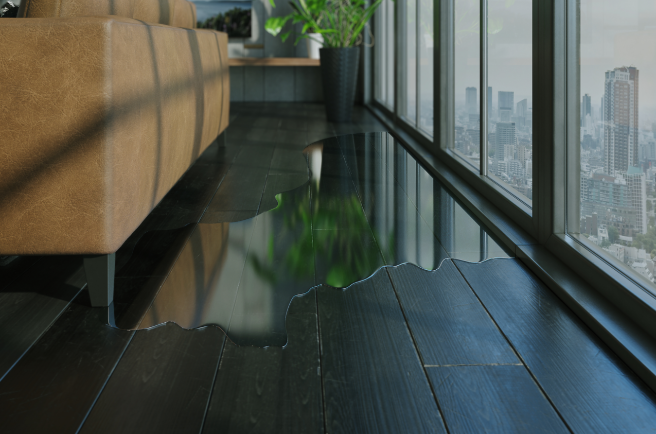
How to Dry Out Your Home Faster After a Flood
Flooding can turn your home upside down in a matter of hours. Whether it’s from a burst pipe, a storm, or a rising river, the aftermath is overwhelming. But once the water recedes, the real work begins. Drying out your home quickly is essential—not just for comfort, but to prevent mold, structural damage, and long-term health risks. Here’s how to speed up the drying process and get your home back on track.
Flooding can turn your home upside down in a matter of hours. Whether it’s from a burst pipe, a storm, or a rising river, the aftermath is overwhelming. But once the water recedes, the real work begins. Drying out your home quickly is essential—not just for comfort, but to prevent mold, structural damage, and long-term health risks. Here’s how to speed up the drying process and get your home back on track.
Start by Removing Standing Water Immediately
The first step is to get rid of any standing water. The longer it sits, the more damage it causes. If the flooding is minor, you can use wet vacs, buckets, or mops to remove water manually. For deeper flooding, consider renting a sump pump or calling in professionals. Time is critical here. Every hour counts when it comes to preventing mold growth and wood rot. Once the bulk of the water is gone, you’ll be able to assess the damage and move on to drying out surfaces.
Improve Airflow Throughout the House
Airflow is your best friend during the drying process. Open all windows and doors to let fresh air circulate. Use fans—especially high-powered ones—to push moist air out and bring dry air in. Position fans strategically to create cross-ventilation. If your HVAC system is safe to use, turn it on to help regulate humidity. Ceiling fans, box fans, and even bathroom exhaust fans can help move air around. The goal is to keep air moving constantly so moisture doesn’t settle into walls, floors, or furniture.
Use Dehumidifiers to Pull Moisture from the Air
Even after the visible water is gone, moisture lingers in the air and inside materials. Dehumidifiers are essential for drawing out this hidden dampness. Place them in the most affected rooms and let them run continuously. If possible, use commercial-grade dehumidifiers—they’re more powerful and can handle larger spaces. Keep doors closed in rooms with dehumidifiers to concentrate their effect. Monitor humidity levels with a hygrometer and aim to keep them below 50%. This helps prevent mold and speeds up drying.
Remove Wet Materials and Damaged Items Quickly
Wet carpets, rugs, insulation, and drywall act like sponges. They hold moisture and slow down the drying process. Remove and discard anything that can’t be salvaged. This includes soaked furniture, mattresses, and paper goods. If you’re unsure whether something is worth saving, err on the side of caution. Mold can start growing within 24 to 48 hours. The sooner you clear out wet materials, the faster the space can dry. Be sure to wear protective gear when handling contaminated items.
Clean and Disinfect All Surfaces Thoroughly
Floodwater often contains bacteria, chemicals, and other contaminants. Once the area is dry, cleaning and disinfecting are a must. Use a mixture of water and bleach or commercial disinfectants to scrub walls, floors, and hard surfaces. Pay special attention to kitchens, bathrooms, and any areas where children or pets spend time. Disinfecting not only removes germs but also helps eliminate odors. After cleaning, continue to ventilate the space to help surfaces dry completely.
Call in Professionals When Needed
Sometimes, the damage is too extensive to handle alone. That’s when water damage mitigation services from professionals, like Disaster Recovery Pros, become invaluable. Experts have specialized equipment and training to dry out homes quickly and safely. They can assess structural damage, detect hidden moisture, and prevent mold before it starts. Hiring experts can also help with insurance claims and documentation. Their experience can save you time, reduce stress, and ensure your home is restored properly from the start.
Monitor for Mold and Moisture After Drying
Even after your home feels dry, moisture can linger in hidden places. Keep an eye out for signs of mold—musty smells, discoloration, or peeling paint. Use moisture meters to check behind walls and under floors. If you spot mold early, you can treat it before it spreads. Continue using dehumidifiers and fans for several days after the initial drying. It’s better to over-dry than to risk lingering dampness. Staying vigilant helps protect your home and your health.
Stay Positive and Take it One Step at a Time
Recovering from a flood is never easy, but it’s possible. Focus on one task at a time and celebrate small wins—like clearing a room or restoring power. Lean on friends, neighbors, and professionals when you need support. Your home may look different now, but with time and care, it can feel like home again. Drying out is just the beginning of the recovery process, and every step forward matters.
Final Thoughts
Floods are stressful, but fast action makes a big difference. By removing water quickly, improving airflow, and using the right tools, you can dry out your home faster and prevent long-term damage. Whether you tackle it yourself or call in experts, the key is to stay proactive and hopeful. Your home can recover—and so can you.
How to Feel Safer—and Actually Relax—at Home
Let’s be honest: home is supposed to be your safe place. It’s where you can drop your bag at the door, kick off your shoes, and let out that deep sigh you’ve been holding all day. But sometimes, especially in our wild world lately, even home can feel a little unsettled. Maybe the news has you on edge, or maybe your neighborhood’s gotten busier, or you’re just plain tired of that jittery feeling in the back of your mind.
We partnered with a home improvement company for this post. The opinions in the post are honest. All reviews and opinions expressed in this post are based on our personal views. We are excited because we know you will love it.
Let’s be honest: home is supposed to be your safe place. It’s where you can drop your bag at the door, kick off your shoes, and let out that deep sigh you’ve been holding all day. But sometimes, especially in our wild world lately, even home can feel a little unsettled. Maybe the news has you on edge, or maybe your neighborhood’s gotten busier, or you’re just plain tired of that jittery feeling in the back of your mind.
Been there, and you’re not alone. The good news? You don’t have to live with that low-key worry buzzing around all the time. Here are some genuinely doable ways to bring back that feeling of comfort, security, and peace, no matter where you call home.
Start With the Basics—Locks, Lights, and Good Old Common Sense
Before you start looking at high-tech solutions, just give your basics a quick check. Are your doors sturdy? Windows latch well? It’s simple, but you’d be shocked how many people (me included, guilty as charged) forget to lock the back door some nights. A quick walk-through every now and then, especially before bedtime, really does help you sleep easier.
Grab some motion-sensor lights for outside, or just switch the bulbs by your porch and back steps for brighter ones. Most folks would rather skip sneaking around a well-lit yard, and that’s the whole point.
Boundaries Matter—Literally and Emotionally
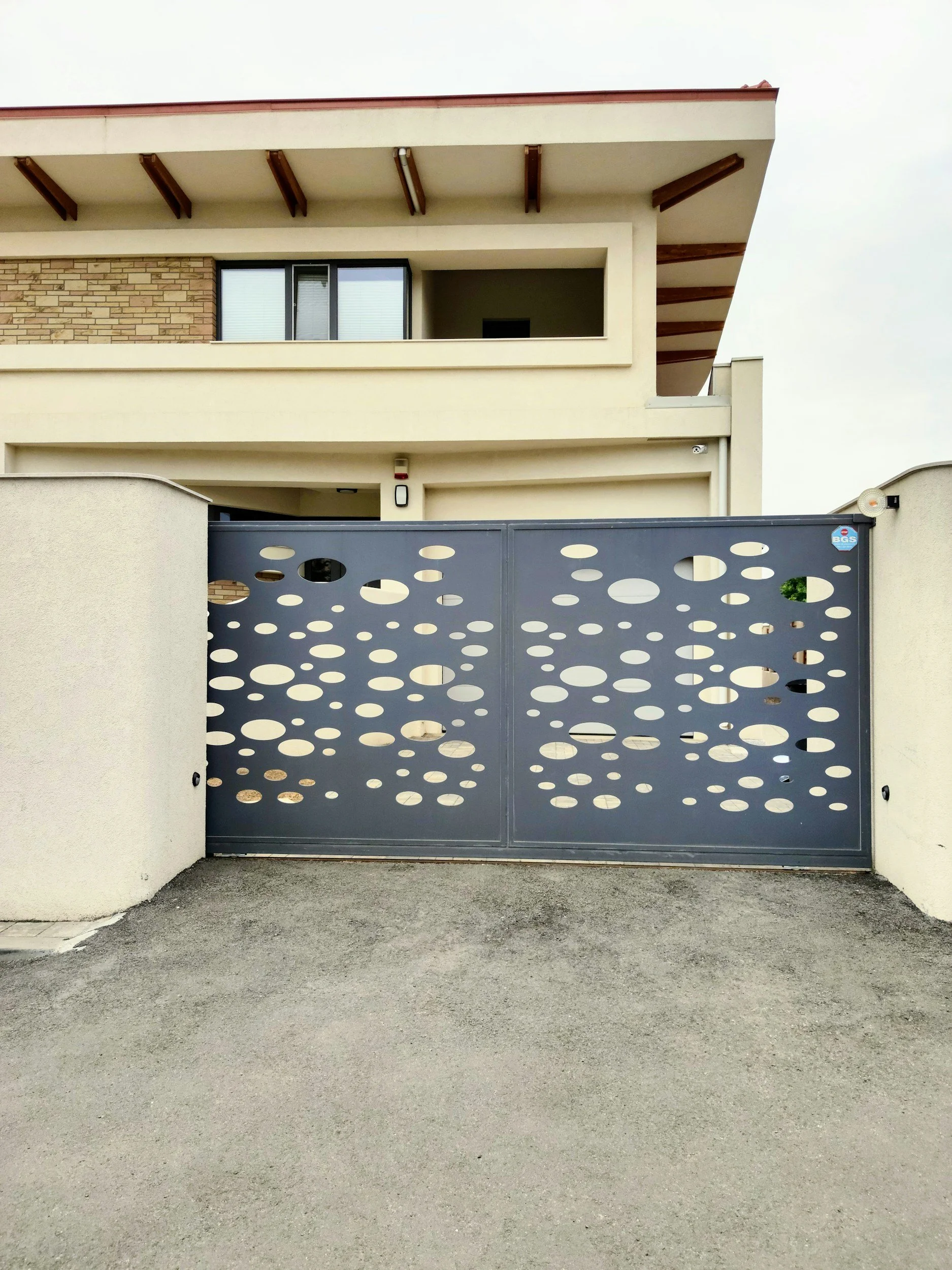
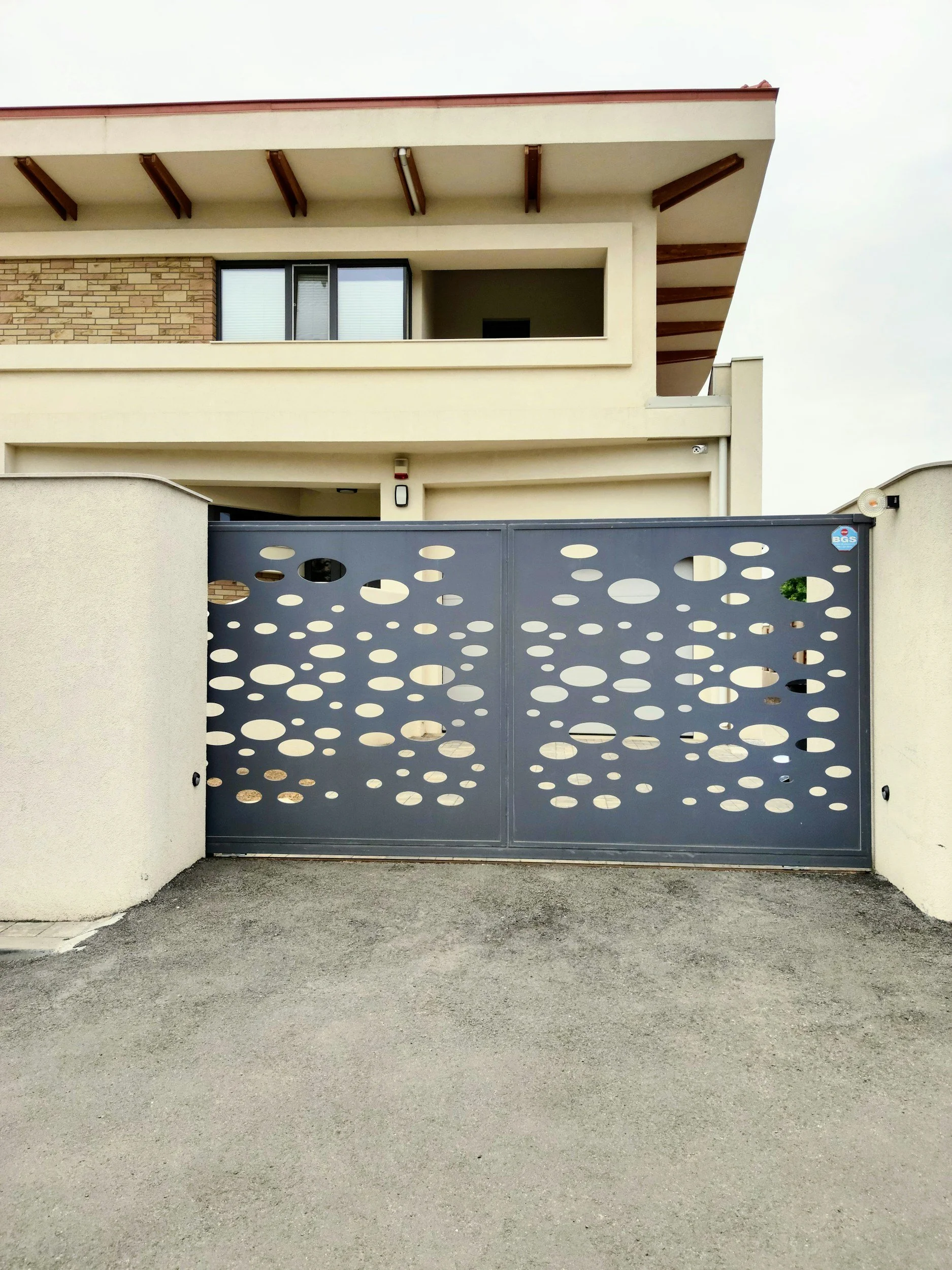
Okay, hear me out—there’s something about a fence or a gate that just makes your space feel more yours. Even in apartments or townhomes, having a little boundary, like a plant screen on your patio or a small privacy fence, changes the energy. If you’ve got a yard, consider a home gate installation to create a true sense of separation from the street. I know a family down the road who added a decorative iron gate—and not only did it boost their curb appeal, but it also made them feel way more tucked-in and relaxed.
Get Smarter With Tech (But Don’t Overcomplicate It)
Not everyone wants to turn their living room into Mission Impossible, but a simple security camera or a video doorbell adds big peace of mind. Most of these gadgets are easy to set up—no IT degree required. Watching that package from your phone or checking who’s at the door before opening up is a game-changer, especially if you live alone or work late.
And hey, don’t forget your Wi-Fi password! Keeping your network secure stops a whole other world of worries.
Create a Peaceful Vibe Inside
Once you feel protected on the outside, focus on what actually brings calm inside those walls. For me, soft lamps, comfy throws, and a playlist of whatever I’m into (sometimes it’s spa music, sometimes it’s Taylor Swift—no judgment) help shift my brain out of “what if?” mode.
Plants, scents, and even a tidy space can nudge you toward peace. Maybe it’s lighting a candle at night, or opening windows on a breezy afternoon. Little rituals matter.
Find Your Safe People and Use Your Community
Safety isn’t just cameras and locks—sometimes, it’s knowing your neighbors or having a group chat with the people next door. Just a quick “Hey, can you grab my package?” or “Did you notice anything weird last night?” makes everyone a little more aware and a lot more connected.
Remember, none of this is about living scared. It’s about doing a few thoughtful things so you get back to actually loving your home—a place where you can relax, laugh, and finally, finally breathe easy.

The Homeowner’s Guide to Asphalt Driveway Maintenance
When your asphalt driveway was brand new, it probably looked like something out of a home magazine - jet black, perfectly smooth, and adding instant curb appeal. Fast forward a few years, and maybe you’ve noticed a few cracks, a pothole that seems to grow every time it rains, or that faded gray look that makes the whole house feel older.
We partnered with a home improvement company for this post. The opinions in the post are honest. All reviews and opinions expressed in this post are based on our personal views. We are excited because we know you will love it.

When your asphalt driveway was brand new, it probably looked like something out of a home magazine - jet black, perfectly smooth, and adding instant curb appeal. Fast forward a few years, and maybe you’ve noticed a few cracks, a pothole that seems to grow every time it rains, or that faded gray look that makes the whole house feel older.
Here’s the truth: asphalt driveways don’t stay beautiful on their own. They need a little love and care - much like your car or your lawn. The good news? With the right approach, you can keep your driveway looking sharp and lasting 20 years or more.
Why Maintenance Is Worth Your Time
Neglected asphalt breaks down faster than you’d think. Sunlight dries it out, rain seeps in and erodes the base, and oil drips from your car leave stains that never seem to fade. What starts as a small crack can quickly turn into a spiderweb of damage or a full-blown pothole.
Regular upkeep does more than save you money on repairs - it protects your home’s value, keeps your property safe, and makes pulling into your driveway every day feel good instead of frustrating.
The Essentials of Driveway Care
Think of asphalt maintenance as three main habits: cleaning, sealing, and fixing problems early.
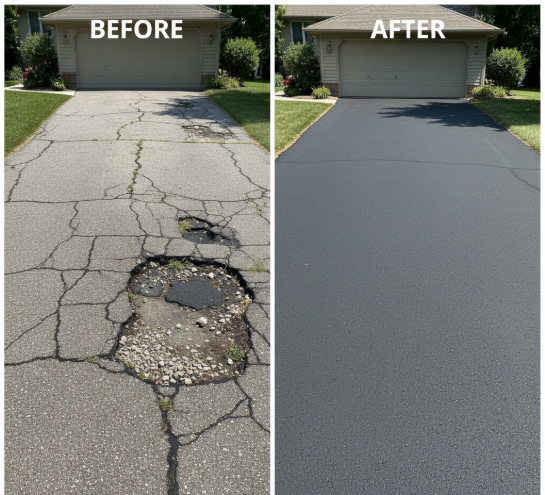
Clean and inspect. A quick sweep now and then keeps debris from collecting, while a once-a-year power wash clears out oil stains and grit. The real trick? Do a walk-around after heavy rain. If you see puddles, water’s already finding weak spots.
Sealcoat every few years. This is like sunscreen for your driveway. A fresh seal every two to three years protects the surface from UV rays, rain, and chemical spills, while restoring that rich black color. Homeowners can DIY this, but professionals get longer-lasting, more even results.
Fix small cracks before they grow. A half-inch crack may not seem like much, but once water sneaks in, it’s game over. A bottle of rubberized crack filler from the hardware store is usually enough to stop the spread. For potholes, small ones can be patched, but if the damage looks like “alligator skin,” it’s time to call in the pros.
Seasonal Driveway Tips
Every season brings its own challenges. In winter, swap metal shovels for plastic and use asphalt-friendly de-icers. Spring is the time to check for new cracks and schedule sealcoating if needed. Summer heat brings oil leaks - catch them early. And in the fall, keep leaves cleared so they don’t trap moisture.
When It’s Time to Call the Experts
DIY maintenance goes a long way, but there’s a point when professional help pays for itself. If you’ve got widespread cracking, drainage issues, or a driveway that hasn’t been sealed in more than five years, a contractor can restore structure and strength before replacement becomes the only option.
The Cost of Doing It Right
Crack filling might run you a few dollars a foot, and sealcoating usually costs pennies per square foot. Compare that to a full replacement - often between $4,000 and $10,000 - and you’ll see why maintenance is money well spent.
Wrapping It Up
Your driveway is more than just a place to park. It’s part of your home’s first impression, a safeguard against wear and tear on your vehicles, and - when cared for properly - an investment that pays off year after year. A little attention now means fewer headaches later, and it keeps your home looking every bit as sharp as the day you moved in.
So the next time you’re tempted to ignore that little crack or chalky gray surface, remember: your driveway’s not asking for much. Just a clean sweep, a fresh coat now and then, and a watchful eye. Do that, and it’ll serve you faithfully for decades.
Want to learn more? Check out of our asphalt paving services.

How Roof Moss Impacts the Health and Safety of Your Home
Many homeowners view a fuzzy green blanket of moss on their roof as a charming, natural touch. Perhaps it adds a rustic appeal or blends in with the surrounding landscape. However, this seemingly harmless growth can conceal a host of hidden problems that directly threaten the integrity of your home and the well-being of your family. Understanding these dangers is the first step toward proactive home maintenance and protecting your most valuable asset.
We partnered with a home improvement company for this post. The opinions in the post are honest. All reviews and opinions expressed in this post are based on our personal views. We are excited because we know you will love it.
Many homeowners view a fuzzy green blanket of moss on their roof as a charming, natural touch. Perhaps it adds a rustic appeal or blends in with the surrounding landscape. However, this seemingly harmless growth can conceal a host of hidden problems that directly threaten the integrity of your home and the well-being of your family. Understanding these dangers is the first step toward proactive home maintenance and protecting your most valuable asset.
Roof Structure Risks
Moss doesn't just sit on your roof; it actively interacts with it, often to the detriment of your roofing materials. The primary issue stems from moss's ability to retain moisture. Like a sponge, it holds rainwater and dew against your shingles, creating a constantly damp environment. This prolonged moisture exposure can accelerate the deterioration of asphalt shingles, causing them to break down and become brittle more quickly than they should.
Furthermore, as moss grows, its root-like structures can work their way under shingles, lifting them slightly. This creates tiny gaps and vulnerabilities where water can penetrate, leading to leaks and compromising the protective barrier your roof is designed to provide. Over time, this constant moisture and physical intrusion can significantly shorten the lifespan of your roof, leading to premature aging and the need for costly replacements. Addressing roof moss early through proper roof cleaning can help mitigate these structural risks.
Indoor Health Concerns
The problems associated with roof moss extend far beyond the exterior of your home, directly impacting the indoor environment and your family's health. When moss compromises the integrity of your roof, even small amounts of water can begin to seep into your attic and walls. This dampness creates an ideal breeding ground for mold and mildew.
Mold spores, once established, can quickly spread throughout your home's interior, often unseen behind walls or under flooring. Exposure to mold can trigger a variety of health issues, including allergic reactions, respiratory problems, asthma attacks, and other chronic conditions, especially in sensitive individuals. Maintaining good indoor air quality is crucial, and preventing roof leaks caused by moss is a significant part of that effort. Effective moss removal not only protects your roof but also safeguards the air your family breathes.
Safety Issues
Beyond structural damage and indoor health, roof moss presents several safety hazards that homeowners should be aware of. The most immediate concern is the creation of dangerously slippery surfaces. When moss accumulates on walkways, patios, or even on the roof itself (during maintenance), it becomes incredibly slick, increasing the risk of falls and injuries. This is particularly true during wet weather.
Moreover, moss commonly grows into and clogs gutters and downspouts. When gutters are blocked, rainwater overflows, running down the sides of your house instead of being directed away from the foundation. This can lead to serious water damage to exterior walls, fascia boards, and window frames. In severe cases, the overflowing water can saturate the soil around your foundation, potentially leading to cracks or structural damage over time. Regular home maintenance, including gutter cleaning and addressing roof moss, is essential for preventing these cascading safety and damage issues.
Curb Appeal and Value

Your home's exterior is the first impression it makes, and a moss-covered roof can significantly detract from its curb appeal. A thick layer of green growth often makes a home look neglected, unkempt, and significantly older than it actually is. This visual impact can be a major disadvantage if you're considering selling your property.
Potential buyers are often wary of homes with visible signs of poor maintenance, and a mossy roof can signal underlying problems, leading to lower offers or even deterring interest altogether. Essentially, roof moss can lower your home's resale value, making it harder to get the price you deserve. Investing in roof cleaning and maintenance not only protects your home physically but also preserves its aesthetic and financial value.
Prevention and Solutions
The good news is that preventing and addressing roof moss is achievable with the right strategies. Proactive home maintenance can save you significant headaches and expenses down the line.
Here are some practical tips:
Trim Overhanging Branches: Moss thrives in damp, shaded conditions. Trimming trees and bushes that overhang your roof will increase sunlight exposure and improve air circulation, helping to dry out the roof surface more quickly.
Keep Gutters Clear: Regularly clean your gutters to ensure proper drainage. Blocked gutters can lead to standing water on the roof edges, providing an ideal environment for moss to take hold.
Regular Roof Inspections: Periodically inspect your roof, especially after heavy rains or strong winds. Catching early signs of moss growth or minor damage can prevent major problems.
Professional Roof Cleaning: For existing moss, gentle roof cleaning methods are crucial. Avoid high-pressure washing, which can damage shingles. Instead, consider specialized moss removal treatments or soft washing techniques. Always consult with professionals who understand how to safely and effectively remove moss without harming your roof.
Consider Zinc or Copper Strips: Installing zinc or copper strips along your roof ridge can help prevent moss growth. When it rains, small amounts of metal ions wash down the roof, creating an environment inhospitable to moss.
While some simple upkeep can be done by homeowners, for significant moss infestations or if you're unsure about the best approach, it's always wise to call professionals. They have the expertise and equipment to perform moss removal safely and effectively, ensuring the longevity of your roof.
Conclusion
What starts as an innocuous green patch on your roof can escalate into a complex web of problems affecting your home's structural integrity, indoor air quality, and overall safety. From loosening shingles and fostering mold growth to creating slippery surfaces and diminishing curb appeal, the impact of roof moss is far-reaching. By understanding these risks and implementing proactive home maintenance and roof cleaning strategies, you can protect your investment and ensure a healthier, safer living environment for everyone under your roof. Don't let a little moss become a big problem; a well-cared-for roof is the ultimate guardian of your home.

