

A resource for those seeking information on organizing and transforming spaces.

How To Prevent Water Rings And Mold Under Planters
Potted plants are supposed to improve a space, not leave behind evidence. It’s enough to ruin a day when you lift up a plant and discover a water ring beneath the planter. Especially when you’ve bent over backward to prevent just that. And why and where is that mold coming from, anyway? It’s a mystery that needs to be solved.

Potted plants are supposed to improve a space, not leave behind evidence. It’s enough to ruin a day when you lift up a plant and discover a water ring beneath the planter. Especially when you’ve bent over backward to prevent just that. And why and where is that mold coming from, anyway? It’s a mystery that needs to be solved.
It’s not you. This problem is common, and it can happen both inside and outside of the house. Even a temporary display, like sympathy flowers placed near a front door or on a side table, can leave damage behind. The problem comes down to trapped water, and it has less to do with your watering technique than what happens afterward.
Why Water Collects Under Planters
Most planters are designed to drain. That’s helpful, but only if the water has somewhere to go. When a pot sits flat on a surface, drained water spreads out and stays there. Air cannot circulate. Moisture becomes persistent instead of temporary.
Many homeowners rely on saucers, assuming they offer protection. Sometimes they do. Often they make things worse. A saucer that stays wet holds water directly against the surface below it. Over time, finishes break down, stains deepen, and mold finds a cozy home.
How Pot Feet Solve a Common Problem
Pot feet are simple, which is exactly why they work. By lifting a planter slightly off the surface, they allow air to move underneath. That little bit of airflow is enough to encourage drying and reduces prolonged exposure to moisture.
You don’t even need much clearance. Even a small gap makes a huge difference. Water drains away from the base of the pot instead of spreading outward and sitting.
Pot feet work especially well on outdoor surfaces, where rain adds another layer of exposure. They also help indoors when paired with a proper saucer. Many designs are subtle enough that they disappear visually once the plant is in place.
Using Plant Stands for Added Protection
Plant stands offer a more comprehensive solution. Instead of slight elevation, they create full separation between planter and surface.
With a stand, airflow is constant. Cleaning becomes easier. Dust, moisture, and residue don’t get trapped in one hidden spot. If water drains out, it disperses rather than pooling.
Stands also reduce the temptation to overwater. When excess water is visible, people tend to adjust their habits. That small behavioral shift helps both the plant and the surface supporting it.
Choosing Saucers That Actually Help
Not all saucers are equal. Porous materials, like unglazed clay, absorb water and release it slowly. That moisture often transfers downward. Non-porous options behave differently.
Glazed ceramic, sealed metal, and dense composites hold water without absorbing it. When combined with elevation, they serve a clear purpose: the saucer catches runoff, airflow underneath allows evaporation, and the surface below stays dry more often than not.
Using a saucer without elevation rarely solves the problem. It simply changes where the water sits.
Placement and Watering Habits Matter More Than People Think
Even the best setup benefits from thoughtful placement. Planters pressed against walls dry slower because of less air circulation. Corners collect humidity. Shaded areas hold moisture longer than sunny ones.
Watering habits also play a role. Many homeowners water on a schedule rather than based on soil conditions. Most plants prefer soil that dries slightly between waterings, which reduces runoff and limits saturation underneath the pot.
Protecting Surfaces Comes Down to Air and Awareness
Water rings and mold aren’t signs you don’t have a green thumb. They’re just indicators of trapped moisture. When air can move, water leaves. Surfaces stay intact, and mold struggles to gain a foothold.
Pot feet, plant stands, and non-porous saucers work because they respect how water behaves. For homeowners who care about preserving their floors, patios, and furniture, preventing damage under planters is less about constant vigilance and more about setting things up correctly from the start.
AUTHOR BIO: Soha Fatma is the content and brand strategy writer for Top Florist, a floral delivery company known for creating thoughtfully curated arrangements for any occasion. It is based in The Woodlands, Texas. Soha specializes in content strategy and digital marketing, focusing on crafting editorial and SEO‑driven storytelling that amplifies the company’s brand voice, engages consumers, and drives business growth across digital platforms.
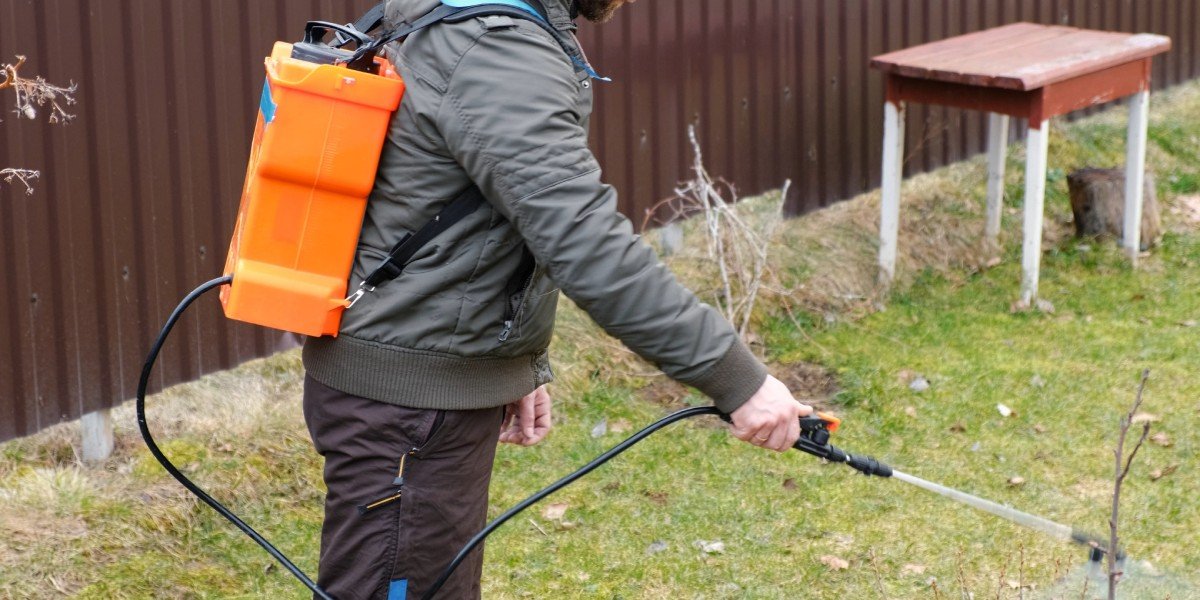
Common Yard Habits That Could Attract Pests
Are bugs taking over your backyard? You might be accidentally inviting them in! Check out these simple tips to keep your outdoor space pest-free.
We all love spending time outside when the weather gets nice. Nothing beats a barbecue or just reading a book in the sun. But sometimes, unwanted guests decide to crash the party. You’ll be surprised to find out that some of your daily routines are actually rolling out the red carpet for bugs and rodents. Let’s look at a few common yard habits that could attract pests so you can get back to enjoying your outdoor space.
Ignoring Standing Water
Mosquitoes love water more than anything. If you leave water sitting around, you are basically building a nursery for them. Birdbaths look nice, but if the water sits stagnant for days, it becomes a massive breeding ground.
Clogged gutters are another major culprit because they trap moisture right up against your roof. You need to dump out standing water regularly to keep these biting insects away.
Letting the Grass Grow Too Tall
We all get busy, and sometimes mowing the lawn falls to the bottom of the to-do list. However, tall grass and overgrown bushes provide ideal hiding places for ticks and fleas. Thick vegetation also provides cover for larger predators.
If you are wondering what attracts snakes to a property, high grass and dense shrubbery are high on the list because they offer shelter and hunting grounds. Keeping your lawn trimmed helps discourage these visitors from settling in.
Stacking Firewood Against the House
Having a stack of firewood ready for a fire pit feels cozy, but where you store it matters. Piling wood right up against your home’s foundation creates a bridge for termites to march straight into your walls. Spiders and rodents also love the dark, protected spaces between logs.
You should store firewood at least twenty feet away from your house and keep it elevated off the ground. This simple change makes it much harder for pests to use your woodpile as a staging ground for a home invasion.
Keeping Mulch Too Close to the Foundation
Mulch helps your plants retain moisture and makes flower beds look tidy. However, applying it too thickly or right up against your foundation traps moisture against the house. This damp environment attracts termites, earwigs, and ants seeking a way inside.
Try to leave a barrier of crushed stone or bare soil between your mulch and the foundation wall. This dry zone acts as a deterrent for insects looking to migrate from the garden into your living room.
Take Back Your Backyard
Taking care of your yard takes work, but it pays off when you can relax without constantly swatting bugs. By tweaking a few of these routines, you make your property much less appealing to invaders. Pay attention to these common yard habits that could attract pests, and you will likely see a big difference in the number of creepy crawlies hanging around. Take a walk around your property today and see if any of these issues need your attention!
Maintenance Oversights That Tank Your Home’s Resale Value
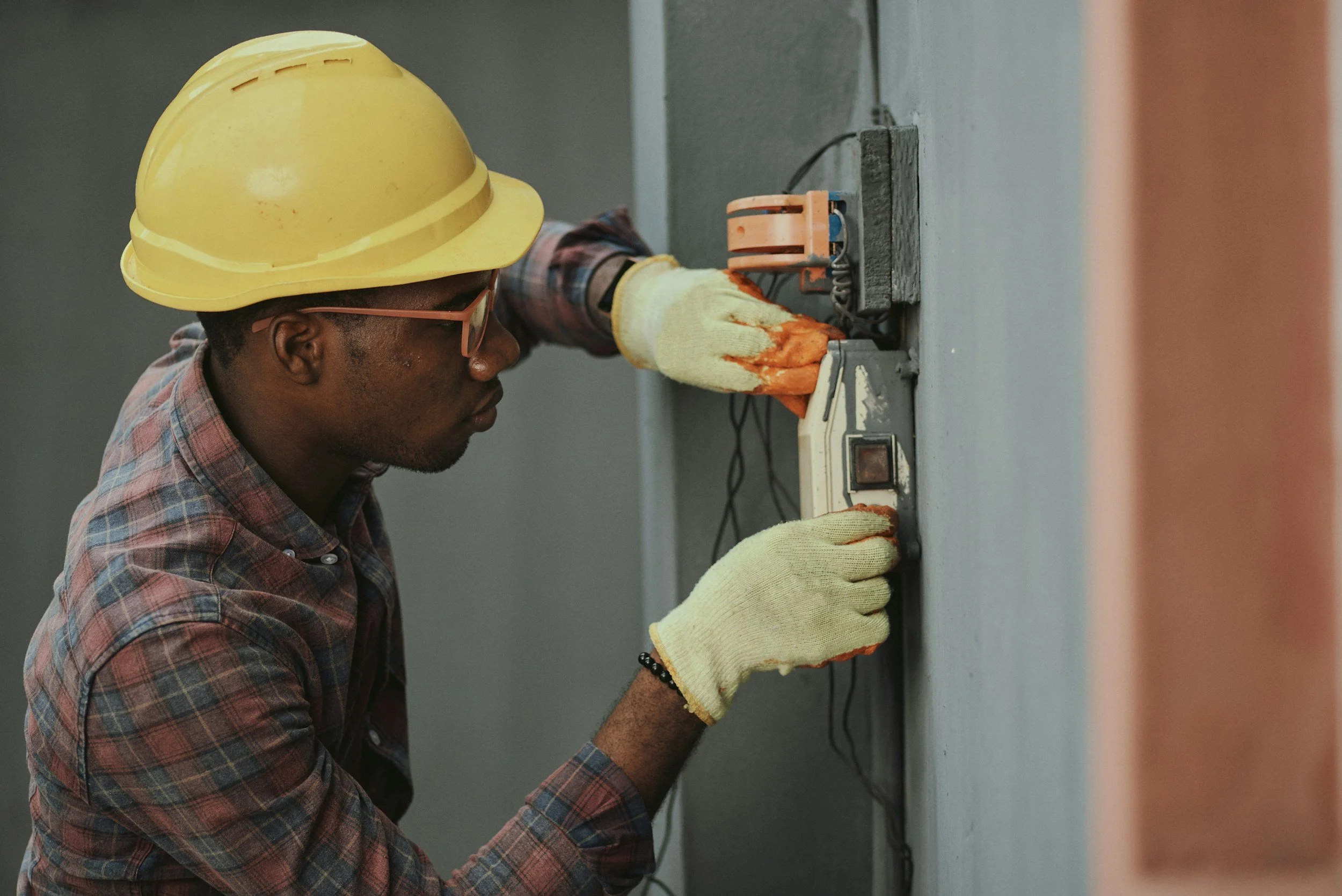
When you decide to sell your home, you’re suddenly going to realize all the things you should have done well in advance of starting the selling process. Maintenance can be a time-consuming and expensive chore, and there might be years when you invest less than you should. Once you’re ready to sell, however, that deferred maintenance can come to call in the form of a lower resale value. If you don’t want this to happen to you, prioritize low-cost maintenance to preserve your property value, even if you have no plans to sell anytime soon.
When you decide to sell your home, you’re suddenly going to realize all the things you should have done well in advance of starting the selling process. Maintenance can be a time-consuming and expensive chore, and there might be years when you invest less than you should. Once you’re ready to sell, however, that deferred maintenance can come to call in the form of a lower resale value. If you don’t want this to happen to you, prioritize low-cost maintenance to preserve your property value, even if you have no plans to sell anytime soon.
Why Does Maintenance Carry So Much Weight in Home Value?
You might not think that overgrown bushes or a few missing shingles are a big deal, but to home inspectors and appraisers, they can be. Think about the last time you saw a home with a dead lawn and sagging gutters. Even if it didn’t look uninhabitable, you probably made a negative judgment about the homeowner. Homebuyers, inspectors, appraisers, and even a real estate company may draw the same conclusion. An unkempt house could be a sign of deeper neglect, one that could tank value estimates or lead to aggressive price negotiations.
Key Maintenance Needs for Resale Value
Roof and Gutters
The roof is one of the primary sources of structural protection for the home and its inhabitants. Clogged gutters can create a breeding ground for pests in summer. In fall and winter, rotting debris can freeze and cause ice dams that damage the roof structure. Similarly, missing or damaged shingles can trigger water intrusion that leads to long-term structural damage. Routine roof inspections, cleaning, and prompt repair are key to keeping the roof in functional and protecting its appearance.
Home Exterior
Like your roof, your home exterior could be hiding some serious problems under the surface. Dirt or chipped paint on the siding might seem like a minor problem, but it hurts your curb appeal and makes your home seem older. Once a year, you should consider scheduling professional cleaning for the siding, using cleaning methods that don’t damage the surface. If applicable, add a coat of paint or sealant to ensure that the siding maintains both appearance and weather protection throughout the year.
Landscaping
Although your landscaping doesn’t have to look perfect, it should show up in good condition and well-maintained. Keep up your lawn, or create a landscape that is easier to maintain. Arrange to trim bushes and greenery multiple times a year, and remove diseased or dead trees to prevent further damage. When you make new landscaping plans, think about how the property will look in all seasons. Consider planting softscaping that will look great year-round, especially in winter.
HVAC and Plumbing
Buyers expect that your HVAC and plumbing will be relatively new, or otherwise in great condition. To meet this expectation, you’ll need to provide routine maintenance at least once a year. Schedule professional upkeep for your HVAC equipment to preserve energy efficiency and avoid expensive replacements when you decide to sell.
Slow plumbing leaks can trigger extensive water damage over time, especially if you don’t catch them early enough. Pay attention to signs like lower water pressure or discolorations in the walls or ceiling, and call a plumber when you observe them.
Bathrooms and Kitchens
You may not have to upgrade your bathrooms and kitchen every 10 years, but you should ensure that they stay in ideal condition. Replace chipped tiles and keep the grout clean. Update appliances and fixtures to modern models, especially if they look worn or are starting to malfunction. Instead of a full replacement, consider updating the flooring and door pulls, with a fresh coat of paint to brighten up the space. Even minor improvements can give a new look.
Deferred maintenance can seriously disrupt into your home-selling plans, which is why you should stay ahead of it whenever you can. Investing into low-cost maintenance for these high-value spots can help you improve your home’s value and decrease the likelihood of an unpleasant surprise at selling time.
AUTHOR BIO: Andy Pressley is the Owner and President of MECA Realty, a Charlotte-based real estate firm with six decades of roots in the region, providing residential and association management alongside sales and leasing services. A third-generation member of the Pressley family in the business, he leads MECA Into the age of AI and continues the company’s long-standing commitment to the Charlotte community.
Resources reviewed
https://www.neighborly.com/expert-tips/the-effect-of-maintenance-on-home-value
https://www.homeledger.app/resources/how-home-maintenance-impacts-property-value

Why Garage Door Repairs Should Always Be Left to Professionals
Garage doors represent complex mechanical systems involving high-tension springs, heavy panels, electric motors, safety sensors, and intricate hardware that must function in perfect coordination for safe, reliable operation. Despite this complexity, many homeowners view garage door problems as opportunities for DIY repairs, underestimating the serious injury risks, property damage potential, and likelihood of creating worse problems through improper fixes.
Garage doors represent complex mechanical systems involving high-tension springs, heavy panels, electric motors, safety sensors, and intricate hardware that must function in perfect coordination for safe, reliable operation. Despite this complexity, many homeowners view garage door problems as opportunities for DIY repairs, underestimating the serious injury risks, property damage potential, and likelihood of creating worse problems through improper fixes.
The appeal of saving money through self-repair attempts often leads to dangerous situations where inexperienced individuals face forces capable of causing severe injuries or deaths, particularly when working with torsion springs storing tremendous energy. Understanding why garage door repairs demand professional expertise reveals how the risks and complications of amateur attempts far outweigh any potential savings while highlighting the specialized knowledge, tools, and experience that qualified technicians bring to even seemingly simple repairs.
Serious Safety Hazards Demand Professional Training
Garage door torsion springs rank among the most dangerous components homeowners might encounter during property maintenance, storing energy equivalent to lifting several hundred pounds through extreme tension. When these springs break or release unexpectedly during amateur repair attempts, they can cause catastrophic injuries, including severe lacerations, broken bones, traumatic brain injuries, and death. Professional technicians understand proper procedures for safely releasing spring tension, replacing worn components, and adjusting systems without exposing themselves or property occupants to these extreme hazards.
Beyond spring dangers, garage doors themselves weigh several hundred pounds, creating crushing hazards if they fall during repair attempts. Improperly secured doors can drop suddenly, causing serious injuries to anyone underneath or nearby. The electric operators also present electrocution risks when handled incorrectly, particularly when working near power connections or attempting motor replacements without proper electrical knowledge.
Professional technicians receive specific training in these safety protocols, use appropriate protective equipment, and employ specialized tools designed for safe garage door service. Their experience recognizing warning signs of imminent failures also helps them anticipate and prevent dangerous situations that inexperienced DIYers wouldn't notice until disasters occur.
Complex Systems Require Specialized Knowledge
Garage doors involve interconnected systems where components must balance and coordinate precisely for proper function. Springs must provide correct counterbalance forces, cables must route properly through pulleys, tracks must align within tight tolerances, and safety sensors must position and calibrate accurately. Amateur repairs often address surface symptoms without recognizing underlying causes, creating situations where fixed immediate problems are addressed while the actual issues continue causing progressive damage.
Professional technicians understand these system relationships, diagnosing root causes rather than merely patching visible symptoms. They recognize when spring replacements require corresponding cable changes, when track misalignment indicates foundation settlement, and when opener problems stem from sensor malfunctions versus motor failures. This diagnostic expertise prevents the cascading failures that occur when DIY repairs address the wrong components or leave actual problems unresolved. Homeowners seeking reliable solutions benefit from professional garage repair service that brings this comprehensive understanding to every job rather than the trial-and-error approach that amateur attempts typically involve.
Proper Tools Prevent Damage and Ensure Quality
Garage door repair requires specialized tools, including winding bars for spring adjustment, specific socket sizes for hardware, laser alignment equipment for track positioning, and various measuring devices for proper calibration. Attempting repairs without these tools often results in damaged components, stripped hardware, misaligned tracks, and improperly tensioned springs that create ongoing problems requiring professional correction anyway.
The investment in proper tools represents a substantial expense that makes sense for professionals performing repairs regularly, but proves impractical for homeowners facing occasional garage door issues. Professionals also maintain these tools properly and understand their correct usage, preventing the tool-related injuries and component damage that occur when improvised alternatives substitute for appropriate equipment.
Warranty Protection and Liability Concerns
DIY garage door repairs typically void manufacturer warranties on doors, openers, and components, leaving homeowners responsible for full replacement costs when amateur fixes cause failures. Professional repairs maintain warranty coverage while adding service guarantees that protect homeowners if repairs prove inadequate or create new problems.
The liability implications also matter significantly when garage door failures cause injuries or property damage. Homeowners performing their own repairs bear full responsibility for any resulting harm, while professional services carry insurance covering accidents and damages occurring during properly executed work.
Code Compliance and Permit Requirements
Many jurisdictions require permits for garage door repairs, particularly when replacing openers or making structural modifications. Professional technicians understand these requirements and ensure compliance that protects homeowners from code violations and potential complications during property sales when unpermitted work surfaces during inspections.
The complexity, dangers, and potential for expensive mistakes make garage door repairs tasks where professional expertise proves essential rather than optional, with safety and quality concerns far outweighing any perceived savings from DIY approaches.