

A resource for those seeking information on organizing and transforming spaces.

WHY YOUR DRAIN KEEPS CLOGGING AND WHEN TO CALL A PROFESSIONAL SERVICE
Slow drains are easy to shrug off. You may think the issue will resolve on its own because water may still go down in the end. However, if the same drain continues to back up, the problem could be more serious than a small blockage near the top of the drain.
We partnered with a home improvement company for this post. The opinions in the post are honest. All reviews and opinions expressed in this post are based on our personal views. We are excited because we know you will love it.
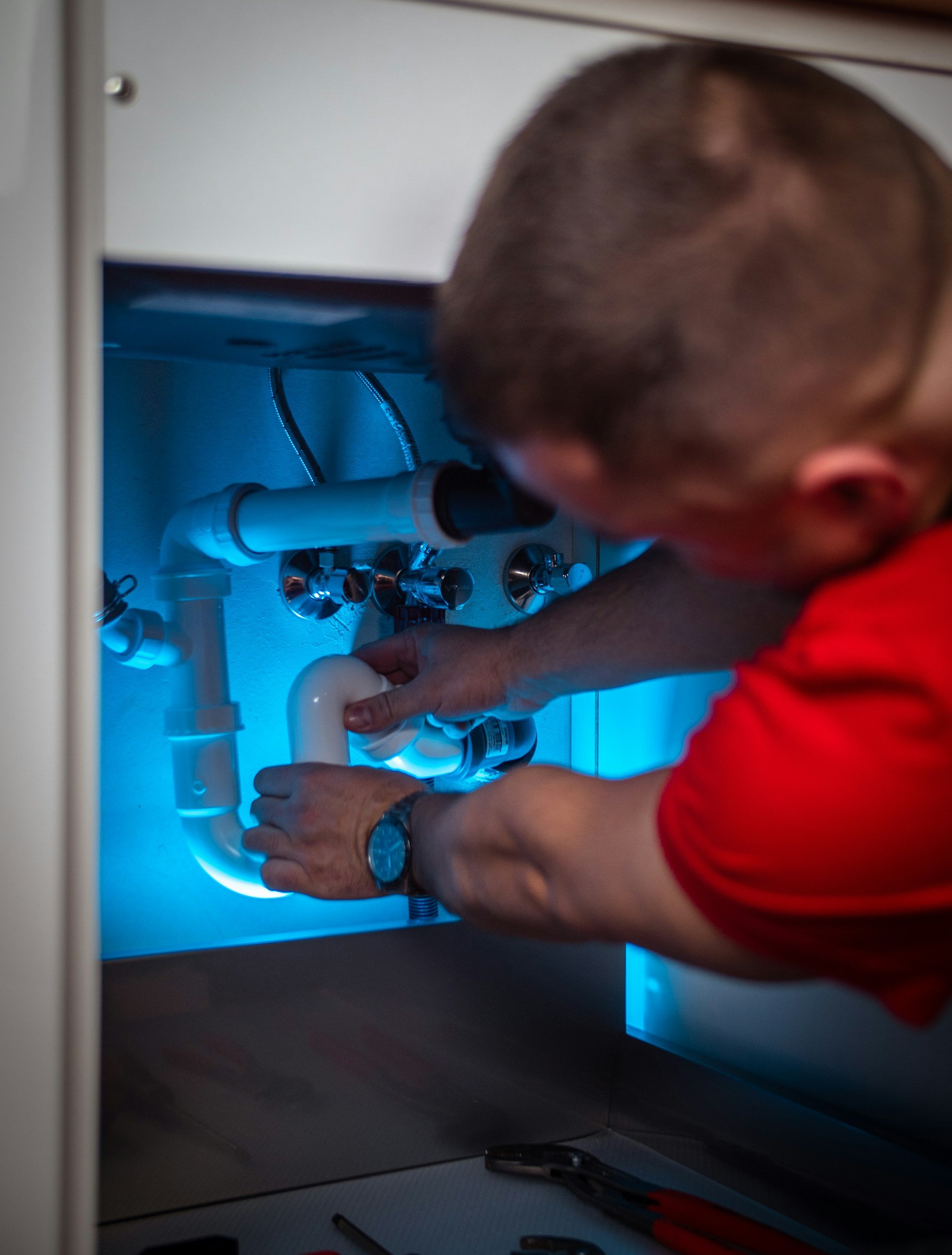
Slow drains are easy to shrug off. You may think the issue will resolve on its own because water may still go down in the end. However, if the same drain continues to back up, the problem could be more serious than a small blockage near the top of the drain.
Understanding the causes of frequent blockages can assist you to know when simple maintenance is sufficient and when you require specialist help.
Food and grease can build up
The kitchen drains typically collect:
Food particles
Grease
Cooking oil.
Even if only a small amount is flushed down the drain, it can build up over time on the pipe's interior. It is still usable in the beginning. But the opening starts to narrow over time and causes the blockage.
Hair is a common bathroom culprit
Hair can mix with soap and other matter to create tight masses in bathroom drains. This is especially prevalent in showers and bathtubs.
Always remove visible hair from the drain cover. If the water still drains slowly after cleaning, the problem is likely deeper in the pipe. In that case, you should seek professional plumbing services.
Flushing the wrong items
Toilets are not meant to accept household products that just fit down the bowl. Some materials should not be flushed, including:
Wipes
Paper towels
Sanitary products
Other unflushable items.
If a toilet keeps clogging even when you use it responsibly, the issue is bigger. It is likely not just a single blockage. Something else is wrong with the overall drainage system.
Tree roots can damage underground pipes
The underground system can cause recurring drainage issues. Tree roots can infiltrate damaged or improperly installed pipes. They do that in search of water, slowly curtailing the flow.
A household drain cleaner won't solve this type of problem. A professional inspection might be necessary to see if the pipe is damaged or if the flow is blocked.
Chemical cleaners are not working
Chemical drain cleaners may be convenient to pour down a drain that keeps clogging. But these chemicals aren't meant to clear all types of blockages. They may also be dangerous if:
Improperly handled
Mixed with other chemicals.
When basic measures fail, seek a professional plumber. They can find out what is causing the clogged drain, instead of just treating the symptom over and over again.
When is it time to call a professional?
Basic measures can address a small blockage. But repeated clogs are stubborn. It may be time to schedule a plumbing service if:
Multiple drains are backing up
Water returns after clearing the clog
You smell foul sewer odors
You hear gurgling coming from the pipes.
Also, professional assistance is needed when a drain issue is accompanied by:
Visible water leakage
Overflowing wastewater
Unusually slow drainage around the house.

What Counts as a Plumbing Emergency
Plumbing problems don’t always happen at convenient times, and some issues simply can’t wait for a standard appointment. When water spreads quickly, or the sewage backs up, fast action matters. Knowing what truly counts as a plumbing emergency helps you protect your home, avoid costly damage, and get the right help when you need it most.
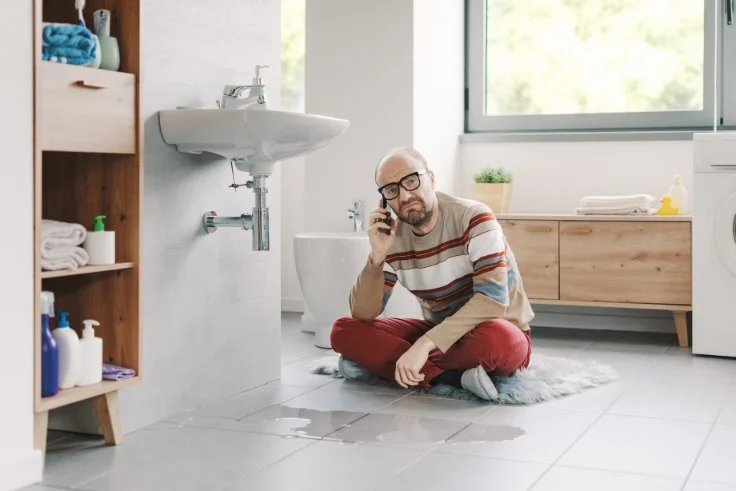
Plumbing problems don’t always happen at convenient times, and some issues simply can’t wait for a standard appointment. When water spreads quickly, or the sewage backs up, fast action matters. Knowing what truly counts as a plumbing emergency helps you protect your home, avoid costly damage, and get the right help when you need it most.
Sudden Leaks and Burst Pipes
Sudden leaks and burst pipes are among the most urgent plumbing problems homeowners face. When water pours from a pipe and soaks the floors, every minute counts. Even a small leak can spread behind walls or under flooring, causing hidden damage that becomes expensive to repair later. If you notice rapid water flow, a bulging ceiling, or a visibly split pipe, shut off your water supply and call a plumber immediately. A professional can quickly locate the source, stop the leak, and prevent further damage.
Sewage Backups and Overflowing Fixtures
Sewage backups are not only unpleasant, but they’re also a serious health hazard. When wastewater pushes back into the drains, it can carry bacteria and contaminants that make your home unsafe. Early warning signs include foul odors or multiple fixtures backing up at once. Because sewage exposure can damage flooring, drywall, and personal belongings, this type of issue always requires same‑day service. Emergency plumbers have the equipment to clear blockages safely and restore proper flow before the problem gets worse.
No Water or No Hot Water
Losing access to water can quickly become an emergency, especially if the issue affects your entire home. A sudden lack of water may indicate a major supply line problem, a frozen pipe, or a severe leak somewhere in the system. Hot water loss can also be urgent when it involves a failing water heater. Never ignore leaks around the tank, strange popping noises, or signs of overheating. These problems can escalate into flooding or safety risks, and working with a plumber ensures the issue is diagnosed and repaired before it worsens.
Major Drain Blockages
Not all clogs are emergencies, but major drain blockages can quickly turn into one. When water begins backing up into sinks, tubs, or floor drains, it can lead to flooding or even sewage exposure. A clog in the main sewer line is especially urgent because it affects every drain in the home. If plunging doesn’t help, or if multiple drains are backing up at once, you need emergency plumbing service. A plumber, such as one from Fairfax Plumbing NV, can use professional tools to clear the blockage safely and prevent further damage.
Gas Line Concerns and Strong Odors
If you smell gas or notice strong, unusual odors near appliances, this is a true emergency. Gas leaks are dangerous and require immediate attention. Homeowners should leave the area and contact emergency services first, but a licensed plumber often repairs the damaged line and ensures your home is safe to return to. Treat any suspected gas issue with urgency.
When a Plumbing Issue Isn’t an Emergency
Some plumbing problems can wait for a scheduled appointment. Slow drains, minor drips, running toilets, or small fixture issues usually don’t require emergency service unless they worsen. If the problem isn’t causing damage, posing a safety risk, or affecting your ability to use water, it’s typically safe to book a standard visit. When in doubt, a quick call to a plumber can help you determine whether the issue is urgent.
Plumbing emergencies often come with clear signs—fast‑moving water, sewage backups, major blockages, or anything that threatens your home’s safety. Acting quickly and working with a professional plumber can prevent costly damage and restore your home’s plumbing safely. When something feels urgent, it’s always better to err on the side of caution and get help right away.

Why Your Old AC Can’t Keep Up, So Replacement Makes More Sense
Air conditioners rarely fail all at once; instead, their performance slips gradually in ways homeowners often overlook, like longer cooling cycles or rooms that never quite feel comfortable. Because these changes happen slowly and the system is usually out of sight, it’s easy to assume a quick repair will solve the problem. In reality, these early signs often point to deeper issues that make replacement a smarter long‑term choice, and recognizing them early can help you avoid unexpected breakdowns during peak summer heat.

Air conditioners rarely fail all at once; instead, their performance slips gradually in ways homeowners often overlook, like longer cooling cycles or rooms that never quite feel comfortable. Because these changes happen slowly and the system is usually out of sight, it’s easy to assume a quick repair will solve the problem. In reality, these early signs often point to deeper issues that make replacement a smarter long‑term choice, and recognizing them early can help you avoid unexpected breakdowns during peak summer heat.
Contributing Factors to AC Performance Decline
As air conditioners age, natural wear begins to affect how well they cool. After 10 to 15 years of operation, components like the compressor, blower motor, and evaporator coil lose efficiency, making it harder for the system to move heat and circulate air effectively. This gradual decline often shows up as longer cooling cycles, reduced airflow, or a general sense that the system just isn’t keeping up the way it used to.
Older systems also fall behind modern units in terms of energy efficiency. Today’s air conditioners use advanced technology to cool more effectively while consuming less electricity, but equipment installed more than a decade ago wasn’t designed to meet these standards. Refrigerant regulations add another challenge.
Airflow limitations further reduce performance. Blower motors weaken, coils accumulate dirt, and ductwork can deteriorate or develop leaks over time. Even small airflow restrictions can noticeably reduce comfort, especially during the hottest months. When these issues combine, they create a predictable pattern of reduced cooling performance that becomes harder to ignore as the system gets older.
AC Running Constantly Without Cooling the Home
If your AC runs nonstop but still struggles to cool your home, it’s a strong sign the system is losing its ability to keep up. A weakened compressor is often the cause. When the compressor can’t circulate refrigerant effectively, the system has to run longer to achieve the same cooling, sometimes without ever reaching the temperature you set. This is one of the earliest signs that the system’s core components are wearing out.
Airflow issues can also contribute to constant cycling. A failing blower motor or restricted ductwork reduces the amount of cool air reaching your living spaces, forcing the AC to run continuously to compensate. This not only drives up energy bills but also strains the system. Because airflow problems can stem from several sources, working with a professional HVAC technician is the best way to pinpoint whether the issue is mechanical, duct‑related, or a combination of both.
This nonstop operation is more than an inconvenience; it’s one of the clearest indicators that the system is nearing the end of its lifespan. When an air conditioner can no longer cool effectively despite running constantly, replacement is usually the most cost‑effective solution. A professional installation, such as from TRS Heating and Air Conditioning, means your AC won’t run constantly, saving you money and frustration.
Recurring AC Repairs Increasing Over Time
Recurring repairs are another sign your AC may be ready for replacement. Aging systems often experience repeated issues with capacitors, contactors, refrigerant leaks, or electrical components. While each repair may seem manageable, the costs add up quickly.
A helpful guideline is the “50 percent rule.” If the cost of repairing your AC approaches 50 percent of a new system, replacement is typically the better investment. This rule is especially relevant when the system is more than a decade old or when multiple components are showing signs of failure.
Repeated breakdowns also indicate deeper mechanical decline. When one part fails, it often strains other components, creating a cycle of repairs that gets increasingly expensive. If you’ve had two or three repairs in a single season, it’s a strong sign that the system is wearing out.
Uneven Cooling and Temperature Imbalances
Uneven cooling is a common complaint among homeowners with aging AC systems. You may notice that some rooms stay comfortable while others feel warm or stuffy. These hot and cold spots often stem from airflow distribution problems rather than overall system capacity.
As systems age, blower motors lose power and can’t push air evenly through the ductwork. Ducts may develop leaks or become partially blocked, reducing airflow to certain areas. Older systems also lack the advanced controls found in modern units, making it harder to maintain consistent temperatures throughout the home.
Newer air conditioners with variable‑speed technology can adjust airflow and cooling output more precisely, helping eliminate temperature imbalances. If your home has persistent hot and cold spots, upgrading to a modern system can noticeably improve comfort.
Energy Bills Rising Without Changes in Usage
Many homeowners first notice AC problems when their energy bills start rising. If your cooling costs are increasing even though your usage hasn’t changed, it’s a sign the system is working harder than it should. As components age, they lose efficiency and require more electricity to deliver the same level of cooling, which often shows up on your utility bill long before comfort noticeably drops.
Dirty coils reduce heat transfer, worn motors struggle to circulate air, and failing compressors draw more power as they decline. Because these issues develop gradually, homeowners often overlook them until the bills become noticeably higher. A professional HVAC technician, such as someone like Trane South, can determine whether the problem is repairable or whether the system’s declining efficiency signals it’s nearing the end of its lifespan.
Rising energy costs are one of the earliest and most reliable indicators that it may be time to consider getting an AC installation. A new system operates far more efficiently, helping lower monthly bills while restoring consistent comfort throughout the home. If your energy costs have climbed steadily over the past few summers, upgrading to a modern unit can be a smart long‑term investment.
Use of Outdated or Hard‑to‑Find Refrigerant
If your AC uses older refrigerant like R‑22, keeping it running can become difficult and expensive. Because this refrigerant is no longer produced, the remaining supply is limited, and any repair that requires adding more can come with a surprisingly high price tag. A simple leak that might have been affordable years ago can now turn into a major repair bill.
For many homeowners, fixing an R‑22 system just isn’t practical anymore. Even if a technician can repair the leak, refilling the refrigerant may cost more than the system is worth, especially if the AC is already showing other signs of age. Newer systems use refrigerants that are easier to get, more affordable, and designed to work more efficiently.
Choosing to install a new AC eliminates the worry about outdated refrigerant altogether. A modern system provides reliable cooling, lower operating costs, and peace of mind that future repairs won’t be held back by hard‑to‑find materials.
Reasons AC Repairs Stop Being Cost-Effective
At some point, repairing an old AC system simply doesn’t make financial sense. Beyond the cost of individual repairs, homeowners should consider the hidden expenses of keeping an aging system running.
Older systems often have multiple components nearing failure. Fixing one issue may only delay the next breakdown. Meanwhile, rising energy bills and reduced comfort add to the overall cost of keeping the system in place. When repairs become frequent, expensive, or unpredictable, replacement becomes the more cost‑effective option. A new system provides reliable performance, lower energy costs, and fewer surprises.
Benefits of Installing a New AC System
Replacing an old AC system comes with several meaningful benefits. Modern units run far more efficiently, which can lower your cooling costs and make your home feel more comfortable even on the hottest days. Improved airflow and better humidity control also help maintain steady temperatures throughout the house.
New systems typically include stronger warranties, giving you peace of mind and protection against unexpected breakdowns. A professional installation, such as one done by the technicians at Mullin Plumbing, ensures the system is set up correctly from day one, which helps prevent early wear and keeps your new AC performing at its best. With fewer repairs and more reliable cooling, you can enjoy a more comfortable home without the stress of constant maintenance.
If you’re experiencing frequent repairs, uneven cooling, rising energy bills, or refrigerant issues, now is probably a good time to contact an HVAC company for a replacement quote. A professional can evaluate your home’s cooling needs, perform load calculations, and recommend the right system size. Getting quotes before peak summer demand ensures you have time to compare options and schedule installation without delays.

What a Full Roof Replacement Does for Your Home
Few home projects change a house as completely as a new roof. The day the old shingles come off and the new ones go on, the whole property looks different from the street.

Few home projects change a house as completely as a new roof. The day the old shingles come off and the new ones go on, the whole property looks different from the street.
It also changes something less visible. Homeowners who have spent a few storm seasons checking ceilings for stains and listening for dripping tend to describe the finished job the same way, as a real sense of relief.
Knowing When It Is Time
Roofs rarely fail all at once. They wear down gradually, and the signs usually show up well before a leak does.
Curling or cracked shingles are one clue. Granules collecting in the gutters are another, since those small mineral pieces protect the asphalt from the sun. Bald patches, soft spots underfoot, shingles missing after a windstorm and daylight showing through the attic boards all point in the same direction.
Hail changes the timeline in Colorado. A single storm can bruise shingles in ways that are hard to spot from the ground but shorten their life considerably, which is why an inspection after a major hailstorm is worth scheduling even when nothing looks wrong.
Age matters too. A roof that has been up for a long stretch may simply be at the end of its service life, and patching it further often costs more over time than starting fresh.
Starting With a Full Tear-Off
A replacement done right removes everything down to the wood. Laying new shingles over old ones can seem like a shortcut, but it hides problems and adds weight to the structure.
Once the old material is gone, the crew can see what has been happening underneath. Soft or rotted decking gets replaced. New underlayment goes down as a moisture barrier. Flashing around chimneys and vents gets renewed rather than reused. Ice and water protection goes along the eaves and valleys, where melting snow tends to back up.
Ventilation deserves attention at this stage as well. An attic that cannot breathe traps heat in summer and moisture in winter, and both shorten the life of even the best shingles.
This is where the choice of contractor starts to show. Established companies such as Advanced Exteriors Inc., which handles roof replacement in Colorado Springs and along the Front Range, are worth evaluating on whether they provide a detailed written estimate, whether they walk homeowners through material options and their drawbacks, whether they can help with an insurance claim after hail, and whether their workmanship is backed by a clear warranty. Ask how the crew protects landscaping during tear-off and how the site gets cleaned afterward, too. A contractor who answers those questions plainly is usually the one who plans the job carefully.
Choosing Materials for the Front Range
The look of a new roof is the part most homeowners enjoy deciding.
Architectural shingles add depth and shadow lines that older flat shingles never had. Color choices have grown well beyond basic gray and brown, and a darker or warmer tone can make trim, stone, siding and even the front door look sharper by contrast.
Performance belongs in the conversation too. Impact-resistant shingles hold up better against hail, and some insurers offer discounts for them. Metal roofing is another option for homeowners who want a long service life and a cleaner, more modern profile.
Matching the roof to the house matters more than chasing a trend. A good contractor will bring samples and show photos of finished homes before anything is ordered.
Enjoying the Fresh Start
The transformation shows up almost immediately. Clean lines along the ridge, fresh color from the street, crisp edges at the eaves and straight, even rows make a house look cared for in a way that paint alone cannot.
The practical benefits follow quietly. Fewer worries during storm season. Lower chance of a surprise leak. A stronger selling point if the house goes on the market. More comfortable rooms once the attic is properly ventilated.
There is real satisfaction in pulling into the driveway and seeing it for the first time. The house looks like itself again, only better, and the next hailstorm feels a lot less like something to dread.