

A resource for those seeking information on organizing and transforming spaces.
Guest Post: Step-by-Step Guide to Getting Organized for Your Home Sale
Getting organized is a popular topic these days, whether it’s with your time or bookshelves. But selling a home comes with its own special requirements because a lot of organization goes into getting a house show-ready. And trust me, it’s worth the effort to give your house its best chance on the market.

Getting organized is a popular topic these days, whether it’s with your time or bookshelves. But selling a home comes with its own special requirements because a lot of organization goes into getting a house show-ready. And trust me, it’s worth the effort to give your house its best chance on the market.
The secret is to go one step at a time. Here’s a list of helpful home-selling tips broken down into categories. Follow these tips and the end result will be an open, clean, depersonalized home that attracts potential buyers and allows them to imagine living there. In fact, organized and decluttered homes can get 3-5% higher offers than other houses.
Steps to Take
The categories are: decluttering, cleaning, staging, curb appeal, and extras. These tips are for DIY, but all steps can be handled by professionals. These tips also assume that any major repairs your house needs are done.
Decluttering is first. You want buyers to look at the house and not be distracted by your personal things or mess. Clutter must go, inside and outside of the house, from everywhere buyers will want to look. And they will look everywhere.
Label some boxes or bins as Keep/Pack Away, Donate, and Not Sure. Also have a supply of trash bags.
Research places to donate different items. Some organizations will even do pick-up.
Set dates and time on your calendar to declutter, and stick to them.
Start with one room, or just one area, and complete it. It will add up in the end.
Clear surfaces such as shelves, mantles, counters, and tables.
Clear floors of laundry, toys, reading material, etc., and remove family photos or random decorations from walls.
Partially empty storage, such as closets and cabinets, so they look spacious.
Take down window dressing, leaving simple blinds or shades.
Clear the property of leaves, weeds, snow, bikes, gardening tools, etc.
Paint walls neutral shades, and keep a consistent palette throughout the house.
Don’t let clutter sneak back up on you. Deal daily with mail, work papers, kitchen utensils, backpacks, toys, or other things that tend to pile up easily.
Once the house is decluttered, it is vital to deep clean absolutely everything.
Gather your supplies, including gloves, various cleansers, sponges, small brushes, rags, brooms, mops, and vacuums.
This time, don’t go room by room. Instead, do one step throughout the house. From floor to ceiling, dust, wash, scrub, sweep, mop, and vacuum.
Clean inside appliances, under sinks, windows, back corners of cabinets, grout, and all nooks and crannies.
Have someone clean and service the furnace/HVAC, including the vents.
The house must stay this clean, which can be a challenge with daily life going on. But it must always be ready to show, or you could lose the sale. Establish a routine so that every day you:
Wipe tubs and bathroom surfaces, put away all bath products, and keep the toilet clean.
Put away laundry, dirty or clean, and don’t let loads pile up.
Wipe kitchen counters, appliances, and fixtures. Wash dishes. Put things away.
Dust surfaces in every room.
Sweep or vacuum, especially in high-traffic areas.
Keep pets, pet beds, and litter boxes clean.
Make all the beds in the house.
Deodorize if there are cooking or other odors. Lightly scented candles or essential oils make a nice substitute.
Staging takes a house from clean to eye-catching. Minimal furniture and props give it a neutral but comfortable look.
Arrange furniture to emphasize features of the house, such as a fireplace or view.
Create easy walking access through and around rooms.
Use furniture and staging props to give each room a purpose.
Add some color to your neutral background with pillows, plants, a bowl of fruit, a few books or objects, or some art. Create small vignettes that show off the lifestyle the house offers. For example: fluffy folded towels, a candle, and a glass bottle of bubble bath; a soft blanket and open book on a cozy chair; a seasonal centerpiece on the dining table; a kitchen island with morning coffee.
Curb appeal is the first thing people see, so decluttering and staging needs to happen outside, too.
Rake leaves and/or remove snow from traffic areas daily.
Mow the lawn often, and reseed if necessary.
Trim bushes and trees.
Add flowers or greenery to fill in beds and add color.
Fix peeling paint on trims, shutters, etc.
Stage outdoor areas with vignettes. Pay particular attention to the entrance: good lighting, bright paint on the front door, potted plants, etc.
Find a top realtor in your area that can give you advice and feedback on DIY organization and recommendations. Some organizing extras will help your realtor help you.
Let your realtor know your preferred contact method(s) and how often to be in touch.
Collect all paperwork from the house, including renovation and maintenance records, past sales history, appraisals, and contact information for professionals you’ve used.
Once you’re organized and the house is showing, these last tips will help you be ready to accept that offer and close.
Lin Nulman has been writing for HomeLight.com since 2016, and her work has been featured on many other websites. She teaches writing and literature at Bunker Hill Community College. Her poetry and arts writing has appeared in a number of journals, anthologies, and websites.
The Downsizing Dilemma
Many seniors have lived in their homes for over 30 years.

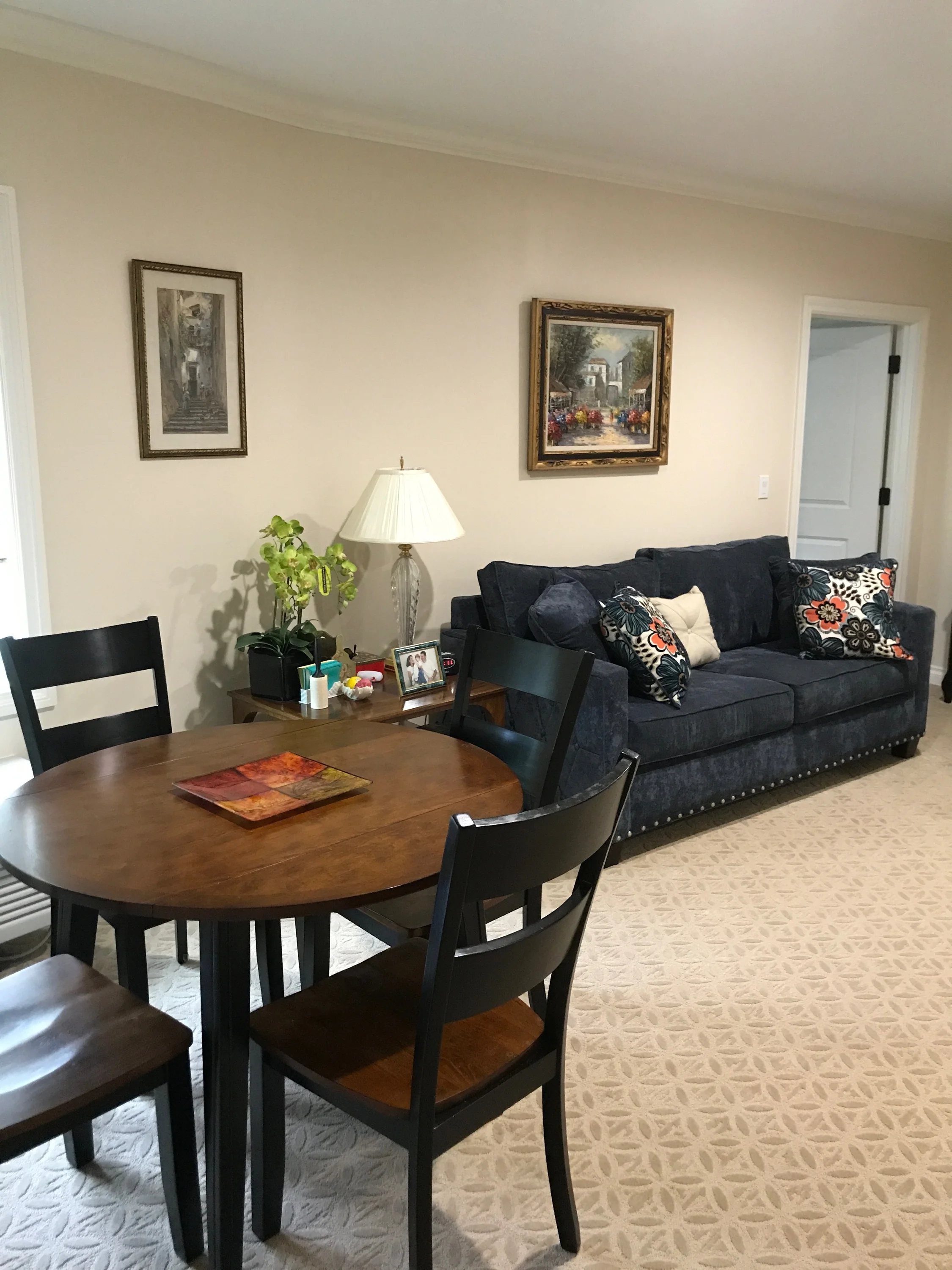
3 sets of china, silver from a grandparent, a dining room table and chairs from the 1940’s, multi-generational photos, antique lamps, these are just a few examples of decisions a homeowner has to make when downsizing. Trying to figure out what to take and what to keep is daunting as many of these items have been passed from generation to generation. What can make this even more stressful is moving at an advanced stage of life. Older adults may feel even more anxious due to the amount of “stuff” they have accumulated as well as the emotional aspect that comes with moving. Many seniors have lived in their homes for over 30 years.
They are used to things being in certain places and in a certain order. Change is difficult and being flexible is not as easy. As professional organizers, one of our most important jobs is to be sensitive and respectful to our client’s needs.
In many situations, children do not live close to their parents. Calling a professional organizer to help make decisions is sometimes the only option that a family has. In addition, seniors do not always have the mobility to move and lift items. Older adults may need assistance with boxing up donates or keepsakes, help to bring stored items down from an attic, or unpacking boxes which may have been stored for years in a basement or garage. This is where an experienced organizer can really make an impact. A professional organizer will help a homeowner get appraisals on items of value, help determine what is important to bring to the new abode, help box up items for relatives, and help box up donates and plan for their removal. What a relief for aging men and women to not have to go through the process alone.
Sometimes homeowners are so worried about the move that they have trouble determining what to take with them. To begin with, we may remove the non-sentimental items such as duplicate kitchen utensils, excess clothing, garage items no longer used etc… We may suggest the “one-year” test. For example, if something has not been used in over a year maybe it is time to discard and donate? Photographs should be removed from frames. Relatives can help transfer photos to scrapbooks or other media.
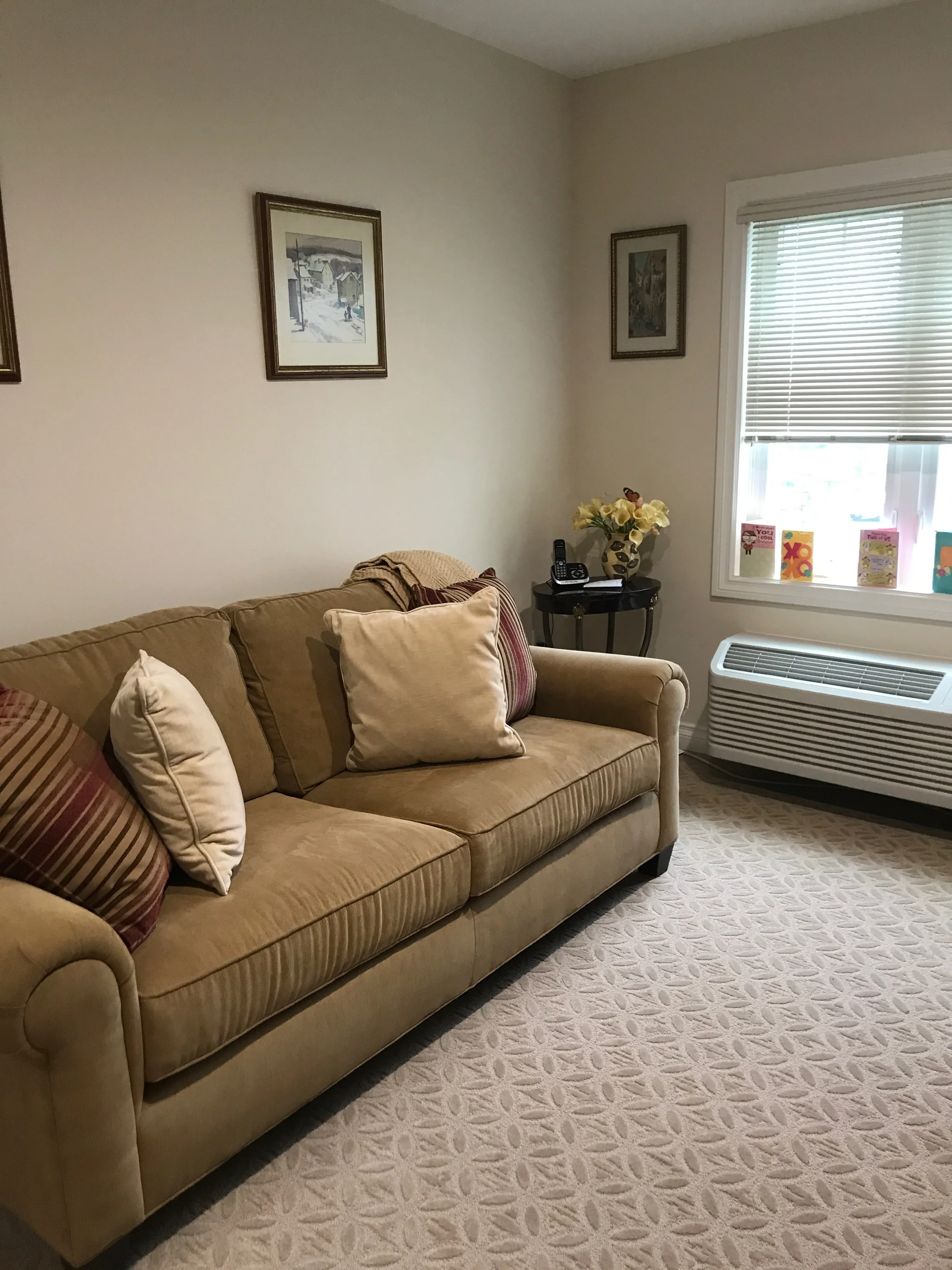
When moving to assisted living, seniors quite often do not have the space they may have had in the home they have lived in. As professional organizers, we can help them choose what furniture they can bring and help determine the best way to remove the remaining furniture. They may be comfortable with the layout they have in their current home so many times we suggest they photograph rooms they wish to recreate. A familiar layout is calming and can alleviate stress. Once in the new surroundings, we can help them unpack and organize, keeping in mind how to bring the comforts of the past to the new space.
Most importantly, when dealing with seniors we must be PATIENT. Listening and understanding to our client’s concerns are key. This is challenging, but an experienced and "professional" Professional Organizer can make the difficult task less stressful. At the end of the day, nothing is more rewarding to us than hearing “I couldn’t have done with without you” and knowing we made a huge difference in helping someone move into the next stage of their life.
There is no typical day for a Professional Organizer
There is no typical day for a professional organizer. Some days we are in garages, others in kitchens. Sometimes we are helping people pack for a move, somedays we are helping a stressed-out mom organize her playroom. That is what makes the job fun and rewarding.
There is no typical day for a professional organizer, says Linda Barlaam. Some days we are in garages, others in kitchens. Sometimes we are helping people pack for a move, somedays we are assisting a stressed-out mom to organize her playroom. That is what makes the job fun and rewarding.
Seeing spaces transformed by de-cluttering and organizing puts smiles on our clients and smiles on us. Yet, at times even organizers can have different points of view. Yes, we are trained to say and do the same things but different generations grow up with different experiences. Take for example my colleague Ben and myself. Picture a typical day in the kitchen as we help a client clear clutter and decide what to keep.
Ben: “gravy boats, butter dishes, I'm not sure people still use these.”
Me: “wait a minute, I do.”
Ben: “how often?”
Me: “idk, 2-3 times a year.”
Ben: “feels like I'm right.”
I make a face and remember Ben is in his 40’s, and I am in my late 50’s and we bring generational differences to each project.
Recently I ran into a neighbor who was complaining that her adult children do not want her home items which she considers keepsakes and valuable. As she prepares to leave her house of over 30 years she wonders what to do with all her china, crystal, silver and things which she has been saving from her own mother and grandmother. Many articles have been written about the younger generation not wanting their parent's stuff. Young adults live differently than our grandparents and parents. No one wants to polish silver which has been lovingly passed from generation to generation. People move for jobs more frequently and do not want to be burdened with large furniture and items which are difficult and costly to move. People tend to buy furniture at Target or Ikea. Parents work fulltime and need to make dinner hour easy with paper plates and plastic cups. Very rarely is china used or the crystal butter dish.
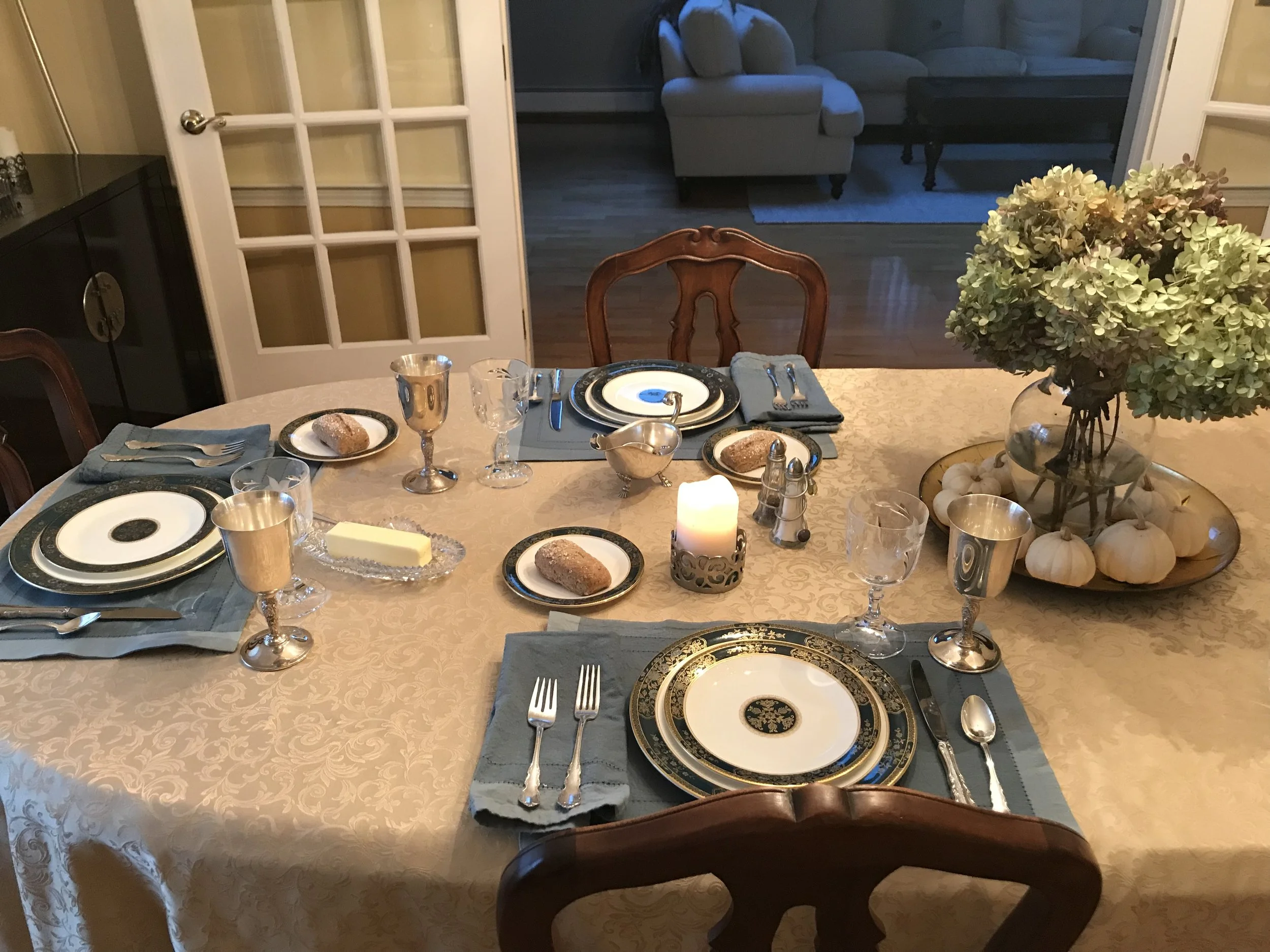
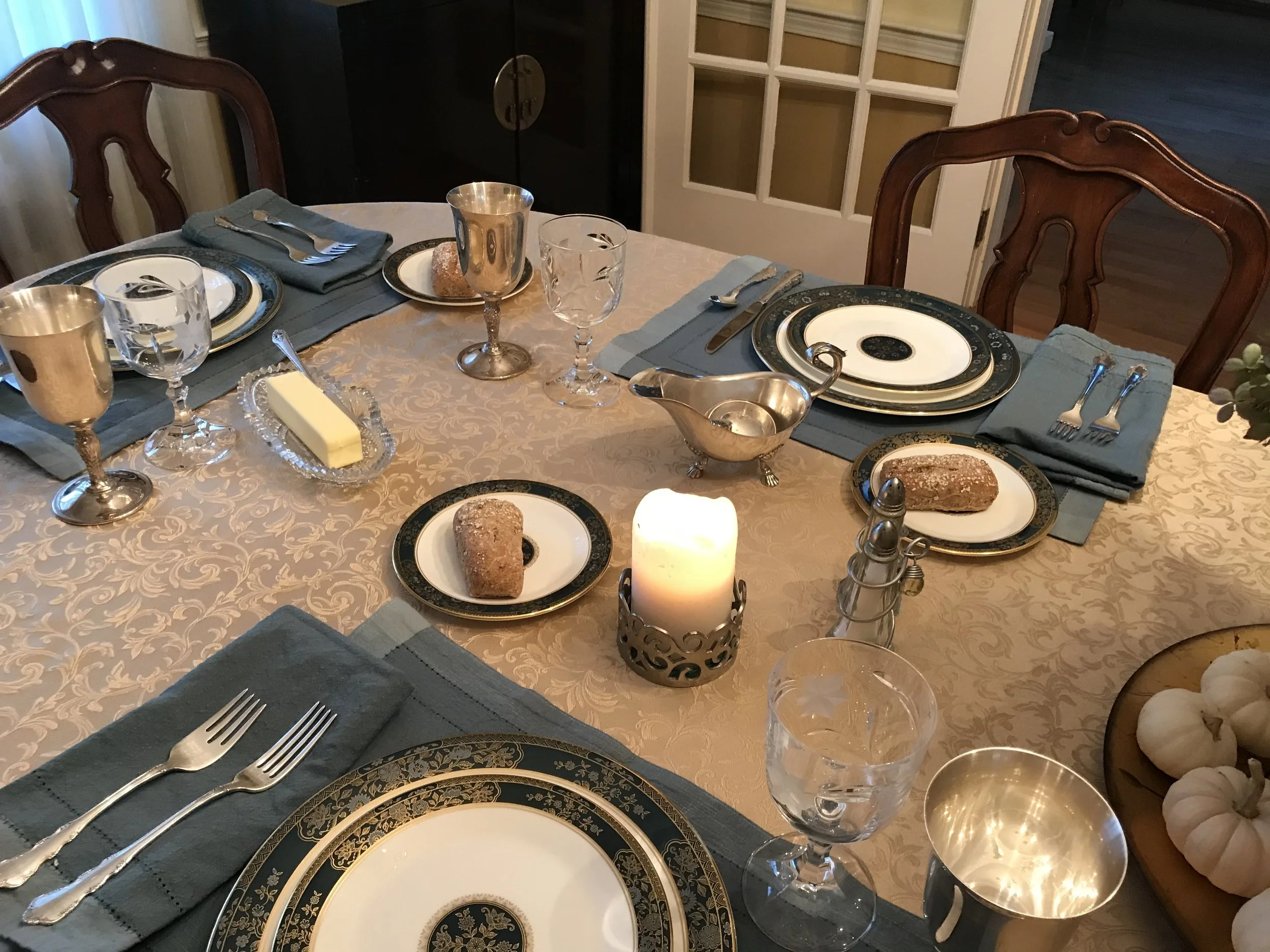
That being said, when events such as holidays come and the table is set with candles, silver, crystal, and china, it really does feel special as it should. Nothing gives me more pleasure than setting the table a few days before an event (yes organizers set tables very early) and stepping back and admiring how beautiful the room is. When my adult children come home and the guests show up, using the “good stuff” makes the holiday seem that more special. It is true that special occasions are only as good as the people in the room, but breaking out the pretty linens, china, crystal, and silver can only enhance the beauty of the occasion.
So the challenge is to find a balance. A balance between the past, present, and future. How to organize and keep things from our past but being mindful of the future. Of course having space may determine what you can and cannot take. Decide whether it is worth holding on to something or passing it to a relative, friend, or donating to a charity. Some tips we can suggest are to be gentle and kind when talking to relatives about what you can and cannot take. Remember even if it not meaningful to you it may have significance and history to your relatives. No need be rude or get upset, stay calm. Maybe compromise and focus on the small things. You might say, “I can take a few small items that are meaningful to our family. Maybe the silver? Maybe a small chair? Maybe antique jewelry?” You can pick some really important items that have personal meaning and can be transported easily. Try to remember that you may not use it now, but when you are older and have space, wouldn’t it be nice to have the beautiful dining room set magnificently for special times in your life?
Back to work,
Ben: “is this an ice bucket? Do people still...”
Me: “here we go again!”

Guest post: 3 Kid-Friendly Fridge Storage and Organization Solutions You Should Know About
Fridge storage and organization can get pretty tricky at times, but when you throw a couple of hungry kids into the mix, you have a real situation on your hands. Before you turn to the pros for storage solutions, here are 3 quick and easy storage and organization solutions you can try out to make your fridge kid-friendly!
Fridge storage and organization can get pretty tricky at times, but when you throw a couple of hungry kids into the mix, you have a real situation on your hands. Before you turn to the pros for storage solutions, here are 3 quick and easy storage and organization solutions you can try out to make your fridge kid-friendly!

Image from Pinterest
Keep the snacks at their eye level
Want to avoid a big mess in the fridge? Store your kids’ snacks and drinks at their eye level. To give your kids easy access, keep the snacks and drinks on a shelf that is low enough for them to reach and make sure they’re kept in the front of the fridge.
To up your fridge storage game, you can even store each snack in a separate bin or container - simply head over to the dollar store to get these special fridge storage containers. If the kids know that the low shelf is their special snack section, they won’t rummage around the fridge to get what they want!
For older kids who are looking for a big bite, make sure your leftovers are in glass containers and kept in a visible area. The great thing about glass containers is that they are dishwasher and microwave friendly, so you don’t have to worry about them using the wrong container for the microwave and it can reduce cleanup time by eating in one container!
Make sure breakables are out of reach
Another fridge storage solution is to move the breakables out of the way - things like eggs and glass containers should be moved to the shelves that are higher up and towards the back to make sure your kids can’t get to them. The same theory applies to food that you don’t want the kids to eat - the higher up, the better!
Hide unhealthy food the smart way
Want to hide unhealthy food like ice cream and popsicles from the kids? Simply put them in old food containers and bags they would never think to open! You can store ice cream or a bag of popsicles in a resealable bag of frozen veggies as a storage solution. Out of sight, out of mind - as long as they can’t see it, they won’t eat it!
So there you have it, 3 quick and easy storage and organization hacks for your fridge! The next time you go grocery shopping, you can store and organize your food the smart way!
Author profile
Homestars is Canada's largest and most-trusted source for connecting with home professionals. With a database of 2 million companies and hundreds of thousands of reviews, homeowners can find reputable renovators, repairmen and retailers online.

